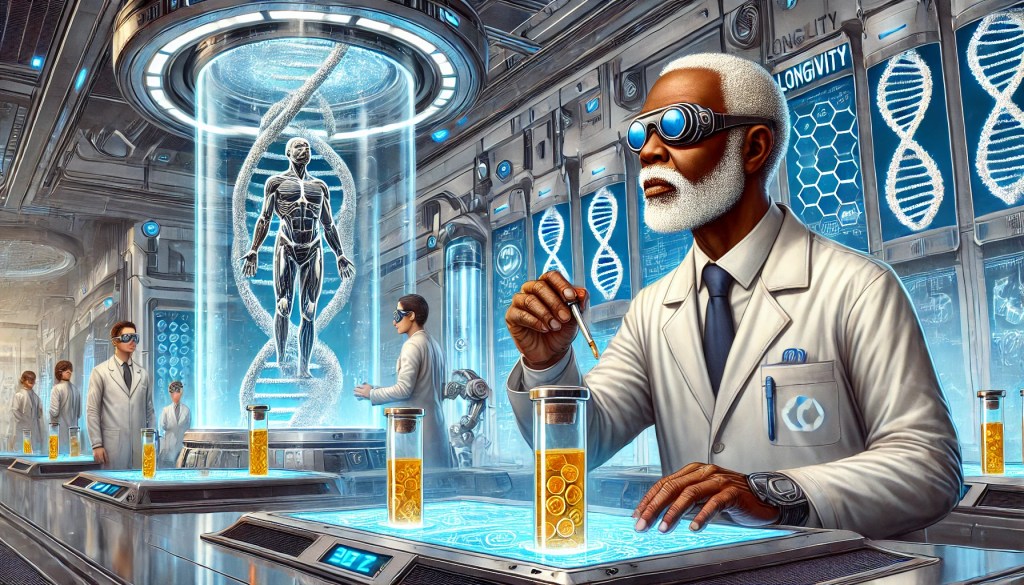
Pedro Domingos, a professor emeritus at the University of Washington and author of The Master Algorithm and 2040, envisions a future where humans may achieve unprecedented lifespans, potentially living up to 500 years.
He suggests that such longevity could redefine human development stages, with people remaining in childhood until around 50.
In recent public statements, Domingos explained that rapid advancements in artificial intelligence, biotechnology, and nanotechnology might converge to slow or even reverse aging, leading to these prolonged life expectancies.
According to Domingos, extended lifespans would allow humanity to adapt with larger cognitive capacities, expanding both the depth and duration of learning and self-discovery.
Domingos sees AI and medical innovations as central to this transformation.
By integrating algorithms capable of diagnosing and even treating diseases at genetic and cellular levels, scientists could theoretically eliminate or dramatically reduce age-related diseases.
This approach would not only enhance health but could fundamentally change our understanding of aging, potentially enabling the body to rejuvenate itself.
Research continues to explore possibilities in this domain, as scientists aim to pinpoint cellular processes that accelerate degeneration and test experimental treatments that promote cellular repair.
 Bitcoin Versus
Leave a comment