bitcoin mining
-

Foundry USA leads the largest Bitcoin mining pools with 1,175 blocks, while the top three accounted for 62.7% of a November 8, 2026, one-month blockchain snapshot.
-

Bitcoin’s November 8 low of $73,708 reduced the modeled dollar value of a fixed 3.125 BTC block subsidy by $21,850 from a $80,700 reference price, with network difficulty still elevated.
-
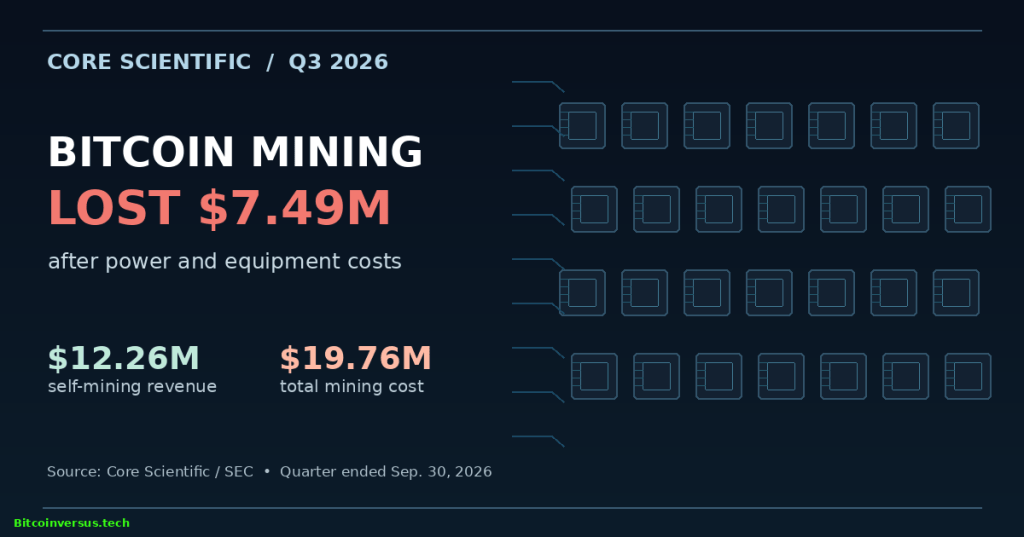
Core Scientific’s Q3 self-mining generated $12.26 million, enough to cover $10.48 million in power fees, but depreciation and other costs drove a $7.49 million segment gross loss.
-
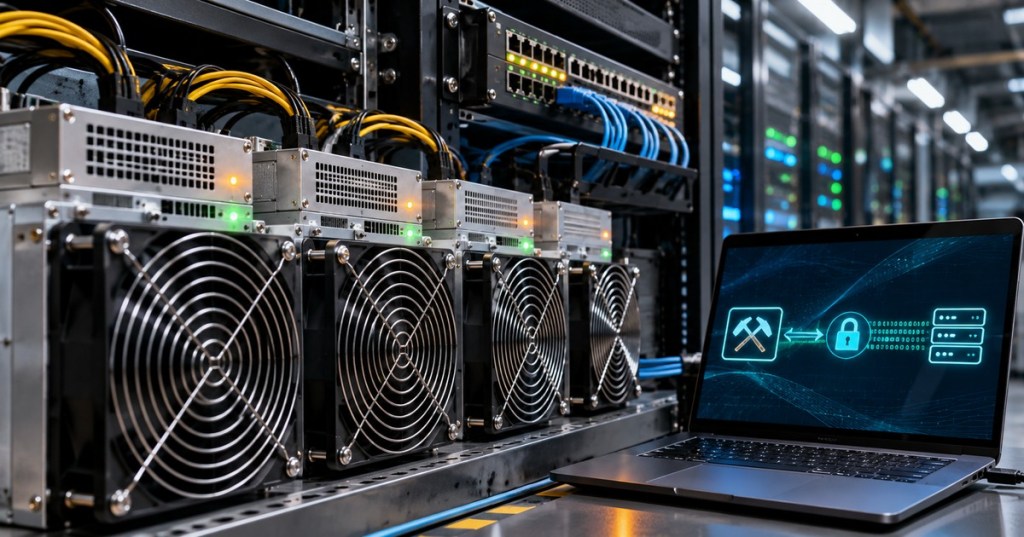
Stratum V2 SRI 1.13.0 fixes buffer management and framing validation, improves mining job handling, and introduces Rust API changes without claiming ASIC speed gains.
-
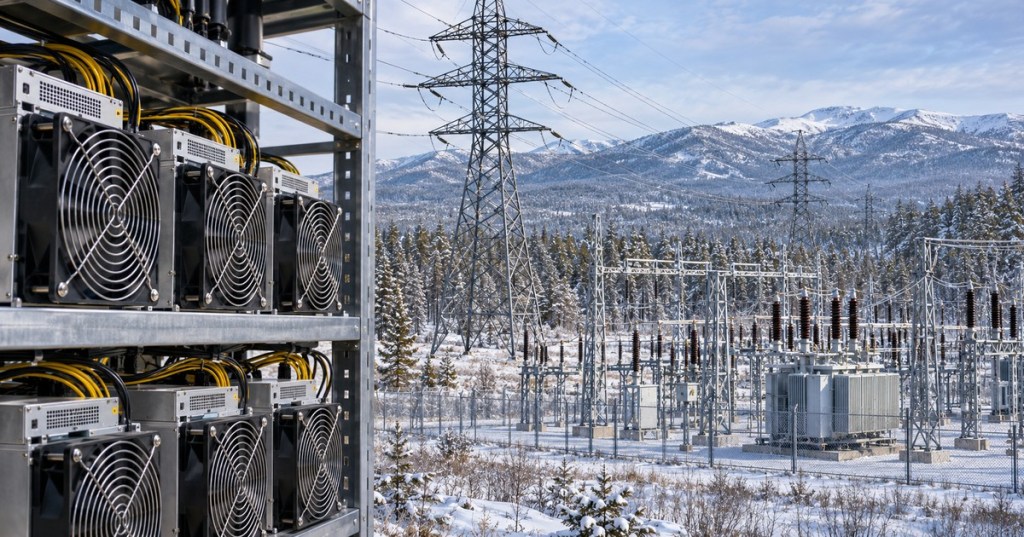
Russia’s November 15 Bitcoin mining shutdown deadline is outdated in specified Buryatia and Zabaykalsky Krai districts after a March 2026 amendment made restrictions continuous.
-
BzMiner 100.70 adds MoneroOcean-directed GPU algorithm switching with per-device benchmark caches. The Nov. 5 update also targets Pearl efficiency; actual net gains require independent tests.
-
DMG Blockchain disclosed its September 22, 2026 U.S. patent for batching multiple Bitcoin Ordinals and a separate February custom-mempool grant. Patent issuance is verified, but deployment and fee savings are unproven.
-
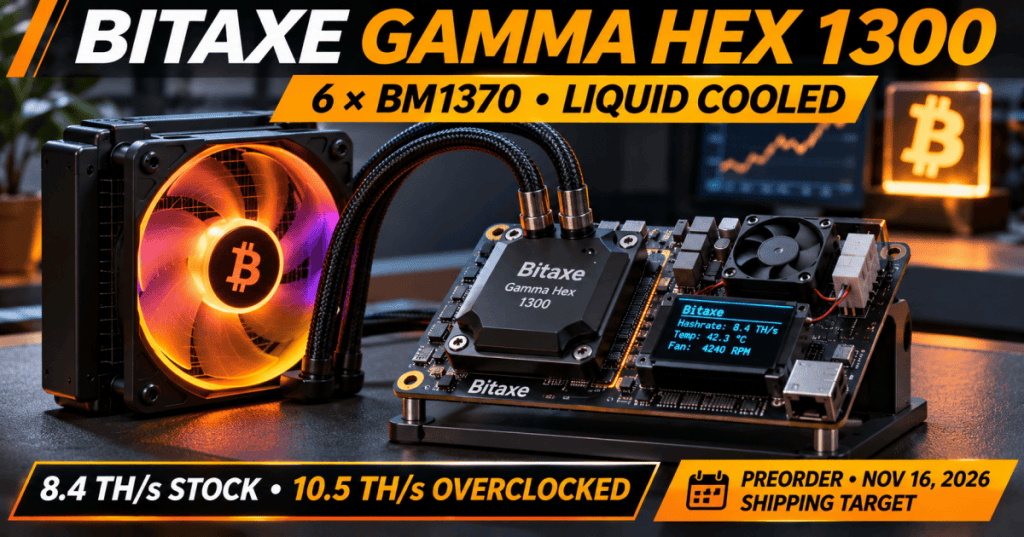
The six-chip Bitaxe Gamma Hex 1300 targets 8.4 TH/s at 150 W stock or 10.5 TH/s at 200 W overclocked. Vendor preorders cite November 16 shipping.
-
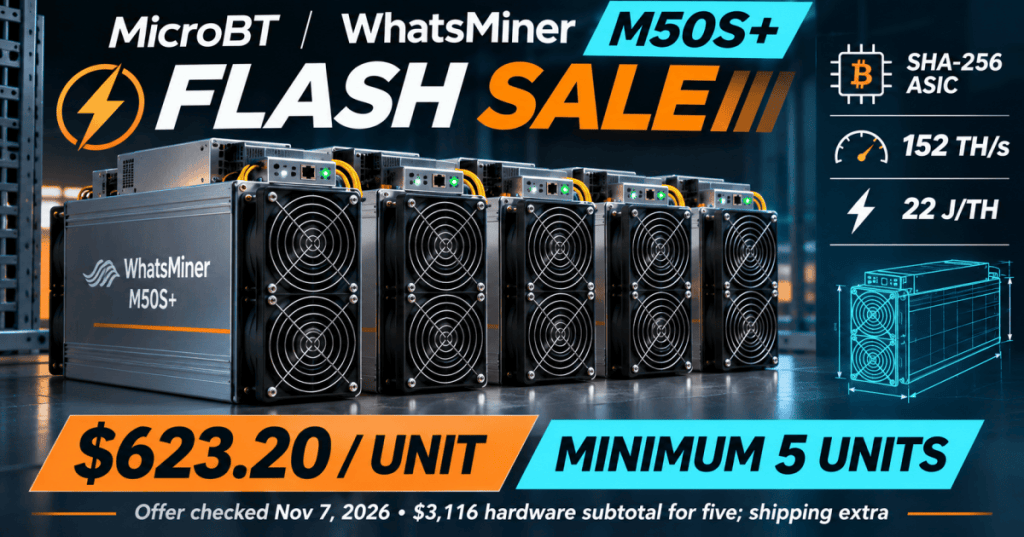
MicroBT’s November 2026 M50S+ flash sale lists 152–156 TH/s ASIC miners at $4.10/TH, but the five-unit minimum lifts the hardware subtotal to at least $3,116.
-
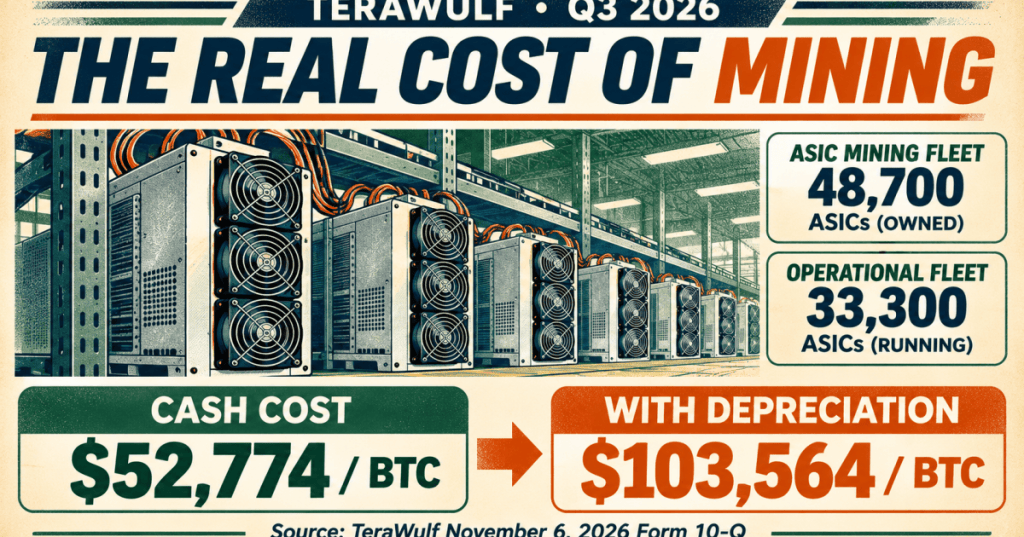
TeraWulf’s Q3 2026 filing shows cash mining cost of $52,774 per BTC, rising to $103,564 with miner depreciation. ASIC ownership and actual operations diverge.
-

UltimusPool ended Bitcoin mining service with a November 5, 2026 access cutoff. Block records, Binance’s separate exit and miner payout considerations explained.
-
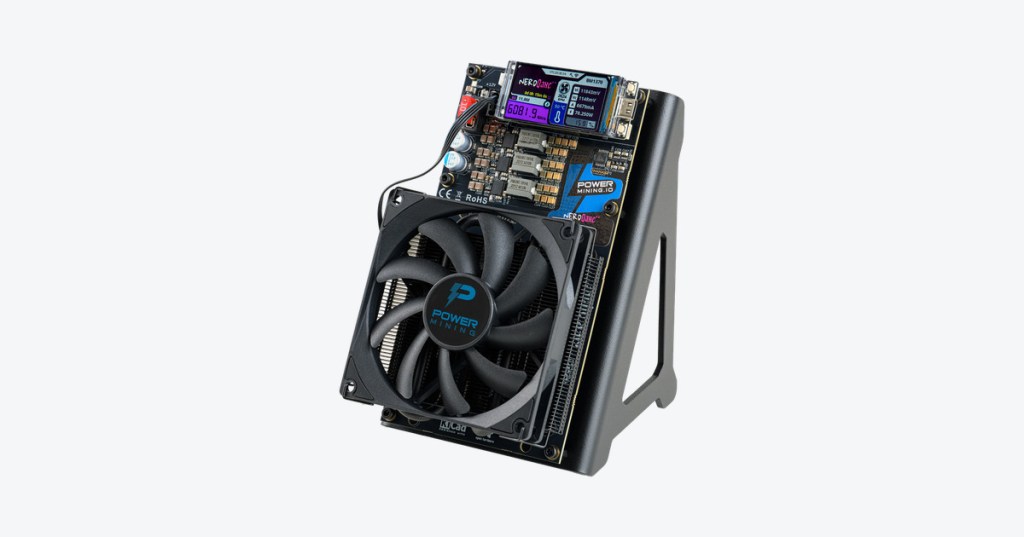
NerdQAxe 1.1.1 updates Bitcoin miners’ TLS certificate trust after the eMudhra incident, adds W5500 Ethernet support and fixes Stratum V2 invalid shares. Hardware compatibility and tested benefits are qualified.

