linux
-
FortiOS, the operating system used across FortiGate firewall appliances, is built on a heavily modified Linux kernel. This means the underlying operating system shares important architectural roots with Linux, including concepts related to networking, processes, interfaces, system resources, logging, and kernel-level traffic handling. Fortinet then builds its own proprietary networking, security, management, and firewall technologies…
-

Kerberos is a cross-platform network authentication protocol used to verify the identities of users, computers, applications, and services across a network. Originally developed at the Massachusetts Institute of Technology, Kerberos uses secret-key cryptography and encrypted tickets instead of repeatedly transmitting a user’s password. Kerberos Version 5 is an open internet standard, allowing compatible systems from…
-
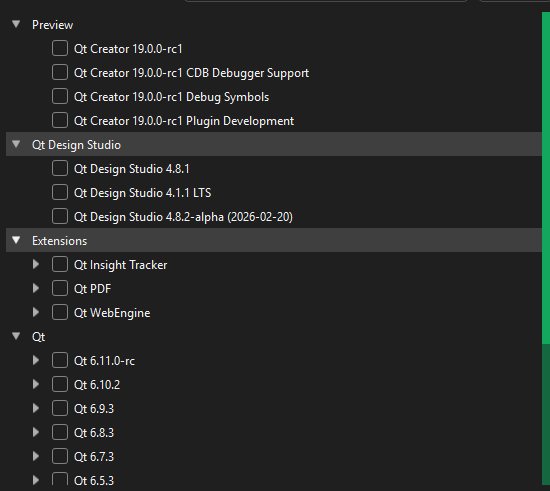
Qt is a professional software framework used to build graphical applications in C++ (and sometimes Python) that run on many operating systems such as Windows, Linux, and macOS. Instead of manually coding windows, buttons, charts, and graphics from scratch, Qt provides a large library of ready-made tools like QWidget, QPainter, buttons, text fields, and layouts…
-
Get Visual Studio Code running on your #Linux system by following these four terminal commands in this easy-to-understand guide. #FirmwareFridays
-

Modbus RTU (Remote Terminal Unit) is a widely used serial communication protocol developed by Schneider Electric in 1979 for industrial applications. It’s designed for communication between various devices such as programmable logic controllers (PLCs), sensors, and other industrial electronic devices. Modbus RTU uses a Commander/Executor architecture, where one device (Commander) initiates communication and controls one…
-

Installing Wireshark on Ubuntu is far easier through the terminal because Ubuntu already includes the correct Wireshark package in its official repositories. Instead of hunting through confusing alphabetical package indexes, mismatched versions, or multiple repository categories on the web, the terminal lets Ubuntu automatically detect your system version, architecture, and dependencies. A simple command like:…
-
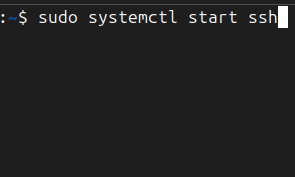
Secure Shell, commonly known as SSH, is a cryptographic network protocol used to establish secure and encrypted communication between two systems over an unsecured network. It allows users to remotely access and control another computer, typically through a command-line interface. SSH ensures that all data, including login credentials and command outputs, are encrypted to prevent…
-

The /bin directory is where Linux keeps many of its most essential commands that are available to all users, whether they are administrators or regular users. Inside /bin, you will find programs like ls for listing directory contents, cp for copying files, and mv for moving or renaming files. These commands are so vital that…
-

The Linux root directory (/) is the highest-level directory in the entire file system, acting as the central point from which everything else originates. To further clarify, the root directory (/) is the top-level of the entire Linux file system hierarchy, whereas /root is specifically the private home directory for the root (administrator) user. All…
-

The snmpwalk command is used to perform a series of network management requests to a specific device using an IP address(example: 10.31.10.101),starting from the OID 1.3.6.1.2.1.2.2.1, using SNMPv3. Reference record for OID: Website to interpret OID Adresses snmpwalk -v3 -l authPriv -u l1monitor -a MD5 -A GEe9bb8h -x DES -X 4ixay7su 10.36.10.108 1.3.6.1.2.1.2.2.1snmpwalk: This is…
-
Secure Shell, commonly known as SSH, is a cryptographic network protocol used to establish secure and encrypted communication between two systems over an unsecured network. It allows users to remotely access and control another computer, typically through a command-line interface. SSH ensures that all data, including login credentials and command outputs, are encrypted to prevent…
-

Before writing C++ programs on a Linux system, it’s essential to make sure the compiler is properly installed. G++ is the GNU Compiler Collection’s tool specifically for compiling C++ code. The screenshot demonstrates the process of checking and confirming that G++ is installed and ready to use. The screenshot shows that the user successfully confirmed…

