linux
-
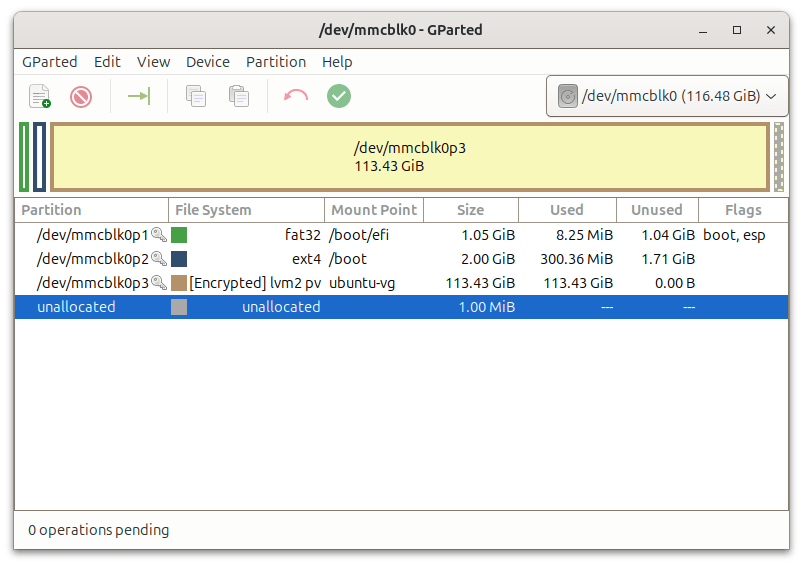
According to Linux.com, GParted—short for GNOME Partition Editor—remains one of the most trusted tools in the Linux ecosystem for managing disk partitions, especially in systems using EFI bootloaders and encrypted logical volume management (LVM). sers can graphically create, resize, format, and delete partitions across a wide range of file systems including ext4, fat32, and NTFS.…
-
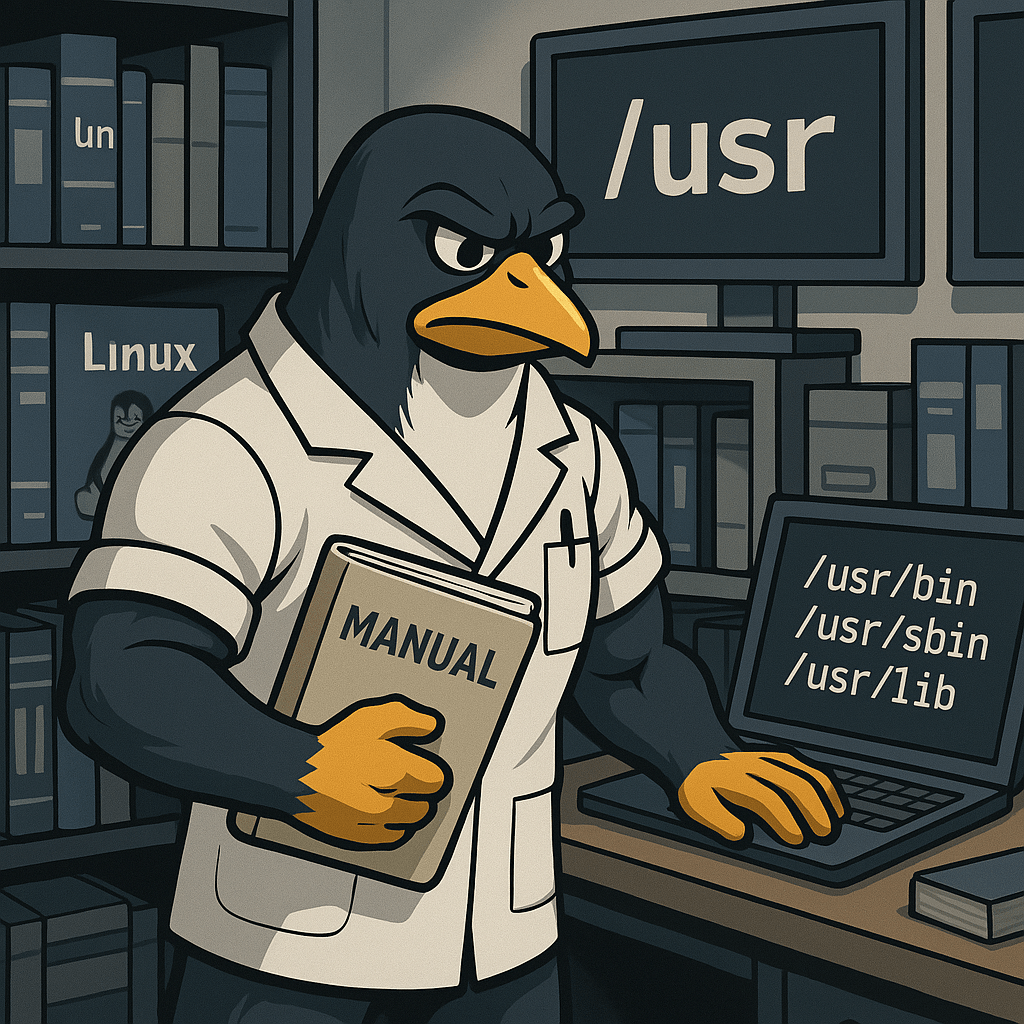
The /usr directory in Linux holds the majority of user-level applications, libraries, documentation, and system utilities that are not required during the initial stages of booting. While its name might suggest it’s for user files, it’s actually more like a shared, read-only part of the system for application files and binaries. Subdirectories like /usr/bin, /usr/sbin,…
-

The sed command in Linux is a powerful stream editor used to filter, find, and modify text within files or input streams. Short for “stream editor,” sed operates line-by-line and can perform operations like search-and-replace, deletion, insertion, or even complex pattern matching using regular expressions. It is commonly used for parsing and transforming text in…
-
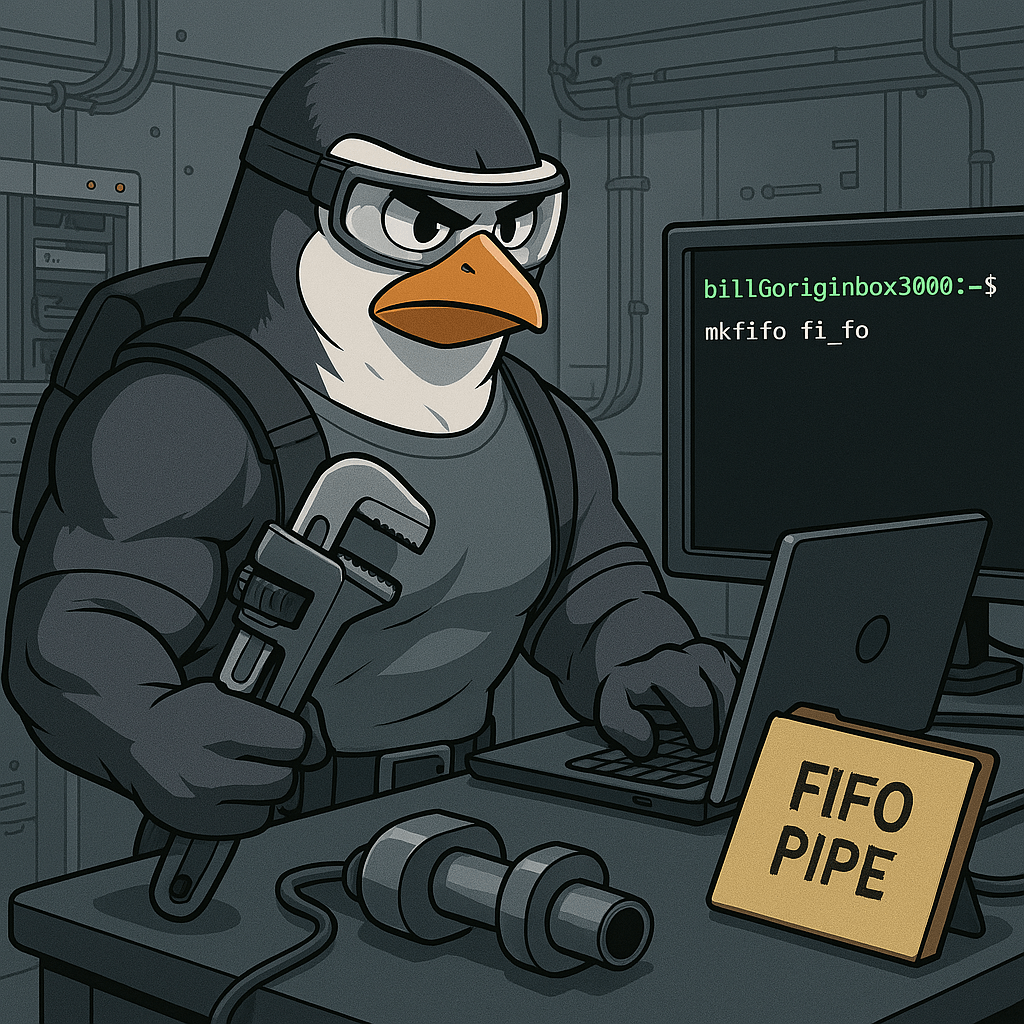
The mkfifo command in Linux is used to create named pipes, also known as FIFOs (First In, First Out). Unlike regular files, a FIFO behaves like a pipe that allows data to flow between processes. You can think of it as a communication tunnel where one process writes data and another reads it. For example,…
-

The locate command in Linux is used to quickly search for files by name across the entire filesystem. Unlike the find command, which actively searches through directories in real-time, locate uses a prebuilt index from a database (usually updated with the updatedb command). This makes it incredibly fast and efficient. For example, typing locate passwd…
-

In Linux, path shortcuts help users move through the file system quickly and efficiently. These symbols are used in the terminal to reference common directory locations without typing the full path. ~ (Tilde): Refers to the current user’s home directory. For example, cd ~ will take you to /home/username. .. (Double Dot): Moves up one…
-
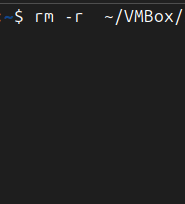
The rm command in Linux is used to remove (delete) files and directories from the filesystem. It stands for “remove” and is one of the most powerful and potentially destructive commands if used without care. A basic usage like rm file.txt deletes the specified file permanently — there’s no trash or recycle bin involved. To…
-

The /opt directory is used in Linux for installing optional or third-party software that is not part of the default package management system. Many commercial applications or special-purpose tools are installed into /opt to keep them separate from system-managed software. If you install proprietary software like VMware or a custom application, it may place its…
-

The /mnt directory in Linux serves as a traditional location for temporarily mounting filesystems. Unlike /media, which is mostly used for automatic mounting of USBs and other external devices, /mnt is primarily used by system administrators for manual mounts during maintenance, recovery, or troubleshooting. When you need to access another drive or partition for testing…
-

The /media directory is used in Linux to automatically mount removable storage devices such as USB drives, DVDs, and external hard drives. When you insert a USB or plug in a storage device, most Linux distributions will automatically create a subdirectory inside /media and mount the device there. This helps users access external drives easily…
-

The /bin directory is where Linux keeps many of its most essential commands that are available to all users, whether they are administrators or regular users. Inside /bin, you will find programs like ls for listing directory contents, cp for copying files, and mv for moving or renaming files. These commands are so vital that…
-
The Linux root directory (/) is the highest-level directory in the entire file system, acting as the central point from which everything else originates. To further clarify, the root directory (/) is the top-level of the entire Linux file system hierarchy, whereas /root is specifically the private home directory for the root (administrator) user. All…

