
SpaceX’s Starship rocket, experienced a dramatic series of events that impacted the ionosphere. Four minutes after liftoff, the Super Heavy booster exploded at an altitude of approximately 56 miles, shortly after separating from the second stage.
The remaining part of the spacecraft, continuing its flight, reached about 93 miles before combusting as well. These incidents, combined, led to a temporary disruption in the ionosphere, as revealed by recent research published in Geophysical Research Letters.
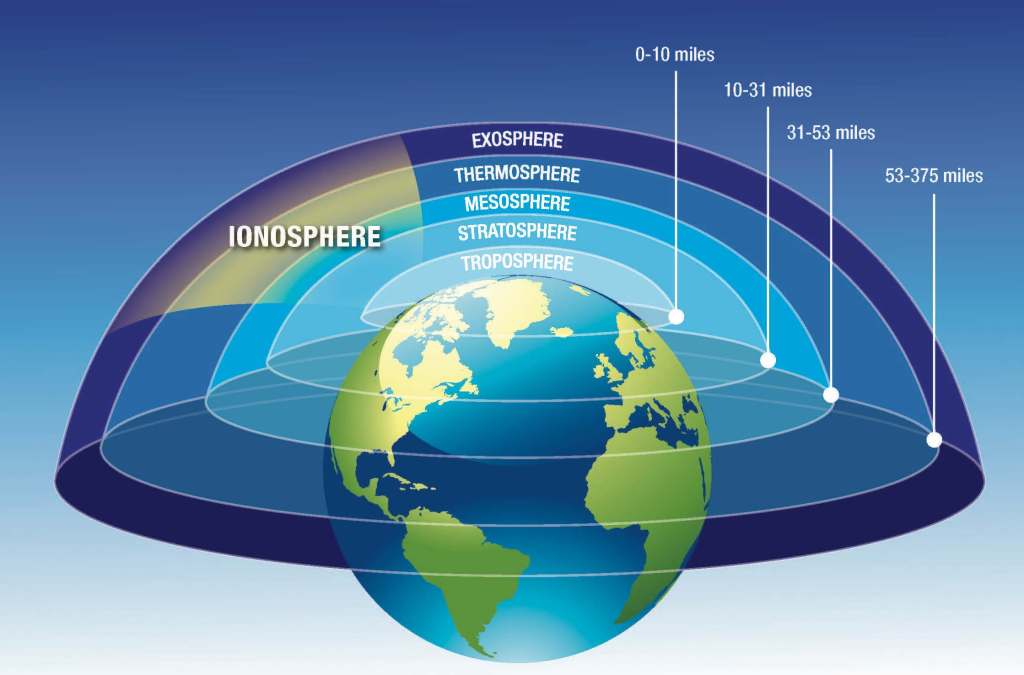
The ionosphere, situated between 50 and 400 miles above Earth, is composed of charged particles essential for satellite-based communications.
Shock waves from the Starship explosions, which traveled faster than the speed of sound, disrupted this region, forming a temporary hole that spanned up to 1,200 miles. Unlike typical ionospheric disturbances resulting from chemical interactions with rocket exhaust, this marked the first documented case triggered by a non-chemical, human-made explosion.
Data from over 2,500 monitoring stations across North America and the Caribbean revealed the breadth of the impact, showing that the shock waves affected areas from the Yucatán Peninsula to parts of the southeastern United States.
The disturbance, lasting about 30 to 40 minutes, provided researchers with a unique opportunity to examine how shock waves influence the atmosphere and raised questions about potential long-term implications for future space missions.
BitcoinVersus.tech is not a financial advisor. This media platform reports on financial subjects purely for informational purposes.
 Bitcoin Versus
Leave a comment