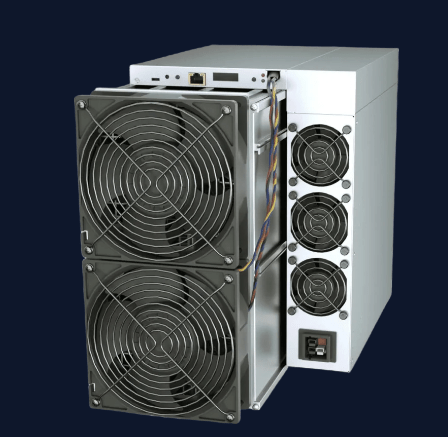
Underclocking involves reducing a component’s clock speed below its factory settings. This practice aims to decrease power consumption and heat generation, which can be beneficial for extending battery life in portable devices or achieving quieter operation in desktops. However, the trade-off is diminished performance, as the component operates at a slower speed.
Advantages of Underclocking
- Reduced Power Consumption: Lowering the clock speed decreases the energy required, leading to longer battery life in mobile devices.
- Lower Heat Output: Less power consumption results in reduced heat generation, potentially extending the lifespan of components.
- Quieter Operation: With less heat, cooling systems can operate at lower speeds, reducing noise levels.
Disadvantages of Underclocking
- Decreased Performance: Slower clock speeds can lead to reduced system responsiveness and longer processing times.
- Limited Use Cases: Not all applications or users can tolerate the performance drop associated with underclocking.
Overclocking
Overclocking refers to increasing a component’s clock speed beyond its default settings to boost performance. This technique is popular among enthusiasts seeking enhanced capabilities without purchasing new hardware. However, overclocking can lead to higher power consumption and increased heat output, necessitating improved cooling solutions.
Advantages of Overclocking
- Enhanced Performance: Higher clock speeds can improve processing times and system responsiveness.
- Cost-Effective Upgrades: Users can achieve better performance without investing in new components.
Disadvantages of Overclocking
- Increased Heat Generation: Higher speeds result in more heat, which can damage components if not properly managed.
- Potential for System Instability: Overclocking can lead to crashes or data corruption if not executed correctly.
- Voided Warranties: Many manufacturers do not cover damage resulting from overclocking.
Both underclocking and overclocking offer distinct benefits and drawbacks. Underclocking is suitable for users prioritizing energy efficiency and longevity, while overclocking appeals to those seeking maximum performance. It’s essential to weigh the advantages against the potential risks and ensure proper cooling and monitoring when adjusting clock speeds.
BitcoinVersus.tech is not a financial advisor. This media platform reports on financial subjects purely for informational purposes.
 Bitcoin Versus
Leave a comment