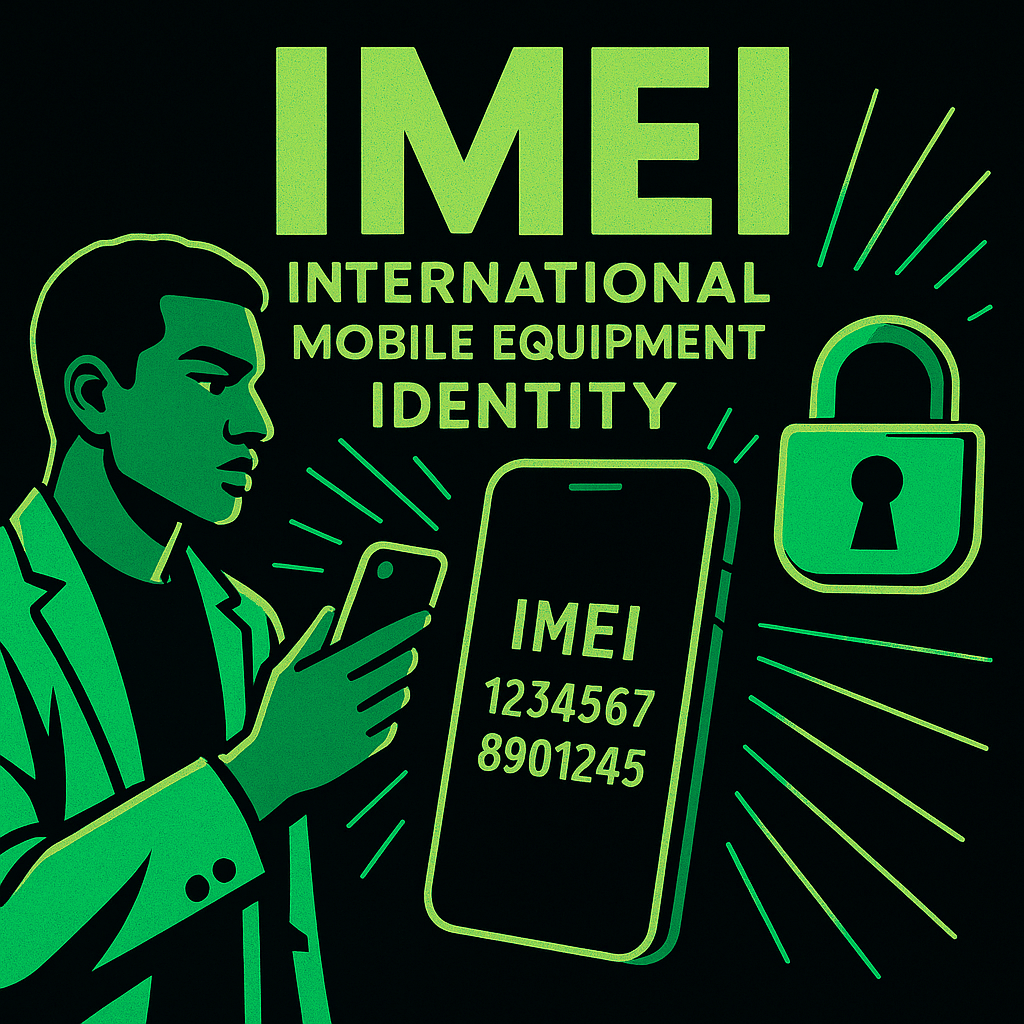
The IMEI (International Mobile Equipment Identity) is a unique 15-digit number assigned to every mobile device that connects to a cellular network.
Unlike a SIM card, which identifies the user, the IMEI identifies the device itself. It is used by carriers to track stolen devices, block lost phones from network access, and enforce blacklists.
IMEI numbers are globally unique and are hardcoded into the device by the manufacturer—usually found in the phone’s settings menu, on the SIM tray, or printed under the battery for removable models.
Carriers and law enforcement agencies can use the IMEI to remotely blacklist a phone, rendering it useless even with a new SIM.
While IMEIs don’t contain user data or location history, they’re critical for device authentication and inventory management. Some dual-SIM phones have two IMEI numbers—one for each cellular radio. Understanding how to locate and verify an IMEI is important for configuring mobile devices, ensuring security during provisioning, and supporting theft recovery efforts.
BitcoinVersus.Tech Editor’s Note:
We volunteer daily to ensure the credibility of the information on this platform is Verifiably True. If you would like to support to help further secure the integrity of our research initiatives, please donate here
BitcoinVersus.tech is not a financial advisor. This media platform reports on financial subjects purely for informational purposes.
 Bitcoin Versus
Leave a comment