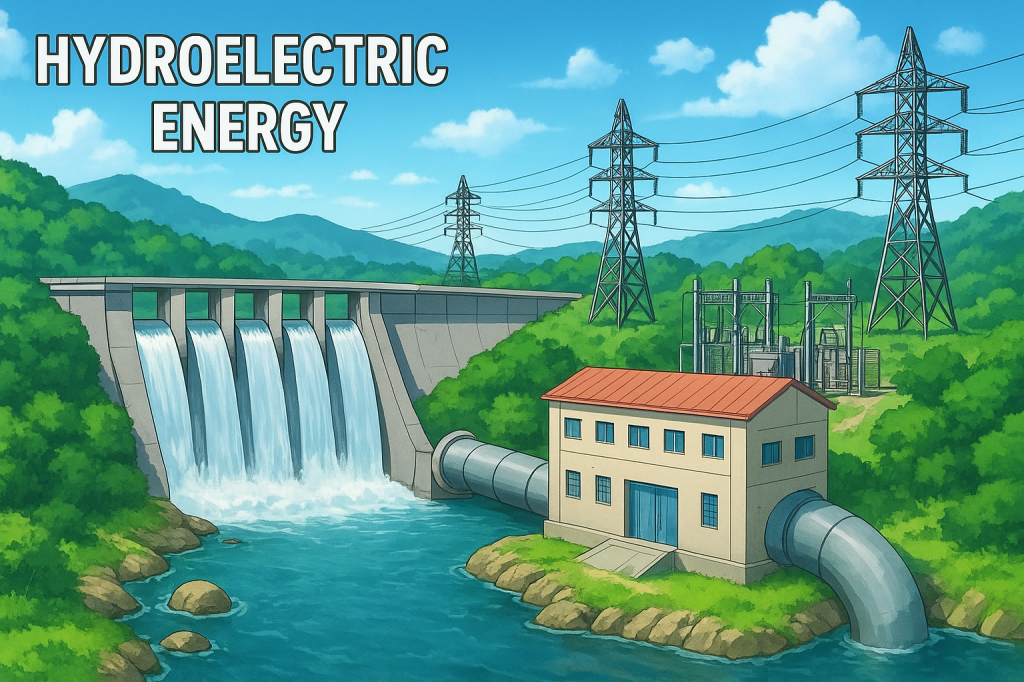
Hydroelectric energy is power produced by capturing the movement of water and converting it into electricity.
Water stored in a reservoir or flowing naturally in a river passes through turbines that spin generators. This process transforms the mechanical motion of water into electrical energy through controlled and predictable operation.
The system depends on gravity, flow rate, and water pressure to maintain steady output.
Hydroelectric plants serve as a major source of renewable electricity because water continually cycles through the environment.
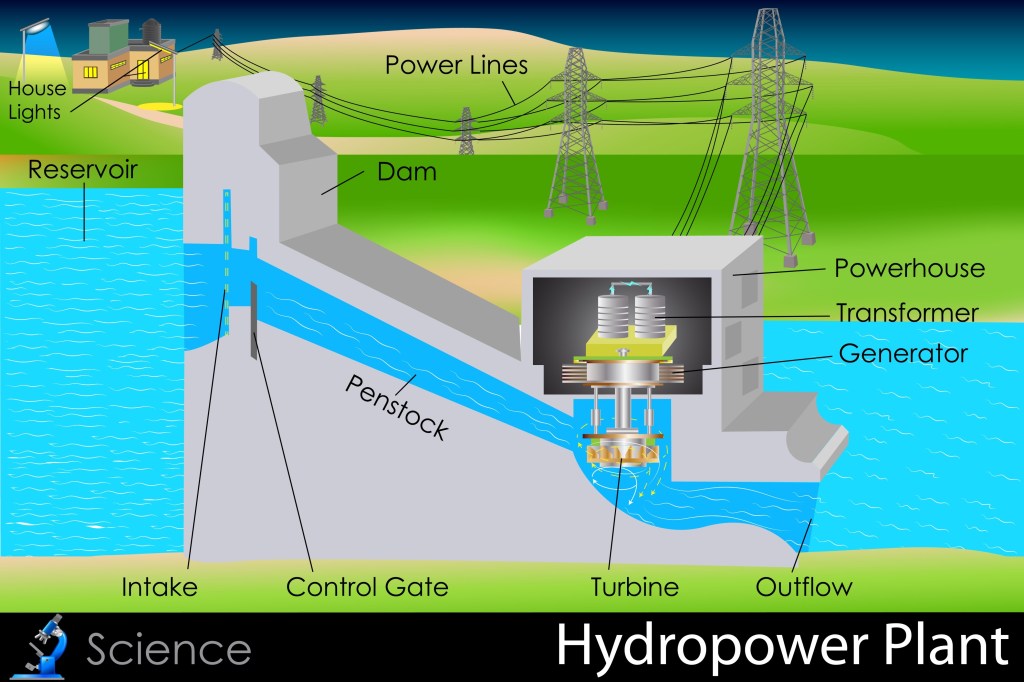
Operators can regulate the amount of water passing through turbines, which allows rapid adjustments in output to meet changing demand across the electrical grid.
This control gives hydroelectric power a reliable role in stabilizing generation when other energy sources fluctuate. It also produces electricity without combustion, which reduces emissions during operation.
Hydroelectric energy facilities range from small river driven installations to large dam based power stations. These systems often integrate with regional or national electrical networks to support long term energy planning.
Hydroelectric power contributes to flood control, water storage, and irrigation in many regions, which expands its value beyond electricity generation.
Its combination of renewable sourcing, dependable operation, and multi purpose infrastructure makes it a foundational part of modern energy systems.
BitcoinVersus.Tech Editor’s Note:
We volunteer daily to ensure the credibility of the information on this platform is Verifiably True.
If you would like to support to help further secure the integrity of our research initiatives, please donate here: bc1qrved9tfquym6u3age7xhmnkjs2lq8j9aulperagkuhtuk5w5c35ssfpge8
BitcoinVersus.tech is not a financial advisor. This media platform reports on financial subjects purely for informational purposes.
 Bitcoin Versus
Leave a comment