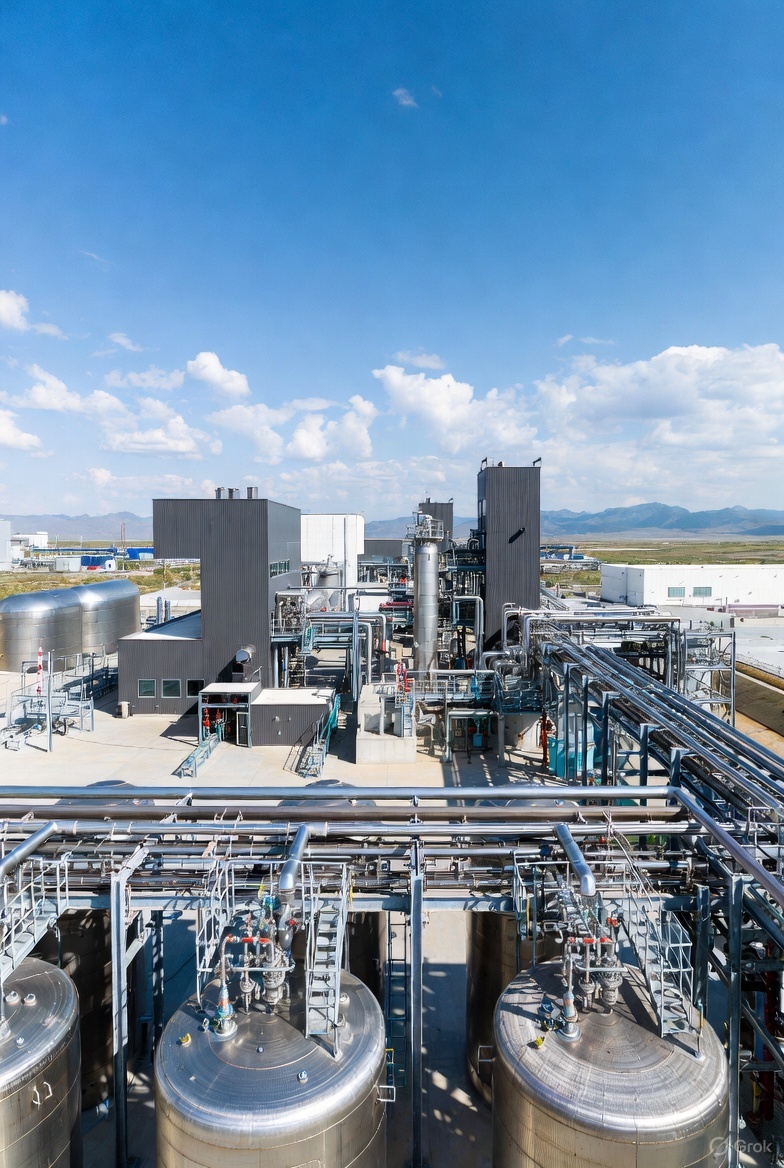
Here is a description of the three primary types of natural gas peak shaving systems:
1. LNG Peak Shaving Plants without Liquefaction Capability (Truck-Filled Plants) These facilities consist of LNG storage tanks and regasification equipment but lack on-site liquefaction capability.
LNG is received by tanker trucks during periods of low demand and stored in cryogenic tanks. During peak demand periods, the stored LNG is pumped from the tanks and vaporized for injection into the distribution system.
Key characteristics include reliance on external LNG supply sources, no ability to liquefy pipeline gas, and operation limited to vaporizing previously delivered LNG. These plants are typically smaller in scale and are used where liquefaction infrastructure is not economically justified.
2. LNG Peak Shaving Plants with Liquefaction Capability (Liquefaction/Regasification Plants) These facilities have both liquefaction and regasification capabilities.
During off-peak periods, excess natural gas is withdrawn from the distribution system, compressed, cooled, and liquefied using on-site liquefaction equipment, then stored in cryogenic tanks. During peak demand periods, the stored LNG is vaporized and returned to the distribution system.
This dual-function capability allows these plants to create their own LNG inventory from pipeline gas when excess capacity is available, providing greater operational flexibility compared to truck-filled plants.
They function as both a production facility during low-demand periods and a supply source during peak periods.
3. Propane-Air Plants (Including Satellite Facilities) Propane-air plants store liquid propane and produce a synthetic natural gas mixture by vaporizing propane and mixing the propane vapor with compressed ambient air.
The resulting propane-air mixture has combustion characteristics similar to pipeline natural gas and can be injected directly into the distribution system during periods of peak demand. These plants do not store or handle LNG and do not require cryogenic infrastructure.
They operate intermittently by creating supplemental gas supply as needed, without maintaining long-term storage inventories. Satellite propane-air facilities are smaller installations located remotely from larger peaking plants and serve specific geographic areas.
Each type of peak shaving system serves the common purpose of supplementing natural gas supply during periods of high demand but employs fundamentally different technologies and operational approaches.
The choice between these systems depends on factors such as required peaking capacity, available infrastructure, capital investment constraints, and the magnitude of seasonal demand variation in the service territory.
BitcoinVersus.Tech Editor’s Note:
We volunteer daily to ensure the credibility of the information on this platform is Verifiably True.
If you would like to support to help further secure the integrity of our research initiatives, please donate here: bc1qrved9tfquym6u3age7xhmnkjs2lq8j9aulperagkuhtuk5w5c35ssfpge8
BitcoinVersus.tech is not a financial advisor. This media platform reports on financial subjects purely for informational purposes.
 Bitcoin Versus
Leave a comment