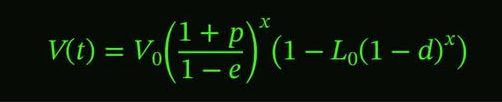
Let me be very clear.
Power Efficiency Theory seeks to measure verifiable energy metrics directly related to the bitcoin protocol.
I contend that the individual system (the ASIC machine) is the most reliable way to measure the anticipated value of bitcoin.
You can collect metrics using the Individual systems or the entire system, but there are tradeoffs that I would like to emphasize:
If you use the individual system (the machine), then you get a very precise metric in terms of computational power, #energy efficiency and the progression of those metrics over time.
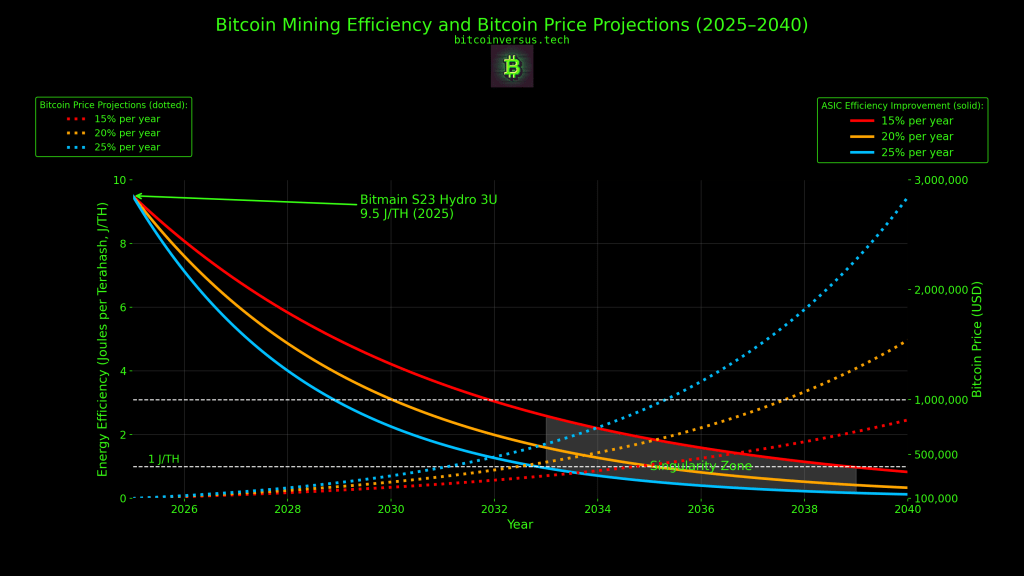
If you use the collective system (the entire collection of machines used to power, verify, and secure the network), then the data collected to anticipate the value of bitcoin may not be as accurate or realistic, because it’s impossible to account for every machine or every watt being utilized to secure electronic transactions on the bitcoin network.
That impossibility is apart of the reason why it’s so secure, which is also apart of the reason why it’s so valuable, but it’s also apart of the reason why we can’t accurately account for this “invisible excess” of value.
Ultimately, when it comes to Power Efficiency Theory, we need evidential metrics that we can test in the field to determine the progression of power and efficiency.
As of today, the most precise, ever-present metric that we have in the ASIC mining industry is the computational power and energy efficiency of the individual machine.
BitcoinVersus.Tech Editor’s Note:
We volunteer daily to ensure the credibility of the information on this platform is Verifiably True. I
If you would like to support to help further secure the integrity of our research initiatives, please donate here: 3C9o19EH5HSiwEPyCTmEKzxhNCbo2X6TTb
BitcoinVersus.tech is not a financial advisor. This media platform reports on financial subjects purely for informational purposes.
 Bitcoin Versus
Leave a comment