Tech Docs
-
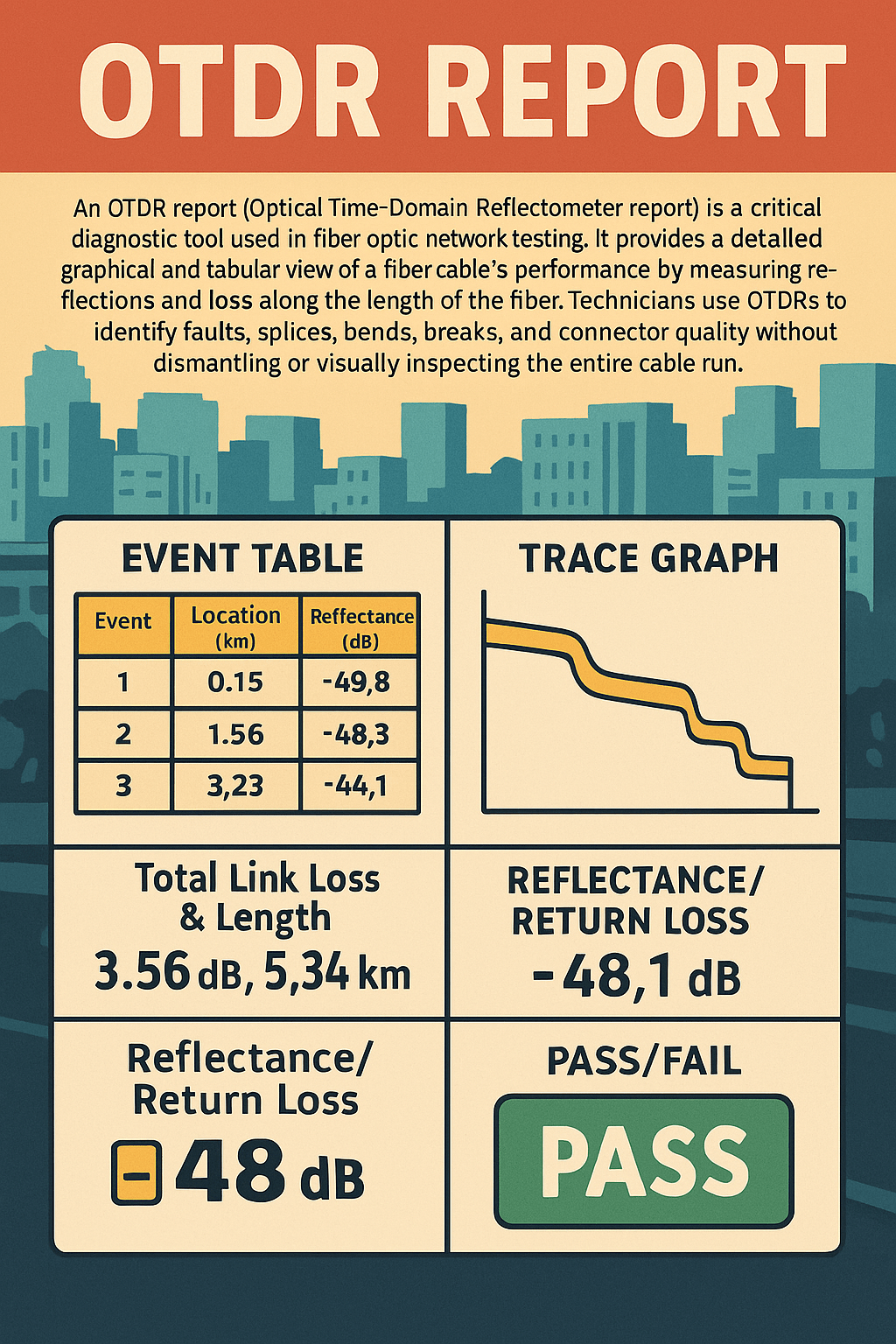
An OTDR report (Optical Time-Domain Reflectometer report) serves as a vital tool for technicians working with fiber optic networks by offering a non-intrusive method to assess fiber integrity. OTDRs send a series of light pulses down the fiber and measure the light that is reflected back due to scattering or changes in the fiber medium,…
-

RAM (Random Access Memory) does NOT use flash memory. RAM is a type of volatile memory, meaning it loses its contents when power is turned off. It’s designed for speed, handling temporary data storage for running applications and system processes in real time. Common types of RAM include DDR4 and DDR5, and it’s critical for…
-
Wi-Fi 5, also known by its IEEE standard 802.11ac, was introduced in 2013 and became the dominant wireless standard for high-speed consumer and enterprise networking. Operating exclusively on the 5 GHz frequency band, Wi-Fi 5 offered major improvements over its predecessor, 802.11n (Wi-Fi 4), by introducing wider channels (up to 160 MHz), MU-MIMO (Multi-User, Multiple…
-
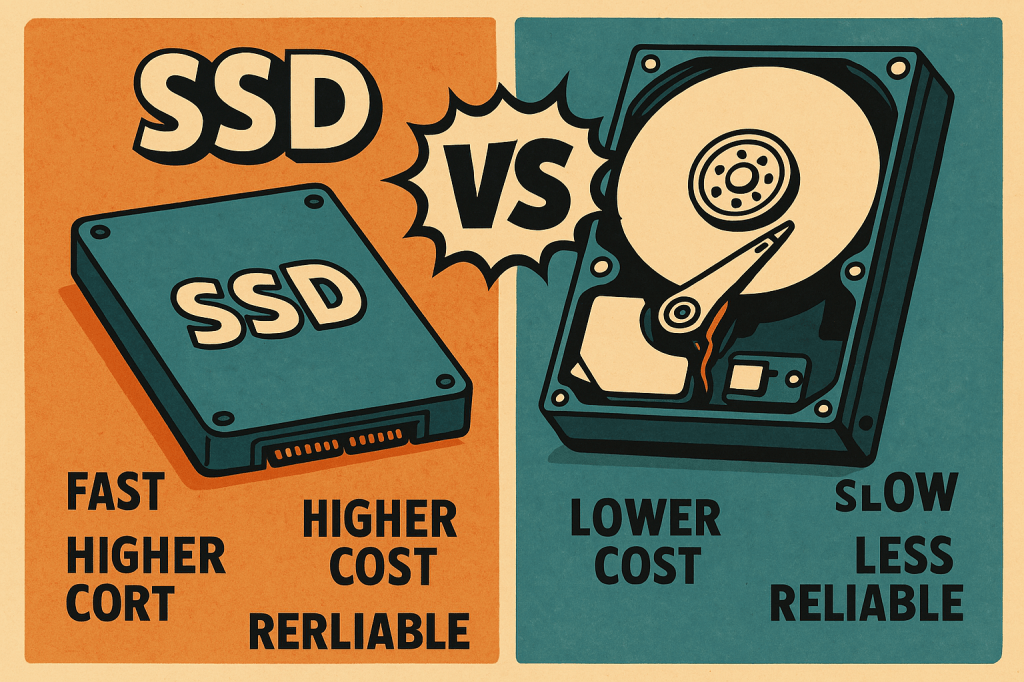
Solid-State Drives (SSDs) and Hard Disk Drives (HDDs) are two primary forms of internal and external storage used in desktops, laptops, and servers, each with distinct characteristics. SSDs store data on flash memory chips, offering lightning-fast read/write speeds, lower latency, and greater durability due to the absence of moving parts. They’re ideal for operating systems,…
-
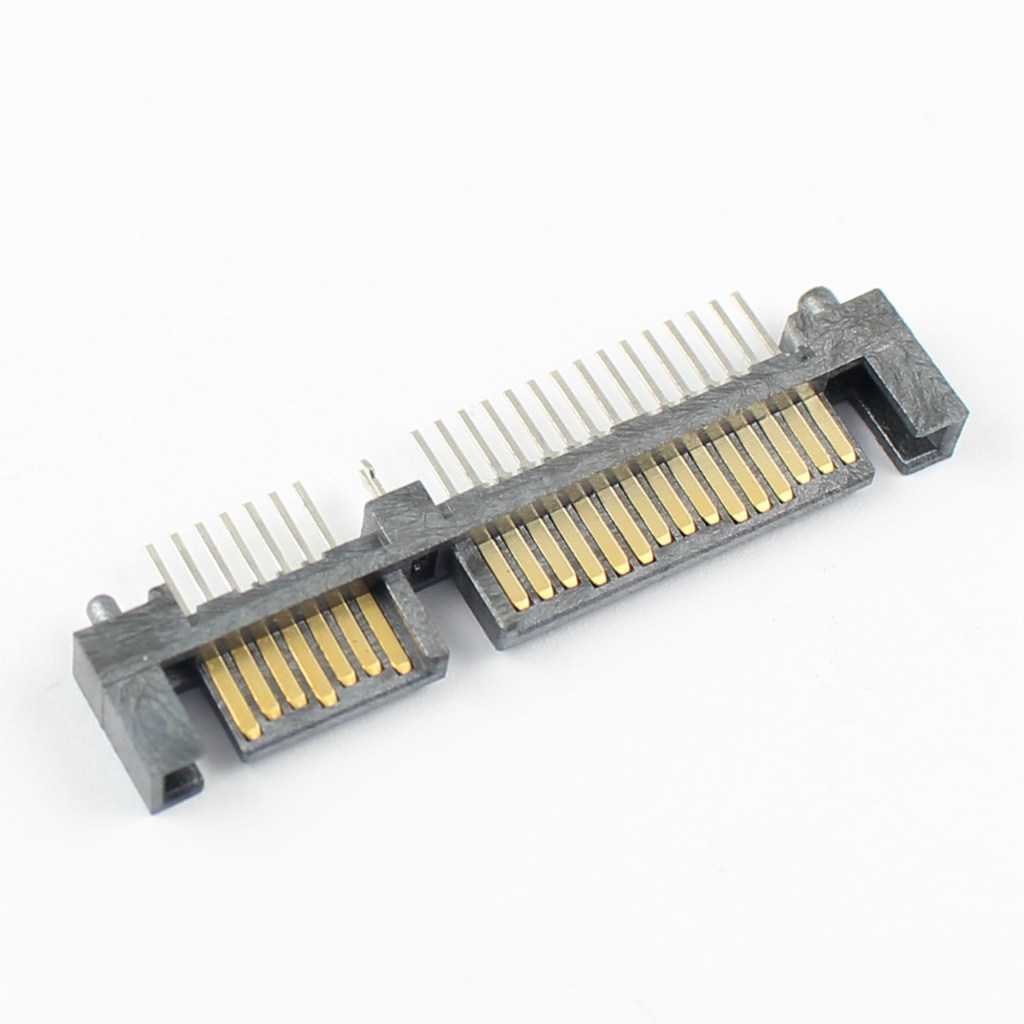
SATA (Serial ATA) hard drives are widely used for internal storage in desktops and laptops, offering a balance of performance and cost for general computing tasks. Introduced as a replacement for older PATA (Parallel ATA) drives, SATA provides faster data transfer speeds and thinner cables for improved airflow within the system chassis. The most common…
-
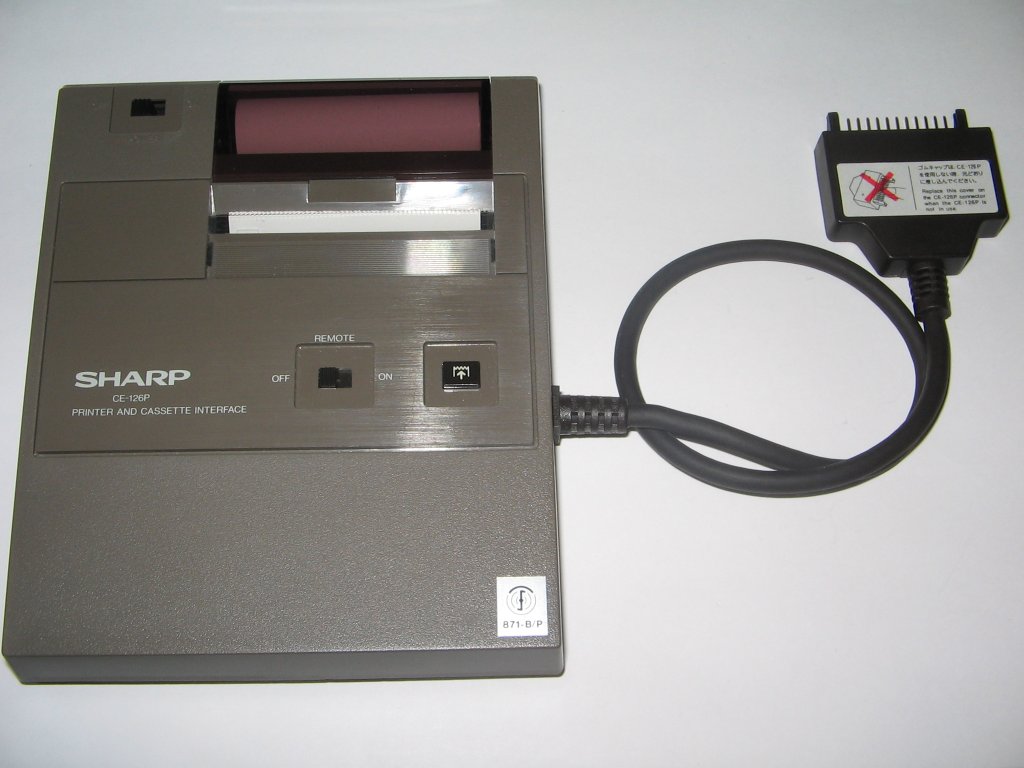
Thermal printers use heat-sensitive paper and a heated print head to produce images or text, making them ideal for quiet, low-maintenance printing in point-of-sale systems, kiosks, and receipt printers. Unlike inkjet or laser printers, they require no ink or toner, only specially coated thermal paper that darkens when exposed to heat. Because they have fewer…
-
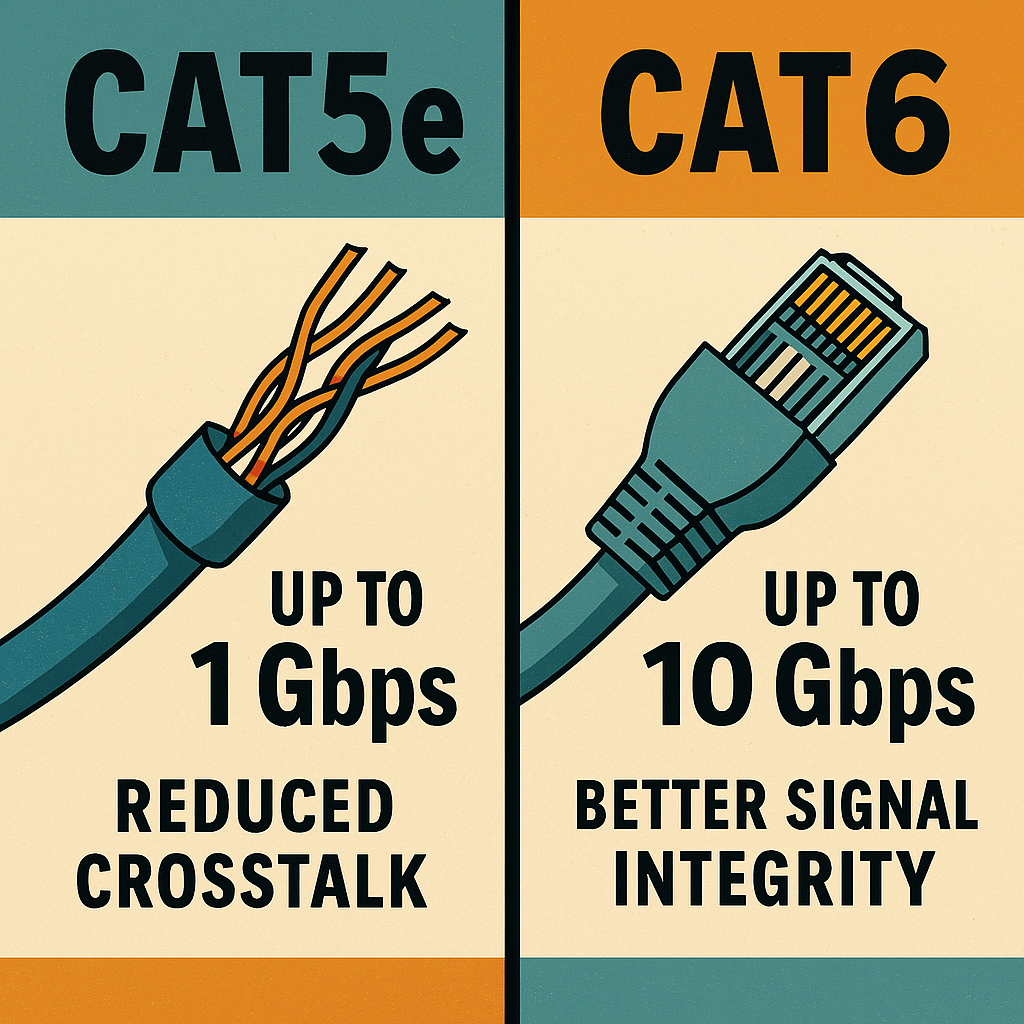
Cat5e (Category 5 Enhanced) and Cat6 (Category 6) Ethernet cables are both unshielded twisted pair (UTP) standards used for wired networking, but they differ in terms of performance, shielding, and signal integrity. Cat5e supports speeds up to 1 Gbps over distances of up to 100 meters and is commonly used in residential networks and small…
-

Power supplies are essential hardware components responsible for converting alternating current (AC) from a wall outlet into direct current (DC) usable by internal computer components. The most common type is the ATX power supply, used in desktops, which typically comes in standard wattage ratings like 400W, 500W, 750W, and up. Power supplies vary in size,…
-

RJ45 and RJ11 connectors are both modular connectors used in networking and telecommunications, but they serve distinct purposes and are not interchangeable. RJ45 connectors are used primarily for Ethernet networking and support 8 pins, which allows them to handle twisted-pair cabling for 10/100/1000 Mbps Ethernet (and beyond). They’re most often seen terminating Cat5e, Cat6, and…
-
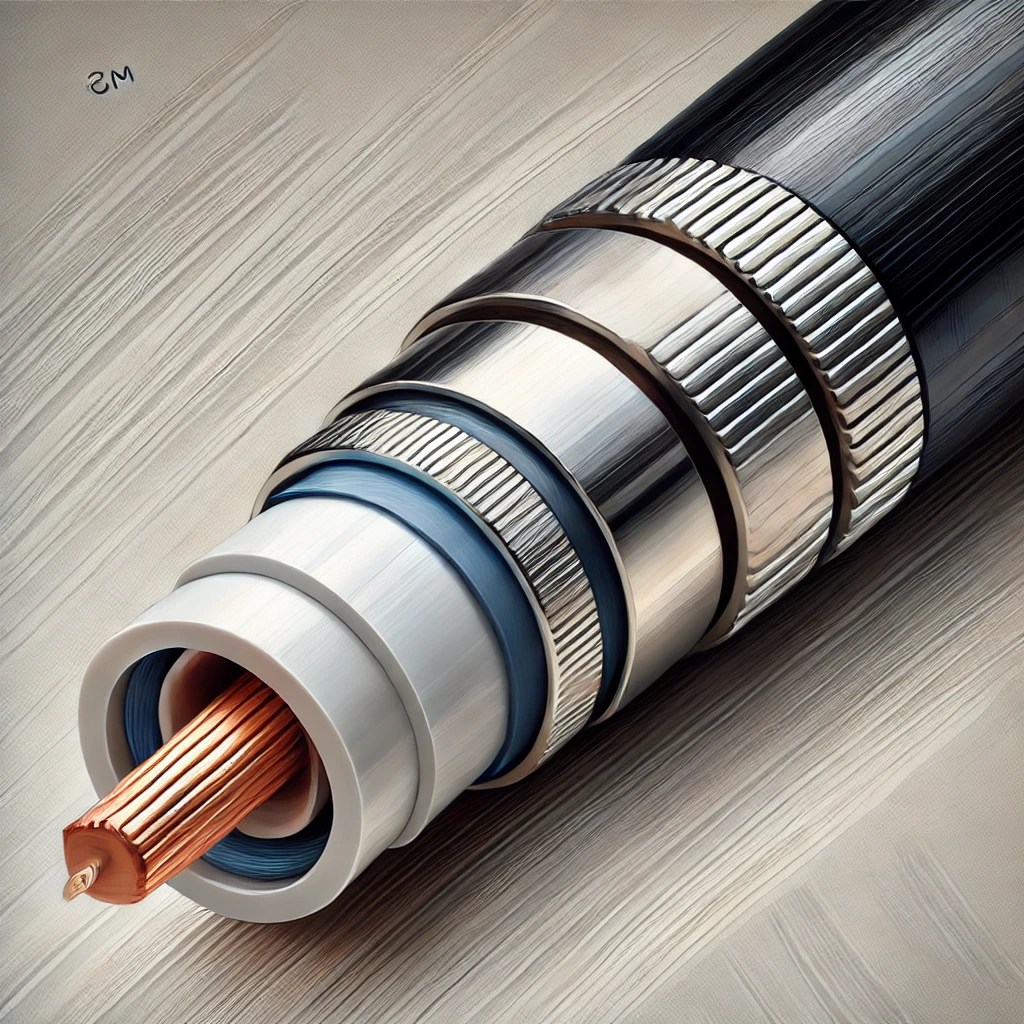
Coaxial cabling is a type of electrical cable used to transmit high-frequency signals, commonly found in applications such as cable television, broadband internet, and radio communication. Its structure includes a central conductor (typically copper) that carries the signal, surrounded by an insulating layer, a metallic shield to reduce electromagnetic interference (EMI), and an outer plastic…
-
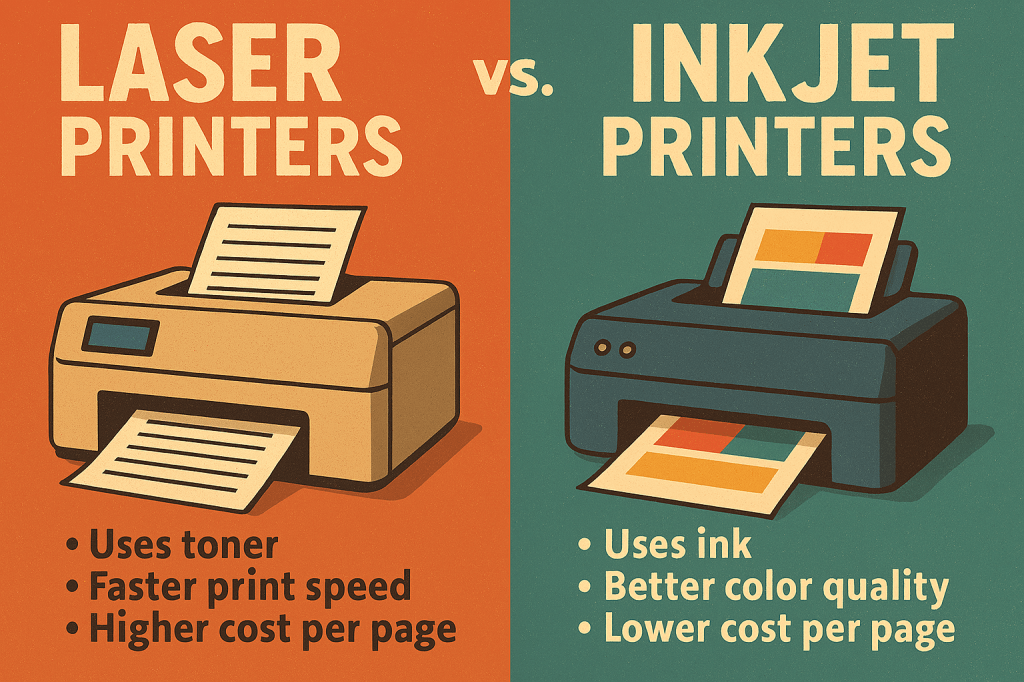
Laser printers and inkjet printers serve similar functions—producing printed output from digital sources—but differ significantly in technology, performance, and cost. Laser printers use a laser beam and toner (powdered ink) fused to the paper using heat, making them ideal for high-volume, fast, and sharp text printing. They are cost-effective per page and commonly used in…
-
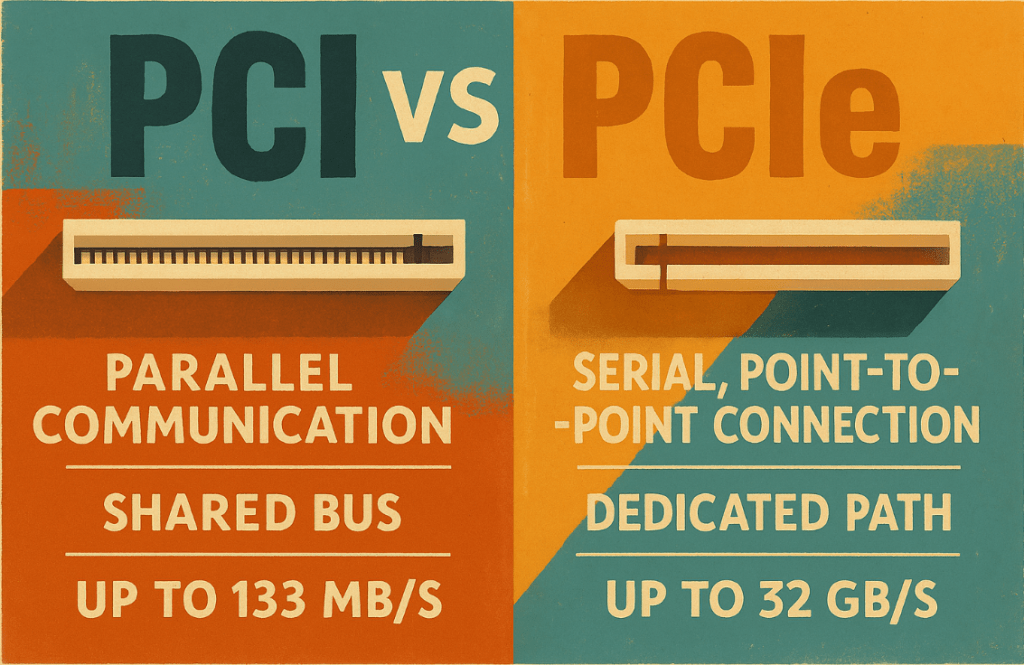
PCI (Peripheral Component Interconnect) and PCIe (PCI Express) are both expansion bus standards used to connect internal hardware components like network cards, sound cards, or GPUs to the motherboard—but their architectures and performance differ greatly. PCI is a parallel communication interface introduced in the early 1990s, capable of transferring data at speeds up to 133…

