Trending News
-

Mobile device issues are diverse and may involve power problems, unresponsive screens, charging failures, or connectivity issues. The first step is verifying the basics—does the device power on, is the battery charged, and is the power adapter functioning correctly? A common issue is a dead battery or a faulty charging cable, which can easily be…
-

In March 2025, U.S. inflation decreased more than anticipated, with the Consumer Price Index (CPI) rising 2.4% year-over-year, down from 2.8% in February and below the projected 2.6%. The Core CPI, which excludes volatile food and energy prices, increased by 2.8%, marking its lowest annual rise since March 2021. Key Highlights: Monthly Decline: The CPI…
-
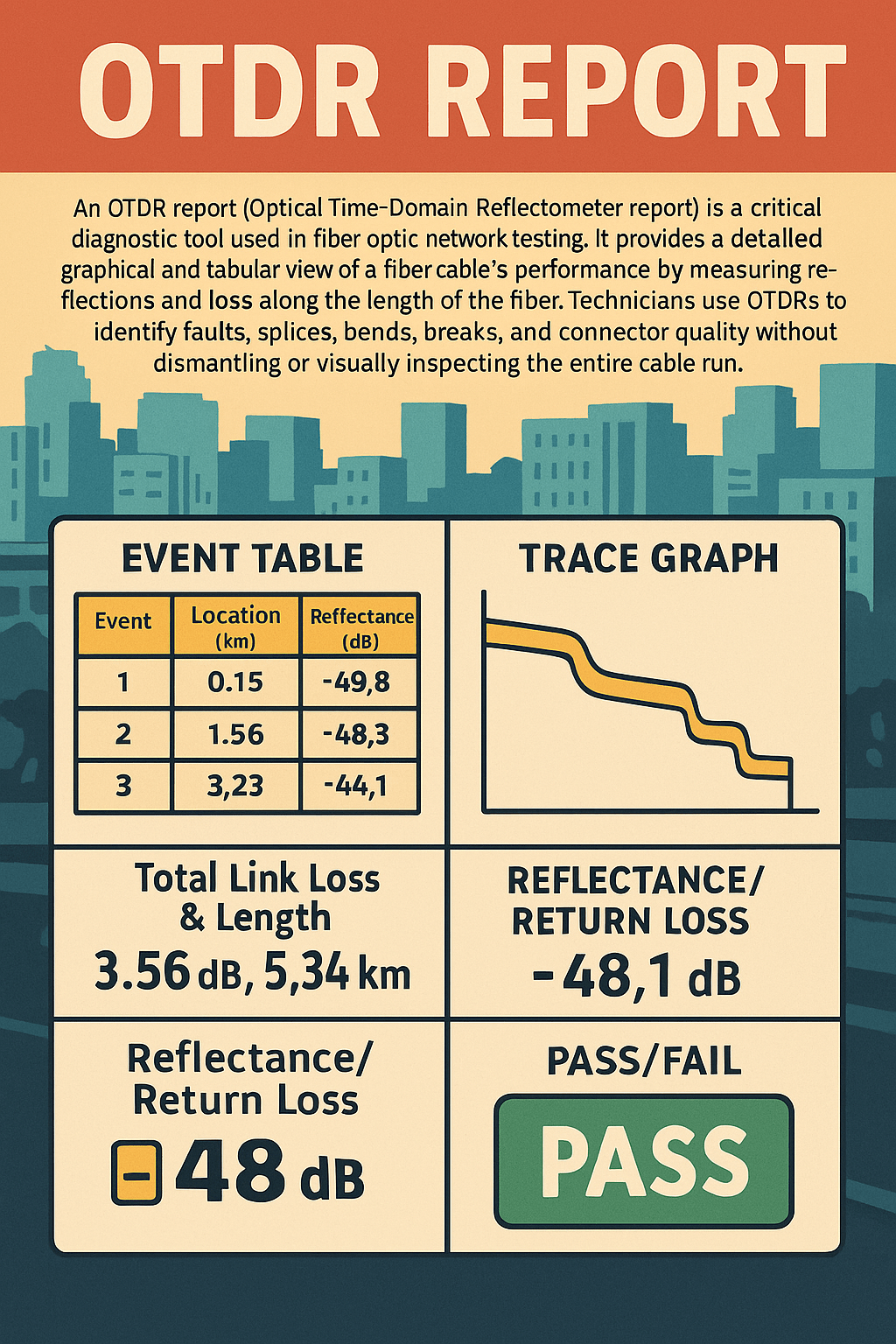
An OTDR report (Optical Time-Domain Reflectometer report) serves as a vital tool for technicians working with fiber optic networks by offering a non-intrusive method to assess fiber integrity. OTDRs send a series of light pulses down the fiber and measure the light that is reflected back due to scattering or changes in the fiber medium,…
-

RAM (Random Access Memory) does NOT use flash memory. RAM is a type of volatile memory, meaning it loses its contents when power is turned off. It’s designed for speed, handling temporary data storage for running applications and system processes in real time. Common types of RAM include DDR4 and DDR5, and it’s critical for…
-

Tether Holdings Ltd, the issuer of the world’s largest stablecoin USDT, is actively exploring lending opportunities for commodities traders. The company has engaged in discussions with multiple firms about offering US dollar-denominated loans to support international trade. Tether’s entry into the sector aims to streamline credit provision for commodities such as oil, metals, and food,…
-

Wi-Fi 5, also known by its IEEE standard 802.11ac, was introduced in 2013 and became the dominant wireless standard for high-speed consumer and enterprise networking. Operating exclusively on the 5 GHz frequency band, Wi-Fi 5 offered major improvements over its predecessor, 802.11n (Wi-Fi 4), by introducing wider channels (up to 160 MHz), MU-MIMO (Multi-User, Multiple…
-

The 802.11 wireless standards represent a series of specifications developed by the IEEE for wireless local area networking (WLAN). The original 802.11 standard, established in 1997, supported data rates up to 2 Mbps in the 2.4 GHz frequency band but quickly became obsolete. The 802.11a standard, released in 1999, introduced operation in the 5 GHz…
-
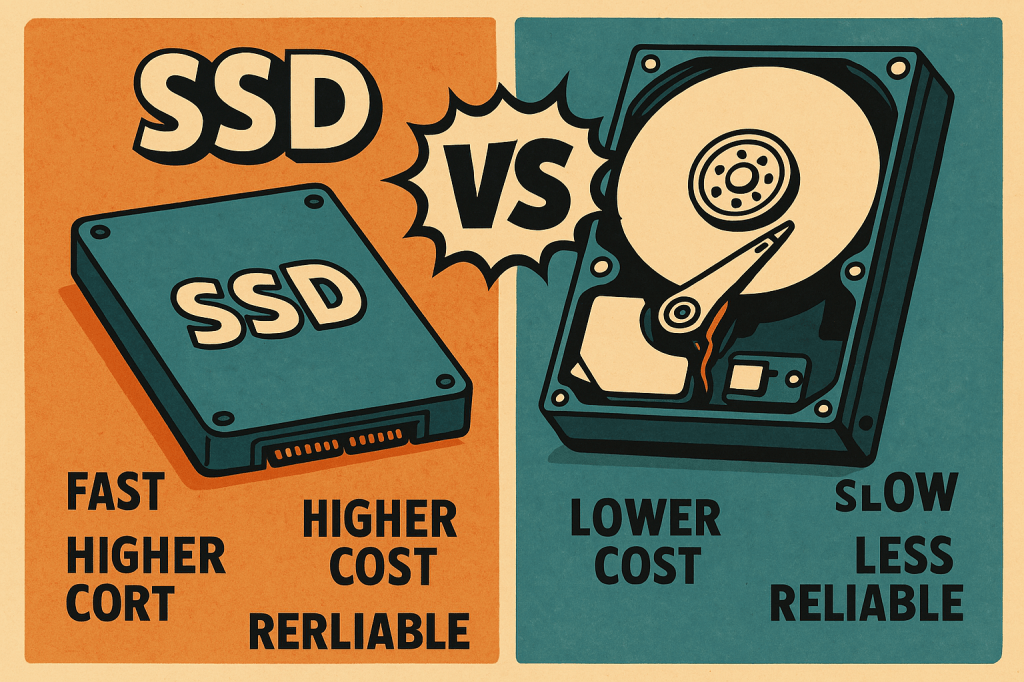
Solid-State Drives (SSDs) and Hard Disk Drives (HDDs) are two primary forms of internal and external storage used in desktops, laptops, and servers, each with distinct characteristics. SSDs store data on flash memory chips, offering lightning-fast read/write speeds, lower latency, and greater durability due to the absence of moving parts. They’re ideal for operating systems,…
-
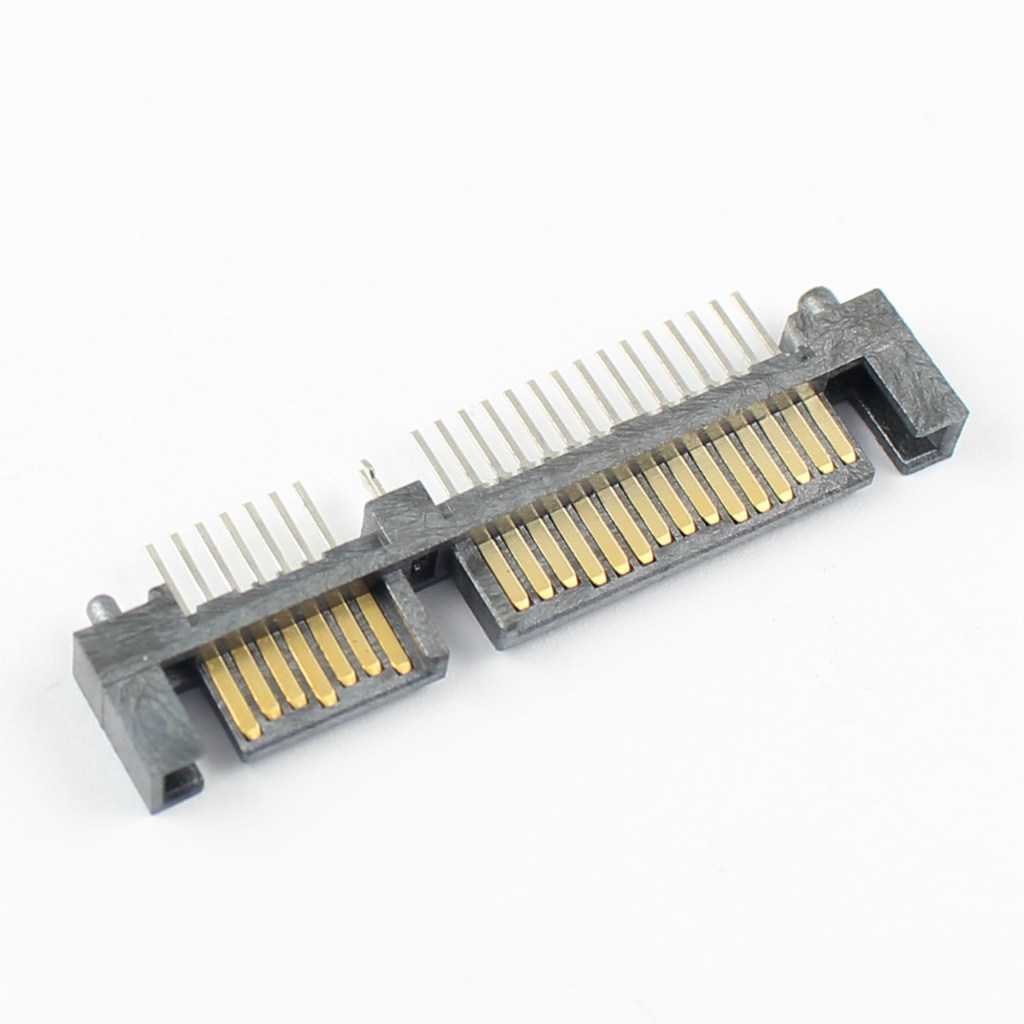
SATA (Serial ATA) hard drives are widely used for internal storage in desktops and laptops, offering a balance of performance and cost for general computing tasks. Introduced as a replacement for older PATA (Parallel ATA) drives, SATA provides faster data transfer speeds and thinner cables for improved airflow within the system chassis. The most common…
-
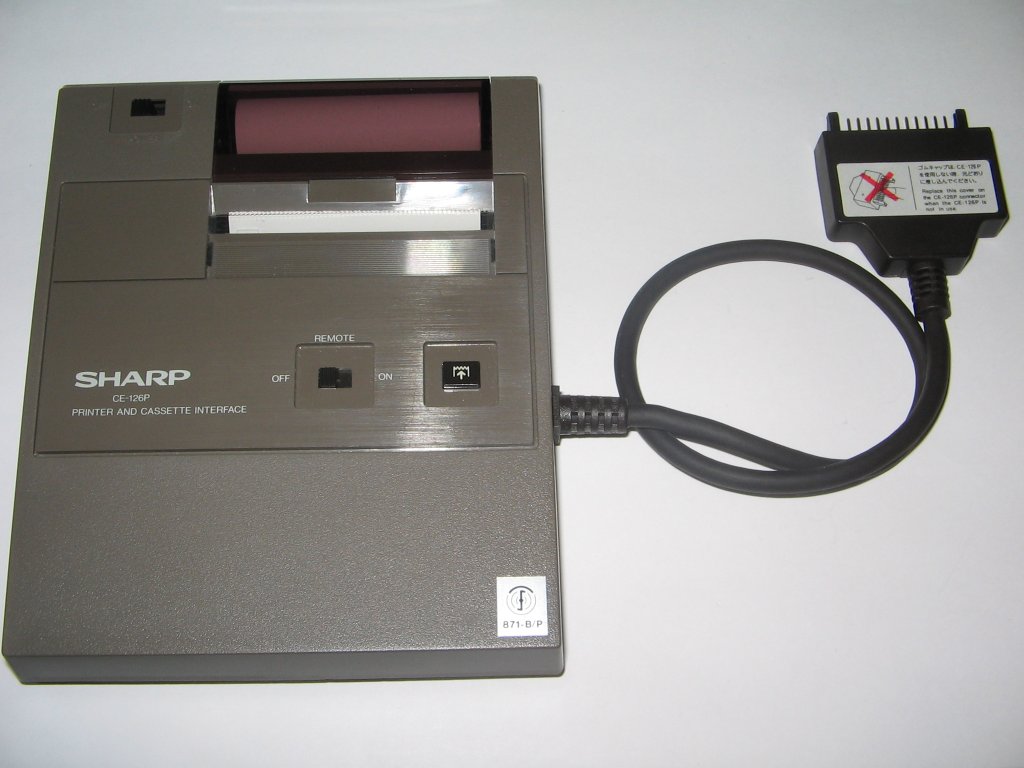
Thermal printers use heat-sensitive paper and a heated print head to produce images or text, making them ideal for quiet, low-maintenance printing in point-of-sale systems, kiosks, and receipt printers. Unlike inkjet or laser printers, they require no ink or toner, only specially coated thermal paper that darkens when exposed to heat. Because they have fewer…
-

Apple Flies in iPhones to Dodge New Tariffs Ahead of April 5 Deadline
-

Bitcoin Advocate Anthony Pompliano offered a comprehensive take on the evolving tariff landscape, suggesting that geopolitical tensions between the U.S. and China are reshaping global market expectations. In a recent post, he emphasized that China’s response—possibly involving the sale of U.S. Treasury holdings—could influence rising yields on the 10-year note, prompting the Federal Reserve to…

