Trending News
-

A lattice atom refers to an atom that occupies a regular, repeating position within the crystal lattice of a solid material. In crystalline solids, atoms are arranged in a highly ordered structure known as a lattice, where each atom is situated at a specific point defined by the geometry of the unit cell. These lattice…
-

Michael Saylor, executive chairman of Strategy, has forecast that Bitcoin could reach $13 million per coin by 2045, implying a network value approaching $280 trillion. In interviews with CNBC, Saylor argued that Bitcoin could capture roughly 7 percent of global capital markets, far above its current share of global wealth. His projection assumes large scale…
-

In semiconductors, a substrate is the foundational material—typically a thin, flat wafer of crystalline silicon or another semiconductor—that serves as the base upon which electronic devices and integrated circuits are built. The substrate provides mechanical support and establishes the crystal lattice structure that determines the electrical properties of the devices fabricated on it. During manufacturing,…
-
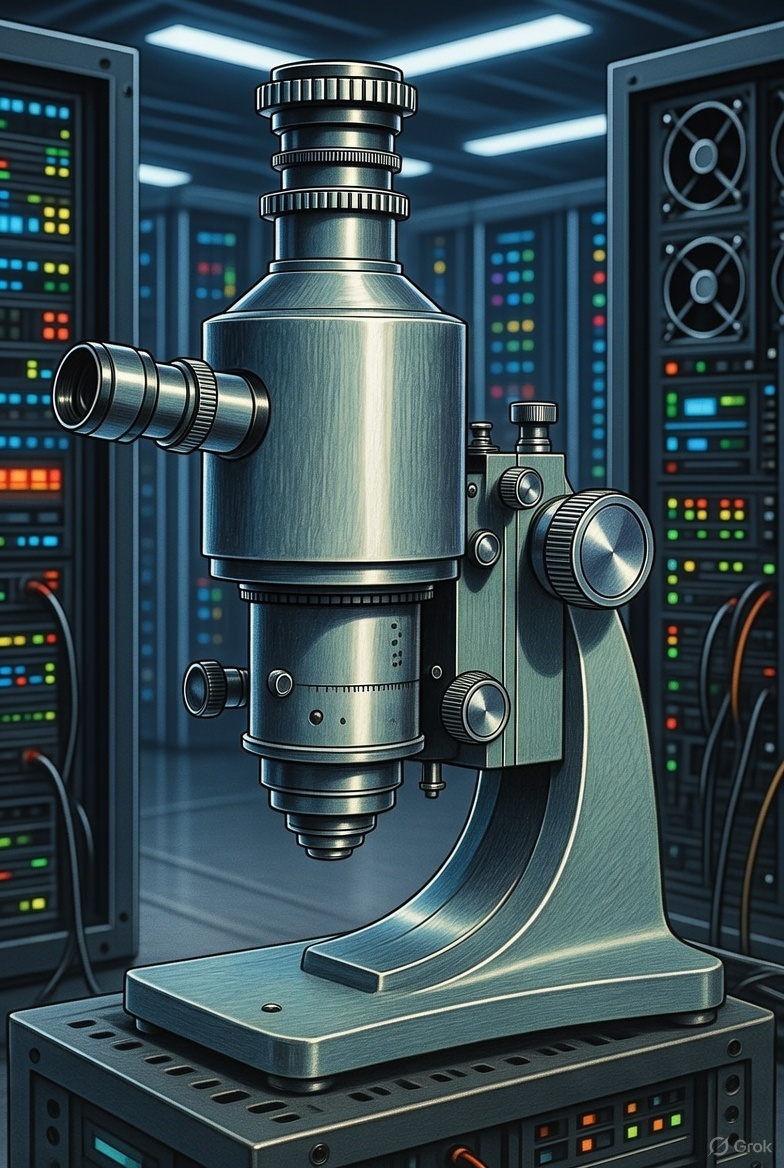
Wavelength Dispersive Spectroscopy (WDS) is an analytical technique used in electron microscopy to determine the elemental composition of materials with high precision. In WDS, characteristic X-rays emitted from a sample are diffracted by a crystal and separated based on their wavelength before being detected. This method provides excellent spectral resolution, allowing researchers to distinguish between…
-

It will take some time to figure out if tracking the energy efficiency and computational power progression of the bitcoin ASIC Mining Machine has anything to do with the anticipated value of bitcoin. Under the current parameters of the model, Power Efficiency Theory suggests that Bitcoin could approach roughly $2-$3 million per coin by 2045,…
-
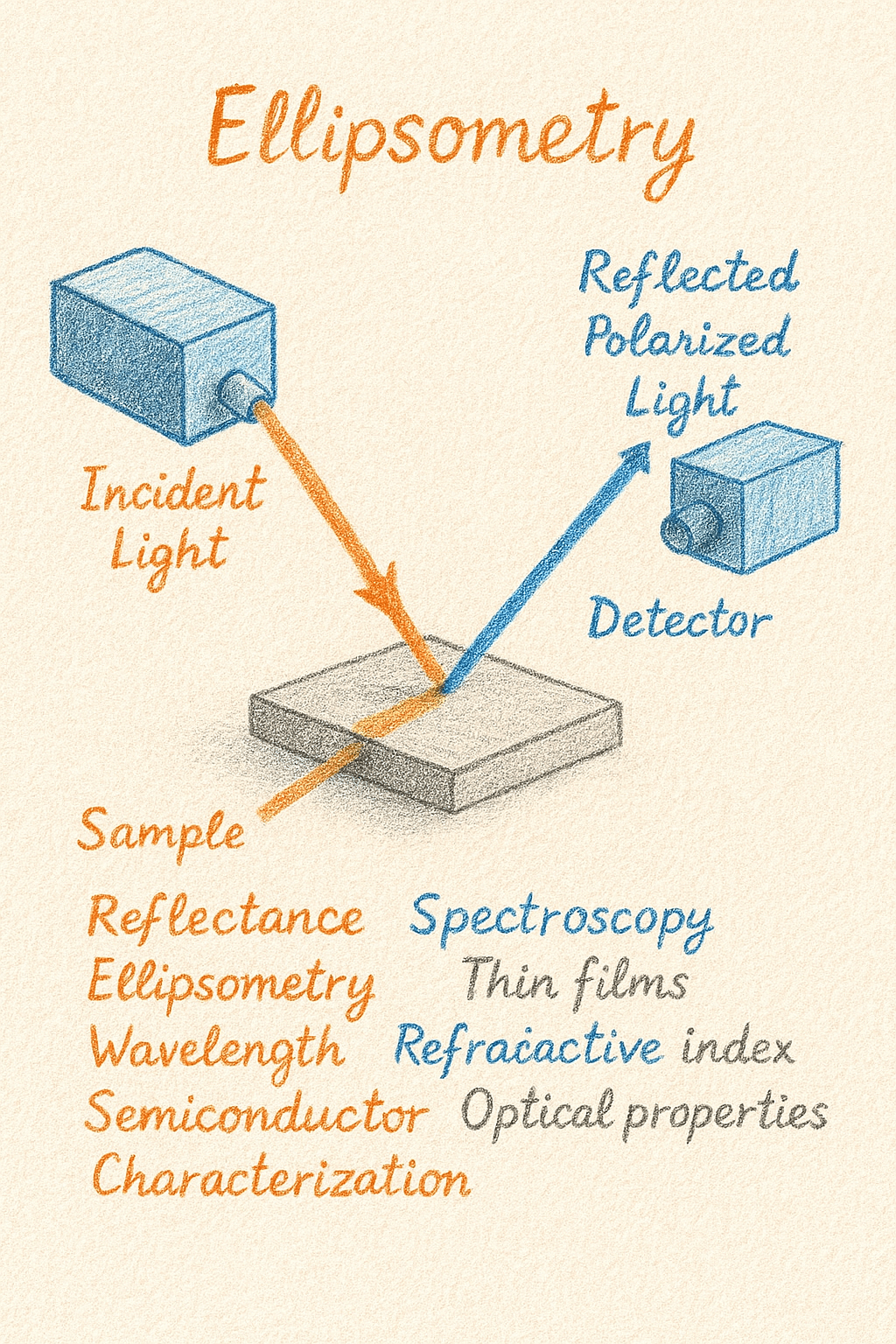
Ellipsometry is an advanced optical technique used to characterize thin films and surfaces by analyzing changes in the polarization of light upon reflection or transmission. In practice, a beam of polarized light is directed at a material, and the reflected or transmitted light undergoes a change in polarization that is measured as two parameters: the…
-

How do you anticipate failure? How can one prepare for something bad that’s going to happen, but you just don’t know when? A spiritual shield is a healthy start. But what does that spiritual shield look like on the ground in real life? Perhaps your spiritual shield on the ground looks like an if-then, sequential…
-
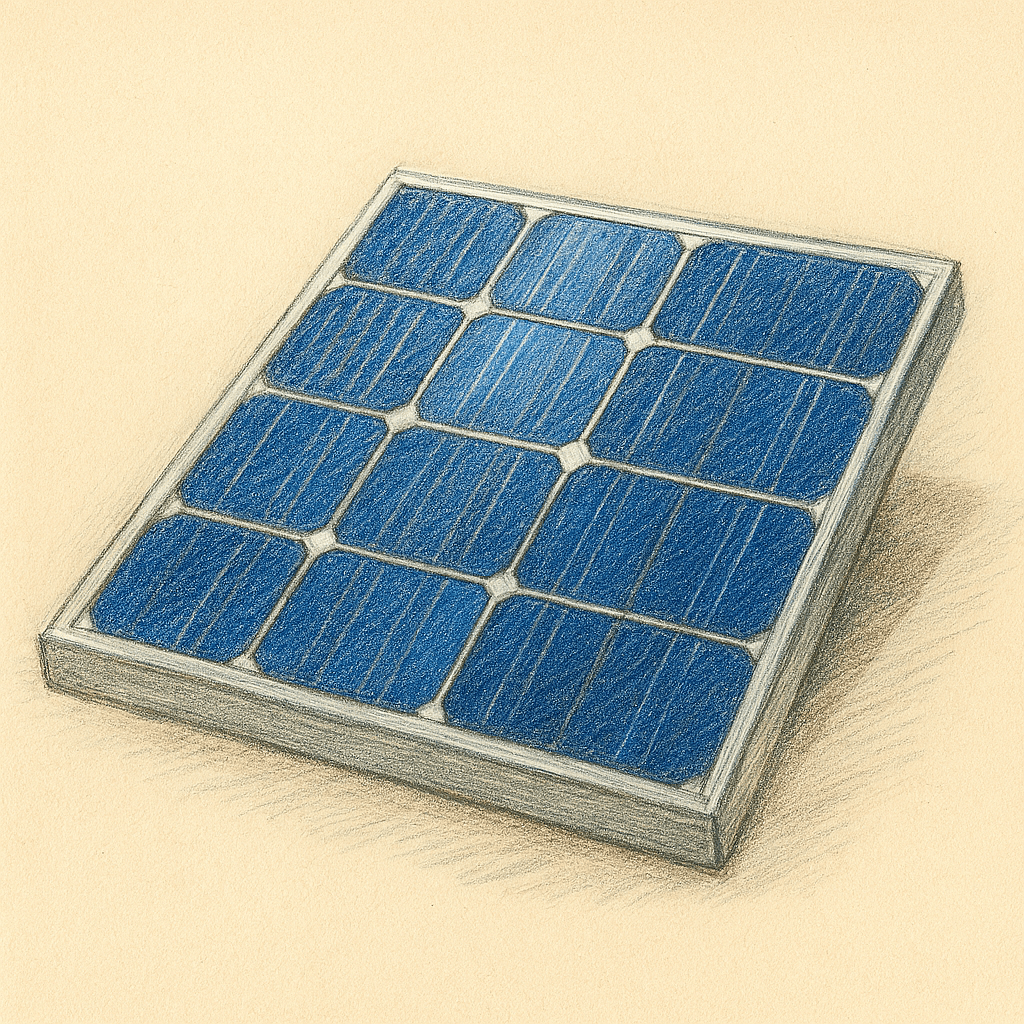
Solar cell roughness characterization is the process of analyzing and quantifying the surface texture of photovoltaic materials to understand how microscopic topographical features influence optical and electrical performance. The surface of a solar cell—whether crystalline silicon, thin-film, or emerging materials like perovskites—plays a critical role in determining how light interacts with the device. Controlled roughness…
-
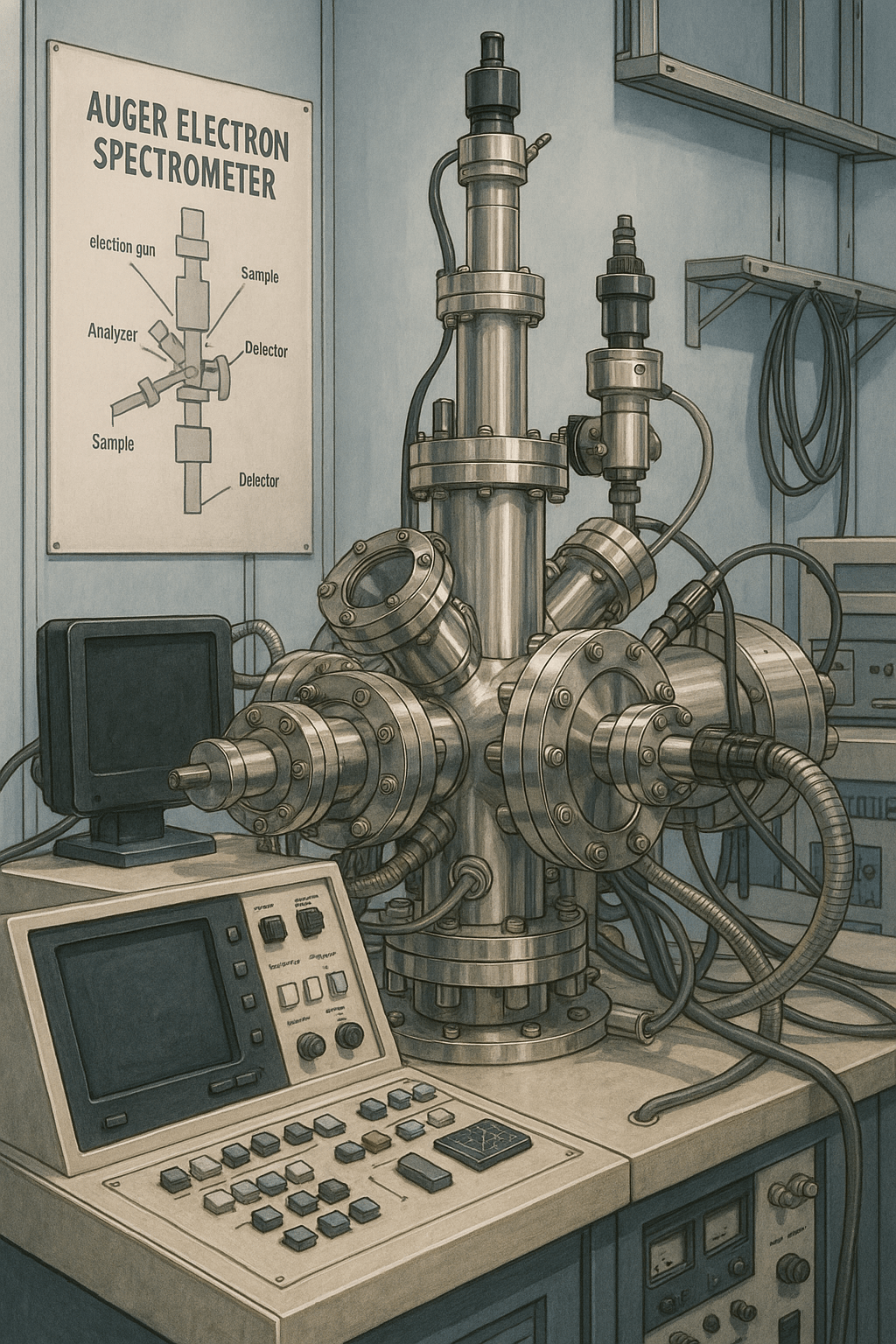
Auger electron emission is a physical process that occurs when an atom with a vacancy in one of its inner electron shells undergoes relaxation. After the removal of a core electron—typically by an incident high-energy electron or X-ray photon—an electron from a higher energy level drops down to fill the vacancy. The excess energy released…
-
Auger Electron Spectroscopy (AES) is a powerful surface-sensitive analytical technique widely used in materials science to investigate the elemental composition of the outermost atomic layers of a sample. Unlike bulk characterization methods, AES focuses specifically on the top few nanometers of a material, making it invaluable for studying thin films, coatings, and surface modifications. The…
-

SIMS (Secondary Ion Mass Spectrometry) instrumentation is designed to analyze the surface composition of materials by detecting ions ejected from the surface. The system includes a primary ion source that fires a focused beam of ions (like gallium or cesium) onto the sample. This bombardment knocks atoms and molecules off the surface, some of which…
-
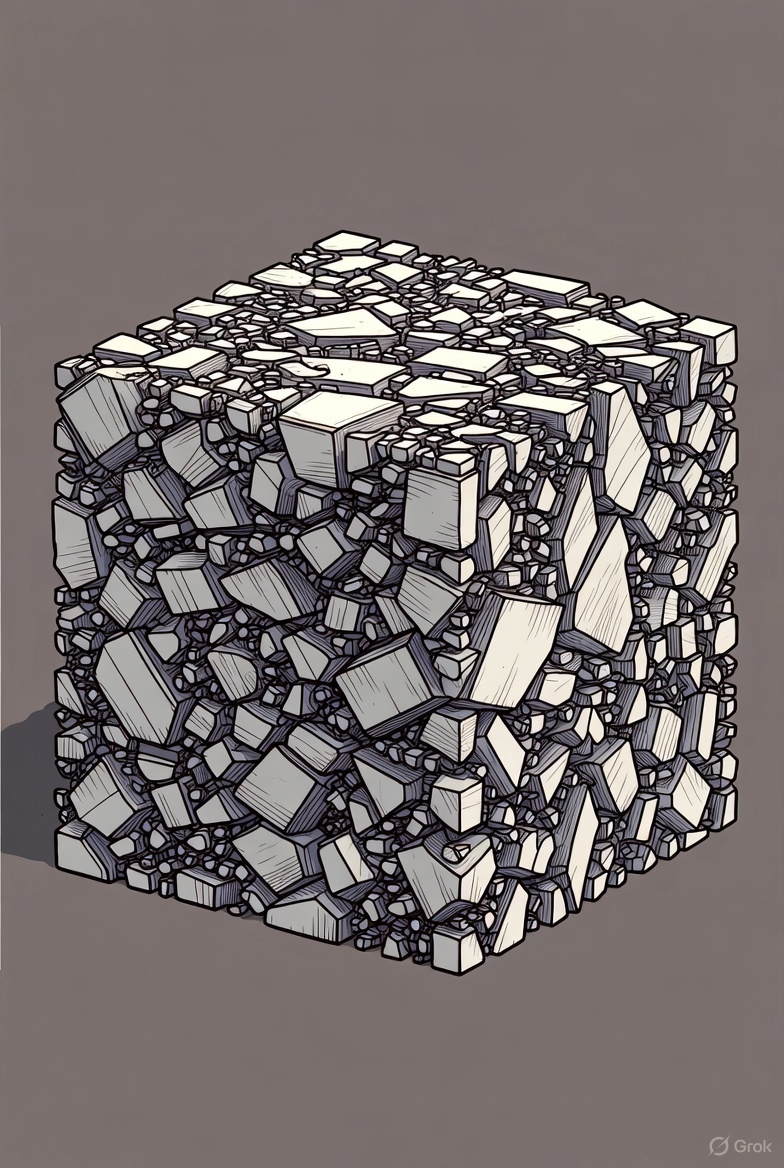
Polycrystalline silicon, often called poly-si, is a special material used to build the tiny pathways inside computer chips. Its main job is to control the flow of electricity, and a key property it has is called resistance. Resistance is how much a material slows down or fights against the electric current. Think of it like trying…

