
Power supply units (PSUs) are crucial for the operation of computer systems, converting alternating current (AC) from wall outlets into direct current (DC) that the computer components require. These units come in various forms, each with its unique features and applications, ensuring efficient and reliable power delivery to the system.
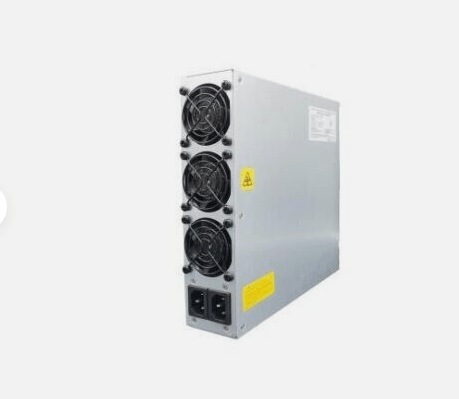
The efficiency of a power supply is a critical aspect, with the 80 PLUS certification being a standard for measuring PSU efficiency. This certification ensures that power supplies achieve at least 80% efficiency at various loads, with higher certification levels like Bronze, Silver, Gold, and Platinum offering even greater efficiency. This not only contributes to energy savings but also reduces heat output, enhancing the overall system stability and lifespan.
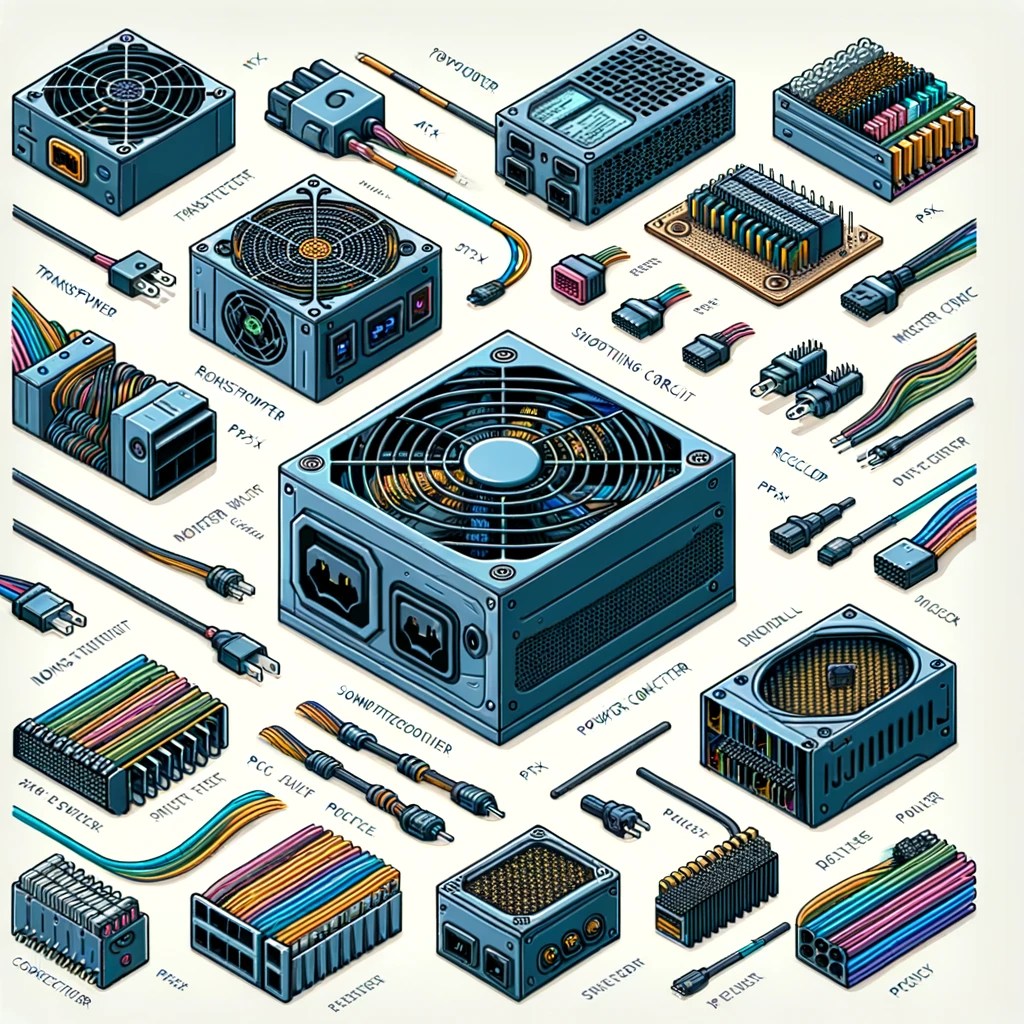
Power supplies are designed to handle different voltage ranges, typically 110-120V or 220-240V, adapting to the standards of various countries. Modern PSUs may include a switch to select the appropriate voltage or automatically adjust to the correct voltage, ensuring compatibility and preventing damage. Furthermore, PSUs maintain a small amount of power flow even when the system is off, necessitating proper disconnection from AC power during maintenance to avoid electric shock or damage.
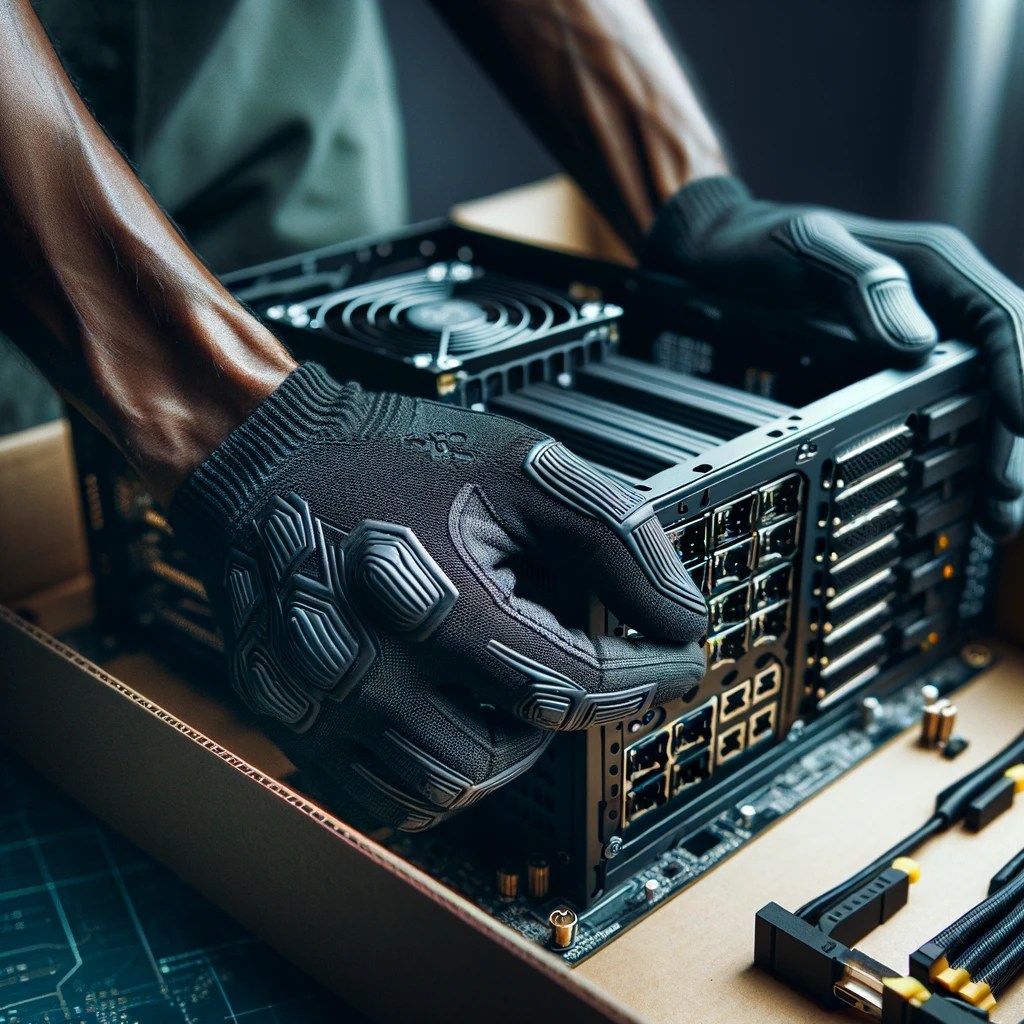
Connectivity is another vital factor, with PSUs featuring various connectors to support different motherboard and peripheral types. The most common connectors are the 20-pin and 24-pin for motherboards, with additional connectors like the ATX12V for extra 12V power and PCIe for high-performance video cards. Ensuring compatibility between the PSU connectors and system components is essential for a successful and safe build.
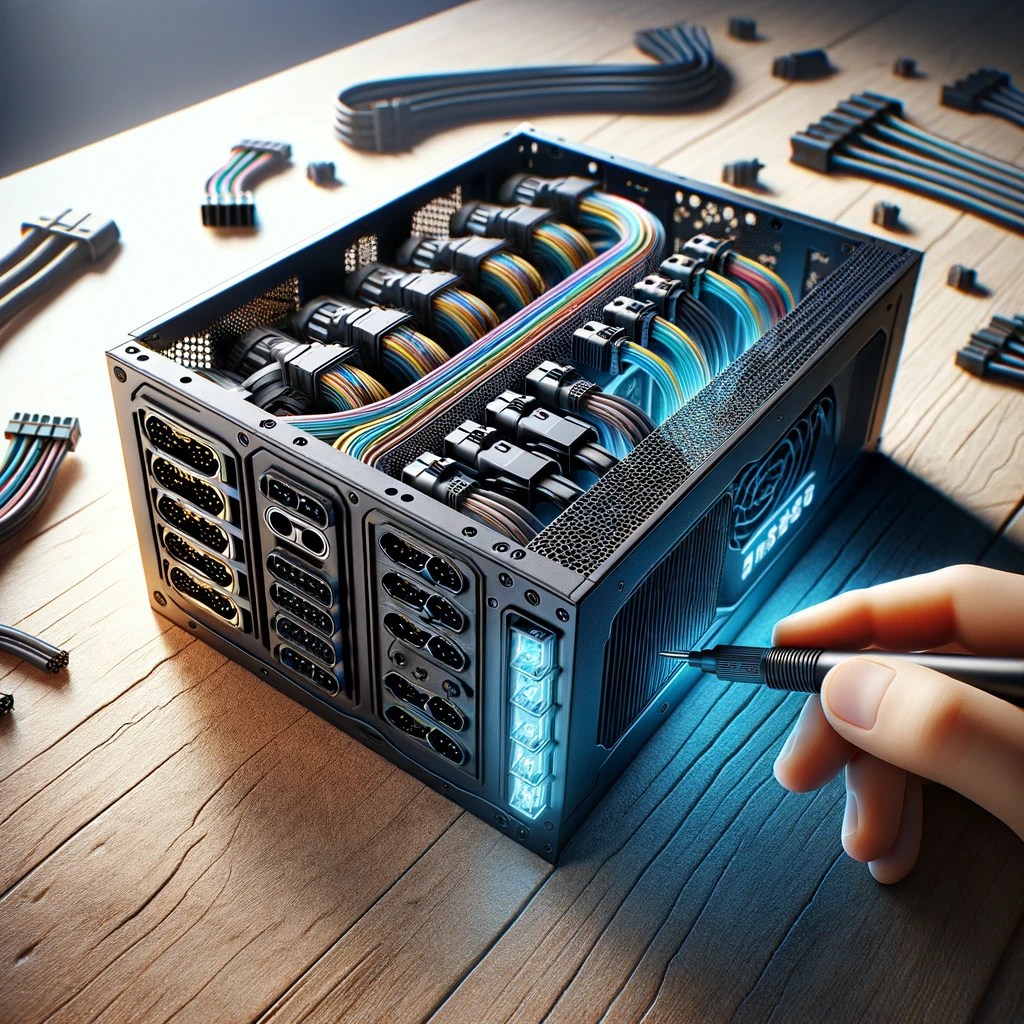
The technology behind PSUs has evolved, offering different types, including switching and linear models. Switching power supplies, used in computers, are praised for their efficiency, minimal heat generation, and compact size, making them preferable for most applications. They operate by requiring a load, usually provided by the motherboard, to function correctly. Unintentionally powering a PSU without a load can lead to damage, highlighting the importance of proper setup and connectivity.
Further diversifying the PSU landscape are linear regulated power supplies, switching mode power supplies (SMPS), programmable power supplies, and uninterruptible power supplies (UPS). Each type serves distinct purposes, from providing precise voltage regulation in linear models to offering backup power in UPS systems to prevent data loss during outages.
The choice of power supply affects not only the efficiency and reliability of a computer system but also its potential for expansion and upgradeability. Understanding the various types of PSUs, their efficiency certifications, and the importance of compatibility with system components is crucial for IT professionals, enthusiasts, and anyone involved in building or maintaining computer systems.
Disclaimer: Bitcoin Versus is not a financial advisor. This media platform reports on financial subjects purely for educational and entertainment purposes only. The information provided on this platform is not intended as investment, tax, legal, or other professional advice. You should not rely on this information as a substitute for individual advice from a licensed professional. Do your own due diligence and contact a professional financial advisor for any advice on how to invest your money.

 Bitcoin Versus
Leave a comment