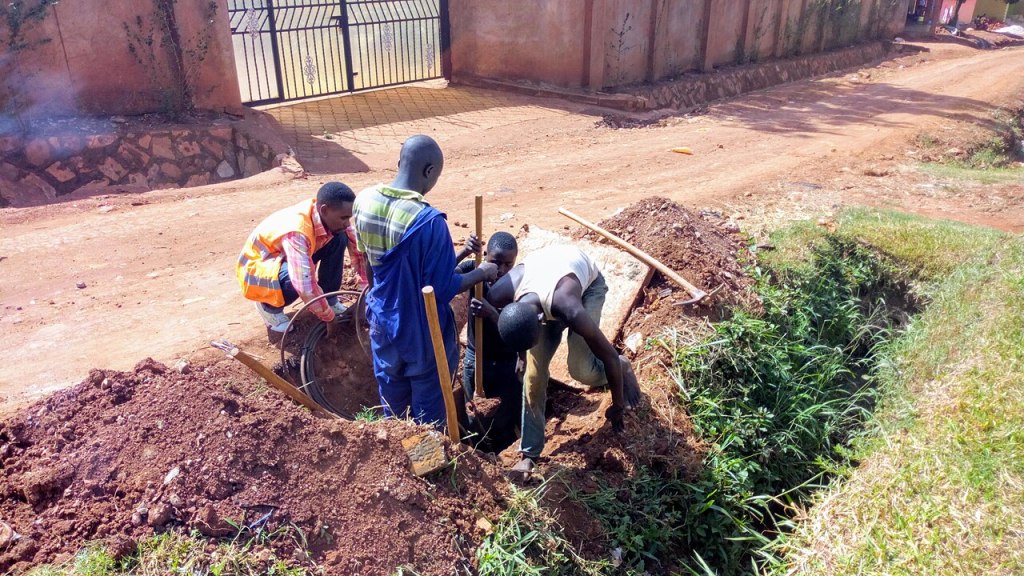
Mali and Senegal have connected their national fiber-optic backbones at the Kidira–Diboli border, creating a new cross-border route for data traffic between the two West African countries.
The link was inaugurated on October 5 by Mali’s state-owned SMTD-SA and Sénégal Numérique. Mali’s government says the connection is part of the West African National Backbone Network and is intended to add redundancy, lower dependence on single routes and improve regional digital resilience. Senegal’s APS news agency independently confirmed the inauguration.
SMTD says its domestic network already spans more than 3,500 kilometers of fiber across Mali. Connecting that backbone directly to Senegal gives landlocked Mali another path toward international networks reached through Senegal and creates an alternate route if another terrestrial corridor fails. Sénégal Numérique documented the connection from the Senegalese side of the border.
The project fits a broader regional push to connect national backbones rather than operate them as isolated networks. For more context, see BitcoinVersus coverage of long-haul fiber routes, wavelength-division multiplexing and submarine internet cables.


Leave a Reply