energy
-

Natural gas energy refers to the energy derived from natural gas, a fossil fuel primarily composed of methane. It is a crucial component of the United States’ energy landscape, serving as a significant source of electricity generation, heating, and fuel for vehicles. Natural gas is often considered a cleaner alternative to other fossil fuels, such…
-
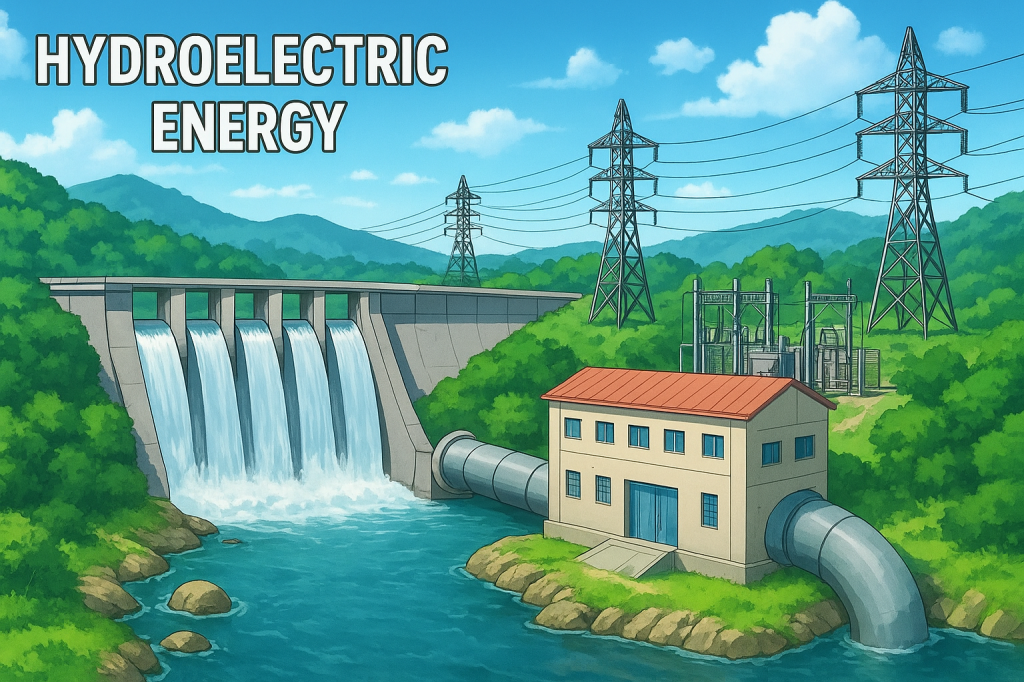
Hydroelectric energy is power produced by capturing the movement of water and converting it into electricity. Water stored in a reservoir or flowing naturally in a river passes through turbines that spin generators. This process transforms the mechanical motion of water into electrical energy through controlled and predictable operation. The system depends on gravity, flow…
-
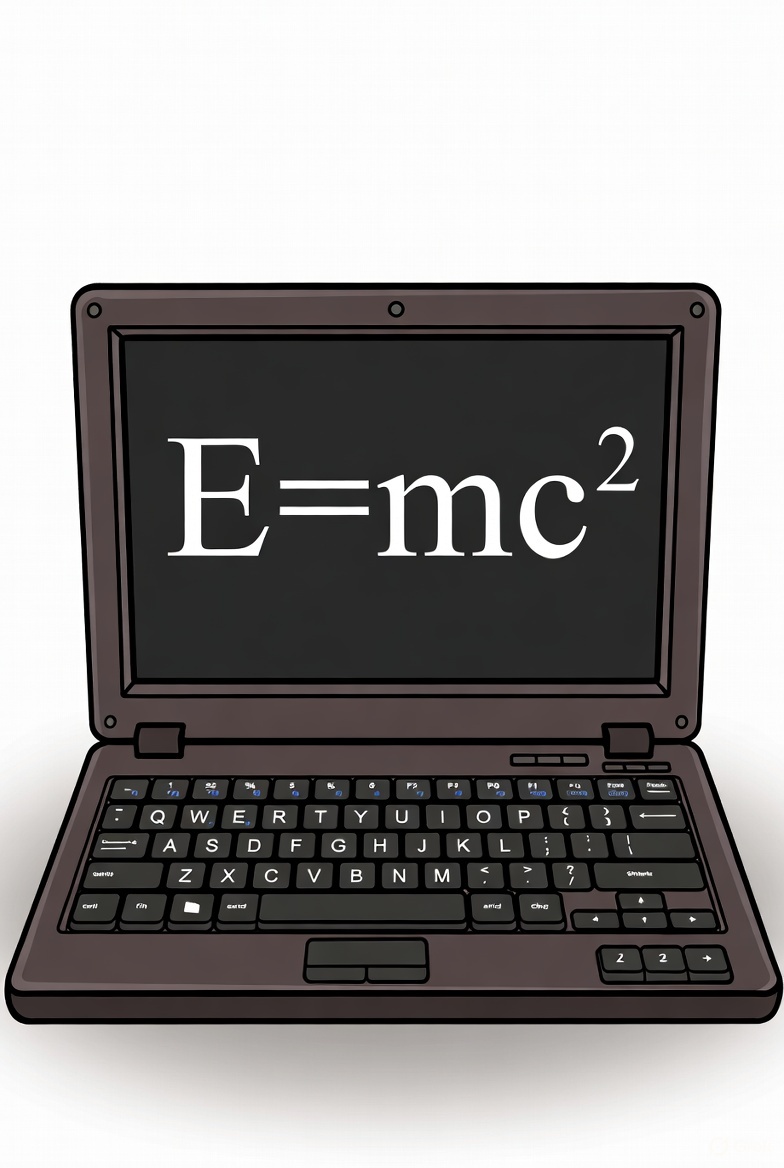
Energy is a fundamental concept in both science and everyday life, representing the capacity to perform work or produce change. It exists in various forms, including kinetic energy, which is the energy of motion, and potential energy, which is stored energy based on an object’s position or state. For instance, a moving car possesses kinetic…
-
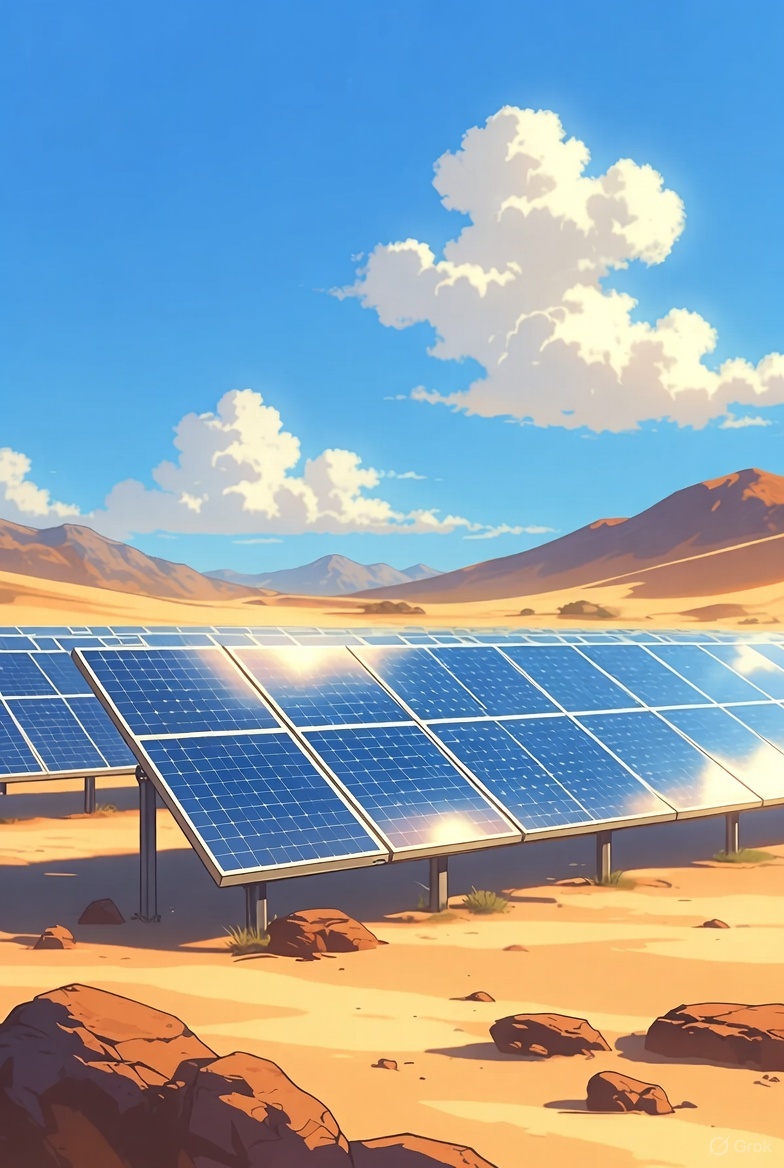
Solar energy is the energy that comes from the sun. It is a renewable source of energy, which means it can be used over and over again without running out. The sun produces an enormous amount of energy every day, and scientists have developed ways to capture and use this energy for various purposes. Solar…
-
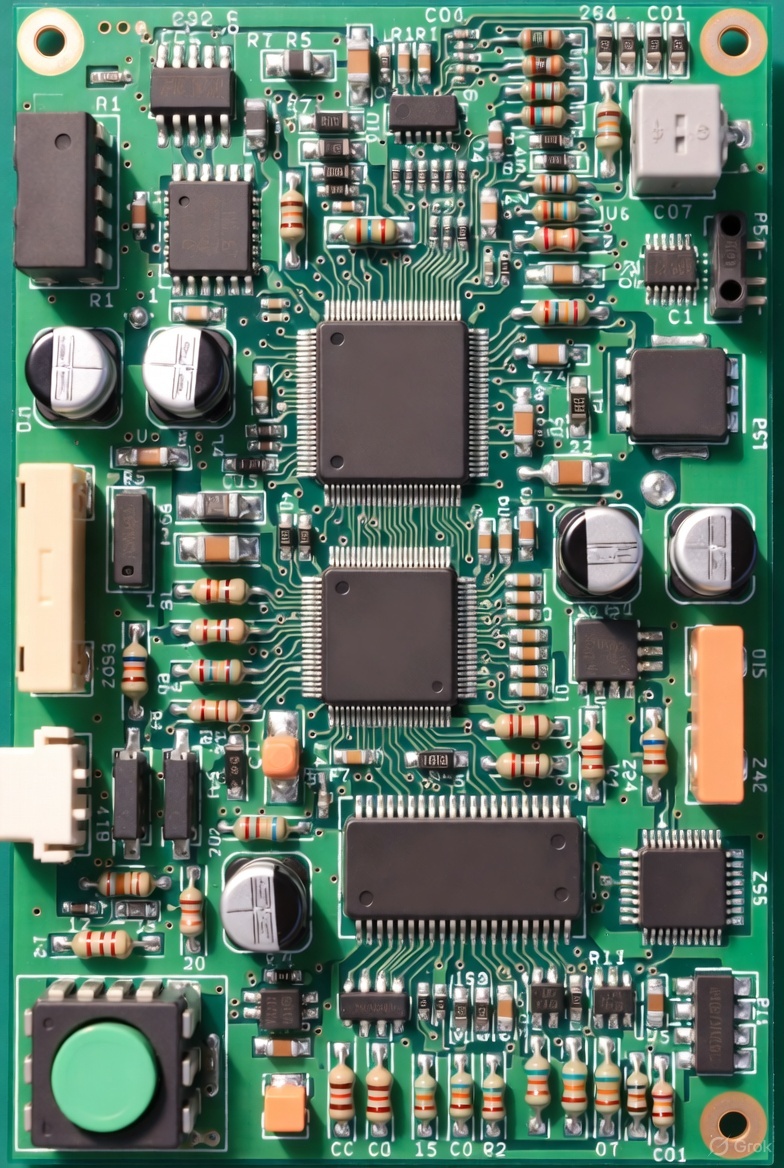
The current flowing through a p-n junction diode (our one-way gate for electricity) is primarily controlled by four interacting factors. The most immediate control is the voltage applied across the diode: once the push from the battery reaches a certain minimum strength (the turn-on voltage), the current flow explodes exponentially, meaning a very small increase…
-
Power Efficiency Theory is built on ideas borrowed from physics, but it is important to be precise about how those ideas are used. In physics, force describes the ability of a system to cause or resist acceleration. It tells us what a structure can withstand or exert under load. A building, for example, has force…
-

Renewable energy is power that comes from sources that are constantly and naturally refilled. Imagine energy sources that never run out because they are always being replaced. This is different from fossil fuels like coal, oil, and natural gas. Fossil fuels took millions of years to form deep underground, and when we use them up,…
-

We know that Force is equal to mass times acceleration. A home has physical mass, structural strength, and load-bearing capacity. These properties give it force capacity in the physical sense. However, a home does not move and does not perform continuous work, so its velocity is effectively zero. As a result, its power output, in…
-
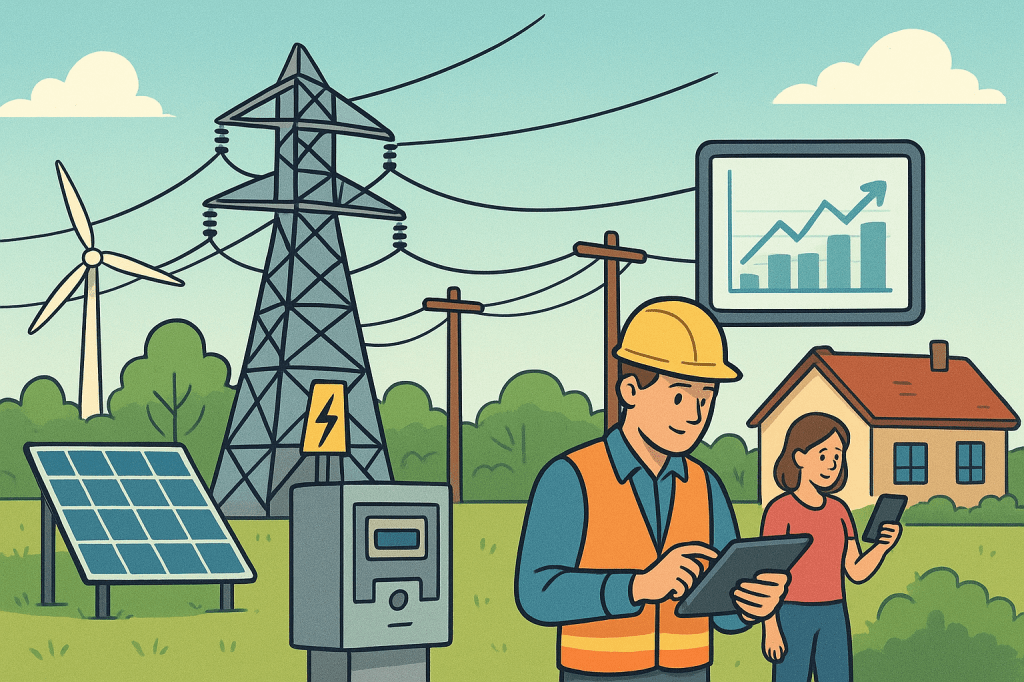
A smart grid is an advanced electrical network that uses digital communication, automated control, and real time data analysis to improve how electricity is generated, delivered, and consumed. It replaces the traditional one way power flow model with an interactive structure where utilities and consumers can exchange information. Sensors, intelligent meters, and automated switches monitor…
-

Forward bias is the electrical condition applied to a semiconductor diode to allow significant current to flow through it. This is achieved by connecting an external voltage source across the diode with the correct polarity: the positive terminal of the battery is connected to the diode’s P-type semiconductor (the anode), and the negative terminal is connected…
-
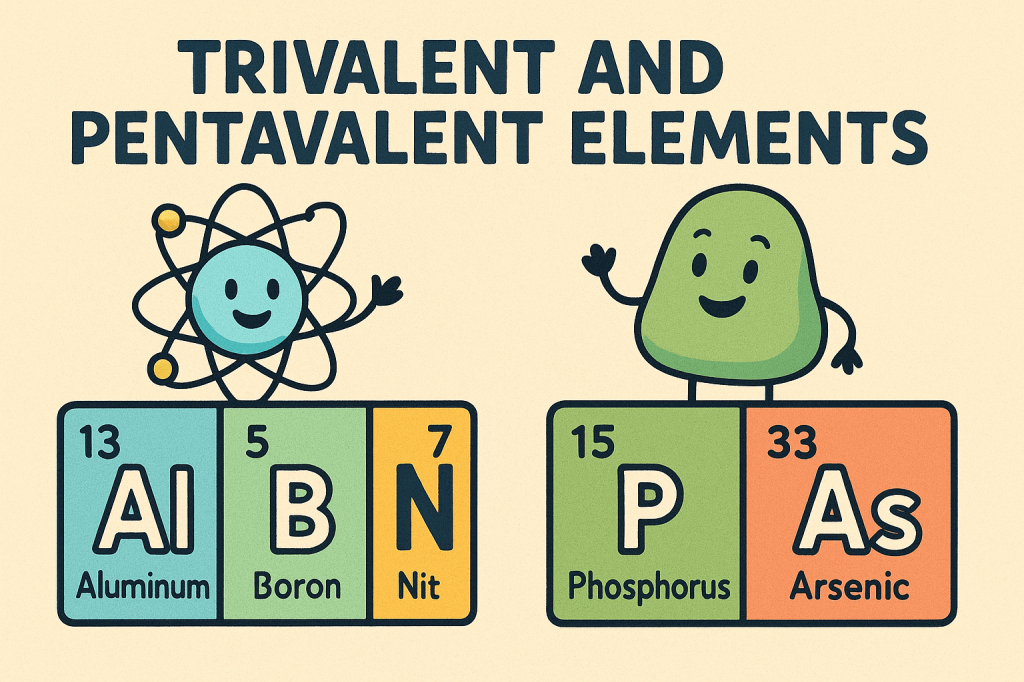
Trivalent and pentavalent elements are terms used to describe the number of valence electrons that an atom has available for bonding. Trivalent elements have three valence electrons, which means they can form three bonds with other atoms. This property is often seen in elements like aluminum and gallium. These elements typically participate in chemical reactions…
-
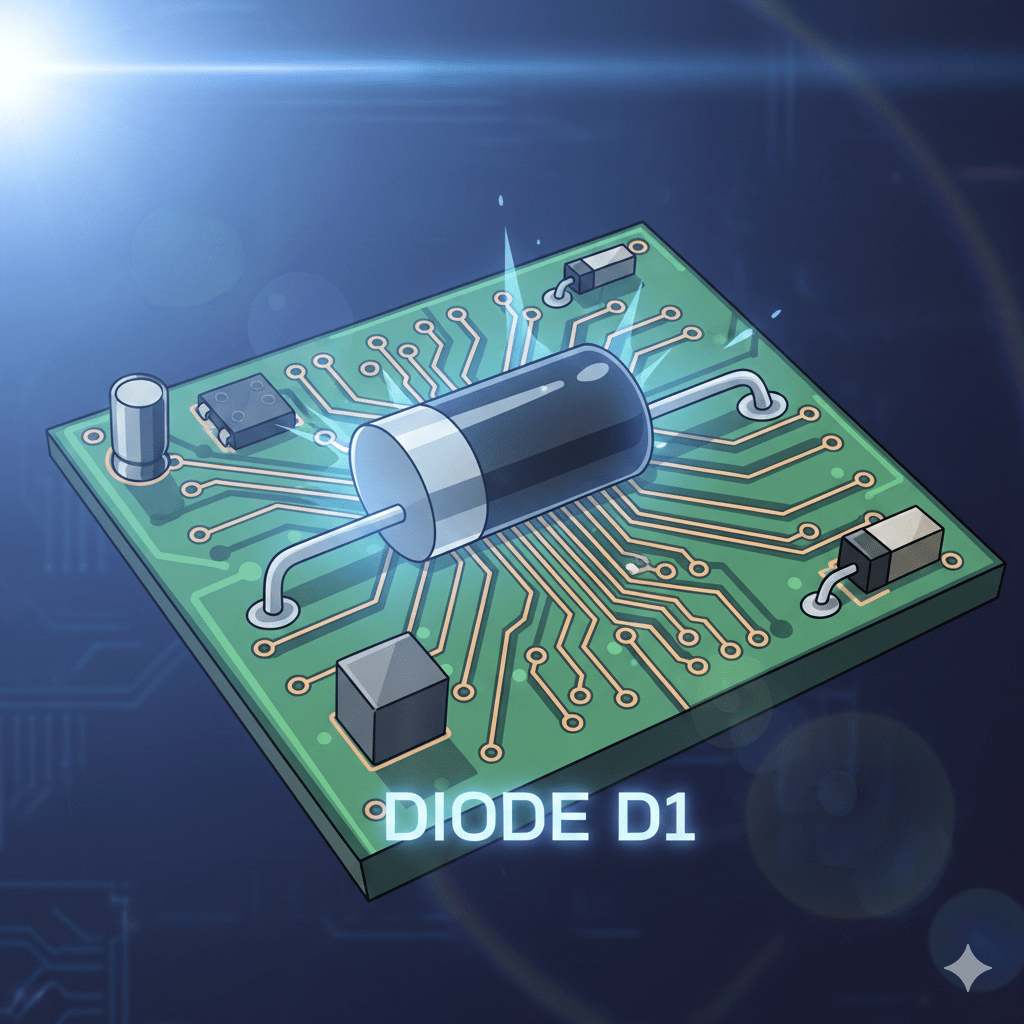
The ideality factor in diodes is a crucial concept that helps us understand how well a diode performs compared to an ideal diode. An ideal diode is a perfect device that allows current to flow in one direction without any resistance or loss of energy. However, real diodes are not perfect; they have some limitations…

