energy
-
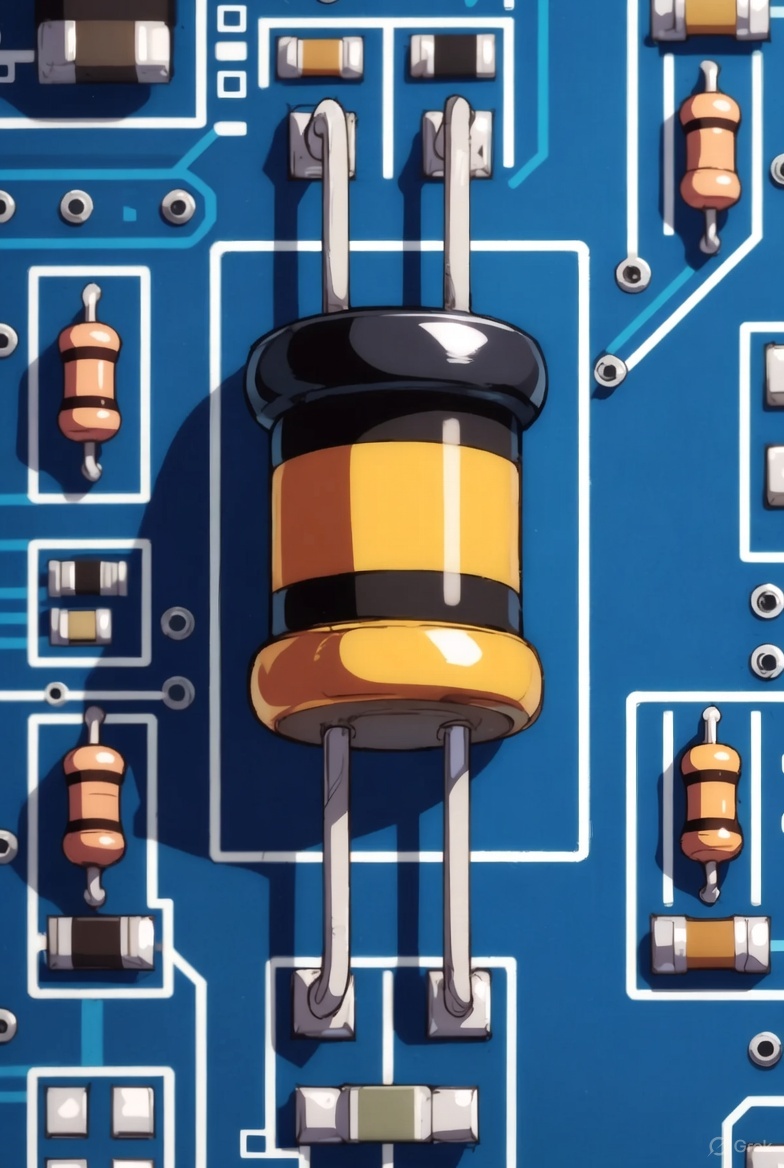
When we talk about diode series resistance, we are referring to the resistance that is present in the diode when it is conducting current. This resistance is not just a simple number; it can change based on various factors, such as the amount of current flowing through the diode and the temperature of the diode…
-
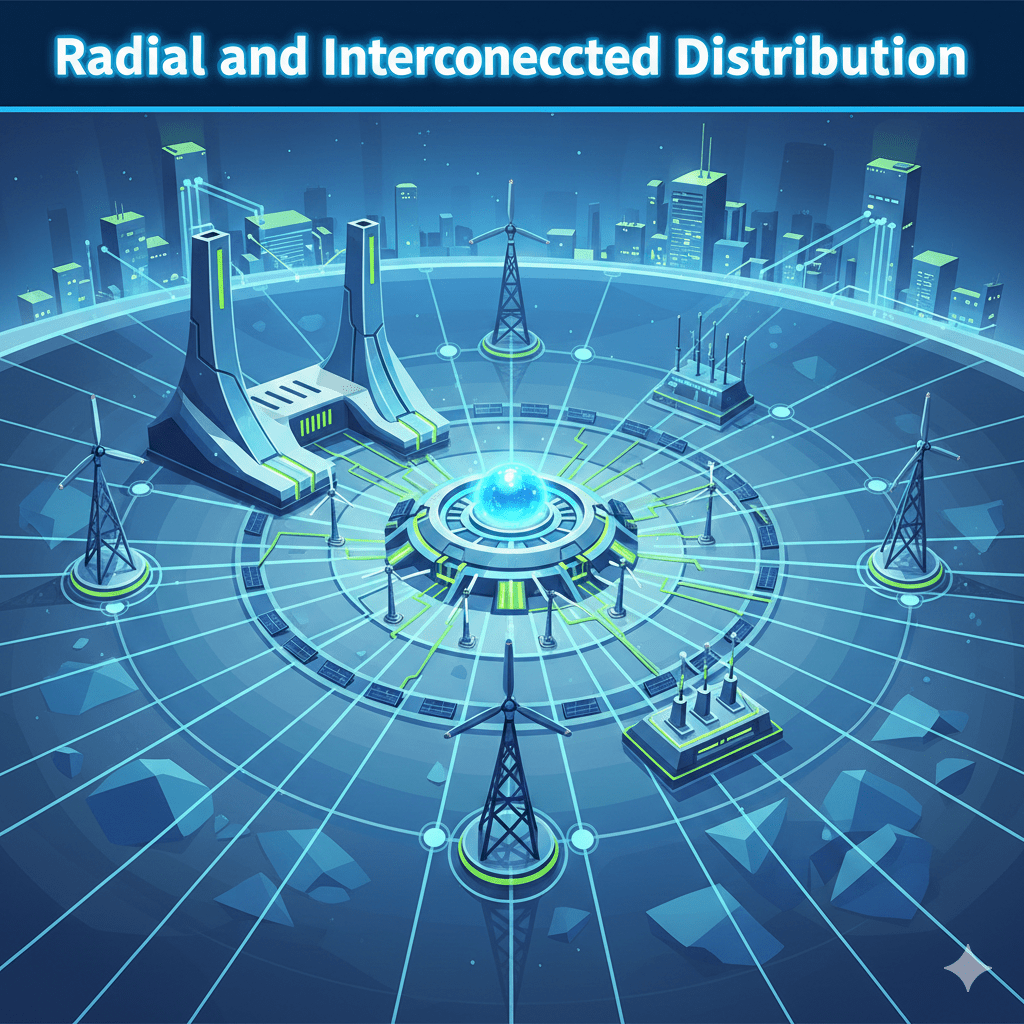
Radial and interconnected distribution networks represent two distinct approaches to the design and operation of electrical distribution systems. A radial distribution network is characterized by a tree-like structure where power flows from a single source through a series of branches to reach various consumers. This configuration is straightforward and easy to manage, but it can…
-
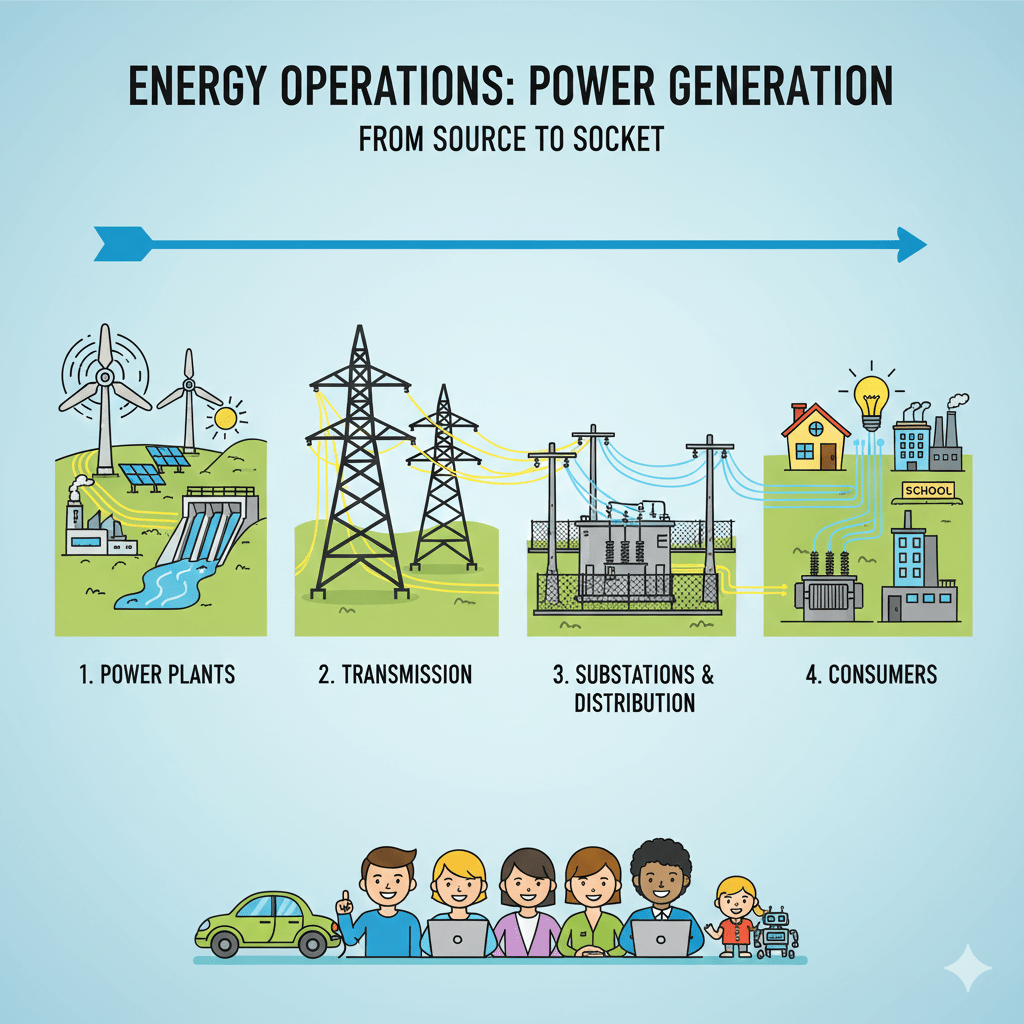
Power generation in terms of the energy grid refers to the process of producing electrical power at power stations or generation assets, which are connected to an interconnected network called the electrical grid. This grid is a complex system comprising power generation facilities, transmission lines, substations, distribution lines, and consumers. The power generated comes from…
-
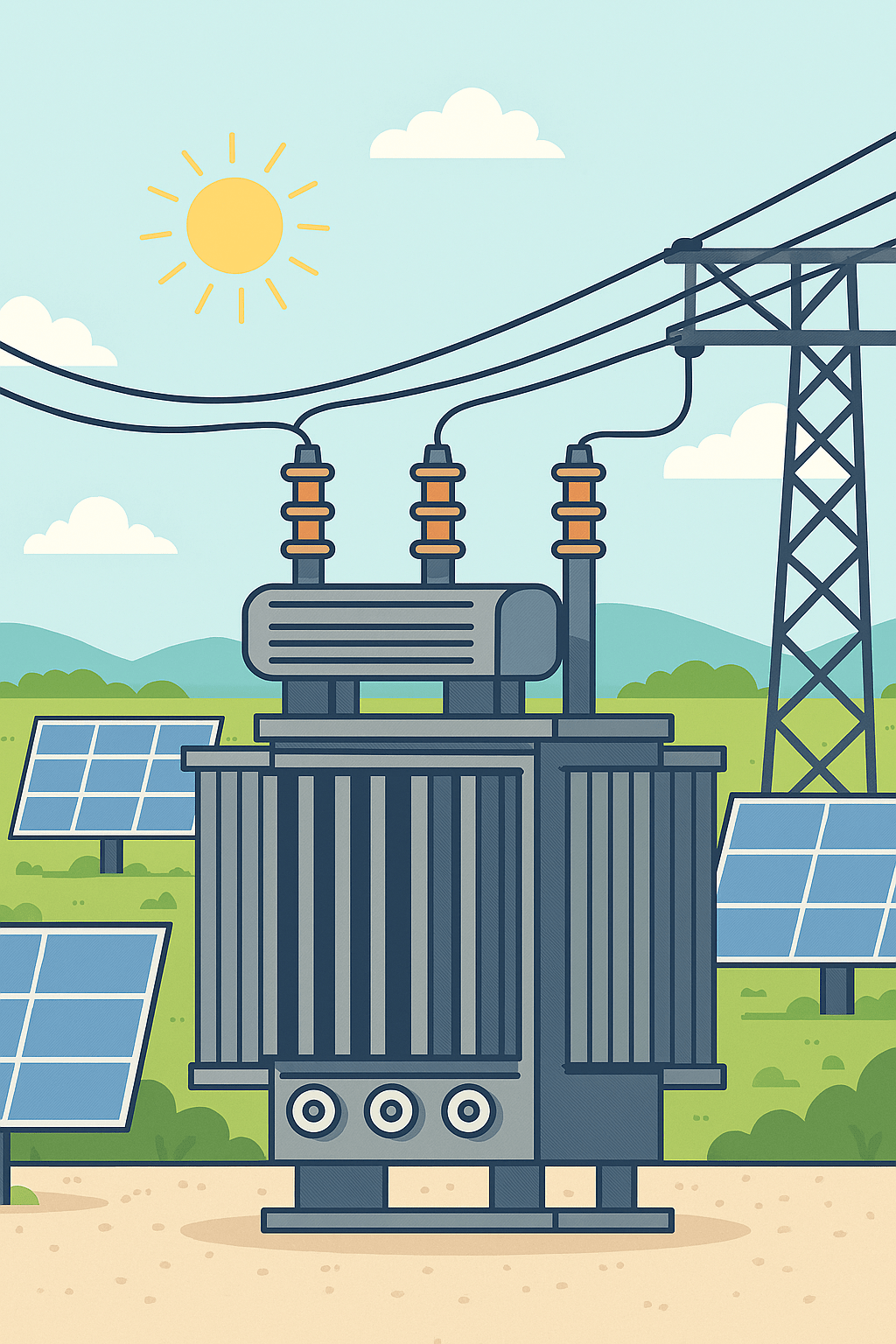
A transformer is a passive electrical device that transfers alternating current (AC) electrical energy from one circuit to one or more other circuits. Its core function, based on the principle of electromagnetic induction, is to change the voltage level; either stepping it up (increasing voltage for efficient long-distance transmission) or stepping it down (reducing voltage…
-
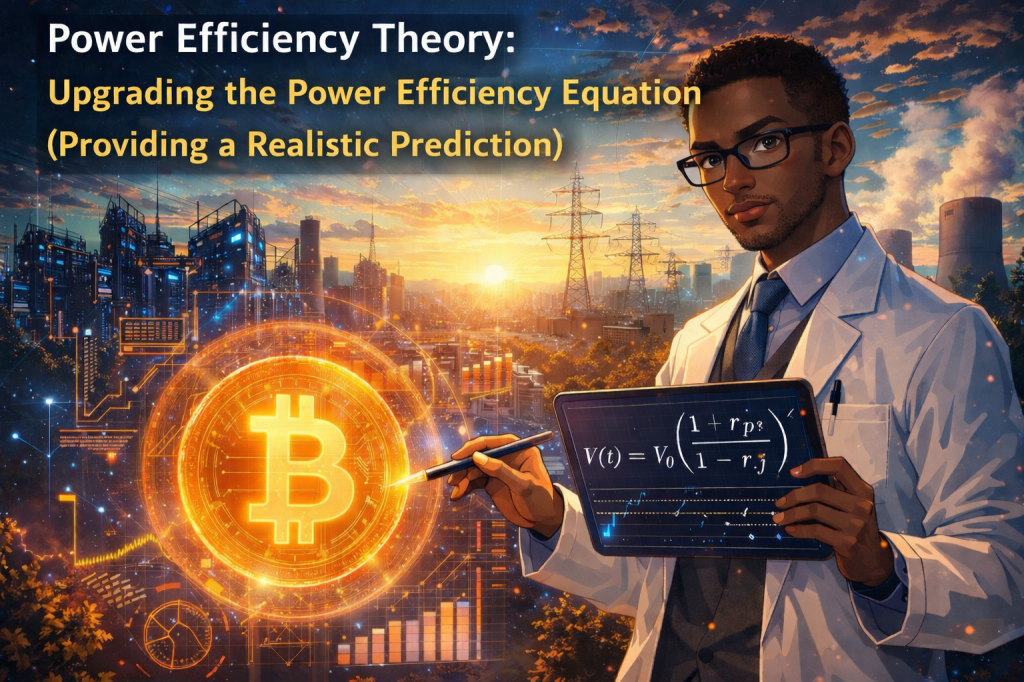
Energy could be considered a form of currency. But we’re (probably) not that far along, yet (as a society). The closest thing we have is an electronic P2P payment system that requires energy to work. It’s called bitcoin. It’s a fascinating science experiment that has required us (humanity) to rethink the fundamentals of computer security,…
-
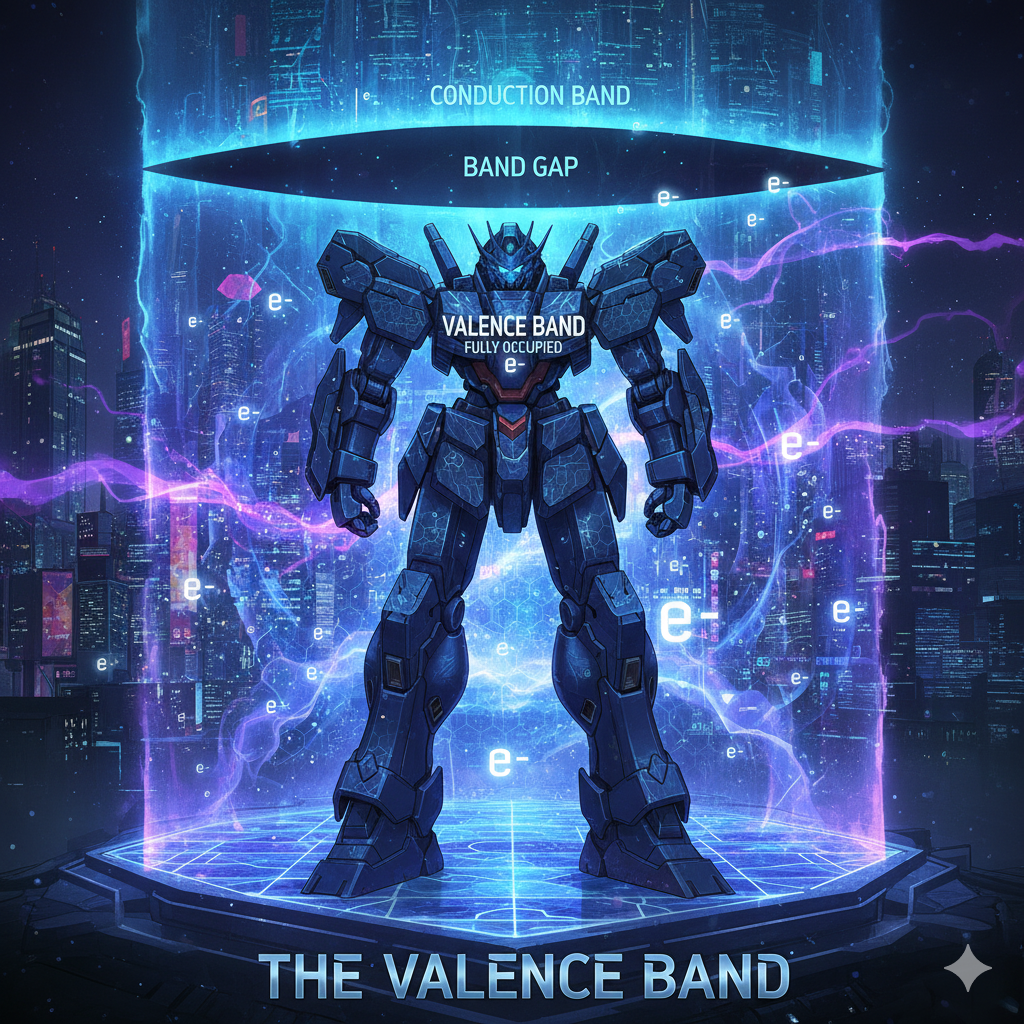
The valence band is the highest range of electron energies in a solid where electrons are normally present at absolute zero temperature. These electrons are bound to atoms and participate in chemical bonding, such as covalent or metallic bonds. In crystalline solids, the valence band is formed by the overlap of atomic orbitals, creating a…
-

Transmission electron microscopy (TEM) is a powerful imaging technique that uses a beam of electrons transmitted through an ultrathin specimen to produce highly magnified images of its internal structure. TEM works by directing electrons through a sample that is typically less than 100 nanometers thick. As the electrons pass through, they interact with the atoms…
-
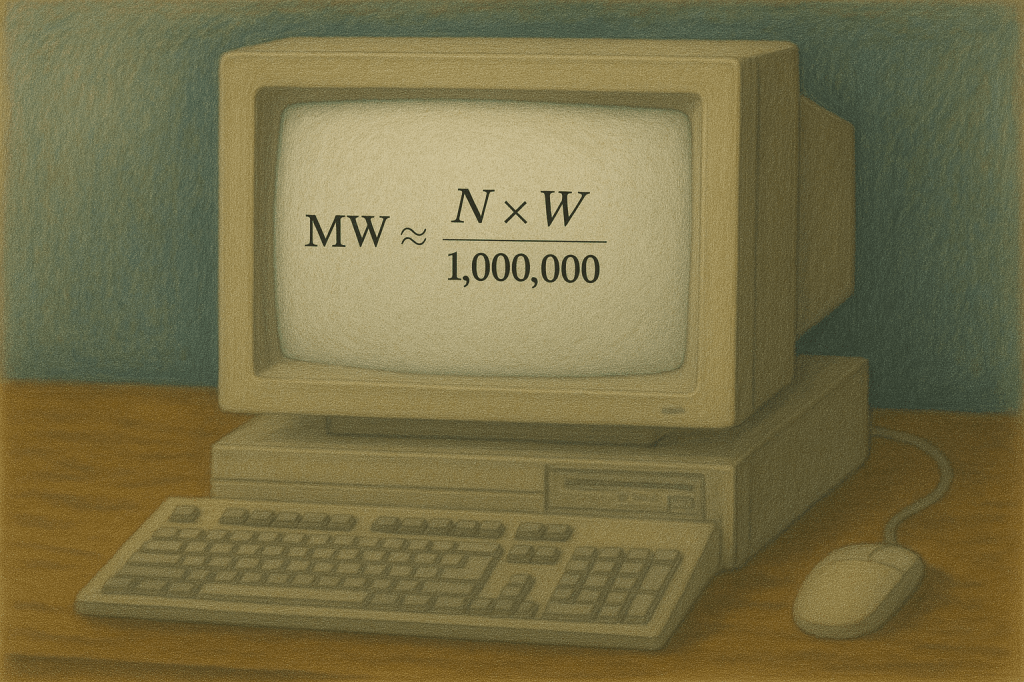
The Bitcoin Mining Air Coolant Energy Operation Equation offers a simple way for bitcoin mining engineers to translate machine count into megawatts in a language that utility operators and engineers understand. The core idea is that modern air cooled ASIC miners usually draw around 3,000 to 3,500 watts per machine, so a fleet’s IT load…
-
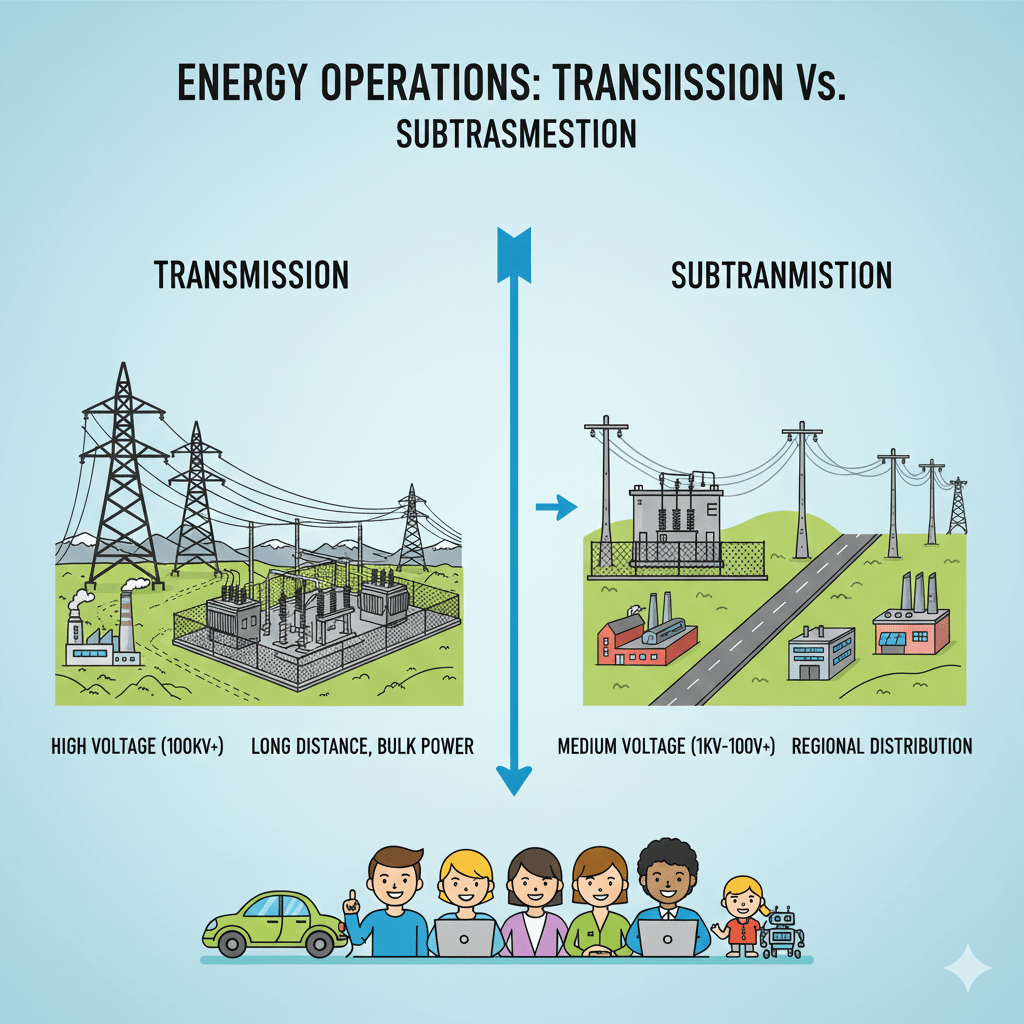
Transmission in electric power systems refers to the bulk transfer of electrical energy at very high voltages (typically 115 kV to 765 kV or higher) from generating stations to major substations, using interconnected networks of overhead or underground lines designed to move large amounts of power efficiently over long distances with minimal losses. Subtransmission, by…
-
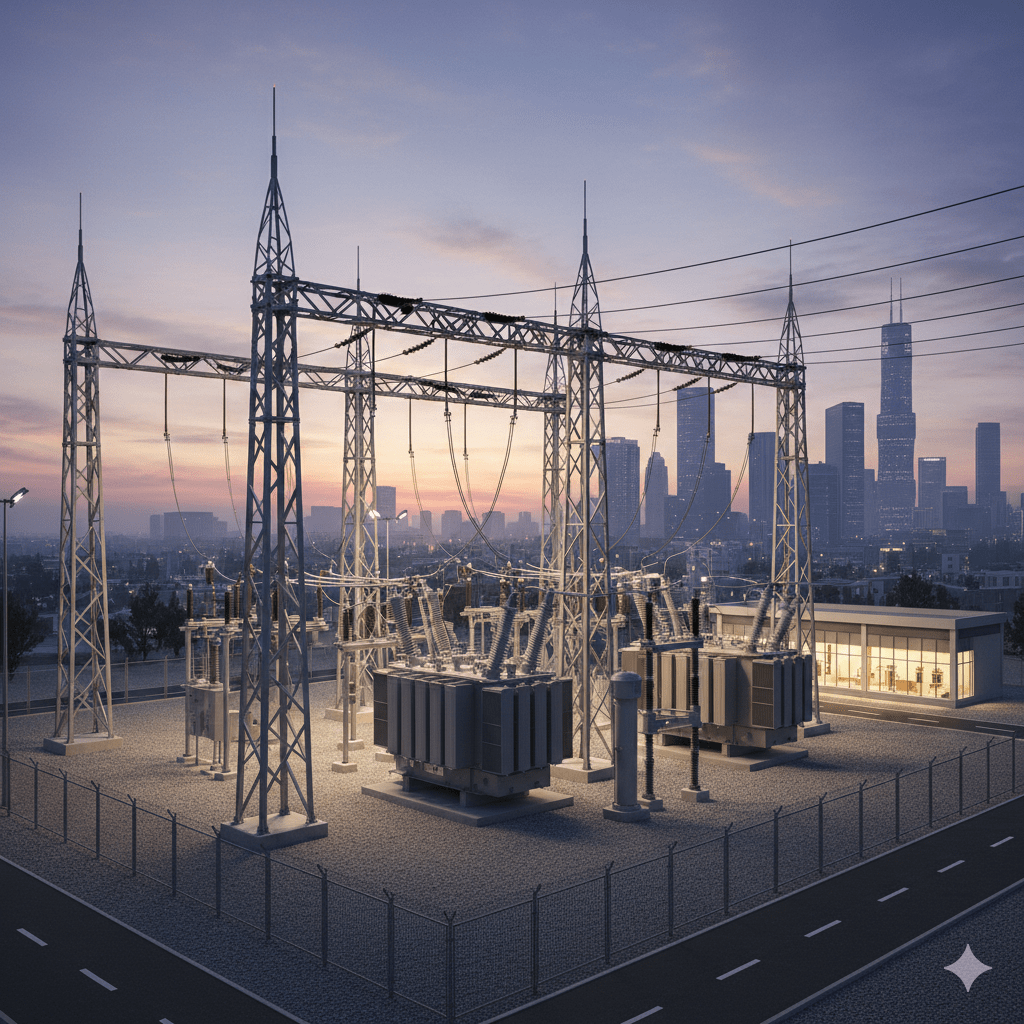
Substations are essential components of the electrical power system. They serve as the connection points between the high-voltage transmission lines and the lower-voltage distribution networks that deliver electricity to homes and businesses. At a substation, electricity is transformed from high voltage to a lower voltage, making it safe for use. This process is crucial because…
-
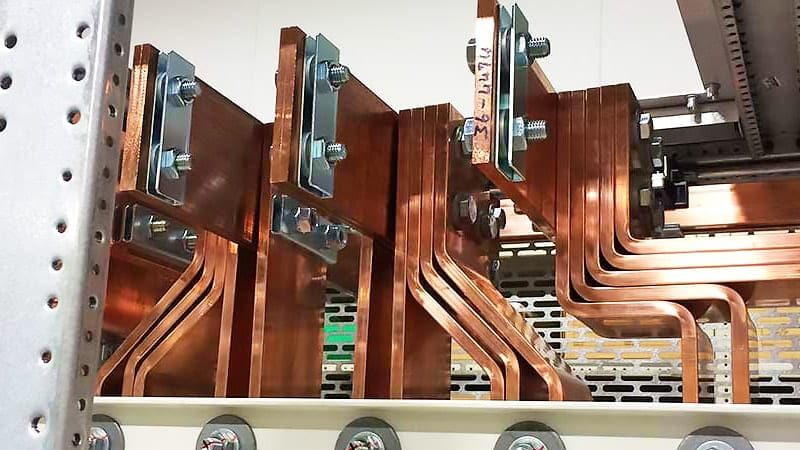
An electrical busbar is a metallic strip, bar, rod, or tube, typically made of highly conductive materials like copper or aluminum, that functions as a central junction point for distributing electrical power. Serving as a high-capacity conductor, it collects electrical current from incoming circuits (like transformers or generators) and efficiently distributes it to multiple outgoing…
-
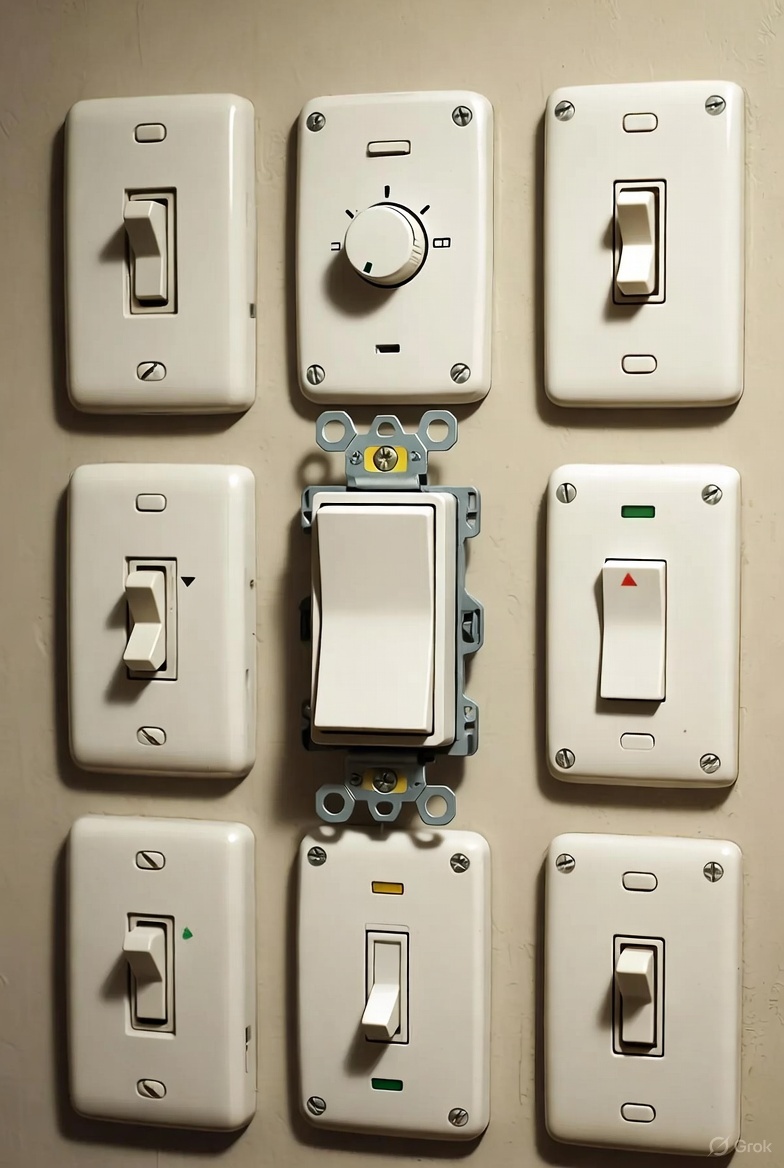
Electrical switches are categorized in various ways, often based on their construction, actuation method, and function within a circuit. A common classification uses the Pole and Throw configuration: the Single Pole, Single Throw (SPST) is the simplest ON/OFF switch, controlling one circuit from one location, like a standard light switch. The Single Pole, Double Throw…

