Information Technology
-
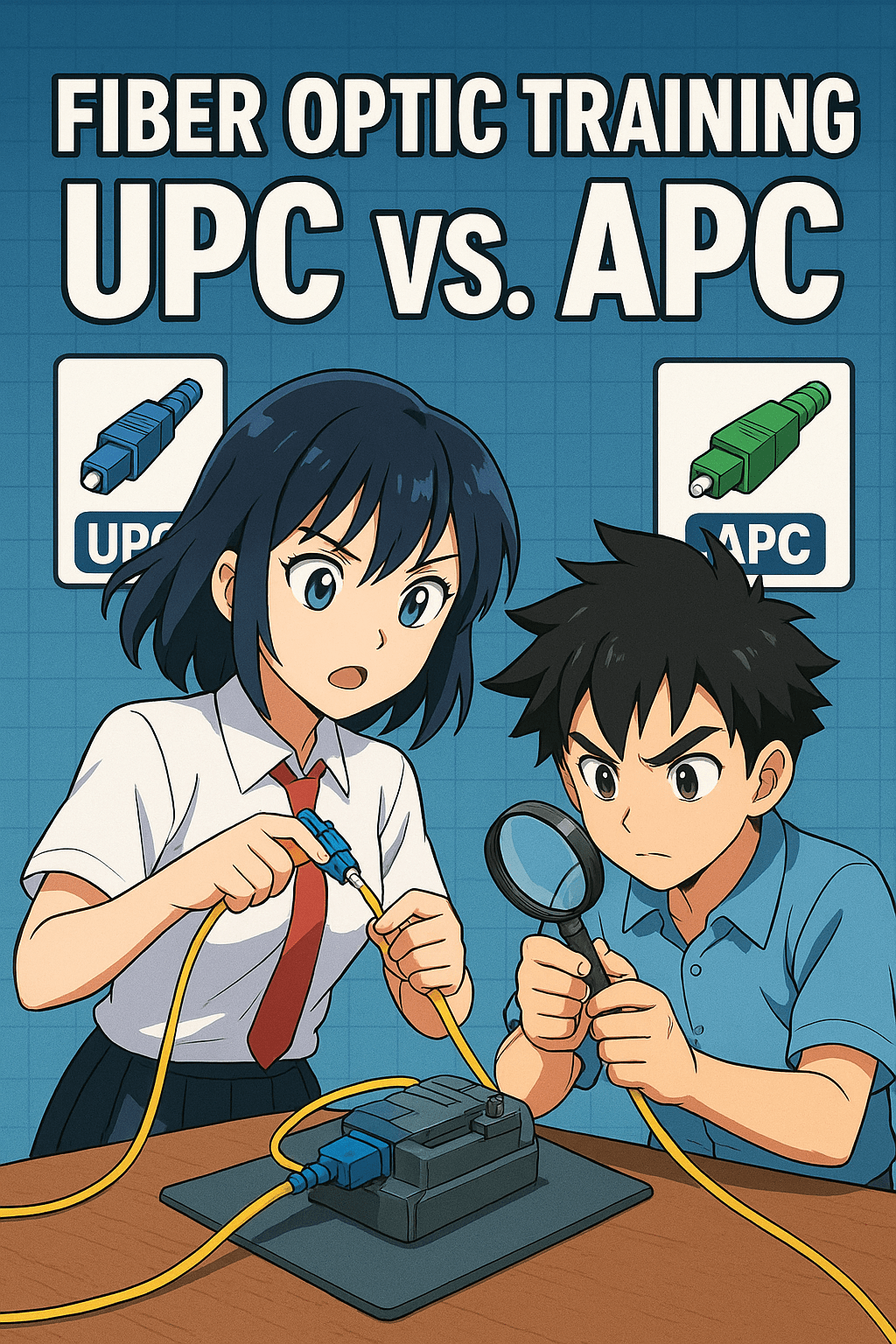
UPC and APC refer to two types of fiber optic connector polish styles: Ultra Physical Contact (UPC) and Angled Physical Contact (APC). UPC connectors have a flat, slightly domed end-face that provides low insertion loss and are commonly used in digital systems like Ethernet and CATV. APC connectors feature an 8-degree angled end-face that minimizes…
-
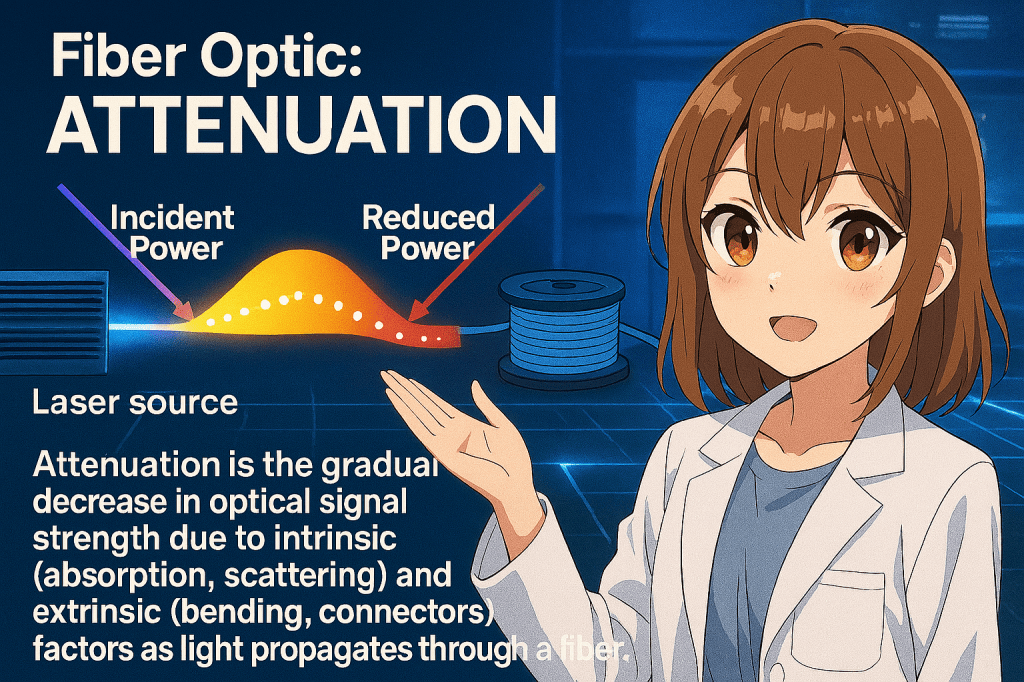
Attenuation in fiber optics refers to the gradual weakening of an optical signal as it travels through the fiber. This loss happens because some of the light energy is absorbed by the glass material or scattered due to microscopic irregularities. It’s measured in decibels per kilometer (dB/km), and the lower the number, the better the…
-

Proper network termination matters. Every ethernet cable you build connects people, ideas, and organizations, enabling communication that strengthens relationships and drives opportunity. By following standards like T568B, we can create networks that are reliable and impactful. This 8-minute instructional video demonstrates those techniques, showing how network termination helps connect lives and build communities. T568B Ethernet…
-

Address Resolution Protocol (ARP) is a fundamental component of IPv4 networking that enables devices within a local area network (LAN) to discover the physical hardware address (MAC address) associated with a given IP address. Operating at the intersection of the OSI model’s Data Link (Layer 2) and Network (Layer 3) layers, ARP facilitates the translation…
-
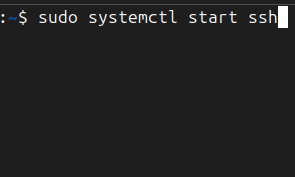
Secure Shell, commonly known as SSH, is a cryptographic network protocol used to establish secure and encrypted communication between two systems over an unsecured network. It allows users to remotely access and control another computer, typically through a command-line interface. SSH ensures that all data, including login credentials and command outputs, are encrypted to prevent…
-
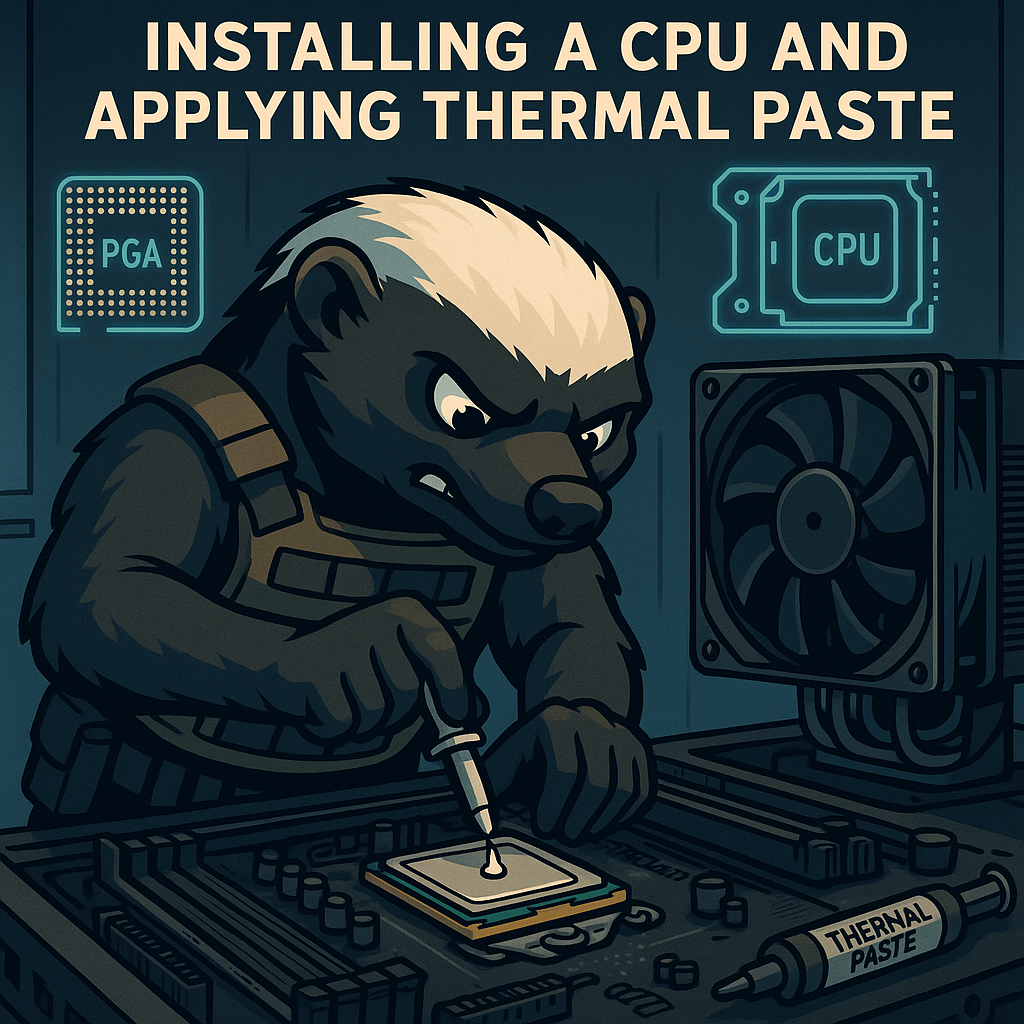
When installing a CPU, it’s not just about matching sockets—proper thermal contact between the CPU and its cooler is critical for stability and longevity. This is where TIM (Thermal Interface Material), commonly referred to as thermal paste, plays a vital role. It fills microscopic gaps between the metal surfaces of the CPU heat spreader and…
-

The /sbin directory in Linux holds system administration commands, which are mostly used by the root user or users with administrative privileges. Commands in /sbin help control and manage core parts of the system such as filesystems, networking, and startup processes. Tools like fsck (file system check), ifconfig (network configuration), and reboot are typically located…
-

Trusted Platform Module (TPM) is a dedicated chip embedded on a computer’s motherboard, designed to secure hardware through integrated cryptographic keys. It stores sensitive information such as encryption keys, digital certificates, and passwords in a tamper-resistant environment. TPM is commonly used for: BitLocker drive encryption Secure Boot validation Windows Hello biometric authentication Digital Rights Management…
-
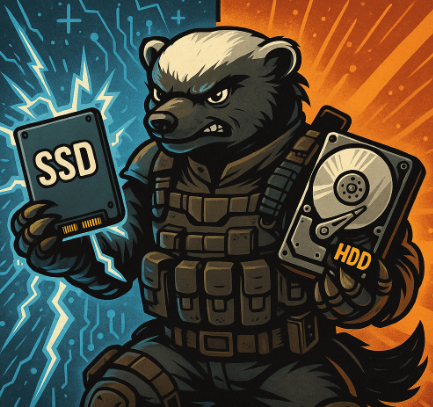
What Is an SSD? A Solid-State Drive (SSD) uses flash memory chips to store data. There are no moving parts, making it faster, quieter, and more durable than traditional hard drives. SSDs have extremely fast read/write speeds, especially in NVMe (PCIe) form, which are ideal for boot drives, gaming systems, and business apps. SSDs come…
-
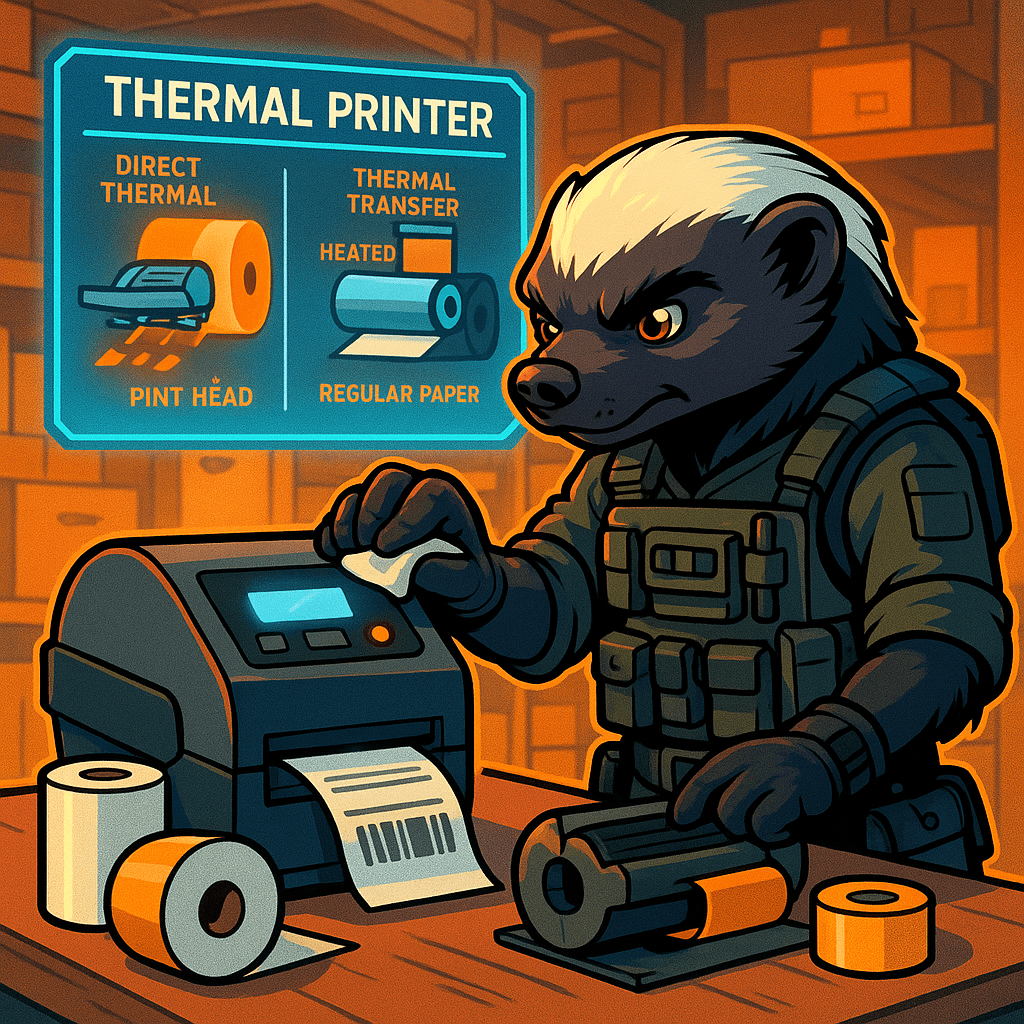
A thermal printer uses heat to transfer images onto paper. It comes in two types: No ink or ribbon needed. Uses heat-sensitive paper that blackens when heated. Common in receipts and shipping labels. Uses a heated ribbon to transfer wax or resin onto media. Durable prints ideal for barcode labels and inventory tags. Consumables and…
-
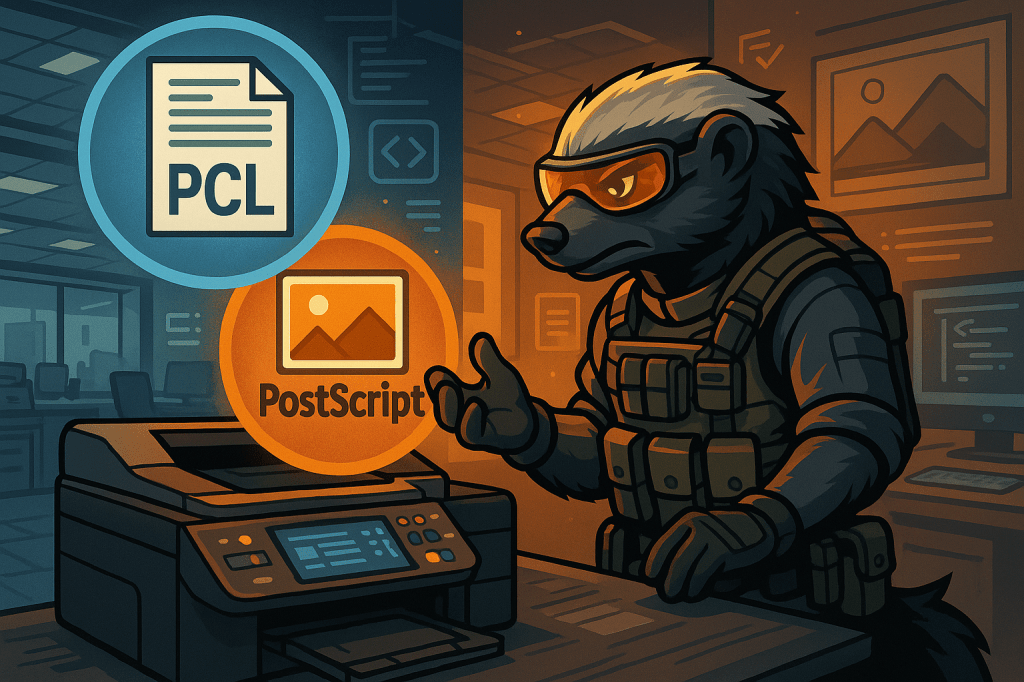
Two of the most recognized and widely used printer languages in the industry are PCL (Printer Command Language) and PostScript. Each one comes with unique advantages and is suited for different types of environments and workloads. PCL, developed by Hewlett-Packard, is a standard language found in many office printers. It’s built for speed and efficiency—great…
-

Every desktop computer relies on a Power Supply Unit (PSU) to convert wall electricity into usable voltage levels that safely power internal components. The PSU takes in AC (Alternating Current) and outputs DC (Direct Current) in multiple voltages—typically +12V, +5V, and +3.3V—distributed to the motherboard, CPU, storage devices, and GPU. Without proper power regulation, even…

