Information Technology
-

Every desktop computer relies on a Power Supply Unit (PSU) to convert wall electricity into usable voltage levels that safely power internal components. The PSU takes in AC (Alternating Current) and outputs DC (Direct Current) in multiple voltages—typically +12V, +5V, and +3.3V—distributed to the motherboard, CPU, storage devices, and GPU. Without proper power regulation, even…
-
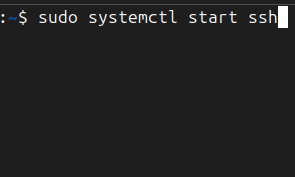
Secure Shell, commonly known as SSH, is a cryptographic network protocol used to establish secure and encrypted communication between two systems over an unsecured network. It allows users to remotely access and control another computer, typically through a command-line interface. SSH ensures that all data, including login credentials and command outputs, are encrypted to prevent…
-
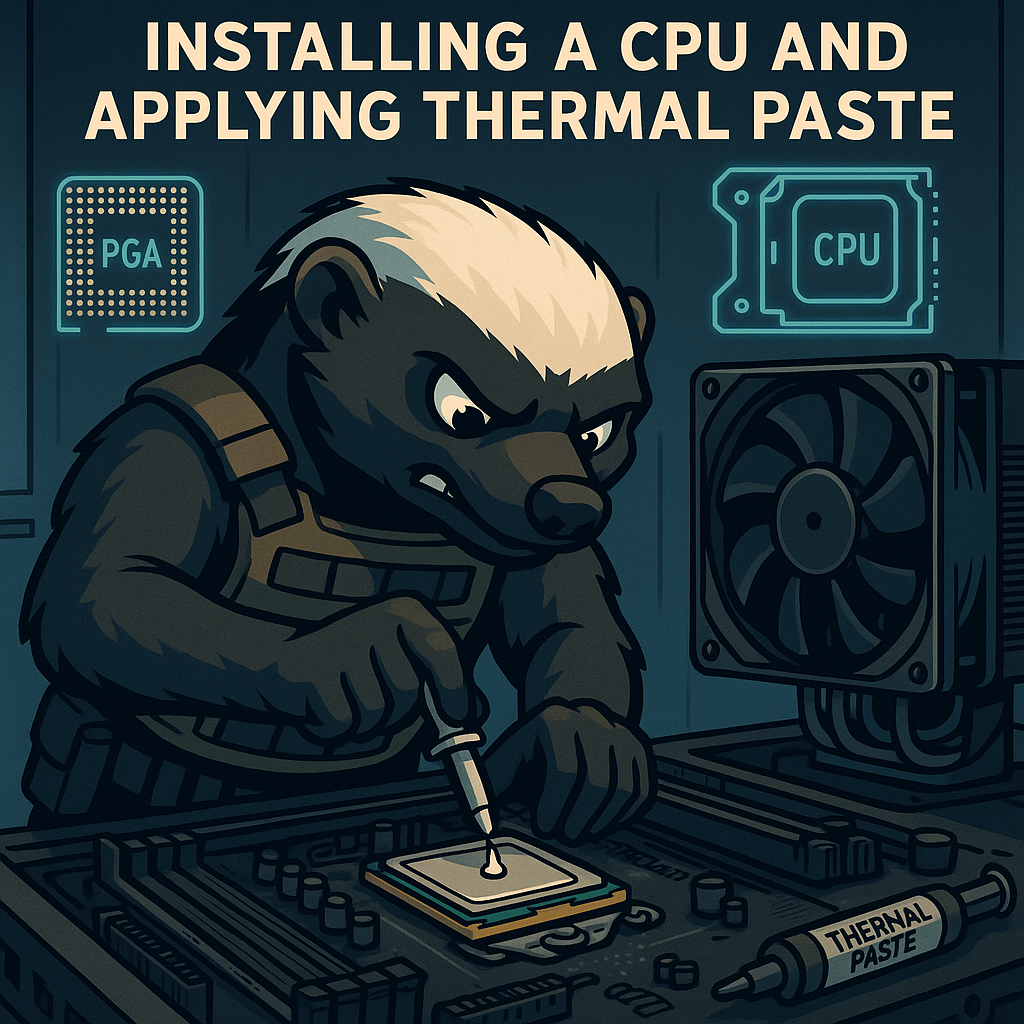
When installing a CPU, it’s not just about matching sockets—proper thermal contact between the CPU and its cooler is critical for stability and longevity. This is where TIM (Thermal Interface Material), commonly referred to as thermal paste, plays a vital role. It fills microscopic gaps between the metal surfaces of the CPU heat spreader and…
-

The taskkill command is a powerful Windows OS CLI tool that allows users to forcefully terminate running processes directly from the terminal. Unlike the Task Manager’s graphical interface, taskkill gives users precise control over which processes to end, either by using the process name (also called the image name) or its unique process ID (PID).…
-
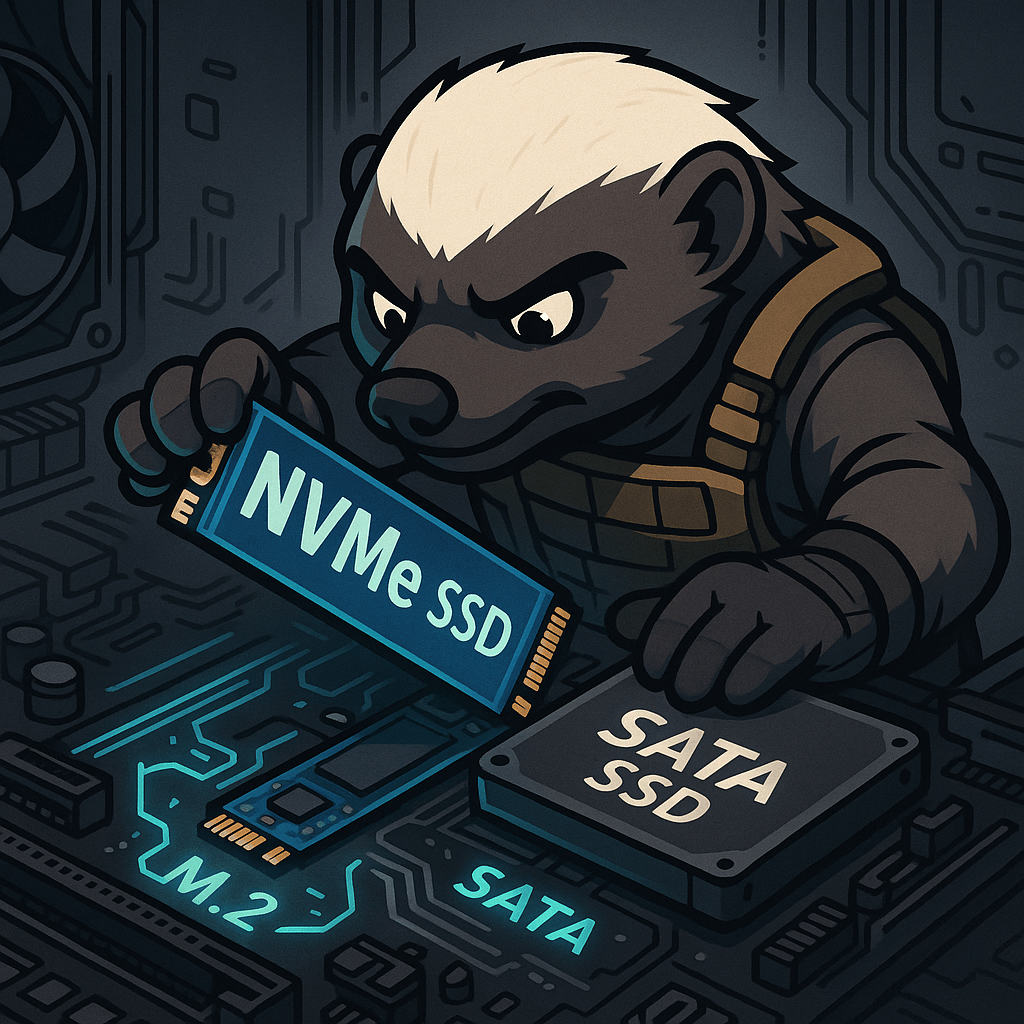
Modern systems now rely heavily on Solid-State Drives (SSDs) for fast data access, but not all SSDs are built the same. Two common types—NVMe (Non-Volatile Memory Express) and SATA (Serial ATA)—differ dramatically in speed, interface, and performance. SATA SSDs use the older SATA interface, originally designed for hard drives. They’re limited to a theoretical maximum…
-
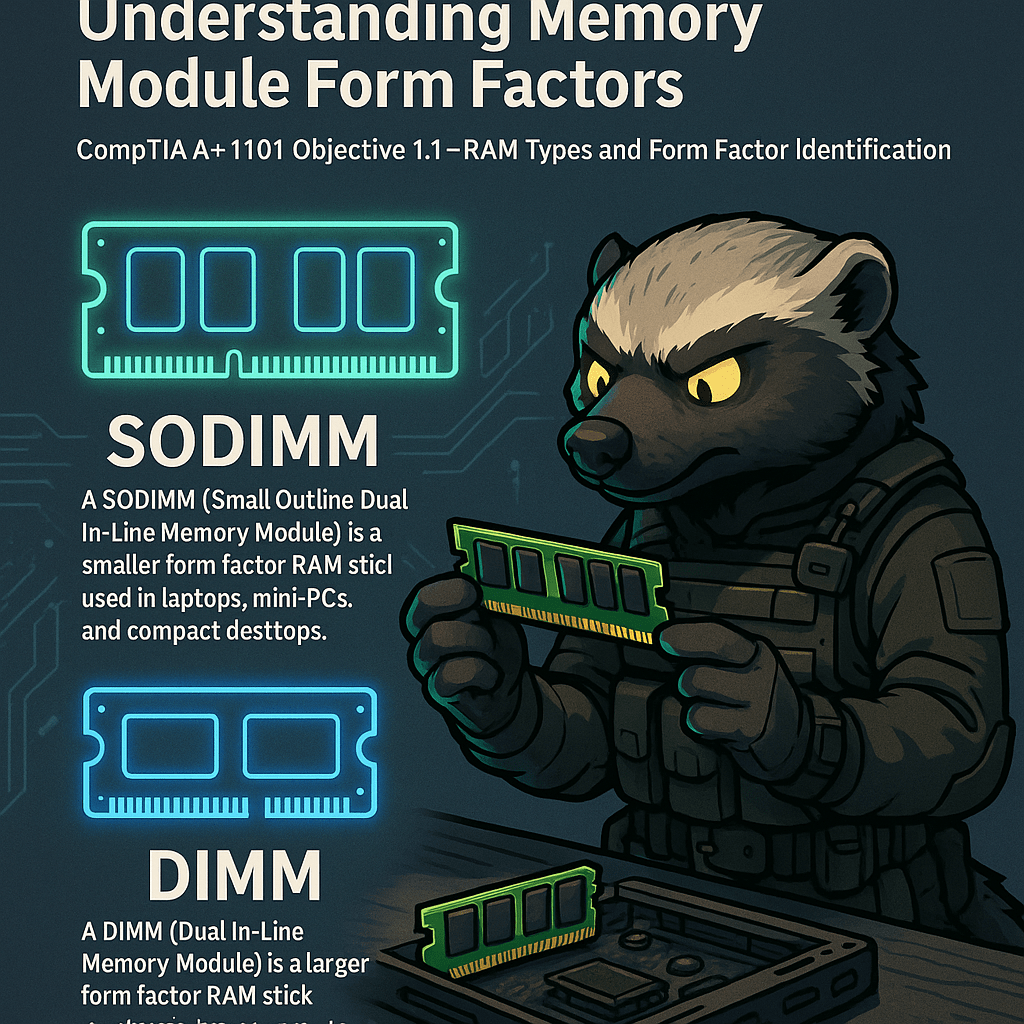
Memory modules come in different physical sizes depending on the device they’re intended for. DIMM (Dual Inline Memory Module) is the standard memory format used in desktop computers, while SODIMM (Small Outline DIMM) is the compact version used in laptops, mini-PCs, and some all-in-one systems. Both types serve the same function—providing volatile memory that supports…
-
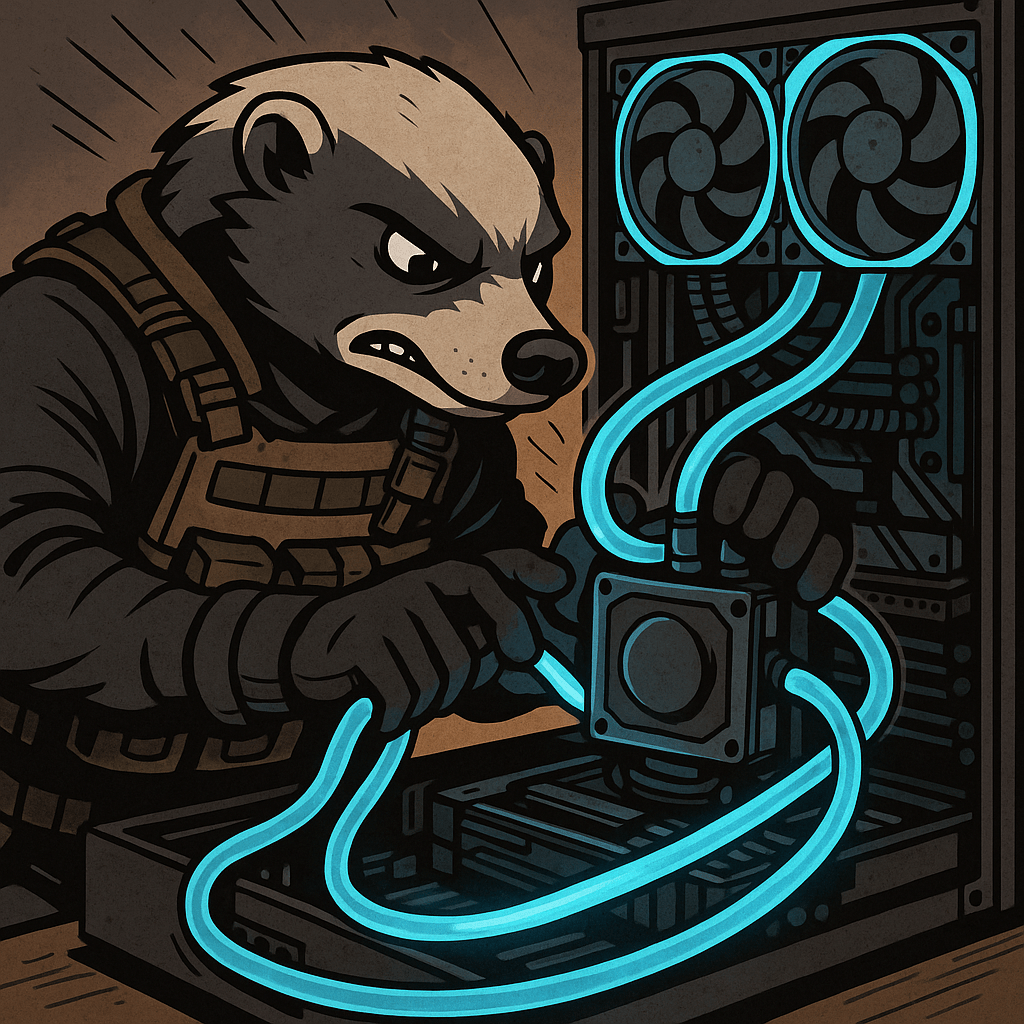
Liquid cooling is an advanced thermal management solution used in desktops to dissipate heat more effectively than traditional air cooling. It involves circulating a coolant—usually distilled water or a specialized liquid—through tubes connected to a water block mounted on the CPU or GPU. Heat is transferred from the component to the coolant, then pushed through…
-

OLED stands for Organic Light-Emitting Diode. Unlike traditional LCDs, OLEDs emit light directly from each pixel without requiring a separate backlight. This allows for ultra-thin screens, true blacks, and higher contrast ratios. Each pixel in an OLED screen is made from organic compounds that emit light when current passes through them. This direct emission is…
-

ATA, or Serial Advanced Technology Attachment, is a computer bus interface used to connect hard drives (HDDs), solid-state drives (SSDs), and optical drives to the motherboard. It replaced older parallel ATA (PATA) standards by using a 7-pin data cable and a 15-pin power connector, simplifying cabling and improving airflow. SATA supports hot-swapping (with the correct…
-
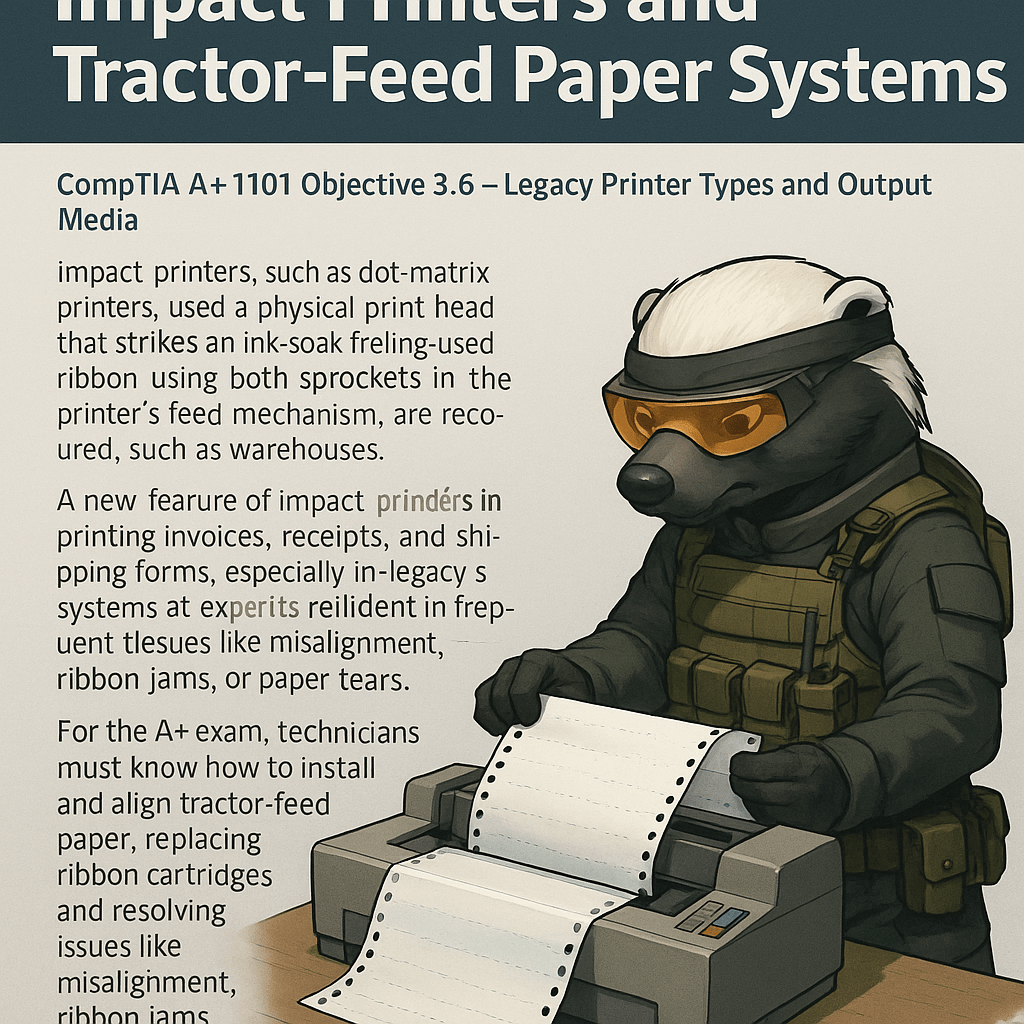
Impact printers, such as dot matrix printers, use a physical print head that strikes an ink-soaked ribbon against the paper—similar to a typewriter. These devices are primarily used in environments where multi-part forms, carbon copies, or durability in dusty conditions are required, such as warehouses, industrial settings, and point-of-sale systems. A key feature of impact…
-
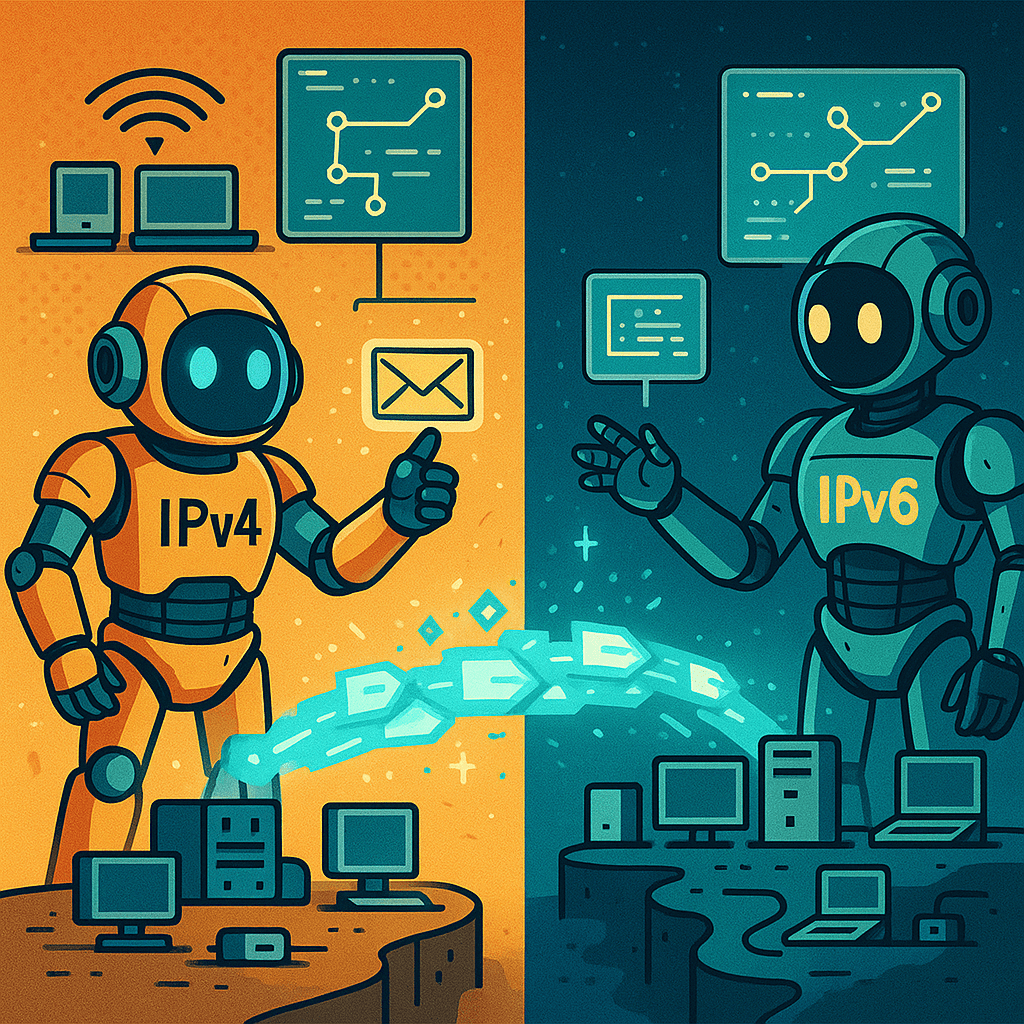
An IP address is a unique identifier assigned to devices on a network to enable communication. There are two main versions: IPv4, a 32-bit address format (e.g., 192.168.1.1), and IPv6, a 128-bit format (e.g., 2001:0db8:85a3::8a2e:0370:7334), created to handle the growing number of connected devices. IPv4 supports around 4.3 billion addresses and uses dot-decimal notation. It’s…
-
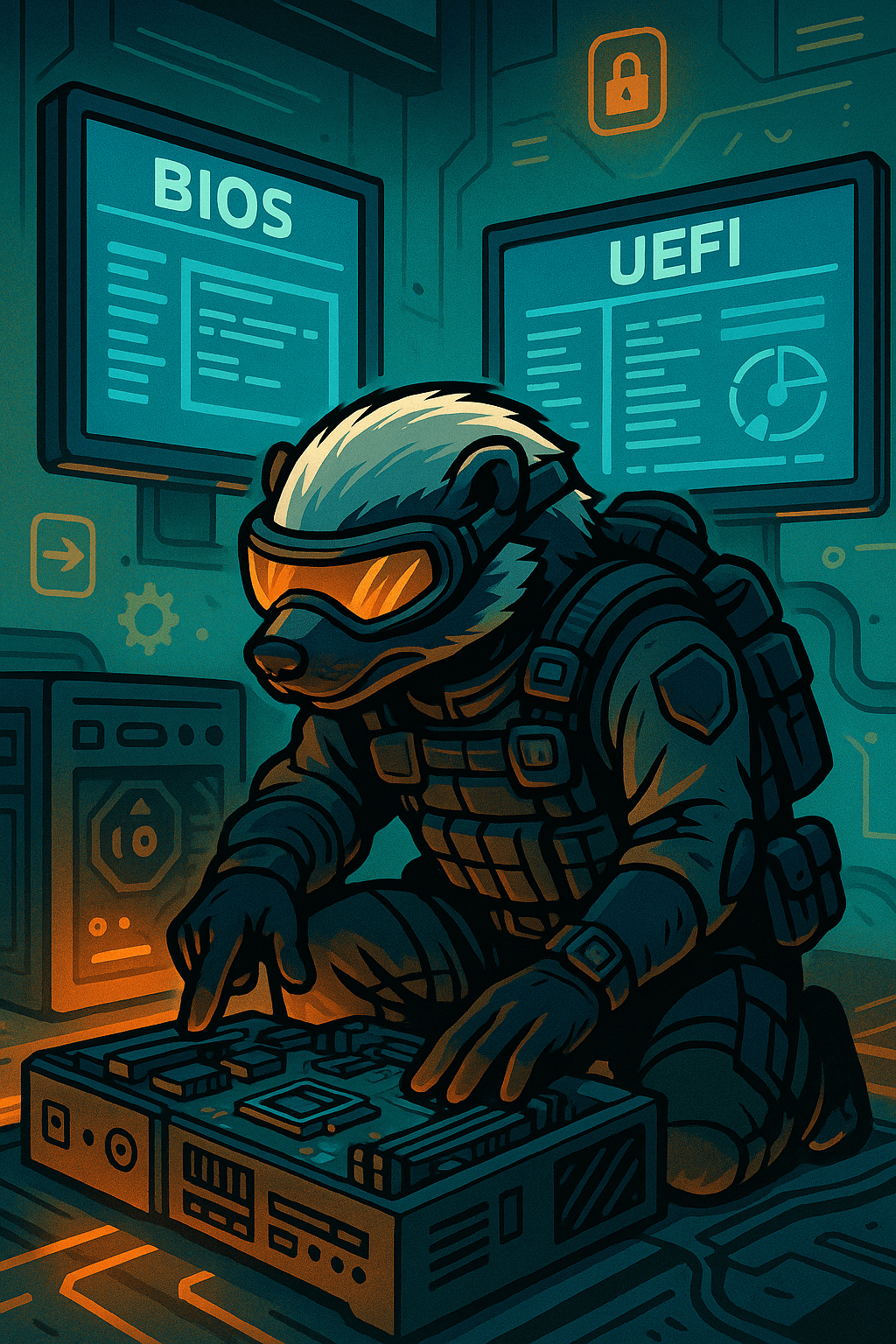
BIOS stands for Basic Input/Output System. It is firmware stored on a chip on the motherboard that initializes hardware components and loads the operating system. BIOS interfaces are text-based, and users access them by pressing keys like DEL, F2, or ESC during system startup. BIOS uses Legacy Boot, has limited drive support (up to 2.2…

