Information Technology
-
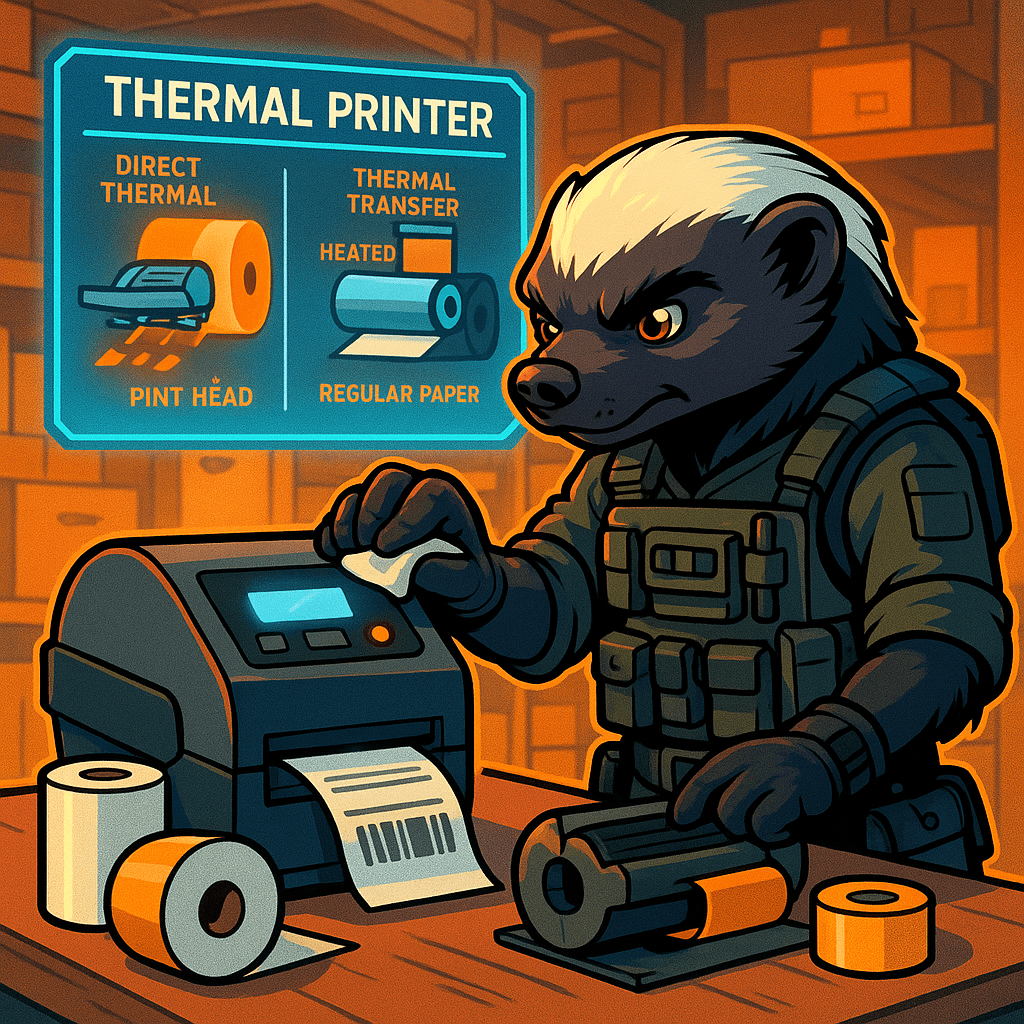
A thermal printer uses heat to transfer images onto paper. It comes in two types: No ink or ribbon needed. Uses heat-sensitive paper that blackens when heated. Common in receipts and shipping labels. Uses a heated ribbon to transfer wax or resin onto media. Durable prints ideal for barcode labels and inventory tags. Consumables and…
-
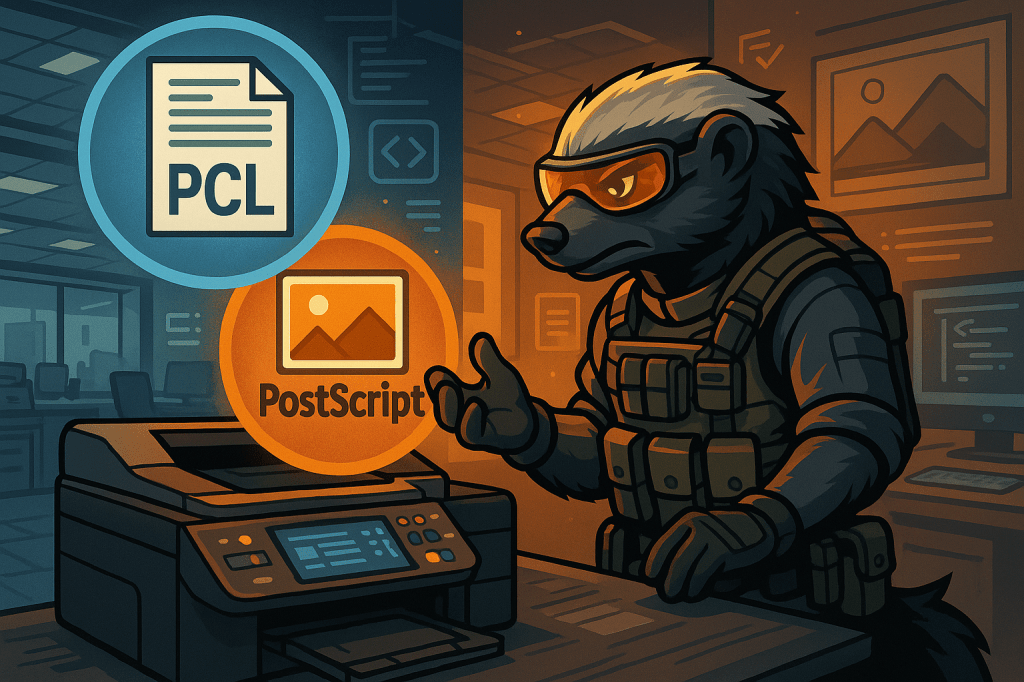
Two of the most recognized and widely used printer languages in the industry are PCL (Printer Command Language) and PostScript. Each one comes with unique advantages and is suited for different types of environments and workloads. PCL, developed by Hewlett-Packard, is a standard language found in many office printers. It’s built for speed and efficiency—great…
-

Every desktop computer relies on a Power Supply Unit (PSU) to convert wall electricity into usable voltage levels that safely power internal components. The PSU takes in AC (Alternating Current) and outputs DC (Direct Current) in multiple voltages—typically +12V, +5V, and +3.3V—distributed to the motherboard, CPU, storage devices, and GPU. Without proper power regulation, even…
-
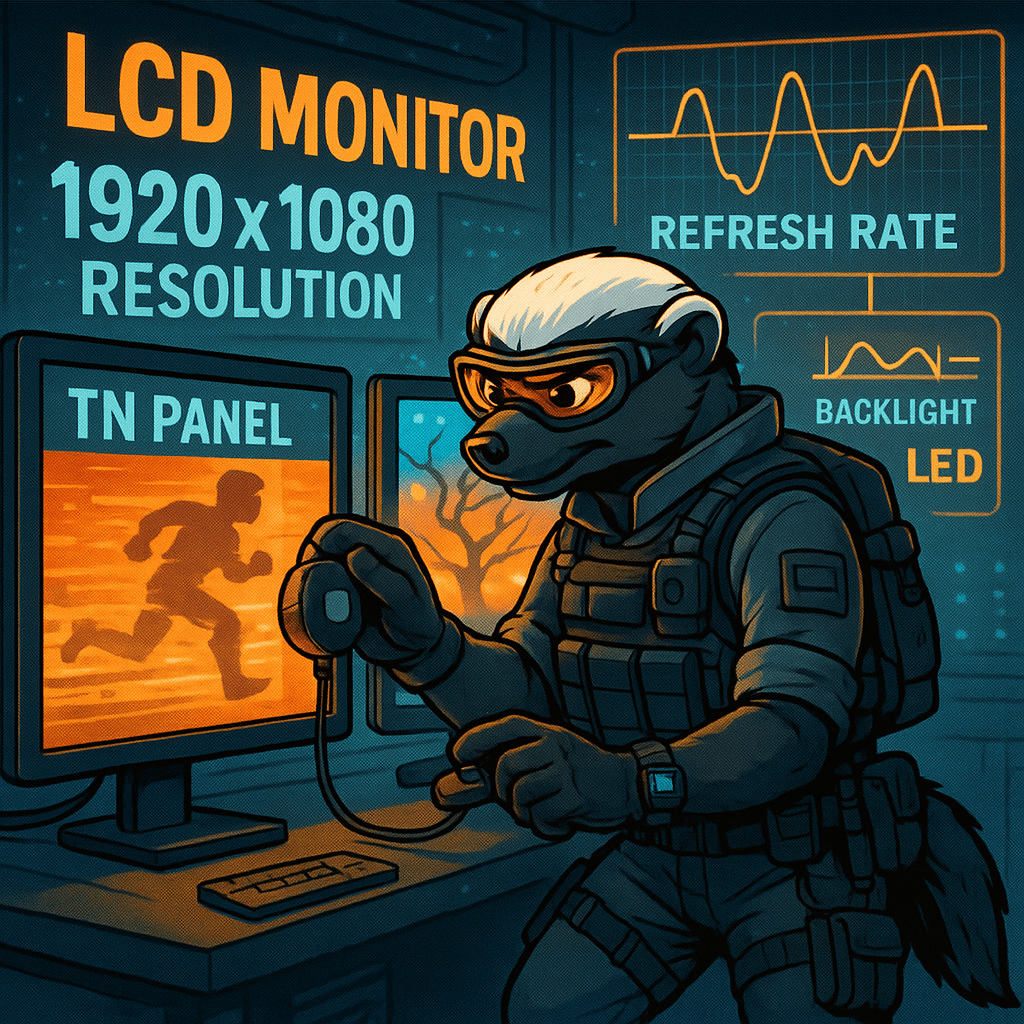
Liquid Crystal Display (LCD) monitors use liquid crystals and a backlight to create images on screen. Each pixel is composed of subpixels (red, green, and blue) controlled by liquid crystal alignment, which either blocks or passes light from the backlight. There are two key types of LCD panel technologies: Fast response times Lower cost Narrower…
-
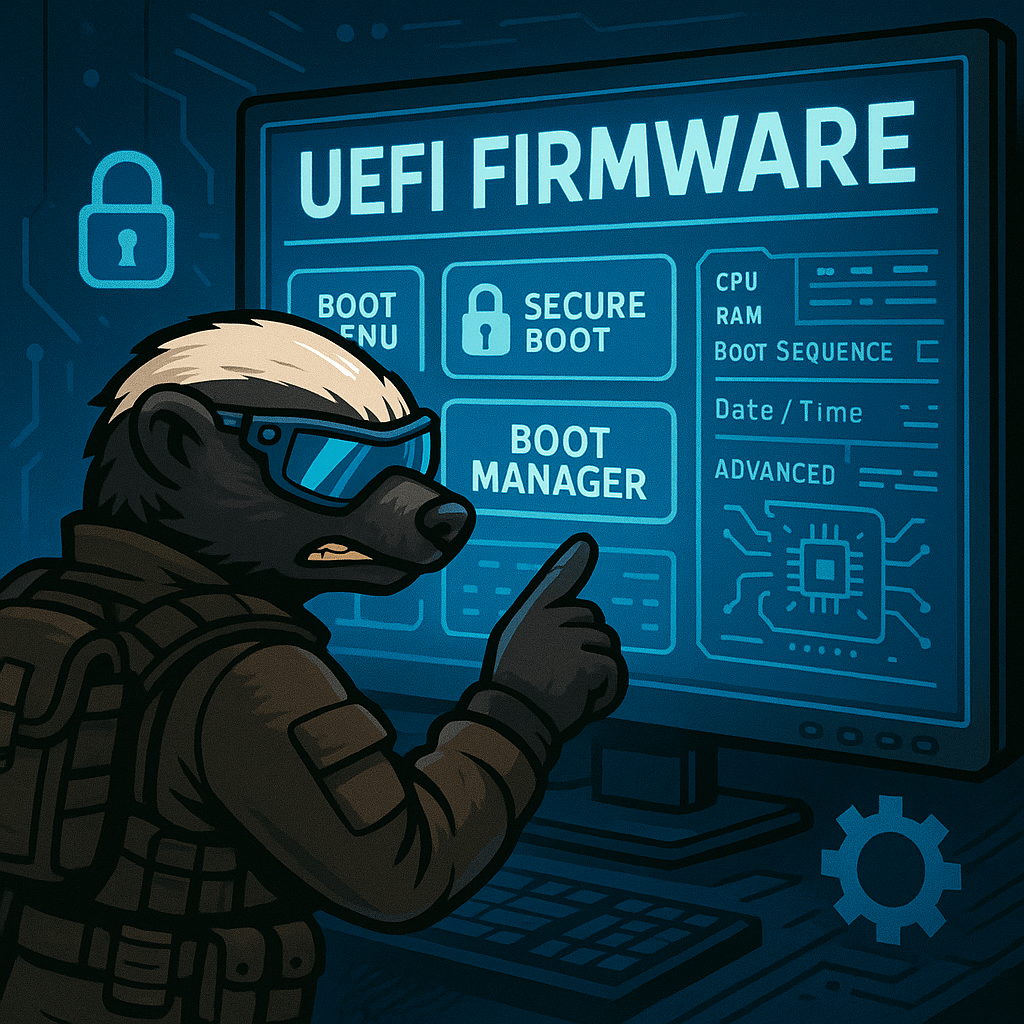
UEFI, or Unified Extensible Firmware Interface, is the modern replacement for traditional BIOS in today’s computers. It is the firmware layer that initializes hardware components and passes control to the operating system during the boot process. UEFI offers several advantages over BIOS, including support for larger drives (over 2 TB), faster boot times, a graphical…
-
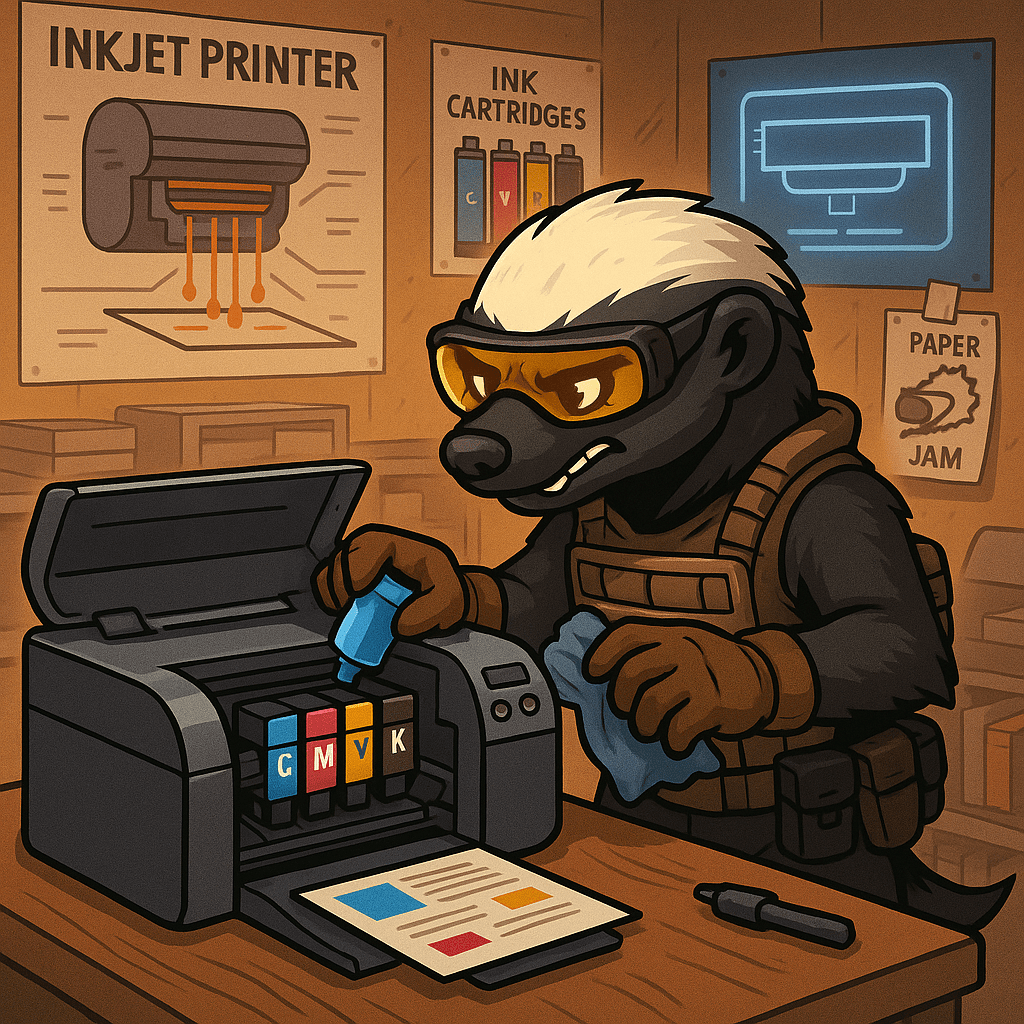
Inkjet printers are among the most common types of consumer and small office printers, known for their ability to produce detailed color images and sharp text on a variety of media. They function by spraying tiny droplets of ink directly onto paper through nozzles in the printhead. These droplets are controlled with extreme precision, often…
-

RAID, or Redundant Array of Independent Disks, is a method of combining multiple physical drives into a single logical unit to improve performance, redundancy, or both. It’s commonly used in servers, NAS devices, and business-class desktops to ensure data reliability and uptime. Different RAID levels offer different trade-offs between speed, fault tolerance, and capacity. RAID…
-
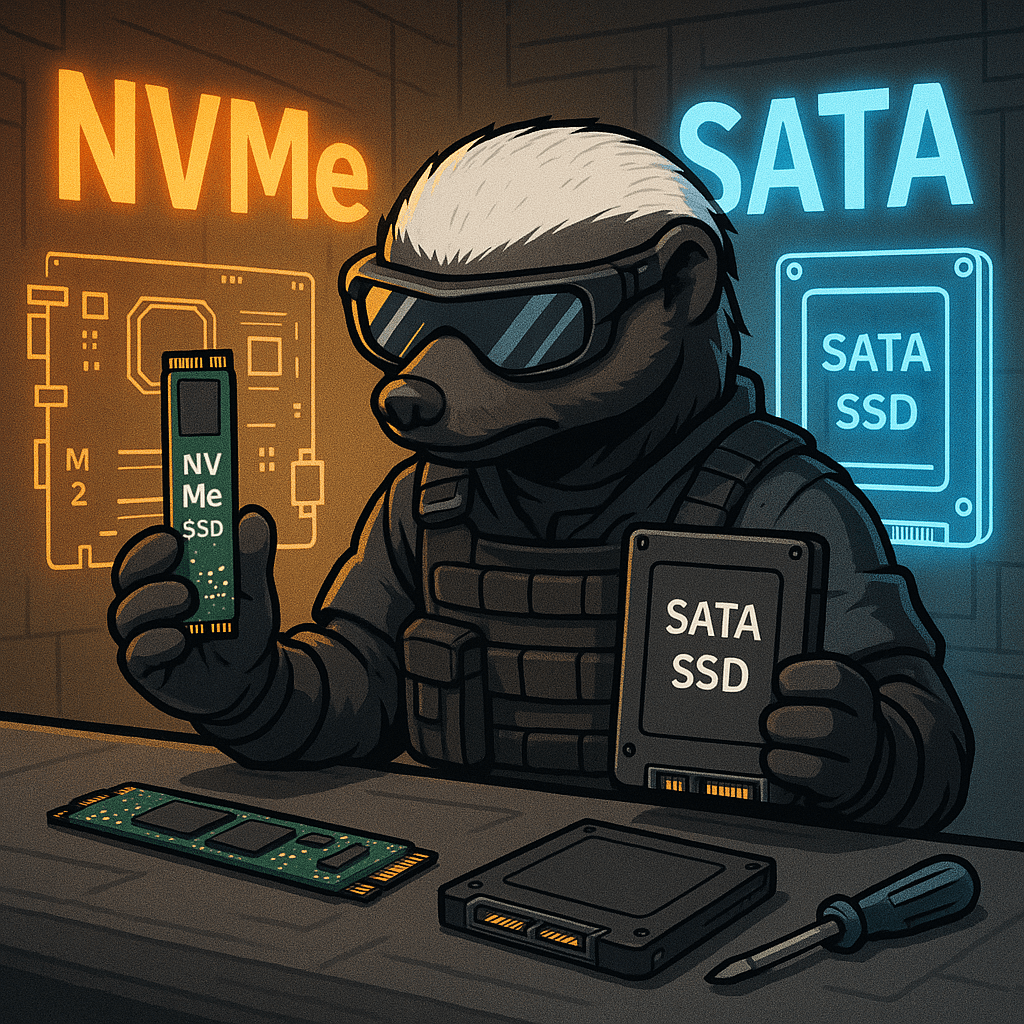
In modern computing, Solid State Drives (SSDs) have largely replaced traditional spinning hard drives due to their superior speed and reliability. Among SSD types, two interfaces dominate: SATA SSDs and NVMe SSDs. Both offer fast performance compared to HDDs, but the underlying technology and connection methods set them apart significantly. SATA SSDs use the Serial…
-
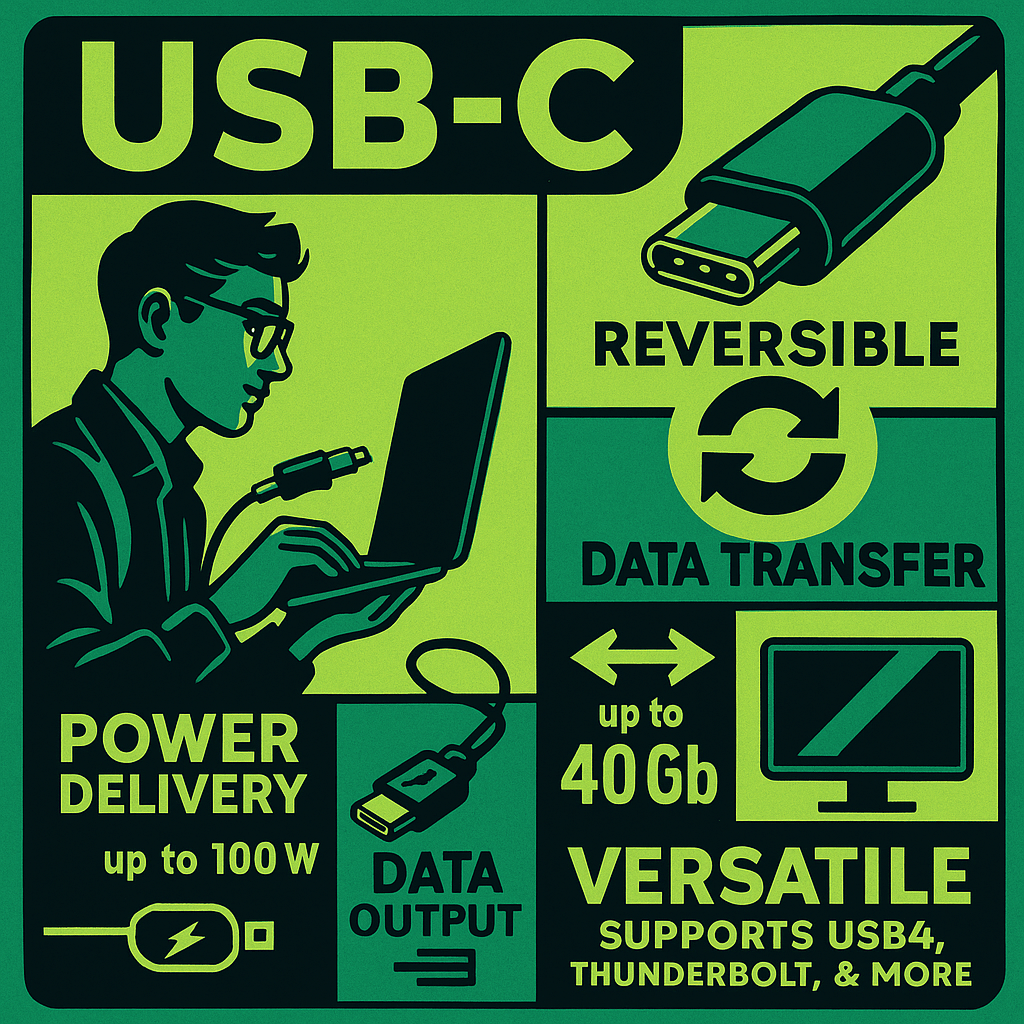
USB-C (Universal Serial Bus Type-C) is a modern, reversible 24-pin connector designed to replace earlier USB types (USB-A, USB-B, Micro-USB) with a more compact, versatile, and powerful solution. Unlike previous versions, USB-C can transmit data, video, and power through a single cable, making it ideal for charging laptops, connecting external displays, and transferring high-speed data.…
-
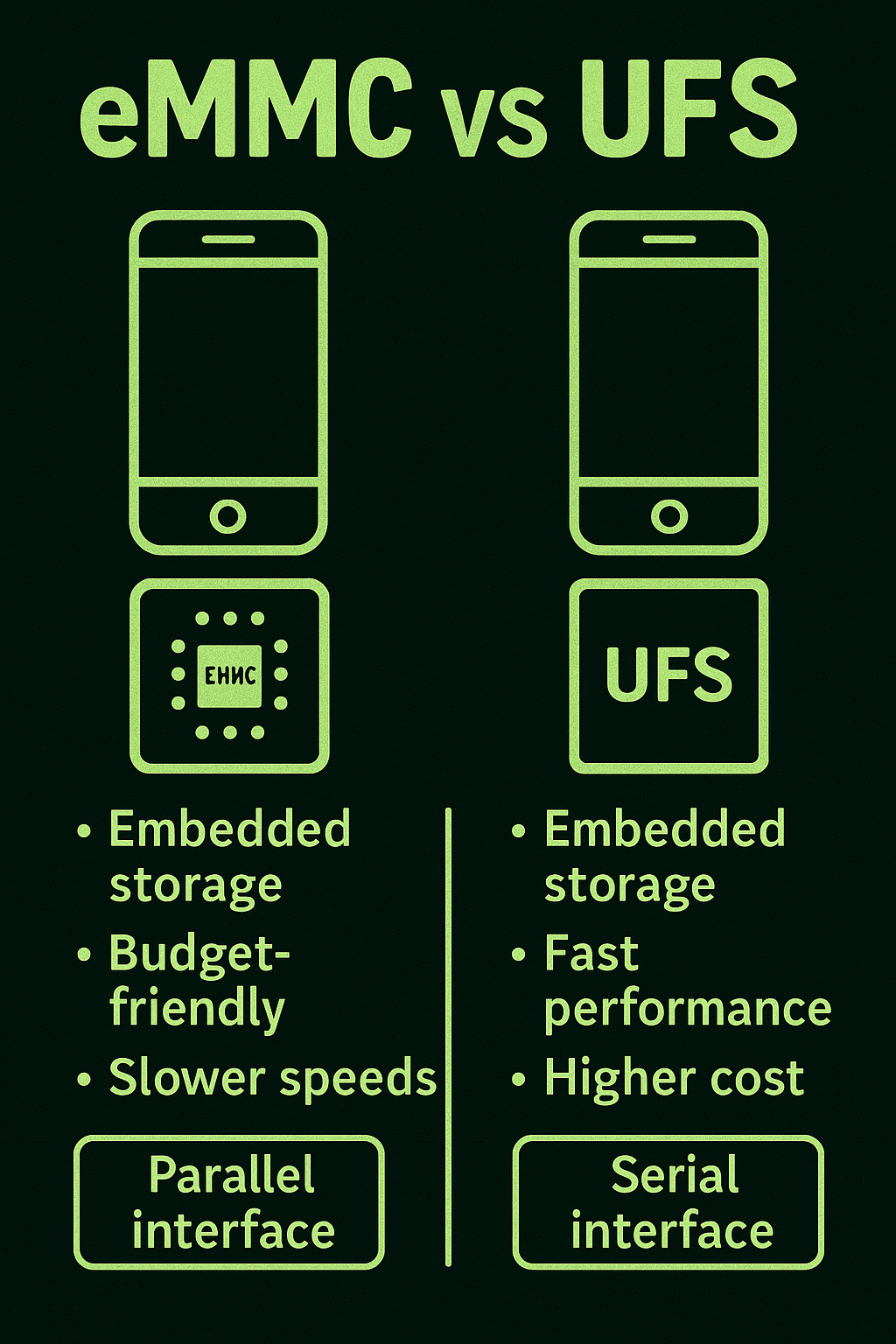
eMMC (embedded MultiMediaCard) and UFS (Universal Flash Storage) are two types of embedded storage used in smartphones, tablets, and entry-level laptops. eMMC integrates flash memory and a controller into a single package, functioning similarly to an SD card. It’s affordable, compact, and easy to implement, making it common in budget devices. However, eMMC operates on…
-
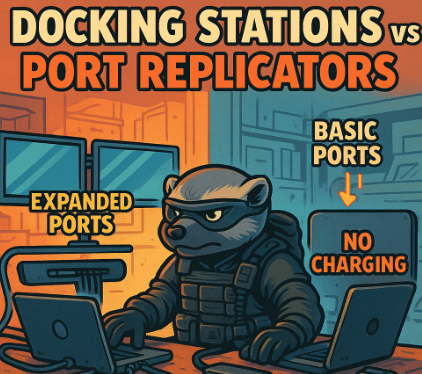
What Is a Docking Station? A docking station is a physical expansion unit that connects to a laptop and transforms it into a full desktop workstation. It adds additional ports such as USB, Ethernet, HDMI, DisplayPort, audio jacks, and charging capabilities, often through a single USB-C or proprietary connector. Docking stations typically: Support multiple monitors…
-
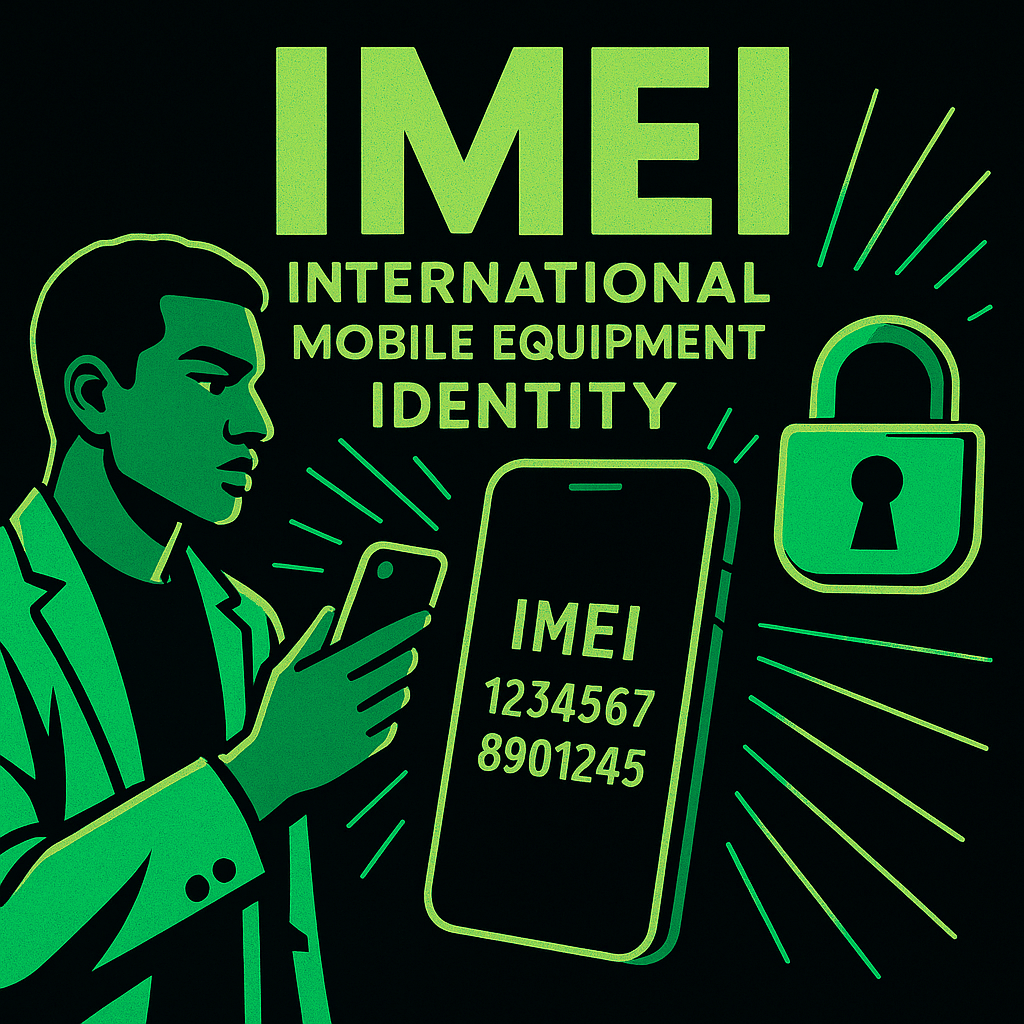
The IMEI (International Mobile Equipment Identity) is a unique 15-digit number assigned to every mobile device that connects to a cellular network. Unlike a SIM card, which identifies the user, the IMEI identifies the device itself. It is used by carriers to track stolen devices, block lost phones from network access, and enforce blacklists. IMEI…

