Information Technology
-
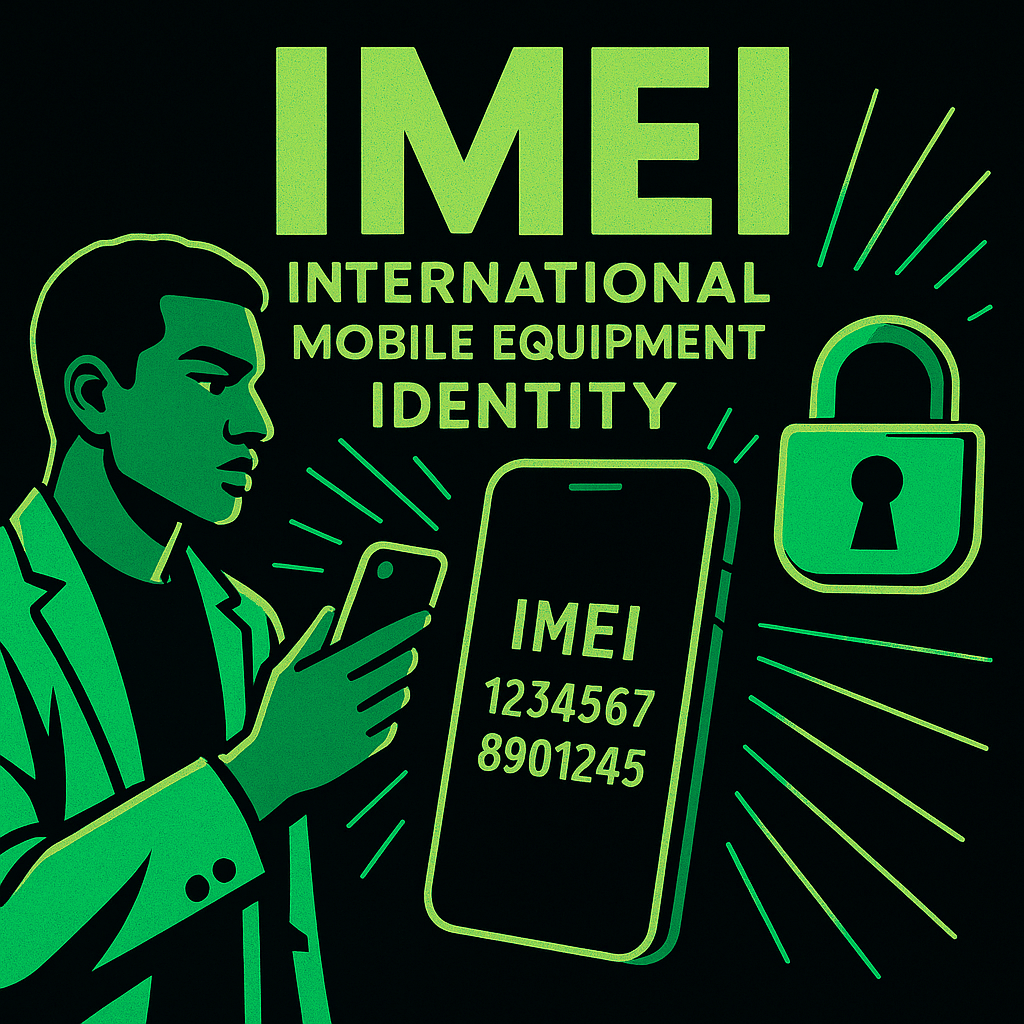
The IMEI (International Mobile Equipment Identity) is a unique 15-digit number assigned to every mobile device that connects to a cellular network. Unlike a SIM card, which identifies the user, the IMEI identifies the device itself. It is used by carriers to track stolen devices, block lost phones from network access, and enforce blacklists. IMEI…
-
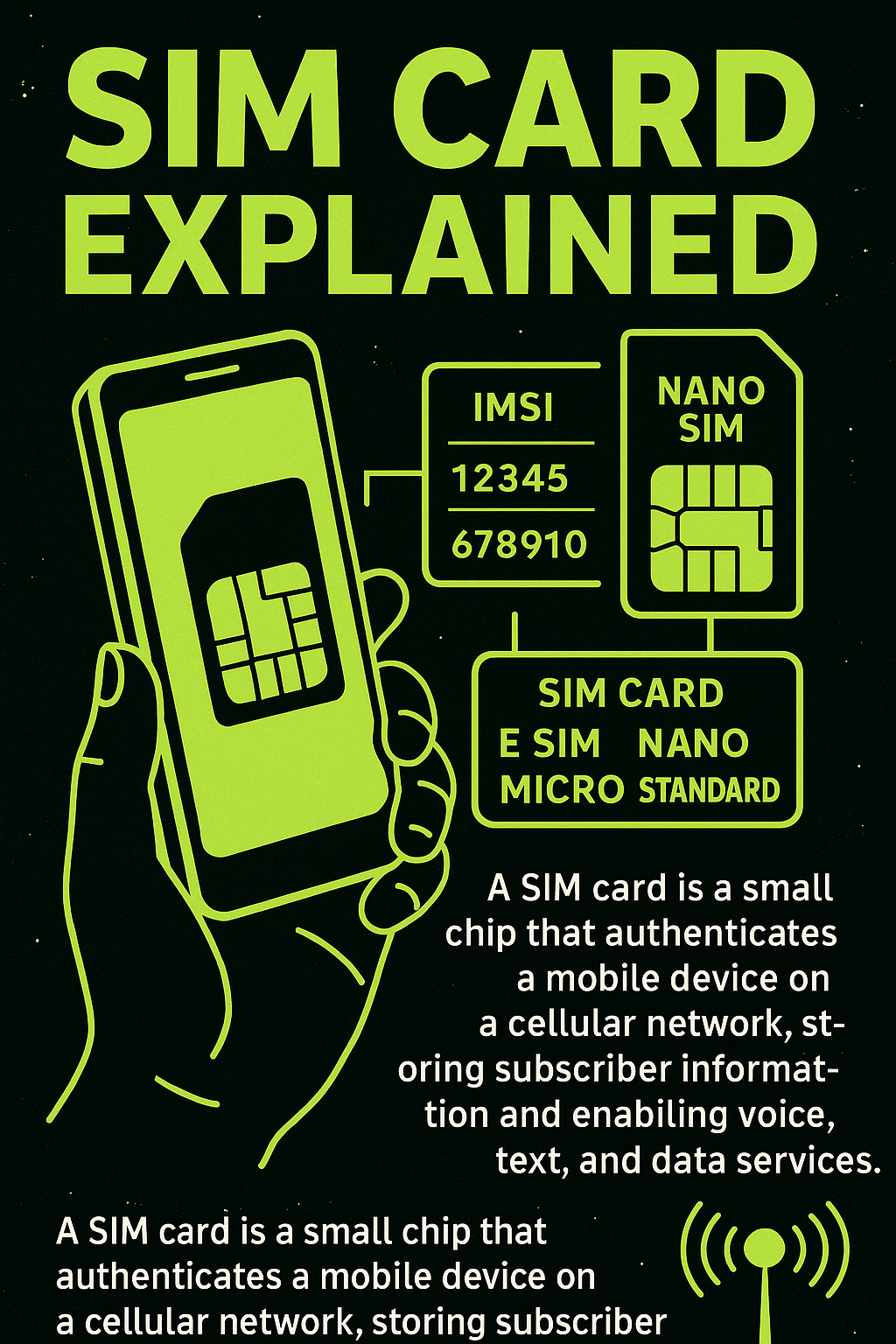
A SIM card (Subscriber Identity Module) is a small, removable smart card used in mobile devices to securely store information that authenticates a user to a mobile carrier’s network. It contains the IMSI (International Mobile Subscriber Identity) and a secret authentication key, which allows the mobile device to connect to the carrier’s GSM, LTE, or…
-

The file command in Linux is used to determine the true type of a file by inspecting its contents, not just its name or extension. Unlike many operating systems that rely on file extensions (like .jpg, .txt, or .mp3), Linux doesn’t depend on naming alone. The file command reads the internal binary signatures of the…
-
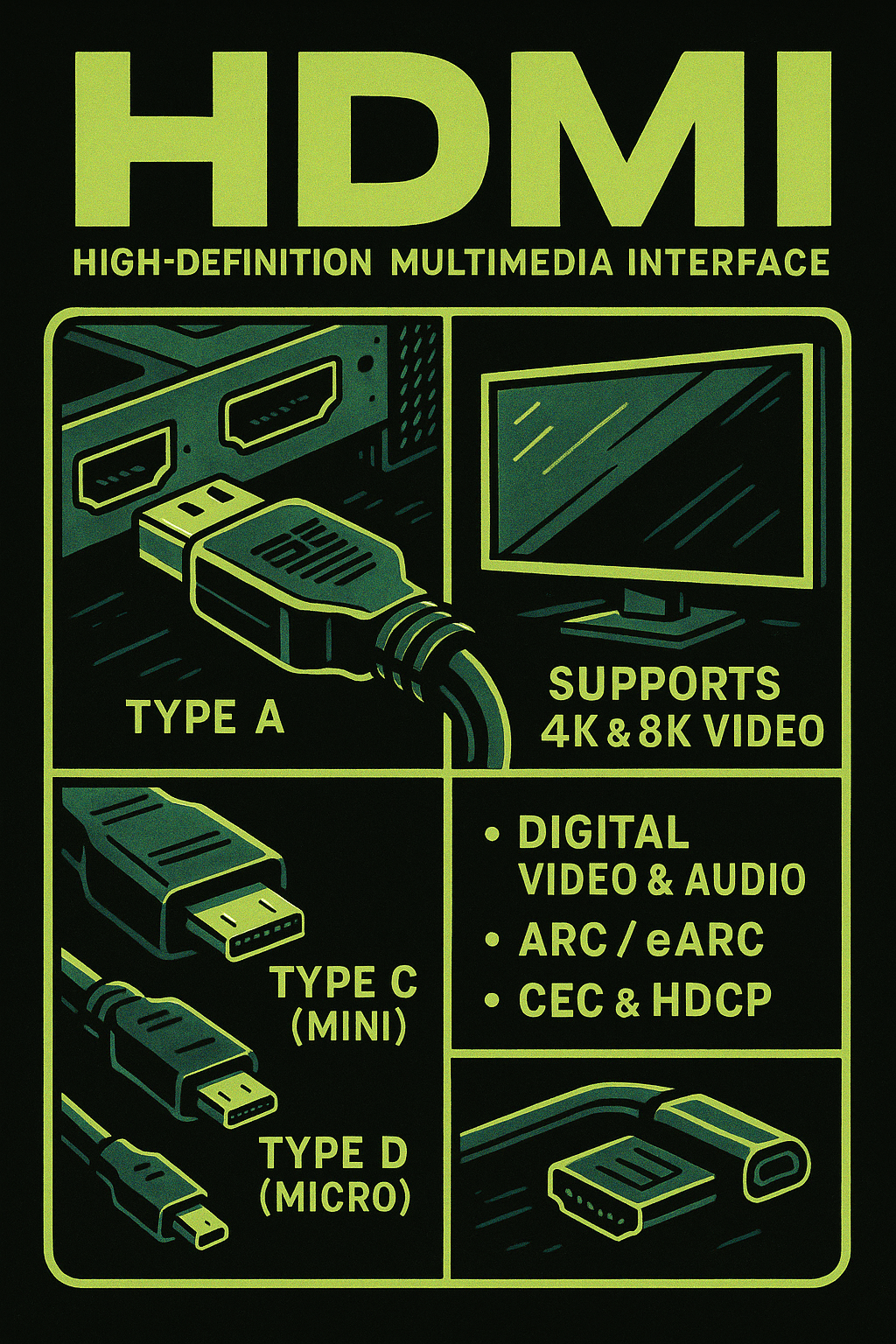
HDMI (High-Definition Multimedia Interface) is a proprietary audio/video interface designed to transmit uncompressed digital video and audio from a source device to a display or audio receiver. It supports a wide range of high-resolution formats, including 1080p, 4K, and even 8K video, along with multi-channel digital audio—all through a single cable. HDMI connectors come in…
-
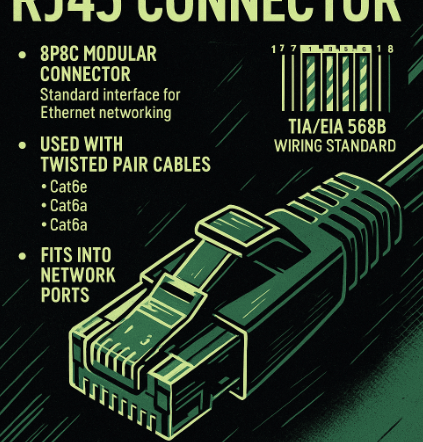
The RJ45 connector is the industry-standard interface used to terminate twisted-pair Ethernet cables for wired networking. Formally known as an 8P8C (eight positions, eight contacts) modular connector, RJ45 is used to connect devices such as computers, routers, switches, and patch panels in both residential and enterprise environments. It supports network standards like 10BASE-T, 100BASE-TX, 1000BASE-T,…
-

The Linux kernel serves as the core component of the Linux operating system, acting as a bridge between software applications and the physical hardware of the machine. Originally created by Linus Torvalds in 1991, it manages critical system resources such as CPU, memory, input/output devices, and networking. By providing a secure, stable, and efficient environment…
-

HTTP (HyperText Transfer Protocol) is the foundation of data communication on the World Wide Web, enabling browsers and servers to exchange information like webpages, images, and files. HTTP operates on TCP port 80 and transmits data in plaintext, making it vulnerable to interception, eavesdropping, and man-in-the-middle attacks. While still used in some internal or legacy…
-
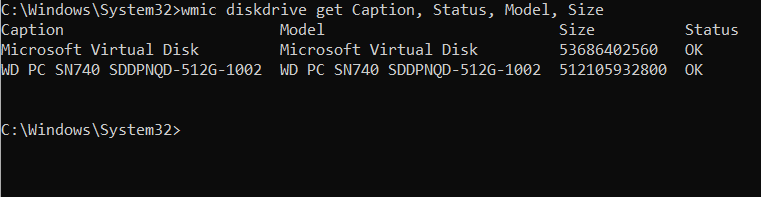
The Windows Management Instrumentation Command-line (WMIC) tool is a command-line utility that enables users to interact with the Windows Management Instrumentation (WMI) system. WMI provides access to detailed system information, hardware diagnostics, and management capabilities without requiring a graphical interface. WMIC simplifies querying system properties, retrieving hardware data, and monitoring system health using predefined aliases.…
-
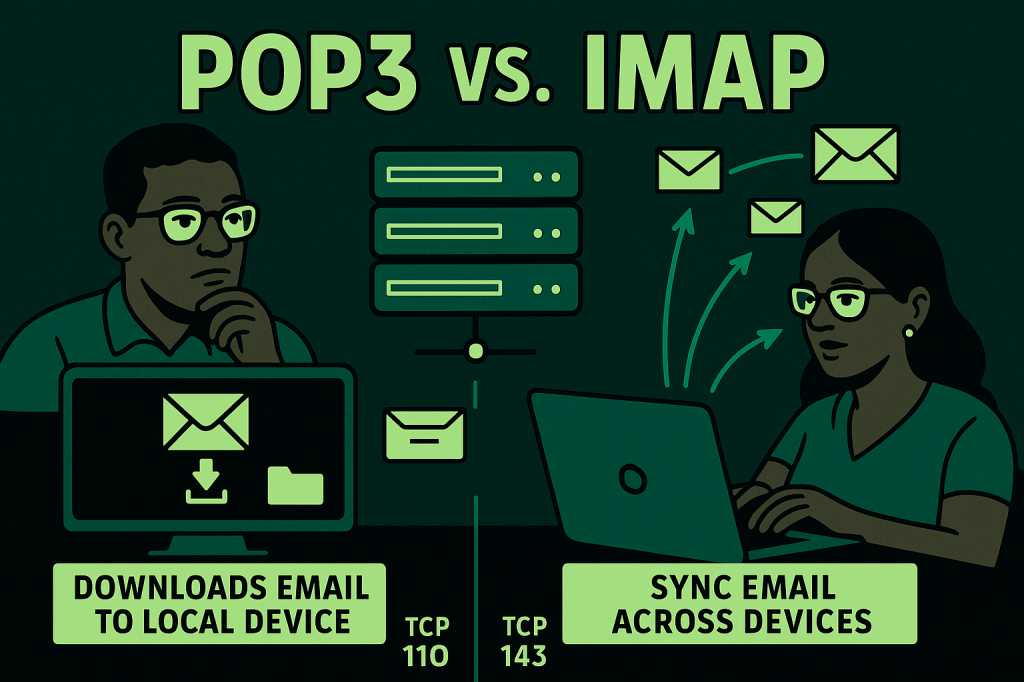
POP3 (Post Office Protocol version 3) is an email retrieval protocol that allows a client to download messages from a mail server to a local device. Operating over TCP port 110 (or 995 with SSL/TLS), POP3 typically downloads and then deletes messages from the server unless configured otherwise. It is ideal for users who want…
-
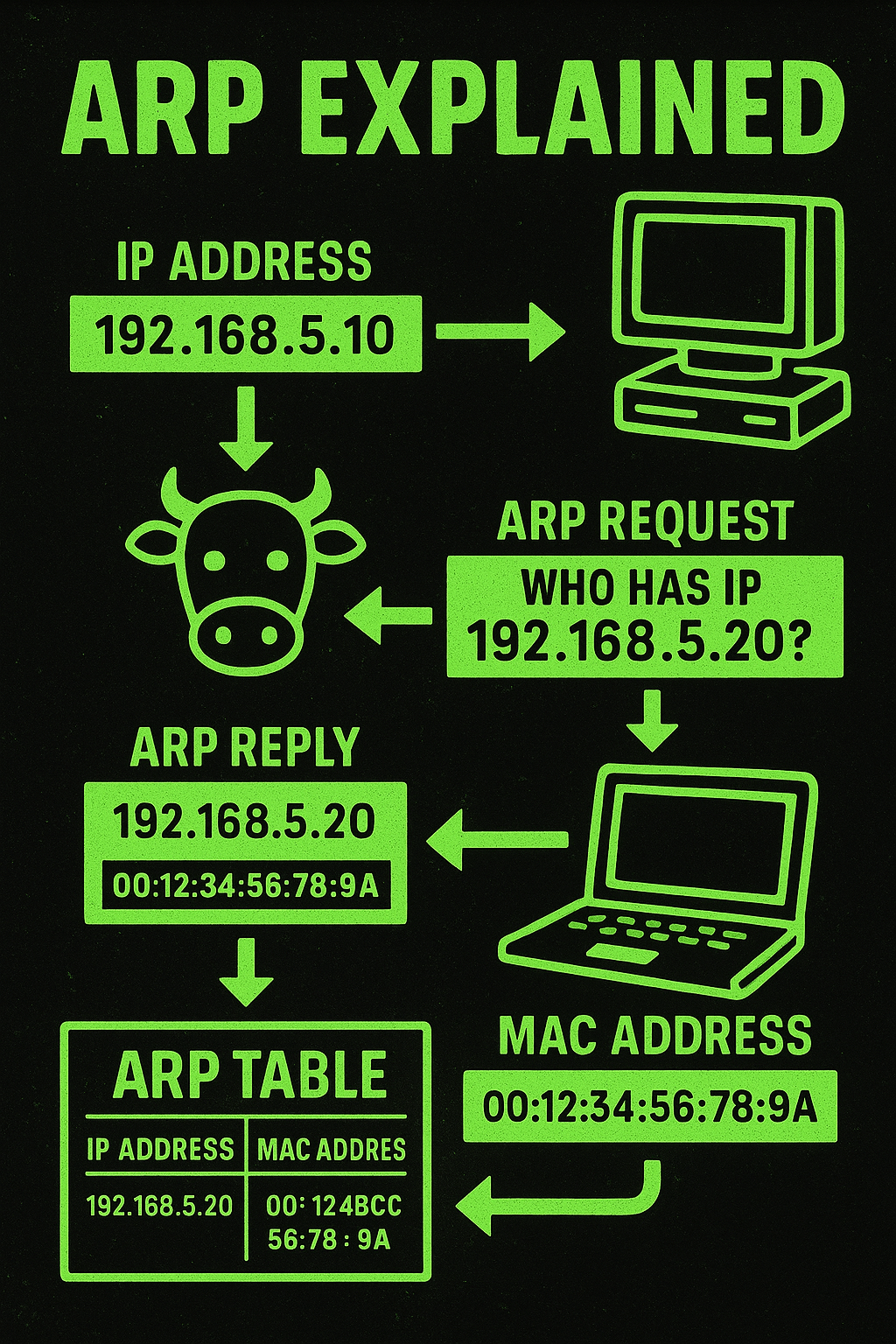
ARP (Address Resolution Protocol) is a Layer 2 protocol used to map a known IPv4 address to its corresponding MAC address on a local network segment. When a device wants to communicate with another IP on the same subnet, it broadcasts an ARP Request to ask, “Who has this IP?” The device with the matching…
-
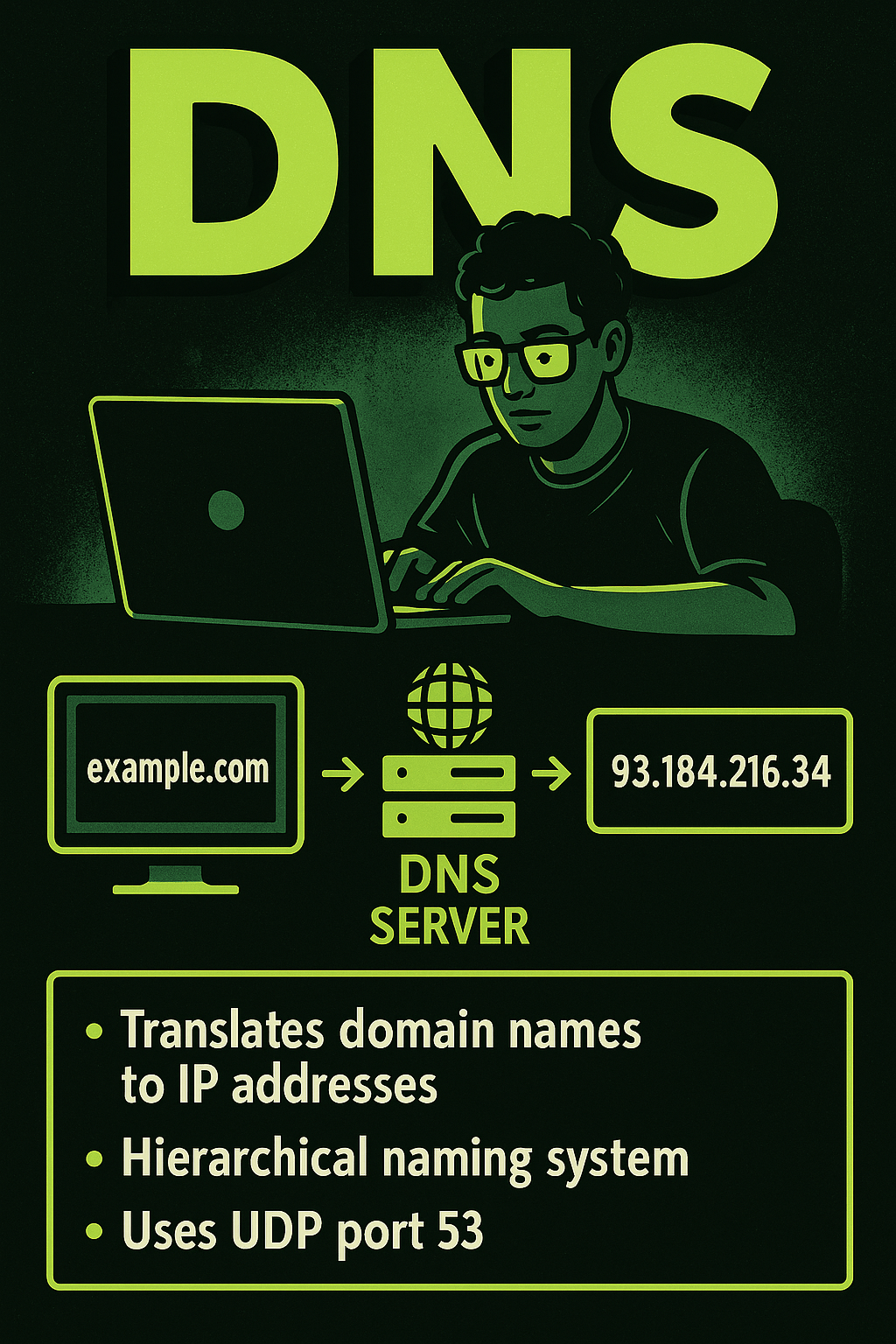
DNS (Domain Name System) is a foundational internet service that translates human-friendly domain names like example.com into IP addresses that computers use to communicate, such as 93.184.216.34. This system works in a hierarchical manner, involving root servers, top-level domains (TLDs), and authoritative name servers. When a user enters a URL into a browser, a DNS…
-
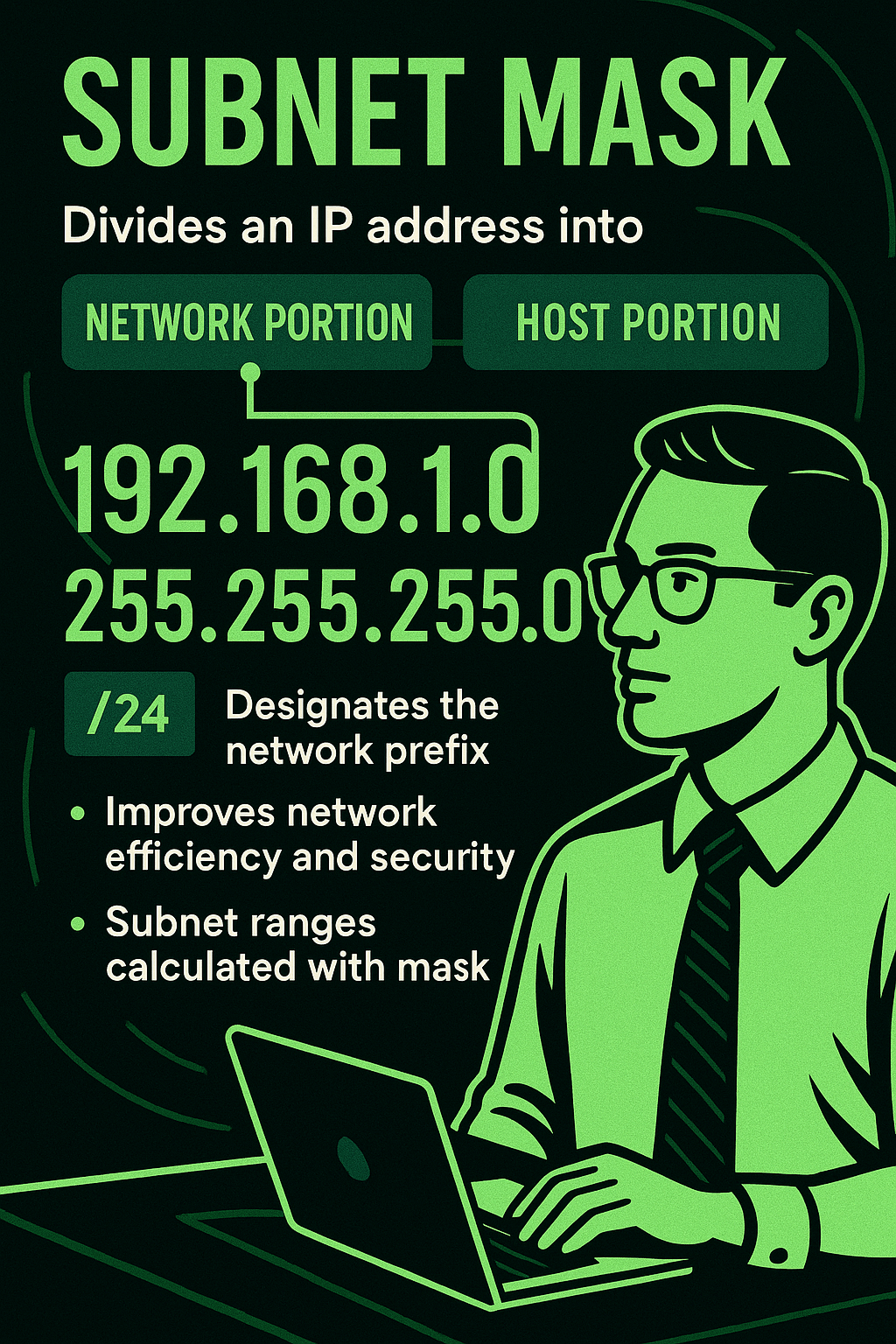
A subnet mask is used in IP networking to divide an IP address into network and host portions, allowing efficient IP address allocation and enhancing routing performance. For example, a subnet mask of 255.255.255.0 (or /24 in CIDR notation) designates the first 24 bits of the IP address as the network portion, leaving the remaining…

