Information Technology
-
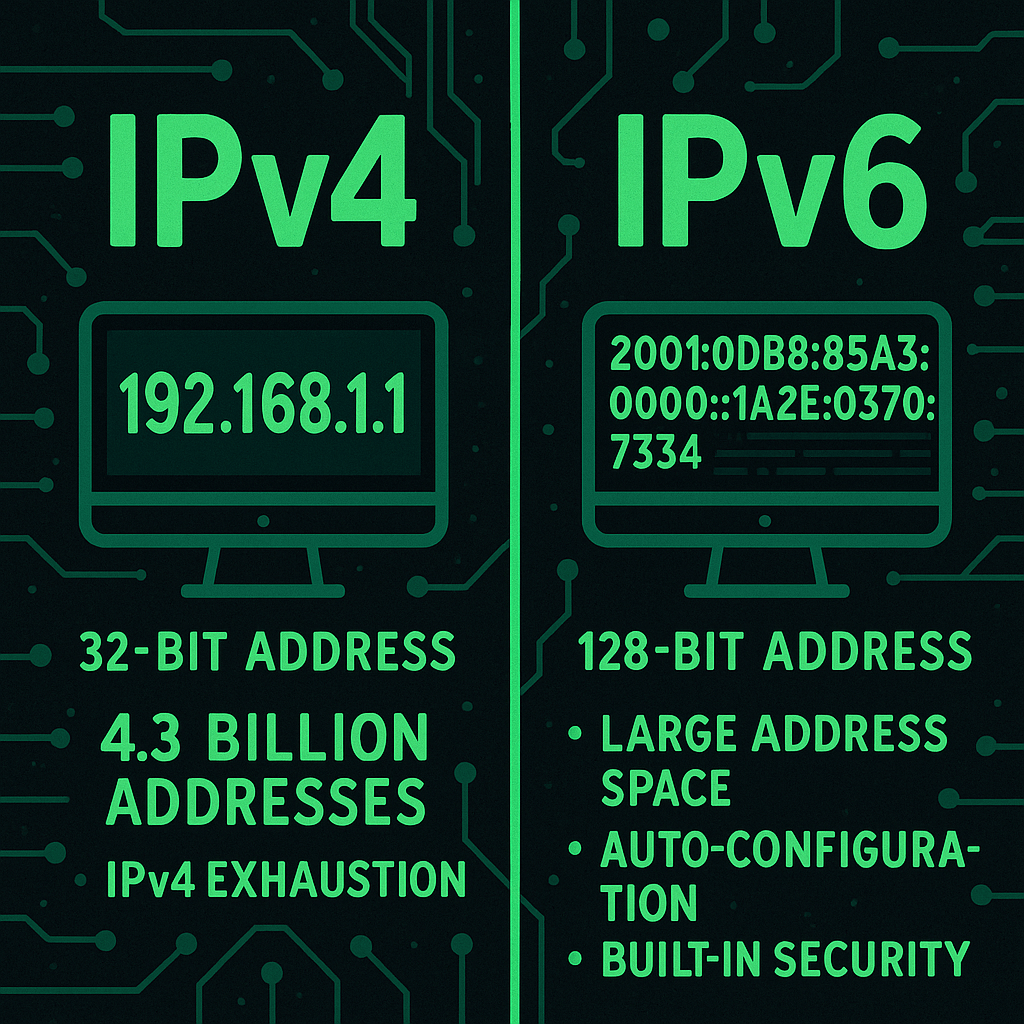
IPv4 (Internet Protocol version 4) is the fourth version of the IP protocol and remains the most widely used standard for assigning IP addresses on the internet and private networks. It uses a 32-bit addressing scheme, represented in dotted decimal format (e.g., 192.168.1.1), which provides approximately 4.3 billion unique addresses. Due to the limited pool…
-
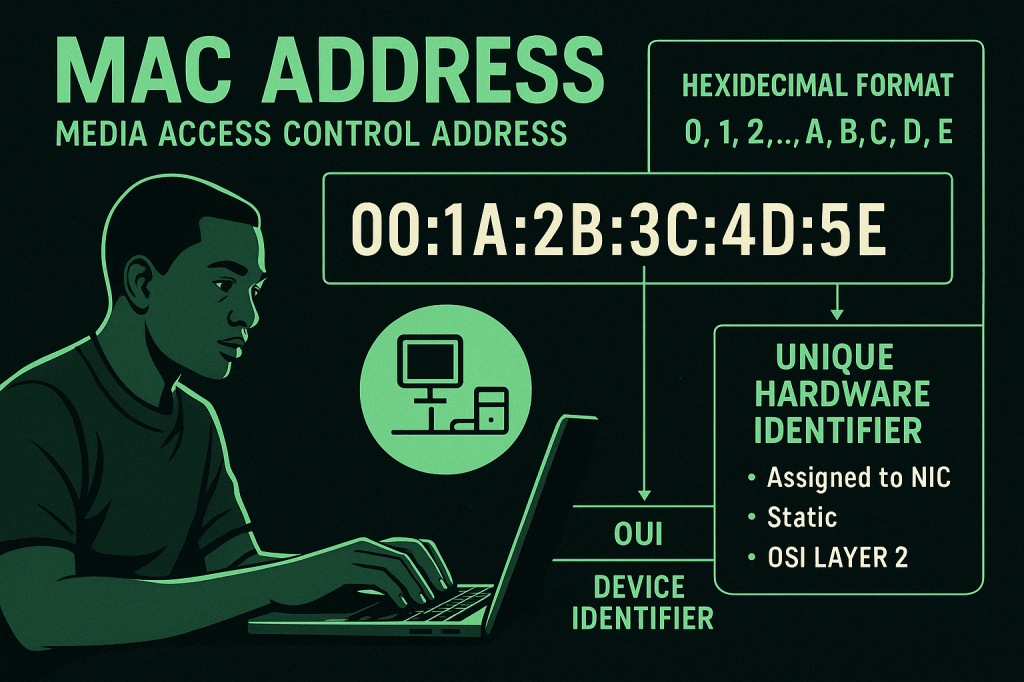
A MAC address (Media Access Control address) is a globally unique identifier assigned to a network interface controller (NIC) by the manufacturer. It operates at OSI Layer 2 (Data Link Layer) and is typically written in hexadecimal format, such as 00:1A:2B:3C:4D:5E. The MAC address consists of two parts: the Organizationally Unique Identifier (OUI), which identifies…
-
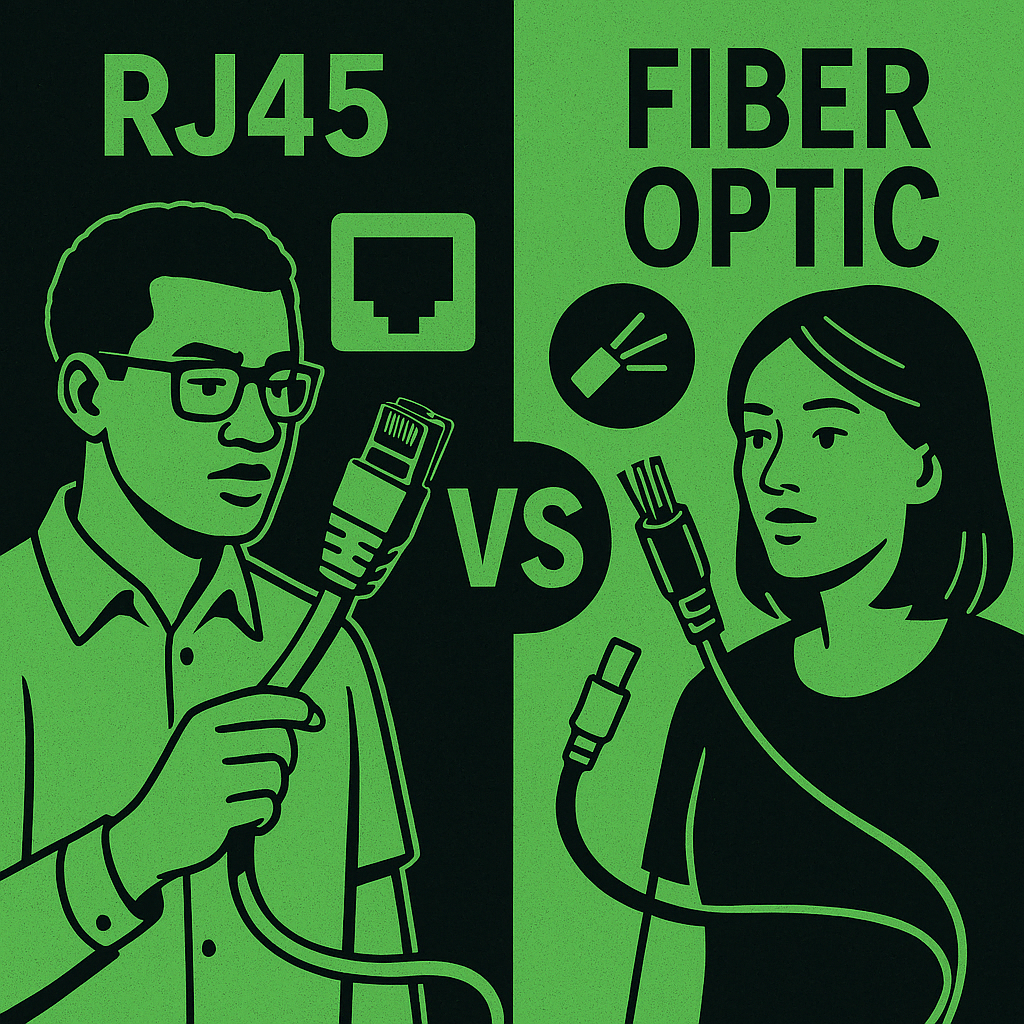
RJ45 Ethernet cabling and fiber optic cabling are two dominant physical media used in networking, each with unique characteristics suited for different scenarios. RJ45 uses twisted-pair copper wires terminated with an 8P8C modular connector (commonly referred to as RJ45) and is typically deployed in LAN environments. Ethernet standards like Cat5e, Cat6, and Cat6a support speeds…
-
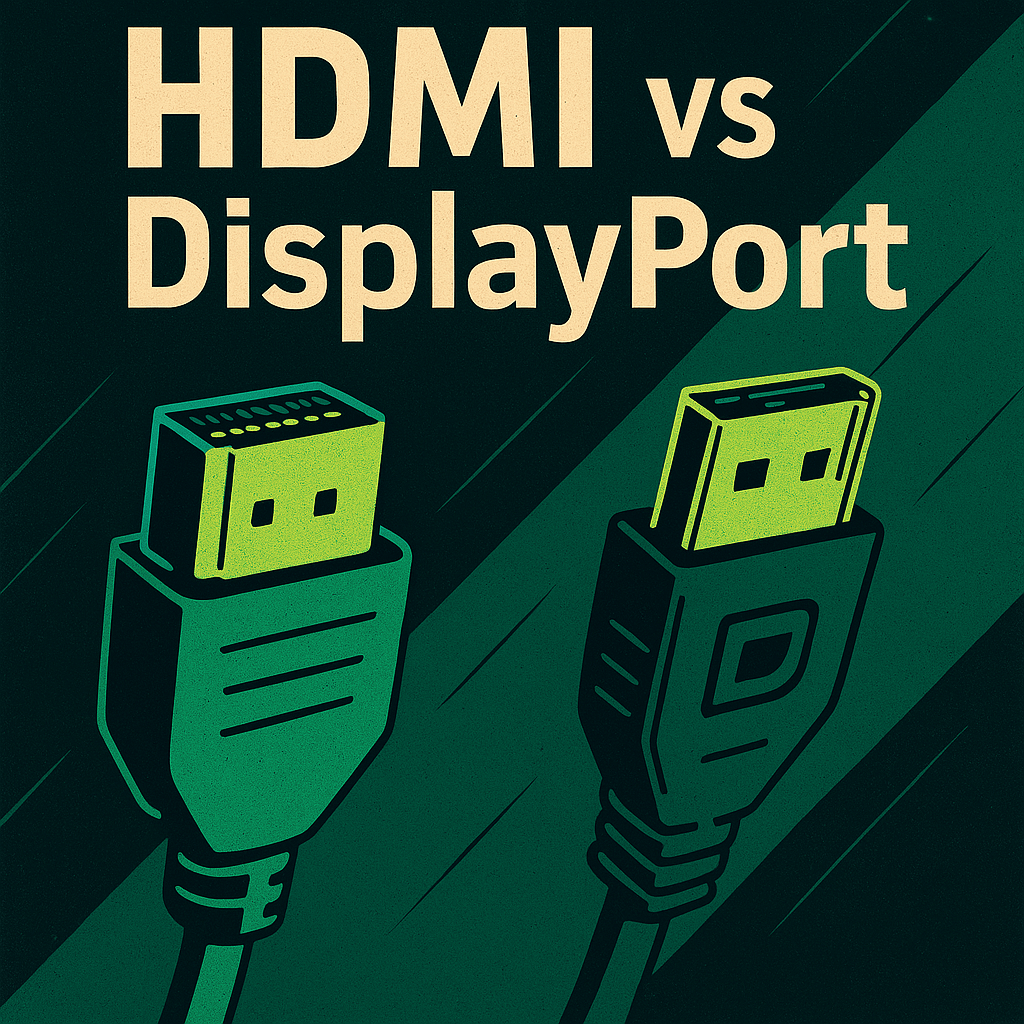
HDMI (High-Definition Multimedia Interface) and DisplayPort are two widely adopted digital display interfaces, but they are optimized for different environments. HDMI is the standard for consumer electronics, including TVs, projectors, game consoles, and media players. It supports both audio and video in a single cable and includes features like CEC (Consumer Electronics Control) and ARC…
-

SSD (Solid-State Drive) and eMMC (embedded Multi Media Card) are both forms of flash memory, but they differ significantly in performance, upgradability, and use cases. SSDs are standalone storage devices used in laptops, desktops, and servers, often connected via SATA, PCIe, or NVMe interfaces. They offer high read/write speeds, long lifespan, and come in capacities…
-

BIOS (Basic Input/Output System) and CMOS (Complementary Metal-Oxide Semiconductor) are closely related components in PC architecture, but they serve distinct functions. BIOS is firmware stored on a chip on the motherboard, responsible for initializing hardware during boot-up, performing POST (Power-On Self-Test), and launching the operating system. It also provides a configuration interface where users can…
-

Peripherals are external devices that connect to a computer to extend its input, output, or storage capabilities. They fall into three main categories: input devices, output devices, and input/output (I/O) devices. Common input peripherals include keyboards, mice, trackpads, scanners, microphones, and webcams. These devices allow users to enter data, control the system, and capture images…
-
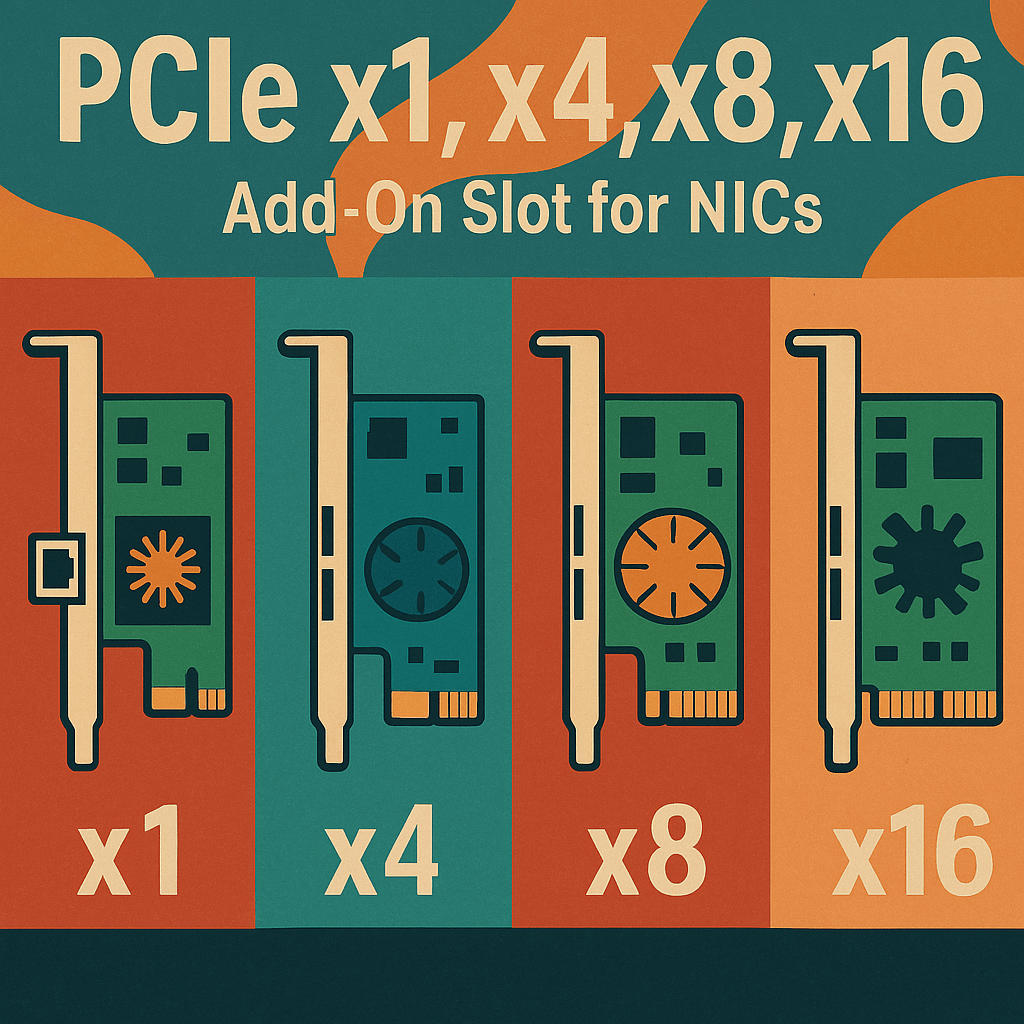
PCI Express (PCIe) is the industry-standard high-speed interface used to connect add-on components—like network interface cards (NICs)—to a computer’s motherboard. For NICs, PCIe offers dedicated data lanes to the CPU or chipset, ensuring low-latency, high-throughput, and scalable bandwidth. PCIe slots are designated by their lane count: x1, x4, x8, and x16. Each lane consists of…
-
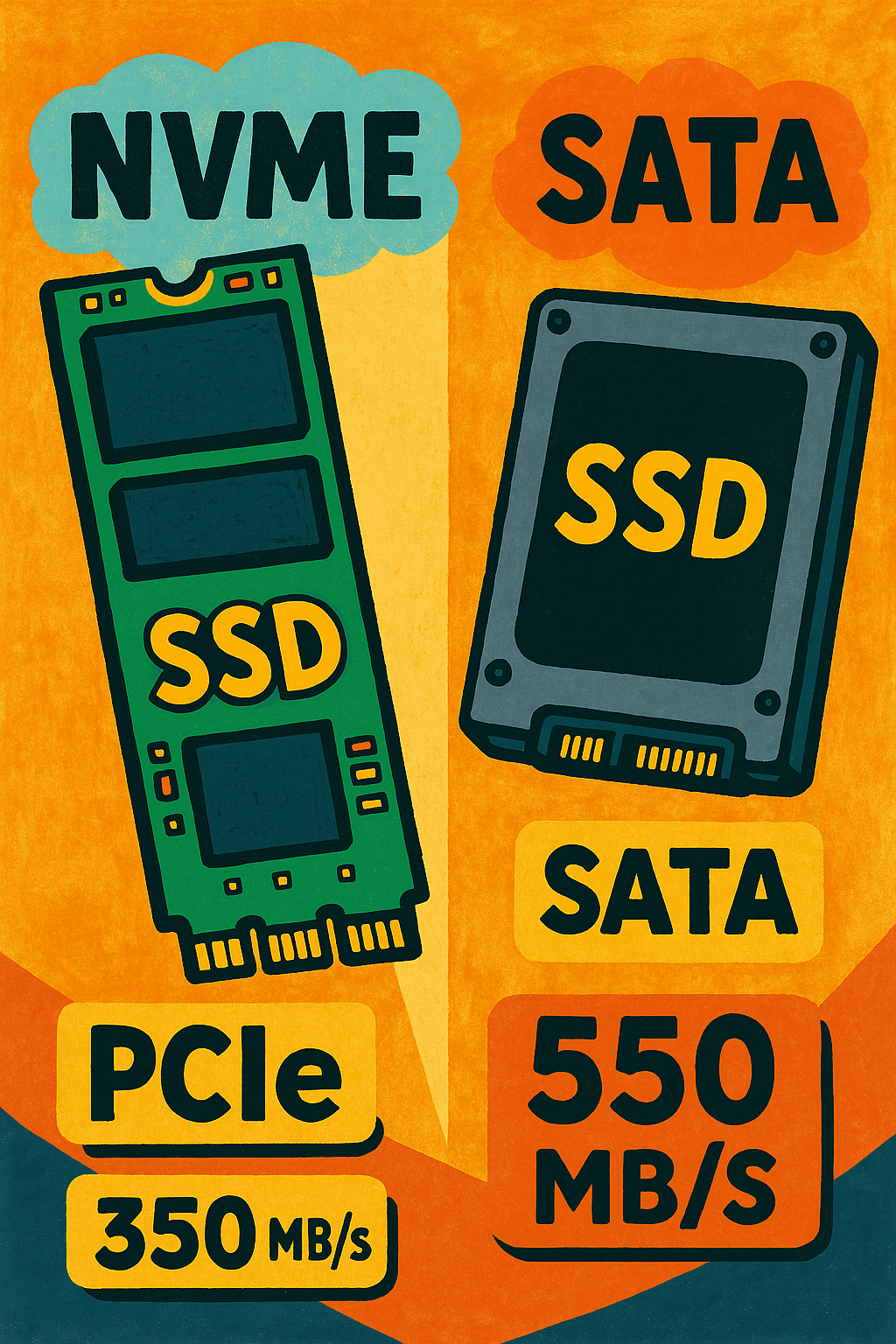
NVMe (Non-Volatile Memory Express) and SATA (Serial ATA) are two types of interfaces used to connect SSDs to a system, and while both offer significant advantages over traditional HDDs, their performance differences are critical. SATA SSDs, which use the older AHCI protocol and connect via the SATA III interface, typically max out at 550 MB/s…
-
Storage drive problems can cause system crashes, data loss, and performance degradation. Symptoms may include the system failing to boot, slow file access, corrupted files, or frequent read/write errors. Initial troubleshooting begins by checking physical connections such as SATA, NVMe, or power cables, and confirming that the drive is detected in BIOS or UEFI. For…
-

Installing and configuring common devices is a foundational task for entry-level IT technicians and often the first step in setting up functional workstations for users. Devices in this category include monitors, printers, external drives, input devices like mice and keyboards, and audio peripherals such as speakers and headsets. Installation begins with identifying the correct interface—typically…
-

The Dynamic Host Configuration Protocol (DHCP) is a network service used to automatically assign IP addresses and other configuration information—such as the subnet mask, default gateway, and DNS servers—to client devices on a network. This removes the need for manual IP configuration and helps avoid conflicts caused by duplicate IPs. DHCP is essential for managing…

