Information Technology
-

Laptop display assemblies house several critical components beyond just the LCD or LED screen itself. These components typically include the screen panel, inverter (older models), backlight, digitizer (in touchscreens), webcam, microphone, Wi-Fi antennas, and sometimes even the IR sensor or ambient light sensor. Each of these components serves a specific function—LCDs/LEDs handle visual output, webcams…
-
Mobile device synchronization ensures that user data such as contacts, emails, calendars, media files, and application data remain consistent across multiple platforms. Synchronization can be conducted through several methods including cloud-based sync, local sync, and enterprise-level synchronization. Popular cloud services include Google Account Sync for Android devices and Apple iCloud for iOS devices, which automatically…
-
CompTIA, short for the Computing Technology Industry Association, is a globally recognized nonprofit trade organization that issues professional IT certifications. It is best known for certifications like A+, Network+, and Linux+, which validate foundational and specialized tech skills. CompTIA plays a major role in setting industry standards for information technology education and workforce development. I…
-

Cables serve as the physical medium that transmits data, power, and signals between devices in computing and networking environments. In IT, the most common data cables include Ethernet cables, coaxial cables, and fiber optic cables. Ethernet cables, or twisted pair cables, are the most widely used in local area networks (LANs) and come in categories…
-
When troubleshooting motherboards, RAM, CPU, and power issues, the first step is to carefully observe system behavior during startup. Common symptoms like no power, random reboots, beep codes, no display, or failure to POST (Power-On Self-Test) often indicate problems with these core components. For power issues, always verify that the power supply unit (PSU) is…
-

When building a custom PC, the first step is understanding the user’s specific requirements. A basic family desktop is typically used for web browsing, document creation, streaming media, light photo editing, and running basic productivity applications. For such a system, a budget-friendly quad-core processor (such as an Intel Core i3 or AMD Ryzen 3) will…
-
Display-related issues commonly appear as no image, flickering, color distortion, incorrect resolution, or complete loss of signal. Initial troubleshooting focuses on physical checks—confirming the cable type (HDMI, DisplayPort, VGA, DVI) is correct and firmly connected at both ends. Faulty or loose cables are among the most frequent causes of display problems. Technicians should inspect cables…
-
The Windows Firewall, officially known as Windows Defender Firewall, is a built-in security feature included with modern versions of the Windows operating system. It provides both inbound and outbound traffic filtering based on customizable rules, protecting devices from unauthorized access and common network threats. By default, Windows Firewall operates with a balanced set of pre-configured…
-

Cloud computing is the delivery of computing services—including servers, storage, databases, networking, software, analytics, and more—over the internet rather than through local infrastructure. It offers organizations flexibility, scalability, and reduced upfront costs by eliminating the need for physical hardware. The most common cloud computing types are public cloud, private cloud, hybrid cloud, and community cloud.…
-
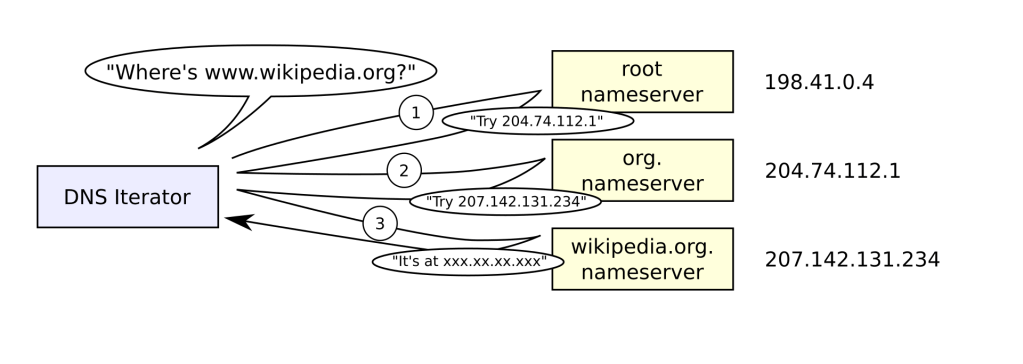
The Domain Name System (DNS) is like the phonebook of the internet. It translates human-friendly domain names such as www.google.com into IP addresses like 142.250.190.78, which computers use to locate and communicate with each other across networks. Without DNS, users would need to memorize long strings of numbers to access websites, making the internet much…
-
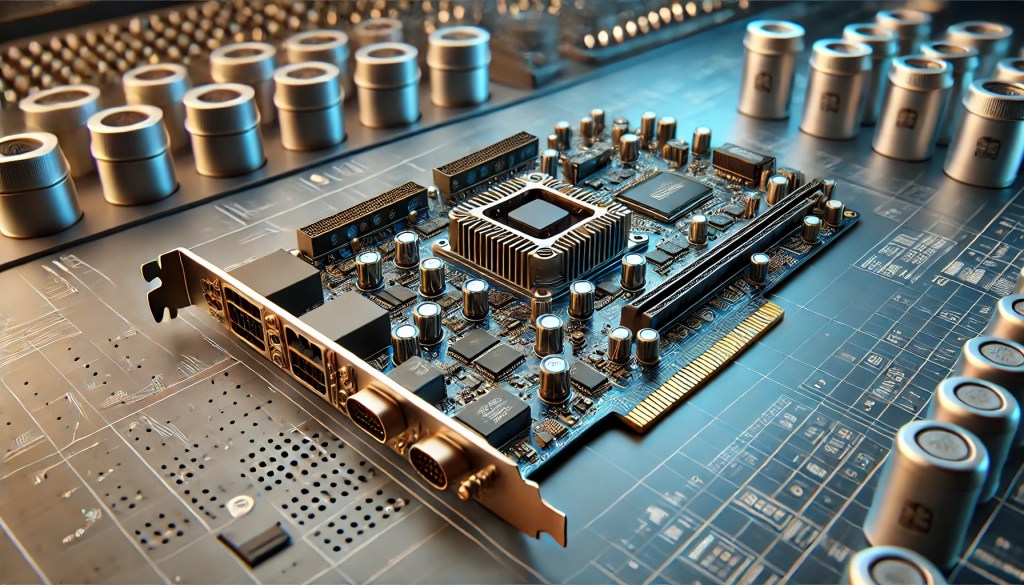
Add-on cards, also known as expansion cards, are hardware components inserted into expansion slots on a motherboard—typically PCIe slots—to extend a server’s functionality. These cards enable specialized performance beyond the system’s native capabilities, including enhanced network connectivity, accelerated processing, and advanced storage management. Common types include GPU cards for high-performance computing, network interface cards (NICs)…
-
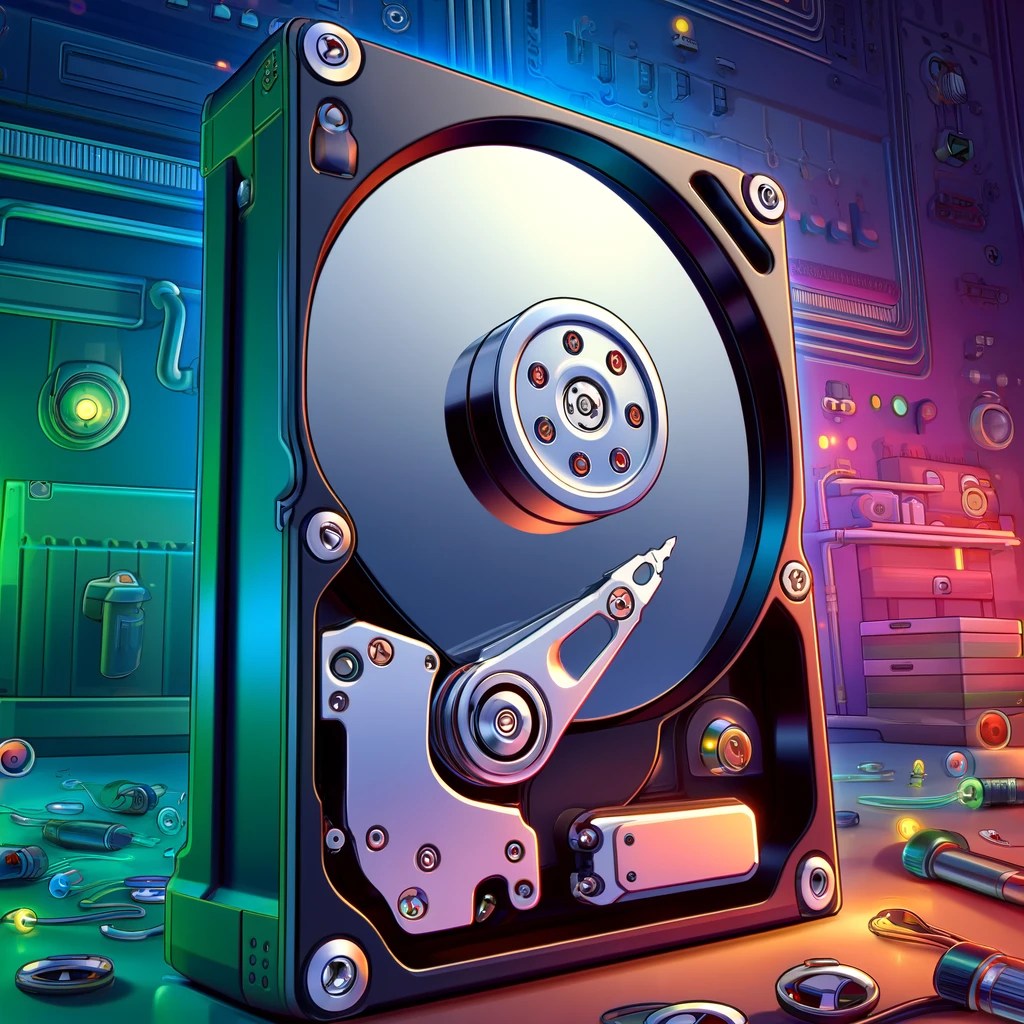
Storage devices are critical components in computing, used to retain digital information permanently or temporarily. The two most common types of internal storage are Hard Disk Drives (HDDs) and Solid-State Drives (SSDs). HDDs use spinning magnetic platters and read/write heads to store data and are valued for their high storage capacities at lower cost per…

