Tech Docs
-
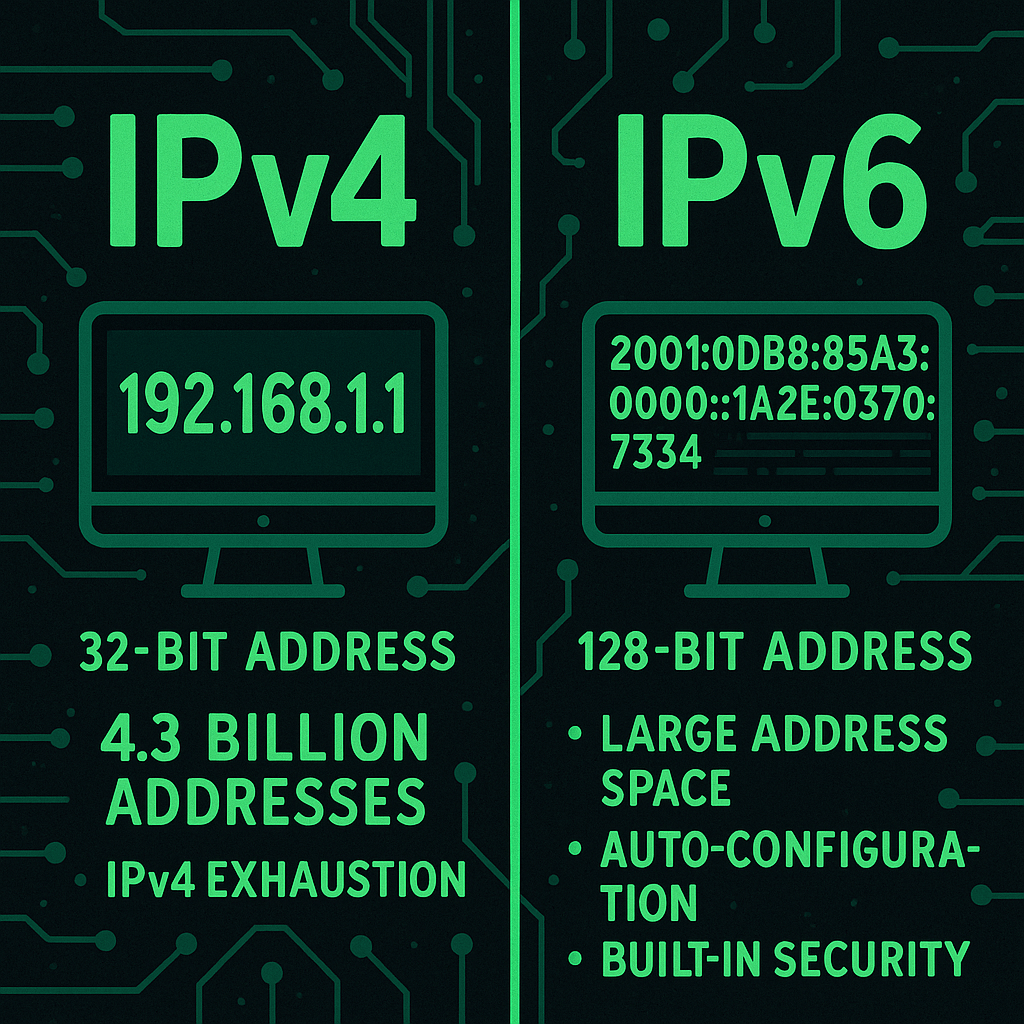
IPv4 (Internet Protocol version 4) is the fourth version of the IP protocol and remains the most widely used standard for assigning IP addresses on the internet and private networks. It uses a 32-bit addressing scheme, represented in dotted decimal format (e.g., 192.168.1.1), which provides approximately 4.3 billion unique addresses. Due to the limited pool…
-
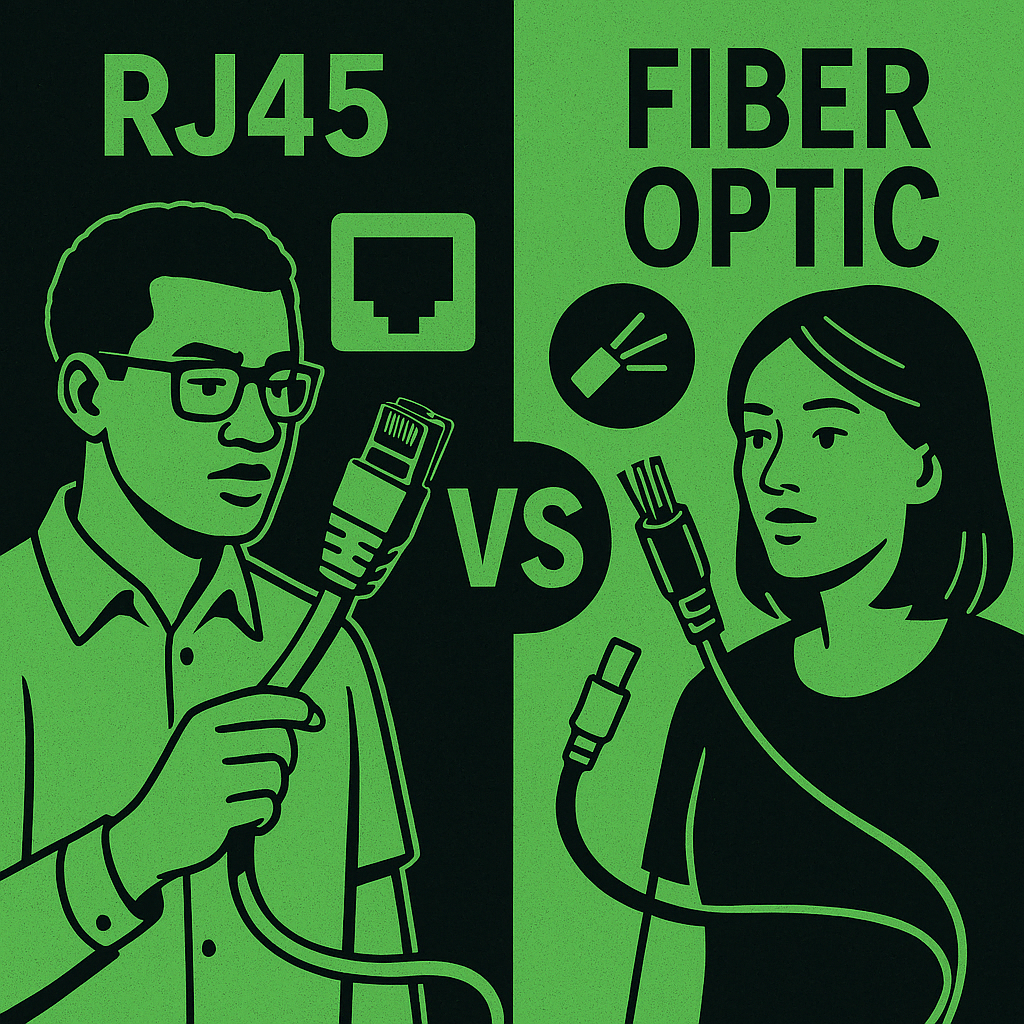
RJ45 Ethernet cabling and fiber optic cabling are two dominant physical media used in networking, each with unique characteristics suited for different scenarios. RJ45 uses twisted-pair copper wires terminated with an 8P8C modular connector (commonly referred to as RJ45) and is typically deployed in LAN environments. Ethernet standards like Cat5e, Cat6, and Cat6a support speeds…
-
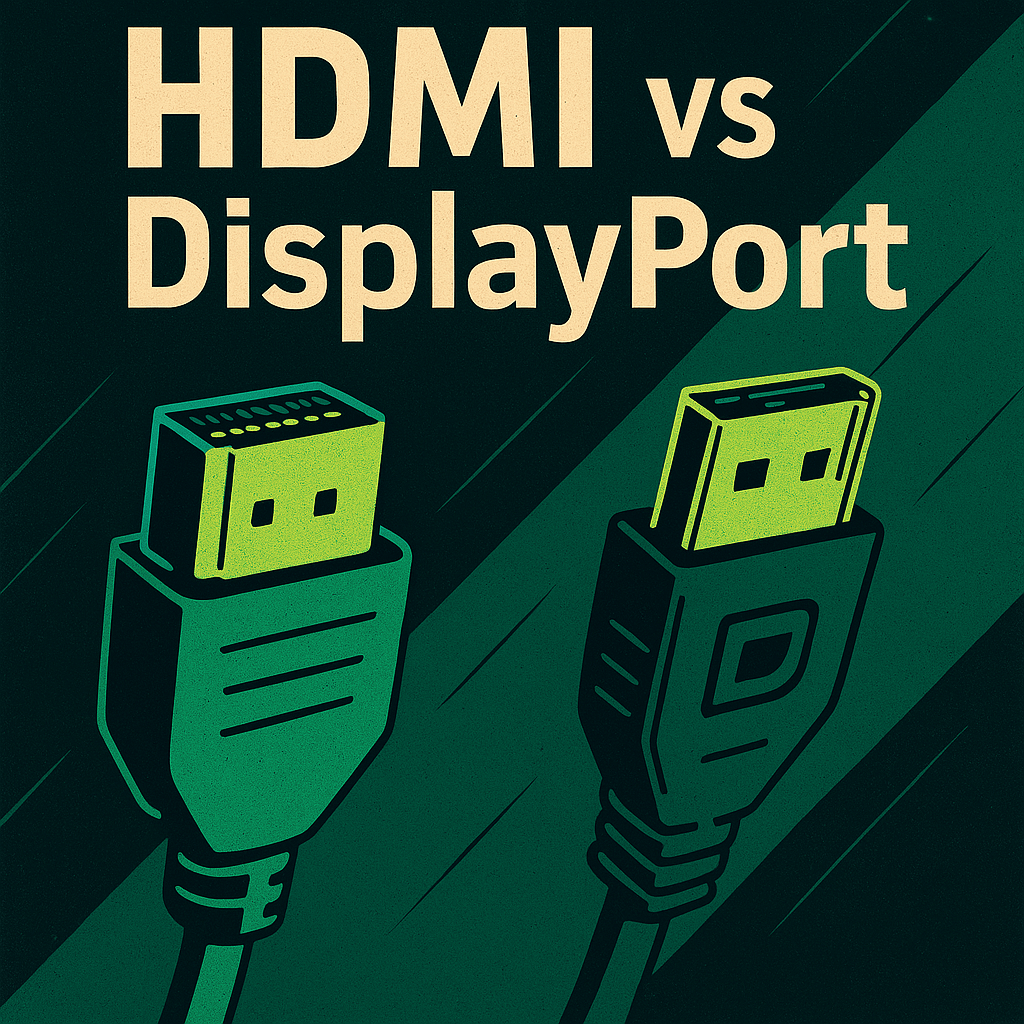
HDMI (High-Definition Multimedia Interface) and DisplayPort are two widely adopted digital display interfaces, but they are optimized for different environments. HDMI is the standard for consumer electronics, including TVs, projectors, game consoles, and media players. It supports both audio and video in a single cable and includes features like CEC (Consumer Electronics Control) and ARC…
-

VGA (Video Graphics Array) and DisplayPort are two video output standards used to connect computers to monitors or projectors, but they differ drastically in technology, image quality, and capability. VGA, introduced in the late 1980s, is an analog interface that supports resolutions up to 1920×1080, but often suffers from signal degradation over long cable runs.…
-

Social media has ignited a new wave of debate over the authenticity and origin of luxury goods, as users allege that many high-end fashion brands are manufacturing their products in China before relabeling them as “Made in Italy” or “Made in France.” The criticism reemerged as global trade tensions intensify under President Trump’s new tariff…
-

SSD (Solid-State Drive) and eMMC (embedded Multi Media Card) are both forms of flash memory, but they differ significantly in performance, upgradability, and use cases. SSDs are standalone storage devices used in laptops, desktops, and servers, often connected via SATA, PCIe, or NVMe interfaces. They offer high read/write speeds, long lifespan, and come in capacities…
-
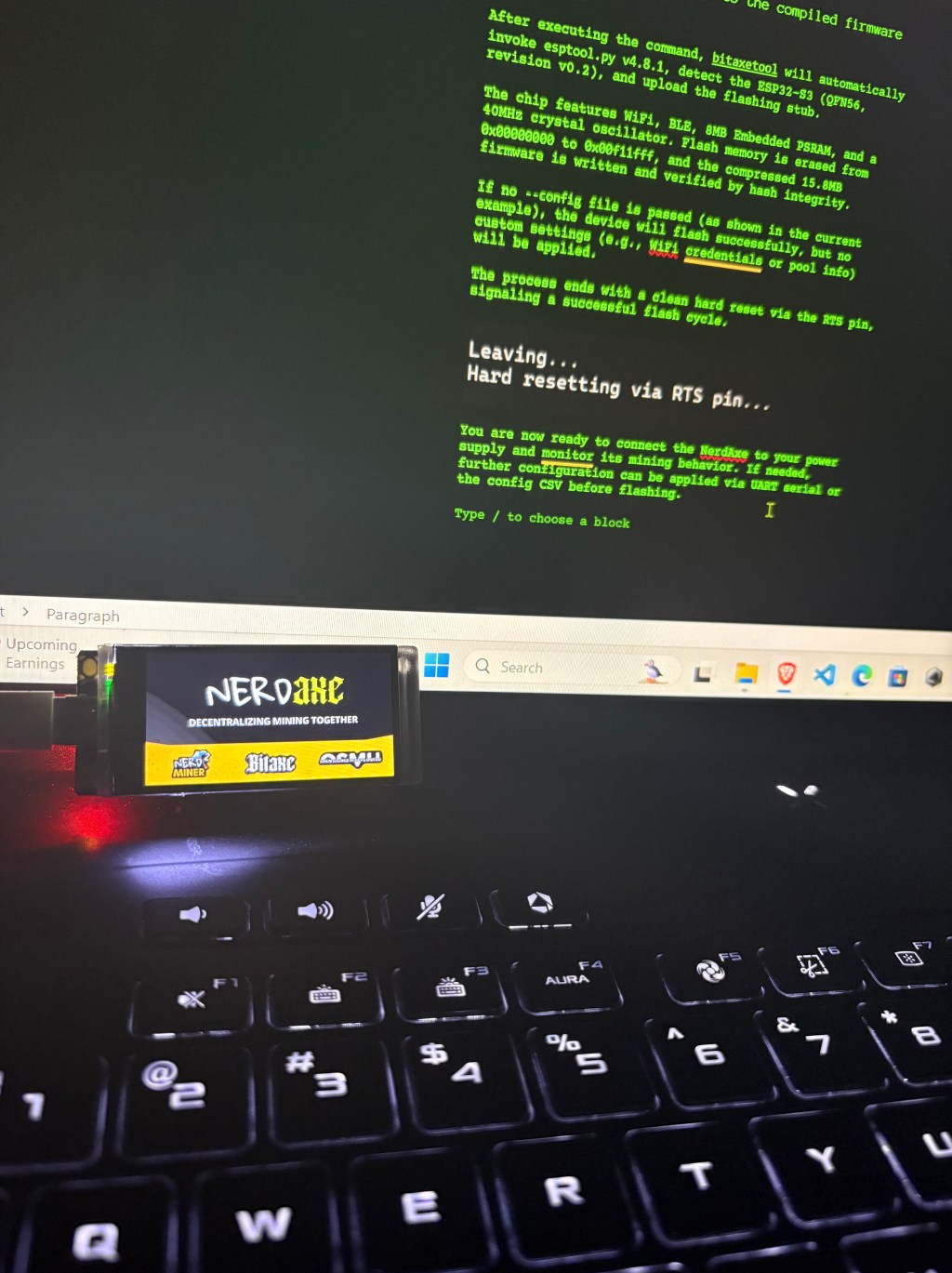
Esptool.py is a Python-based utility created by Espressif for flashing firmware onto ESP8266 and ESP32 chips. It operates cross-platform—working on Windows, Linux, and macOS—and is executed from the command line using Python. Although its name ends in .py, users interact with it using simple terminal commands, not actual Python code. The command-line arguments passed to…
-

Peripherals are external devices that connect to a computer to extend its input, output, or storage capabilities. They fall into three main categories: input devices, output devices, and input/output (I/O) devices. Common input peripherals include keyboards, mice, trackpads, scanners, microphones, and webcams. These devices allow users to enter data, control the system, and capture images…
-
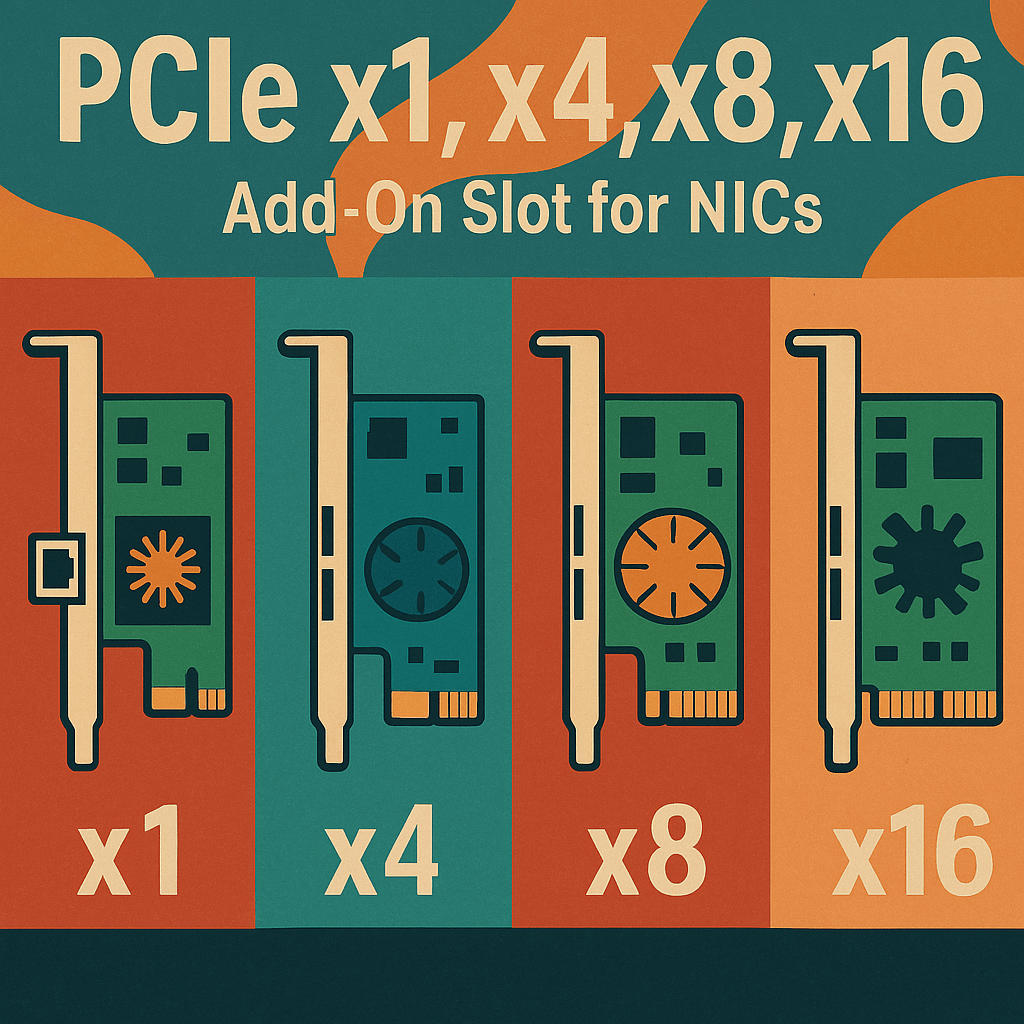
PCI Express (PCIe) is the industry-standard high-speed interface used to connect add-on components—like network interface cards (NICs)—to a computer’s motherboard. For NICs, PCIe offers dedicated data lanes to the CPU or chipset, ensuring low-latency, high-throughput, and scalable bandwidth. PCIe slots are designated by their lane count: x1, x4, x8, and x16. Each lane consists of…
-
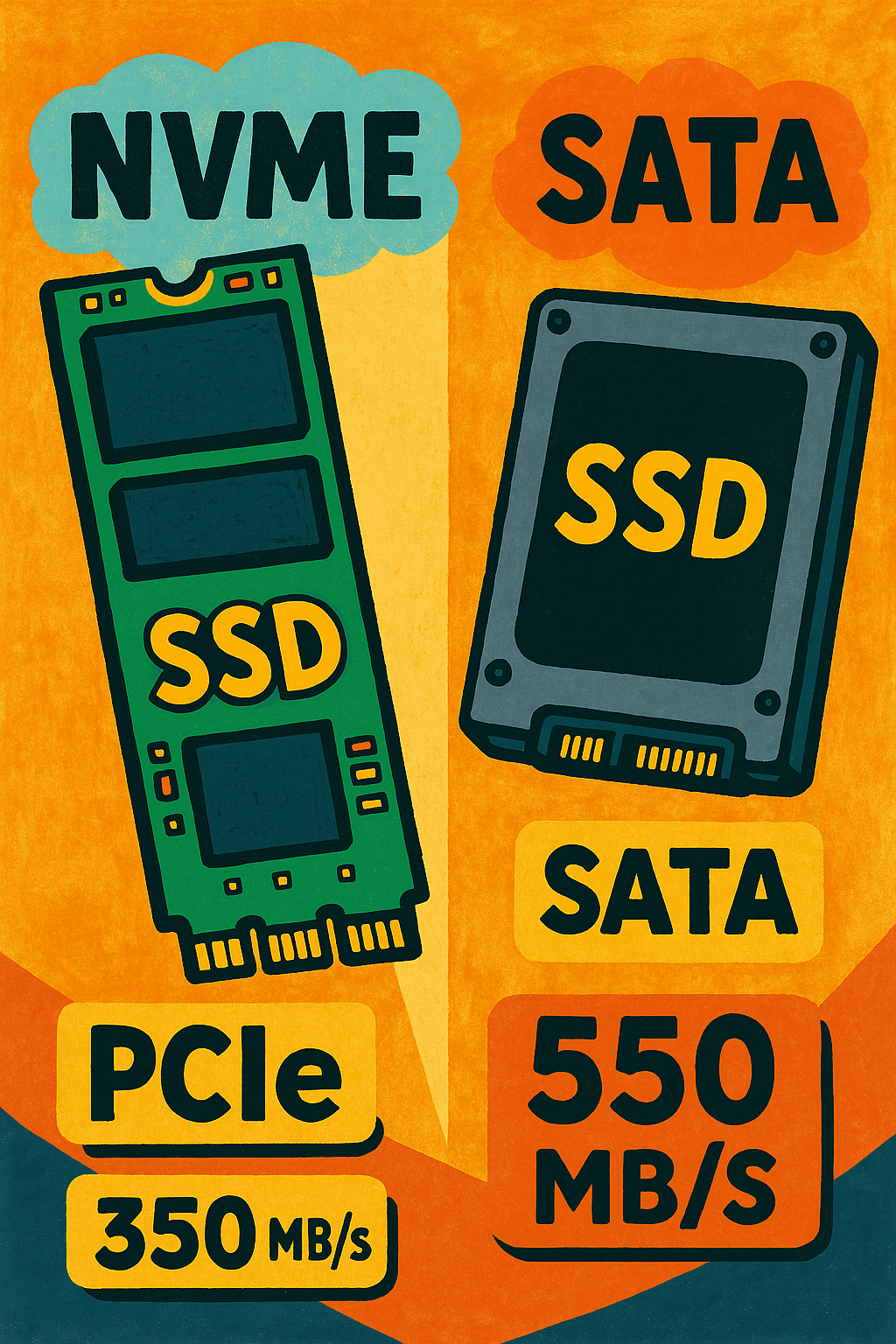
NVMe (Non-Volatile Memory Express) and SATA (Serial ATA) are two types of interfaces used to connect SSDs to a system, and while both offer significant advantages over traditional HDDs, their performance differences are critical. SATA SSDs, which use the older AHCI protocol and connect via the SATA III interface, typically max out at 550 MB/s…
-
Storage drive problems can cause system crashes, data loss, and performance degradation. Symptoms may include the system failing to boot, slow file access, corrupted files, or frequent read/write errors. Initial troubleshooting begins by checking physical connections such as SATA, NVMe, or power cables, and confirming that the drive is detected in BIOS or UEFI. For…
-

The Dynamic Host Configuration Protocol (DHCP) is a network service used to automatically assign IP addresses and other configuration information—such as the subnet mask, default gateway, and DNS servers—to client devices on a network. This removes the need for manual IP configuration and helps avoid conflicts caused by duplicate IPs. DHCP is essential for managing…
-
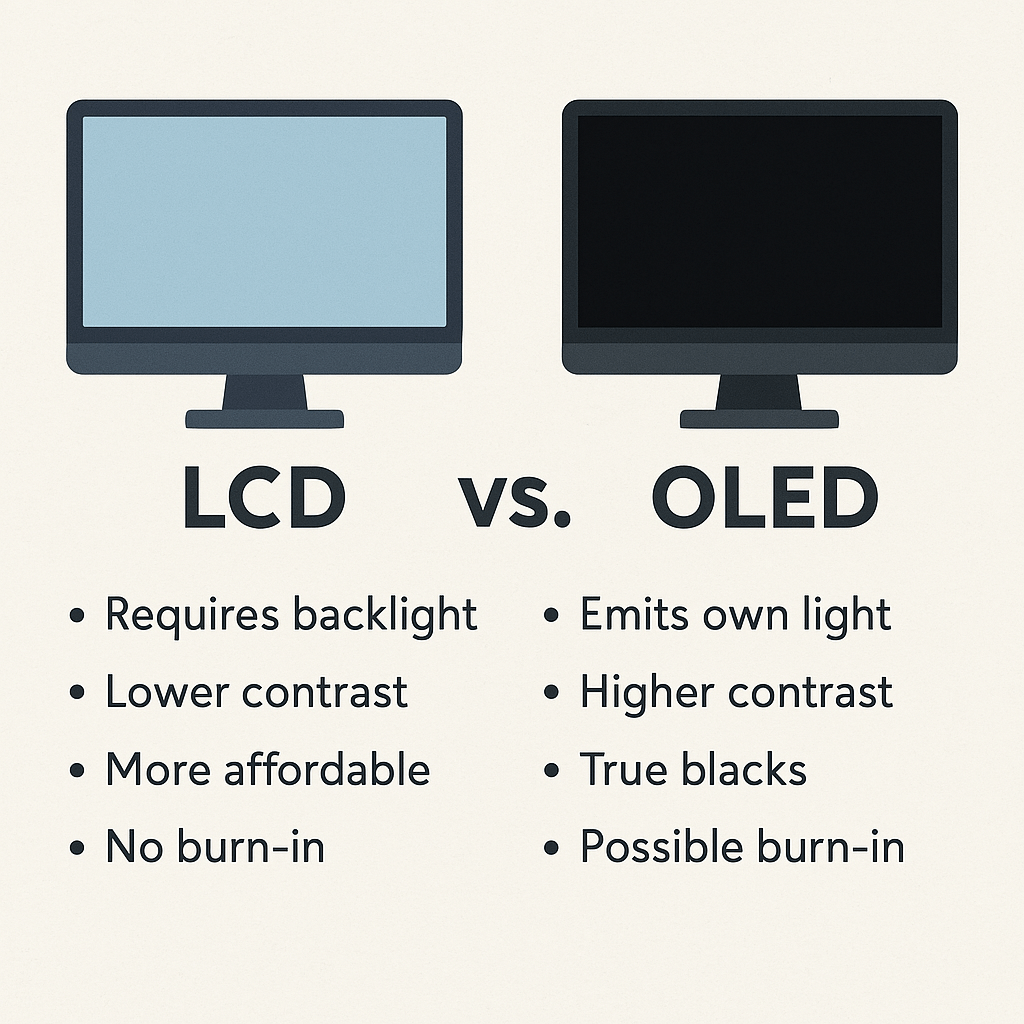
LCD (Liquid Crystal Display) and OLED (Organic Light Emitting Diode) technologies are two widely used screen types in modern devices, each with distinct characteristics. LCDs require a backlight to illuminate pixels, which means blacks can appear grayish, but they offer consistent brightness and are generally more affordable. OLED displays, on the other hand, emit their…
-
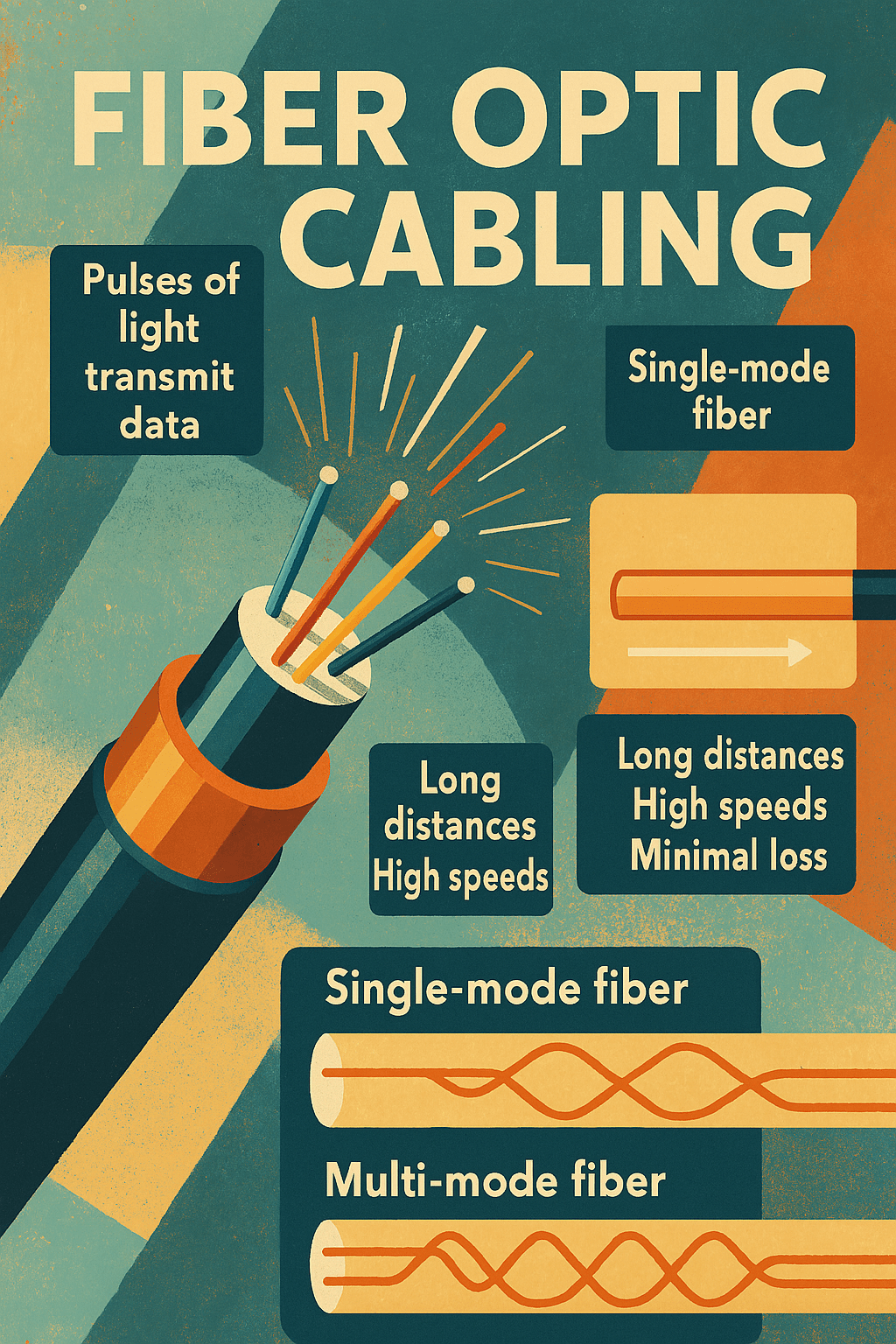
Fiber optic cabling is a high-speed transmission medium that uses pulses of light instead of electrical signals to carry data over glass or plastic strands. It supports far greater bandwidth and significantly longer transmission distances than copper cabling, making it essential for enterprise backbones, internet service providers, data centers, and long-haul telecommunications. Two core types…
-
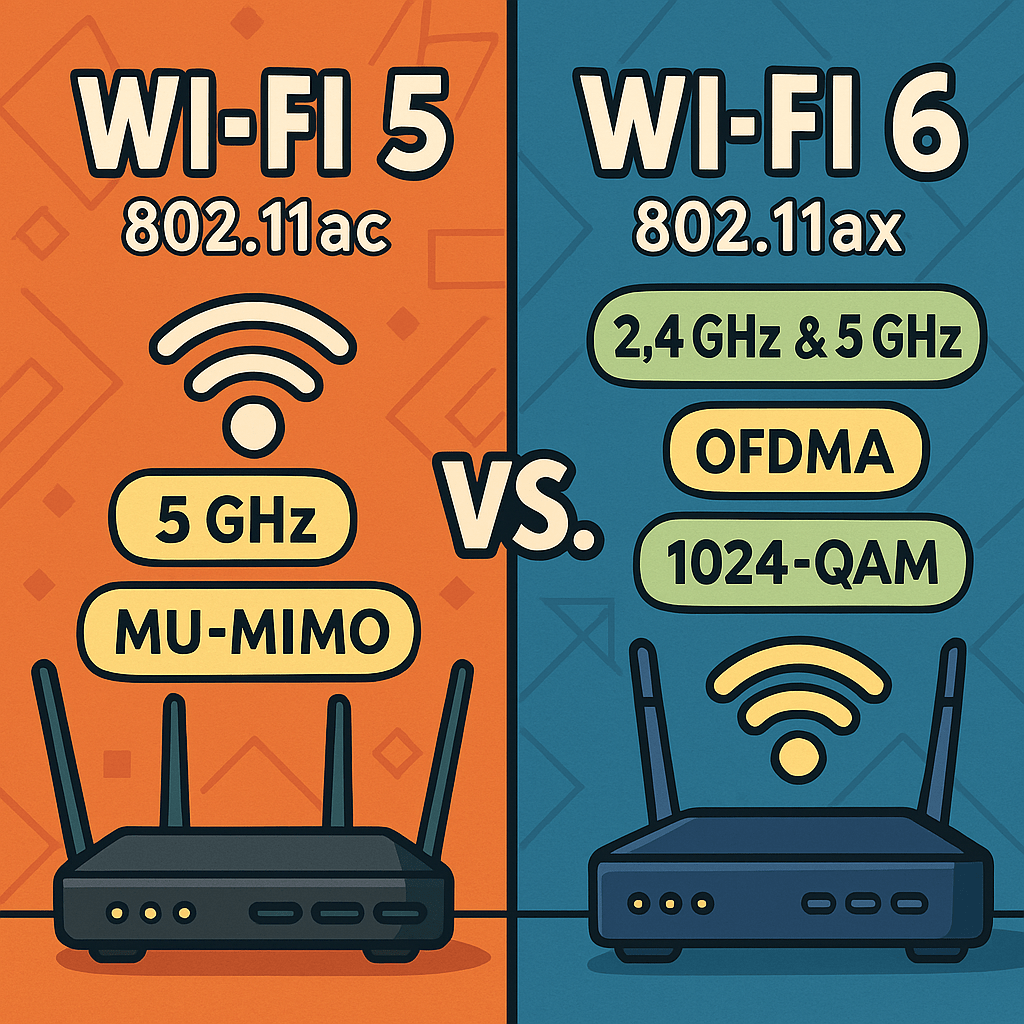
Wi-Fi 5 (802.11ac) and Wi-Fi 6 (802.11ax) are two prevalent standards that IT professionals should be familiar with. Wi-Fi 5 (802.11ac): Wi-Fi 5, introduced in 2013, operates exclusively on the 5 GHz frequency band. It brought significant improvements over its predecessor, 802.11n, by offering higher data rates and enhanced performance. The standard supports channel widths…
-
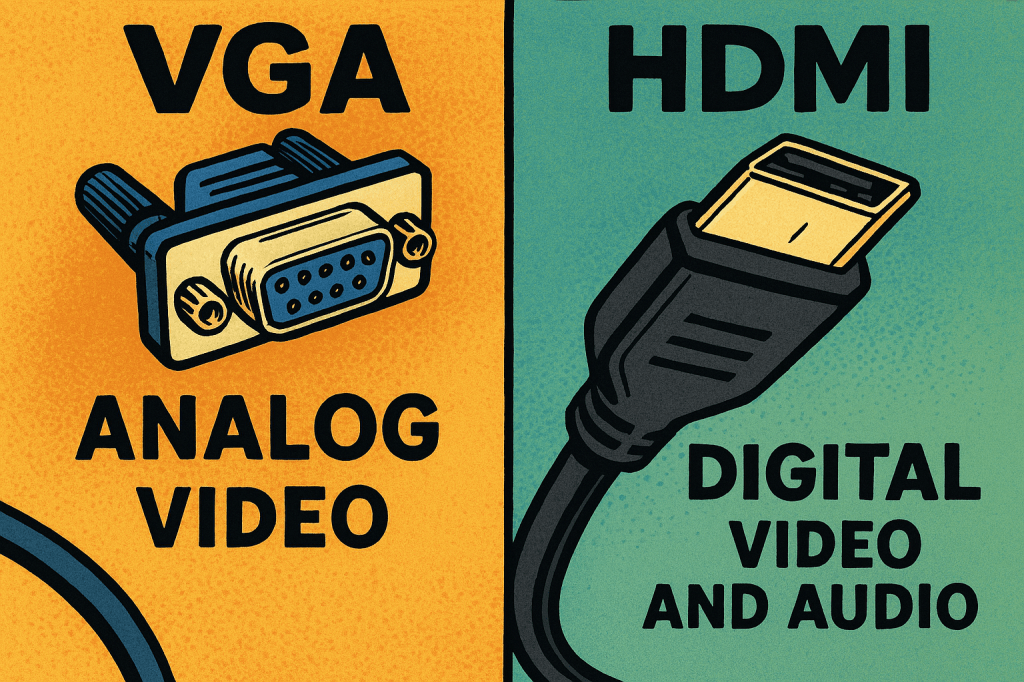
VGA (Video Graphics Array) and HDMI (High-Definition Multimedia Interface) are both used to connect displays to computers, but they differ in signal type, quality, and capabilities. VGA is an older analog interface introduced in the late 1980s that transmits video only. It uses a 15-pin D-sub connector and is prone to signal degradation over long…
-

External storage devices, like USB flash drives, external hard drives (HDDs), and portable solid-state drives (SSDs), are essential tools for storing and transferring data. USB flash drives are compact, portable, and often used for quick file sharing between devices, with capacities ranging from 4GB to 2TB. External HDDs, such as the WD My Passport, offer…
-

Mobile device issues are diverse and may involve power problems, unresponsive screens, charging failures, or connectivity issues. The first step is verifying the basics—does the device power on, is the battery charged, and is the power adapter functioning correctly? A common issue is a dead battery or a faulty charging cable, which can easily be…
-
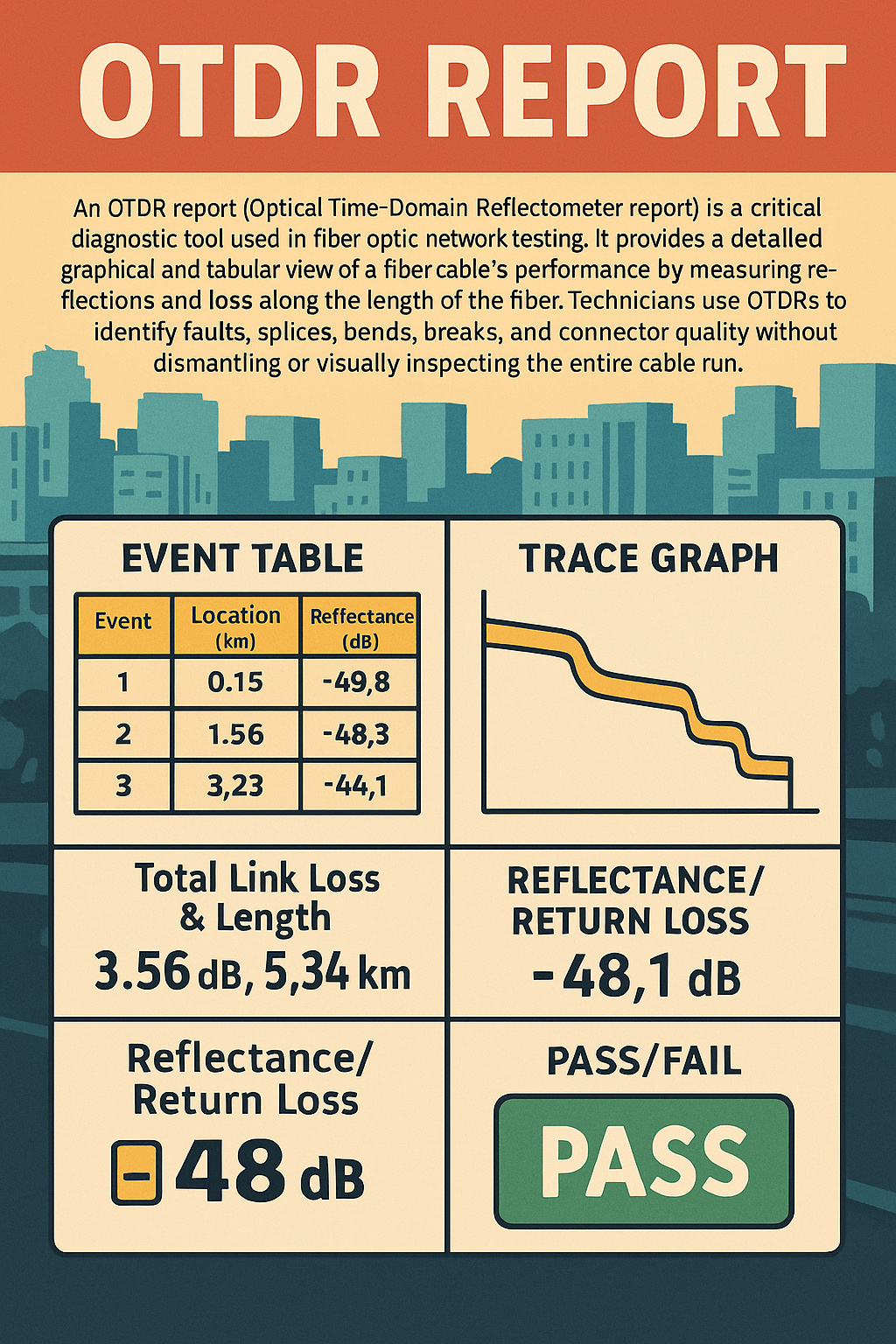
An OTDR report (Optical Time-Domain Reflectometer report) serves as a vital tool for technicians working with fiber optic networks by offering a non-intrusive method to assess fiber integrity. OTDRs send a series of light pulses down the fiber and measure the light that is reflected back due to scattering or changes in the fiber medium,…
-
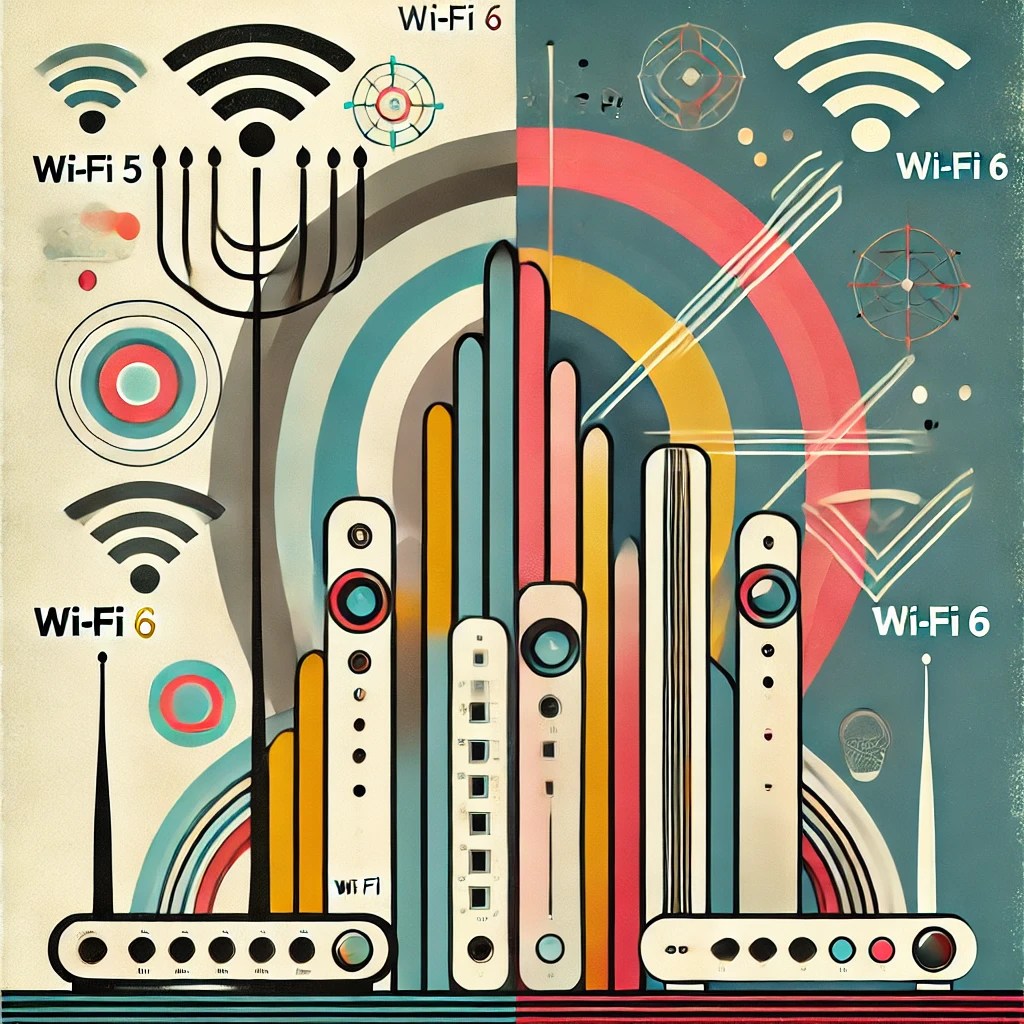
Wi-Fi 5, also known by its IEEE standard 802.11ac, was introduced in 2013 and became the dominant wireless standard for high-speed consumer and enterprise networking. Operating exclusively on the 5 GHz frequency band, Wi-Fi 5 offered major improvements over its predecessor, 802.11n (Wi-Fi 4), by introducing wider channels (up to 160 MHz), MU-MIMO (Multi-User, Multiple…
-
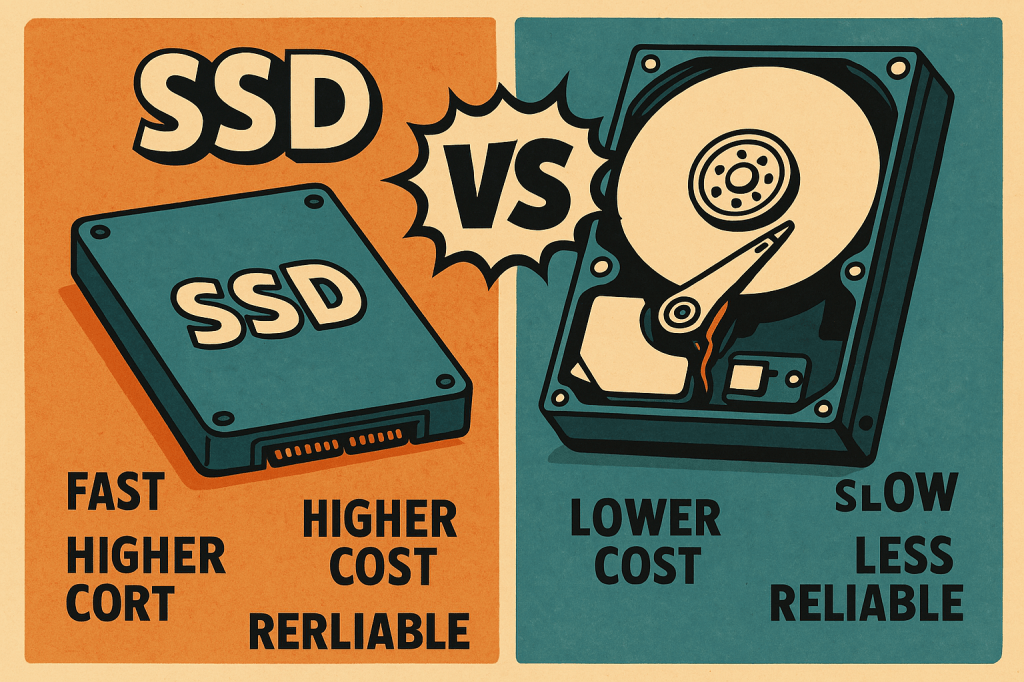
Solid-State Drives (SSDs) and Hard Disk Drives (HDDs) are two primary forms of internal and external storage used in desktops, laptops, and servers, each with distinct characteristics. SSDs store data on flash memory chips, offering lightning-fast read/write speeds, lower latency, and greater durability due to the absence of moving parts. They’re ideal for operating systems,…
-
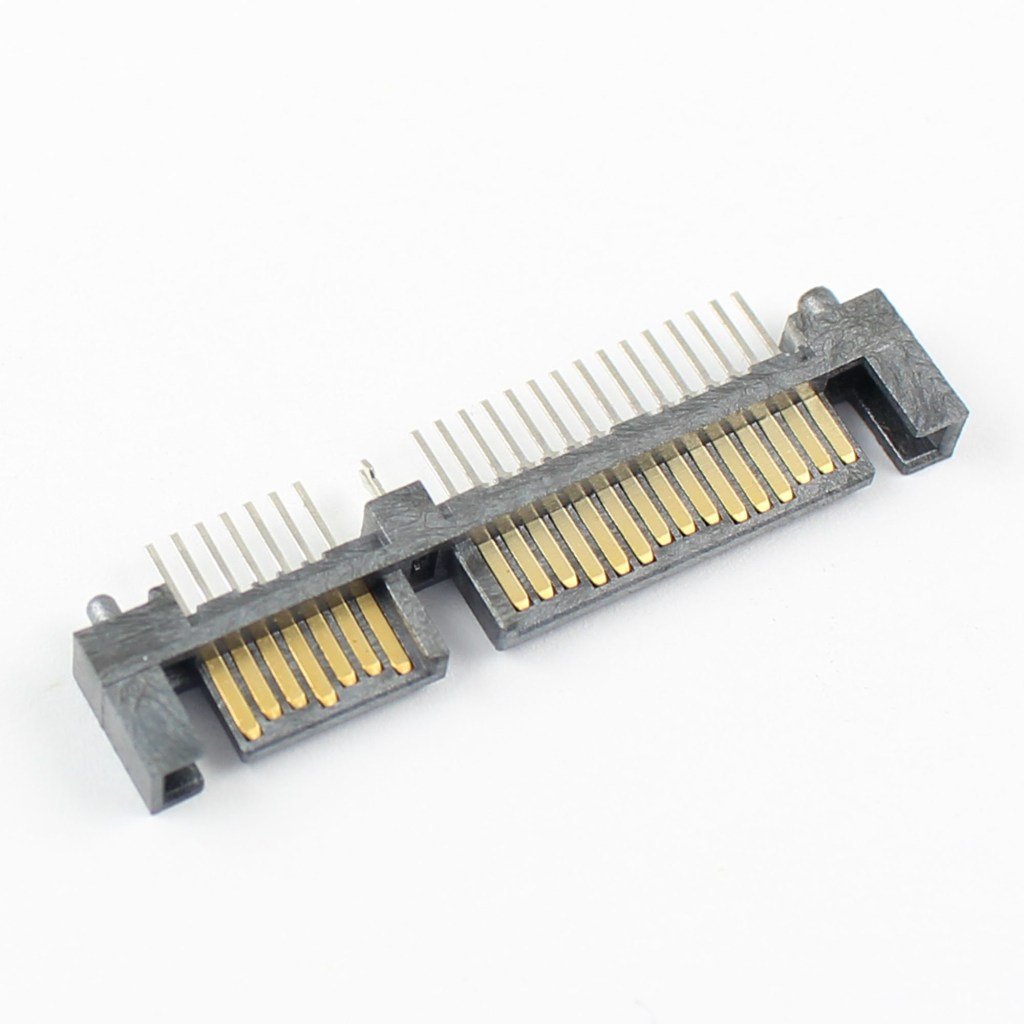
SATA (Serial ATA) hard drives are widely used for internal storage in desktops and laptops, offering a balance of performance and cost for general computing tasks. Introduced as a replacement for older PATA (Parallel ATA) drives, SATA provides faster data transfer speeds and thinner cables for improved airflow within the system chassis. The most common…
-
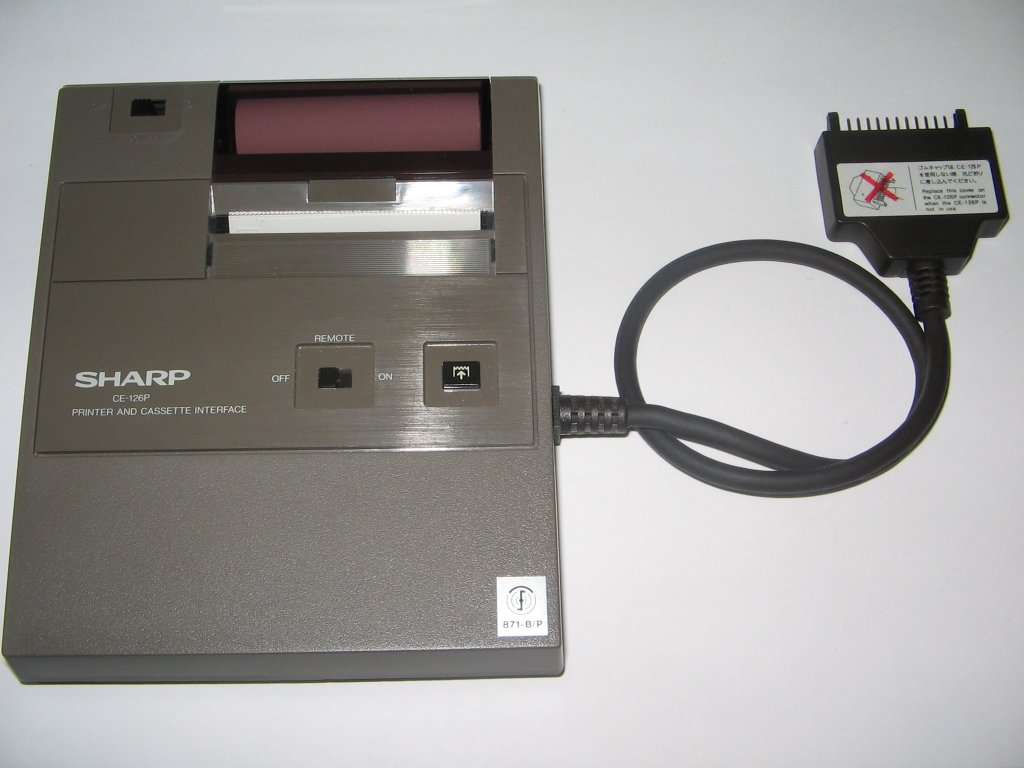
Thermal printers use heat-sensitive paper and a heated print head to produce images or text, making them ideal for quiet, low-maintenance printing in point-of-sale systems, kiosks, and receipt printers. Unlike inkjet or laser printers, they require no ink or toner, only specially coated thermal paper that darkens when exposed to heat. Because they have fewer…
-
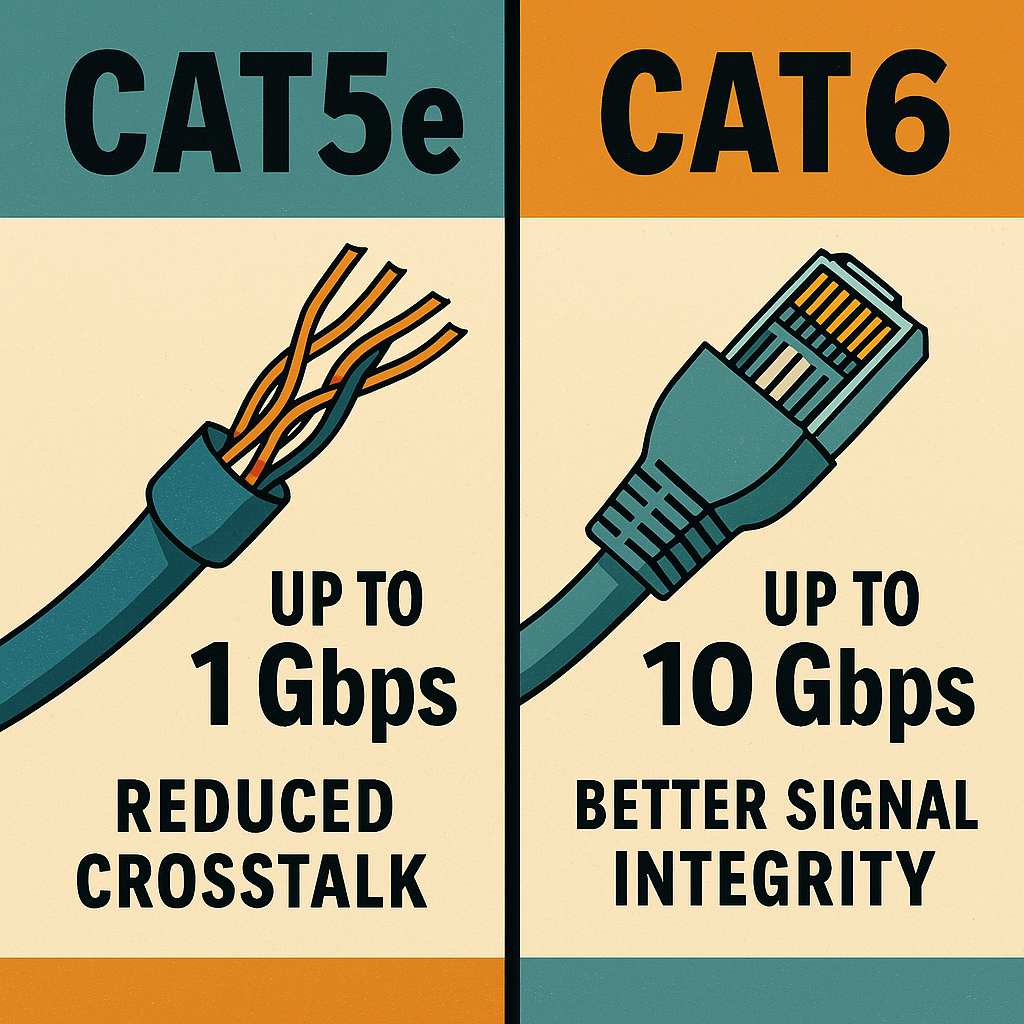
Cat5e (Category 5 Enhanced) and Cat6 (Category 6) Ethernet cables are both unshielded twisted pair (UTP) standards used for wired networking, but they differ in terms of performance, shielding, and signal integrity. Cat5e supports speeds up to 1 Gbps over distances of up to 100 meters and is commonly used in residential networks and small…
-

Power supplies are essential hardware components responsible for converting alternating current (AC) from a wall outlet into direct current (DC) usable by internal computer components. The most common type is the ATX power supply, used in desktops, which typically comes in standard wattage ratings like 400W, 500W, 750W, and up. Power supplies vary in size,…
-

Coaxial cabling is a type of electrical cable used to transmit high-frequency signals, commonly found in applications such as cable television, broadband internet, and radio communication. Its structure includes a central conductor (typically copper) that carries the signal, surrounded by an insulating layer, a metallic shield to reduce electromagnetic interference (EMI), and an outer plastic…
-
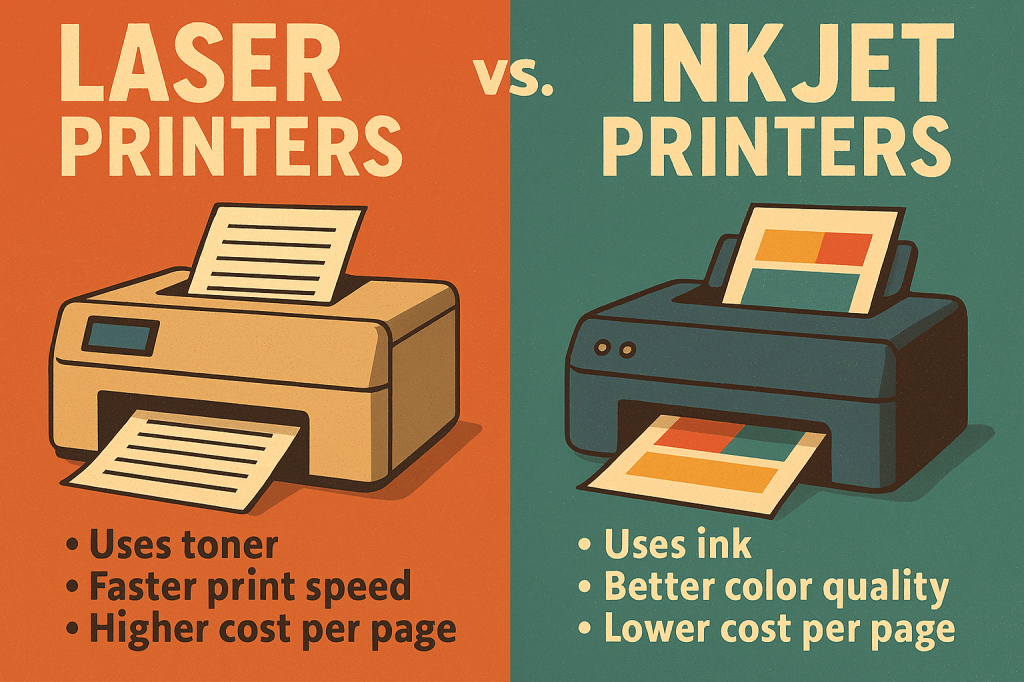
Laser printers and inkjet printers serve similar functions—producing printed output from digital sources—but differ significantly in technology, performance, and cost. Laser printers use a laser beam and toner (powdered ink) fused to the paper using heat, making them ideal for high-volume, fast, and sharp text printing. They are cost-effective per page and commonly used in…
-
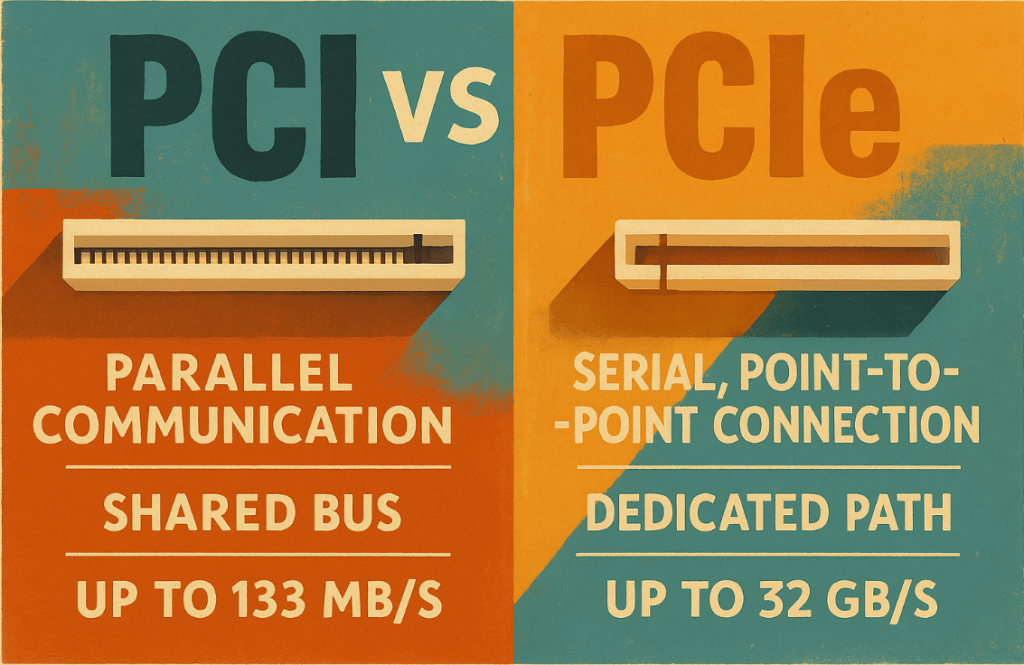
PCI (Peripheral Component Interconnect) and PCIe (PCI Express) are both expansion bus standards used to connect internal hardware components like network cards, sound cards, or GPUs to the motherboard—but their architectures and performance differ greatly. PCI is a parallel communication interface introduced in the early 1990s, capable of transferring data at speeds up to 133…
-
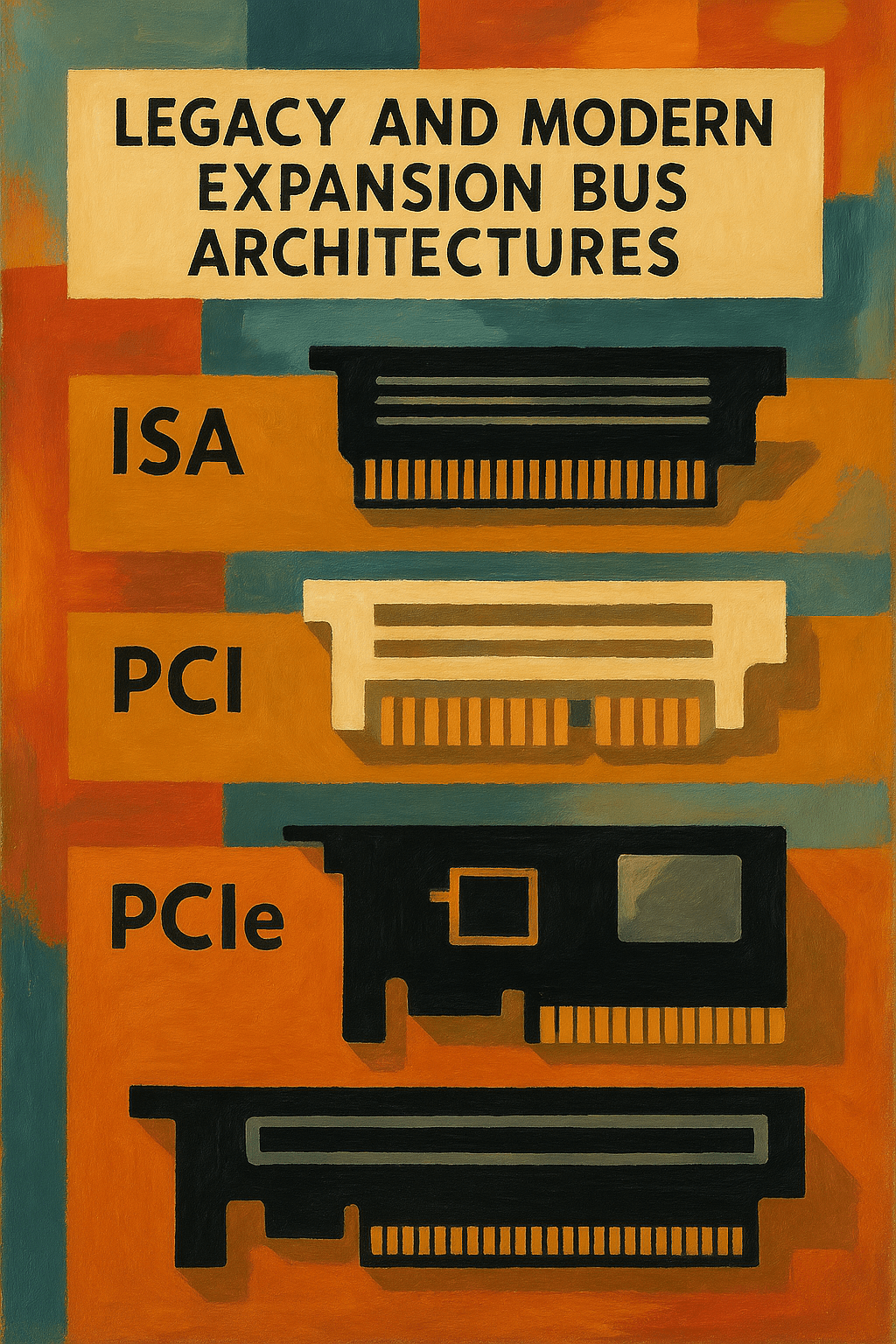
An expansion bus refers to the part of a computer’s internal architecture that allows additional hardware components to communicate with the CPU and other system components. These hardware additions are known as expansion cards, which are installed into the system’s expansion slots. Expansion cards provide specialized functions not handled by the motherboard directly—such as advanced…
-

Printer issues are among the most frequent hardware-related problems in both home and business environments. Symptoms include paper jams, poor print quality, printer not found errors, or no print output at all. Initial troubleshooting should start with physical inspection. Check for paper jams in the feed path, output tray, or duplex unit, and remove any…
-

SMTP (Simple Mail Transfer Protocol) SMTP is the standard protocol for sending emails. It governs how messages are transmitted from the sender’s email client to the recipient’s email server. SMTP operates as a “push” protocol, meaning it pushes emails from the sender’s device to the server and between servers during mail relaying. SMTP uses commands…
-

Access Points (APs) are networking devices that extend the wireless coverage of a network by acting as a relay between wired and wireless devices. Unlike routers, which manage entire network traffic, access points focus specifically on connecting Wi-Fi-enabled devices to a wired network infrastructure. They are essential in environments requiring wide and reliable wireless coverage,…
-
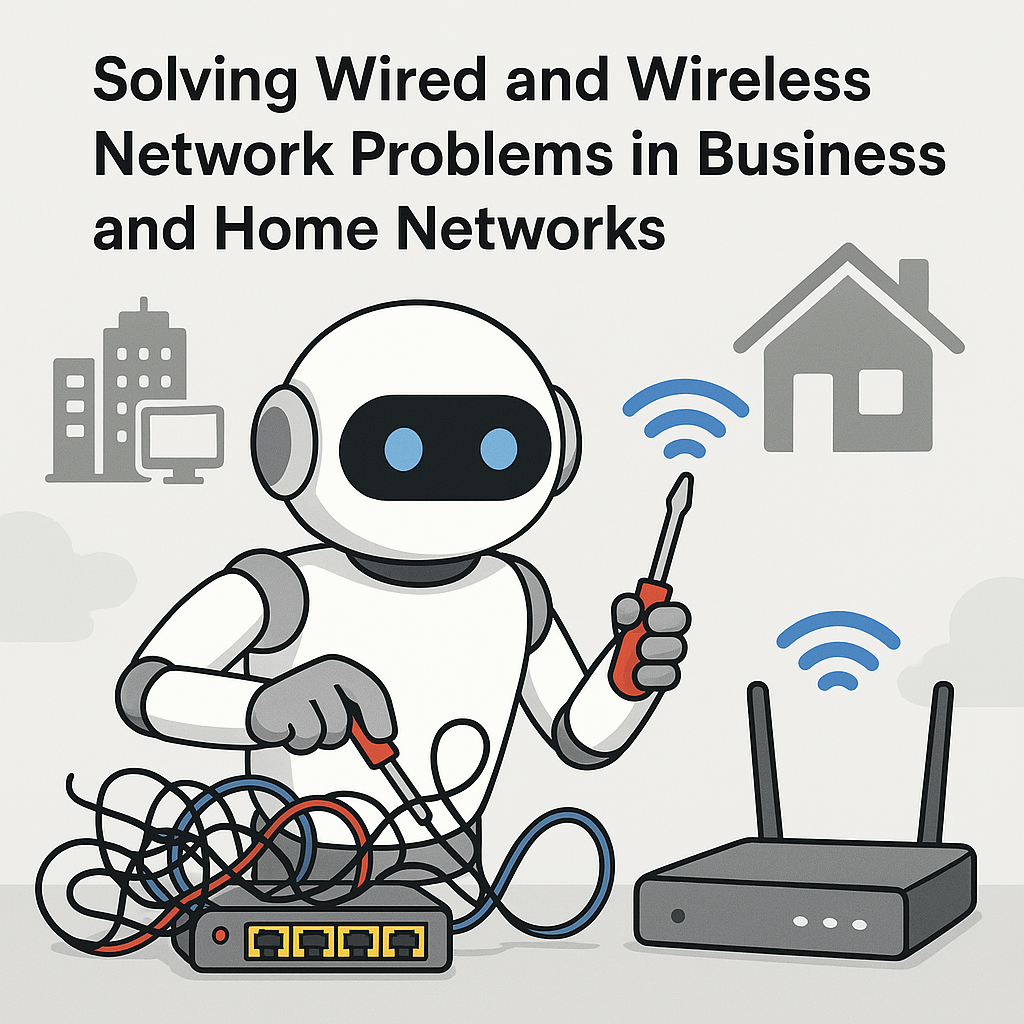
Network issues can significantly impact productivity and user experience and often present as no connectivity, slow performance, intermittent dropouts, or limited network access. Wired network troubleshooting should always begin by verifying physical layer components—inspect Ethernet cables for damage, confirm they are rated properly (Cat5e, Cat6, etc.), and ensure that connectors are fully seated. Examine link…
-

Fiber optic cabling is a high-performance transmission medium that uses light signals instead of electrical currents to transmit data. It offers extremely high bandwidth, long-distance communication, and complete immunity to electromagnetic interference (EMI), making it ideal for backbone connections, ISPs, data centers, and enterprise environments. A standard fiber optic cable consists of a core (through…
-

Laptop display assemblies house several critical components beyond just the LCD or LED screen itself. These components typically include the screen panel, inverter (older models), backlight, digitizer (in touchscreens), webcam, microphone, Wi-Fi antennas, and sometimes even the IR sensor or ambient light sensor. Each of these components serves a specific function—LCDs/LEDs handle visual output, webcams…
-

Mobile device synchronization ensures that user data such as contacts, emails, calendars, media files, and application data remain consistent across multiple platforms. Synchronization can be conducted through several methods including cloud-based sync, local sync, and enterprise-level synchronization. Popular cloud services include Google Account Sync for Android devices and Apple iCloud for iOS devices, which automatically…
-
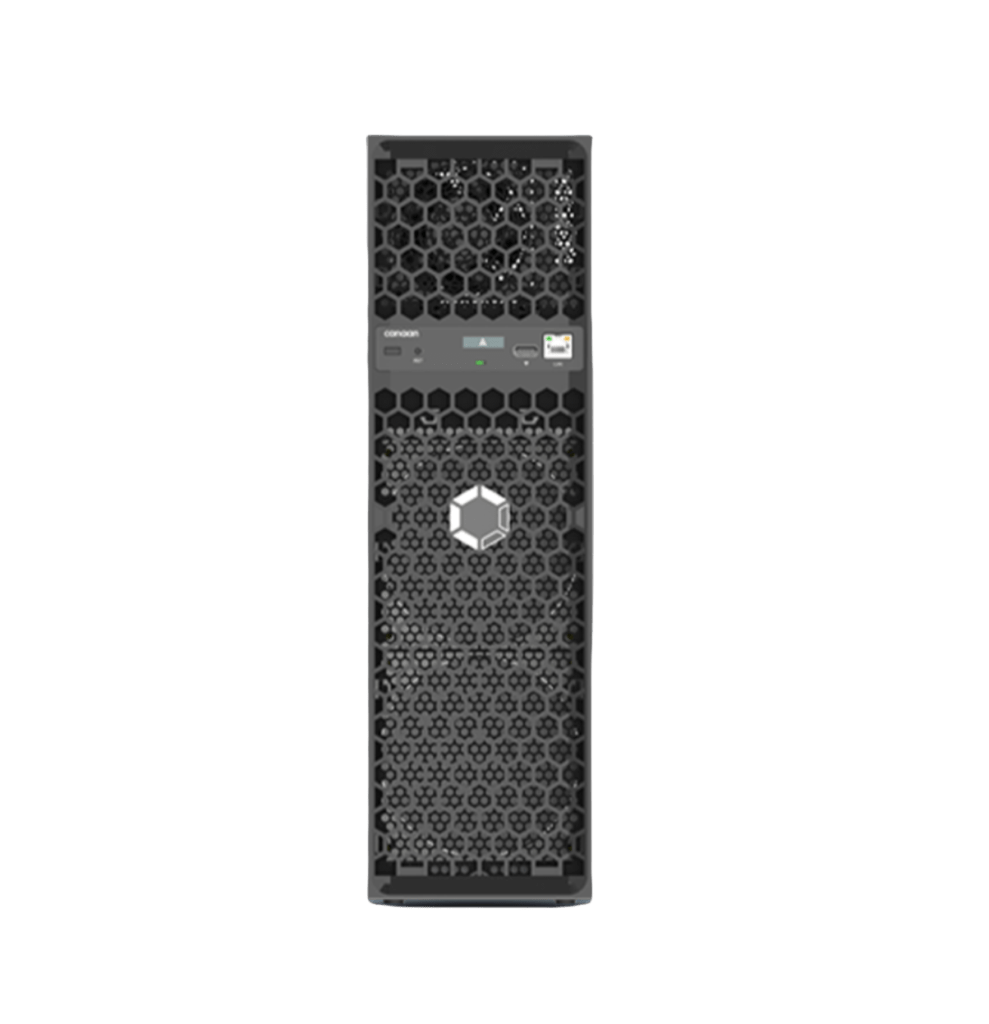
Canaan Inc., a leading provider of high-performance computing solutions, has unveiled the Avalon Q, a professional-grade Bitcoin mining machine tailored for home users. This announcement was made at Mining Disrupt 2025, a prominent industry conference held in South Florida. The Avalon Q delivers up to 90 terahashes per second (TH/s) of hash power with adjustable…
-

Cables serve as the physical medium that transmits data, power, and signals between devices in computing and networking environments. In IT, the most common data cables include Ethernet cables, coaxial cables, and fiber optic cables. Ethernet cables, or twisted pair cables, are the most widely used in local area networks (LANs) and come in categories…
-

When troubleshooting motherboards, RAM, CPU, and power issues, the first step is to carefully observe system behavior during startup. Common symptoms like no power, random reboots, beep codes, no display, or failure to POST (Power-On Self-Test) often indicate problems with these core components. For power issues, always verify that the power supply unit (PSU) is…
-

When building a custom PC, the first step is understanding the user’s specific requirements. A basic family desktop is typically used for web browsing, document creation, streaming media, light photo editing, and running basic productivity applications. For such a system, a budget-friendly quad-core processor (such as an Intel Core i3 or AMD Ryzen 3) will…
-

Display-related issues commonly appear as no image, flickering, color distortion, incorrect resolution, or complete loss of signal. Initial troubleshooting focuses on physical checks—confirming the cable type (HDMI, DisplayPort, VGA, DVI) is correct and firmly connected at both ends. Faulty or loose cables are among the most frequent causes of display problems. Technicians should inspect cables…
-
The Windows Firewall, officially known as Windows Defender Firewall, is a built-in security feature included with modern versions of the Windows operating system. It provides both inbound and outbound traffic filtering based on customizable rules, protecting devices from unauthorized access and common network threats. By default, Windows Firewall operates with a balanced set of pre-configured…
-

Linux systems commonly rely on iptables and its modern replacement nftables as core utilities for firewall configuration. These tools allow administrators to create and manage firewall rules that filter traffic based on IP addresses, ports, protocols, and connection states. Linux firewalls operate at a very low level, offering fine-grained control of packet filtering and network…
-

Cloud computing is the delivery of computing services—including servers, storage, databases, networking, software, analytics, and more—over the internet rather than through local infrastructure. It offers organizations flexibility, scalability, and reduced upfront costs by eliminating the need for physical hardware. The most common cloud computing types are public cloud, private cloud, hybrid cloud, and community cloud.…
-

Client-side virtualization is the practice of running virtual machines (VMs) directly on a user’s local device, such as a desktop or laptop, instead of relying on remote servers. This is made possible through the use of hypervisor software, such as Type 2 hypervisors (hosted), which run on top of a host operating system. Common examples…
-

Self-Monitoring, Analysis, and Reporting Technology (SMART) is a monitoring system embedded in computer hard disk drives (HDDs) and solid-state drives (SSDs). Its primary function is to detect and report various indicators of drive reliability, aiming to anticipate potential hardware failures. When SMART data suggests an imminent drive failure, software on the host system can…
-

A firewall is a security mechanism, either hardware or software-based, designed to regulate network traffic by permitting or denying data packets based on security rules. According to Wikipedia, firewalls are essential in protecting computer networks from unauthorized access, malware, and data breaches by creating a boundary between trusted internal networks and untrusted external sources like…
-
In the context of embedded systems and hardware-level communication, UART, or Universal Asynchronous Receiver-Transmitter, is a fundamental protocol for serial data transfer. It allows devices to communicate by transmitting data one bit at a time in a sequential fashion. Unlike synchronous protocols, UART does not rely on a shared clock signal but instead uses a…
-

IPv6 is the latest version of the Internet Protocol, designed to replace IPv4 due to the exhaustion of available IPv4 addresses. IPv6 provides a vastly larger address space by using 128-bit addresses instead of the 32-bit format used by IPv4. This means IPv6 can support approximately 340 undecillion (3.4 x 10³⁸) unique addresses, which is…
-

The motherboard is the central backbone of any computer system, acting as the main printed circuit board (PCB) that connects and allows communication between all essential components. It houses the CPU socket, RAM slots, chipset, power connectors, and expansion slots such as PCIe, enabling the installation of graphics cards, network cards, or storage controllers. Motherboards…
-
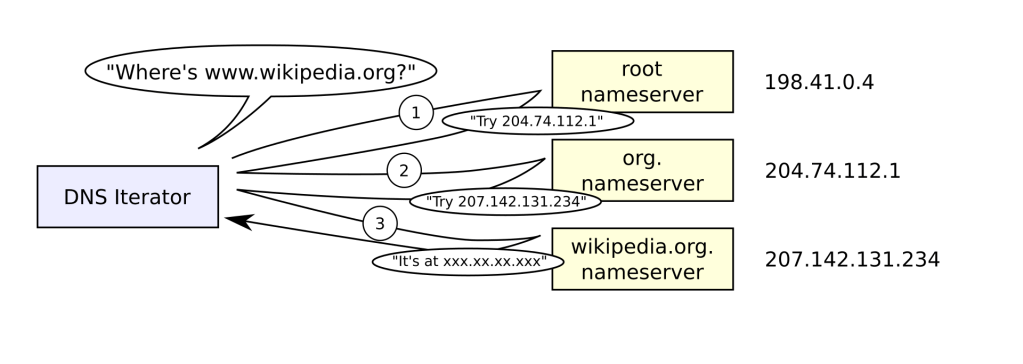
The Domain Name System (DNS) is like the phonebook of the internet. It translates human-friendly domain names such as www.google.com into IP addresses like 142.250.190.78, which computers use to locate and communicate with each other across networks. Without DNS, users would need to memorize long strings of numbers to access websites, making the internet much…
-
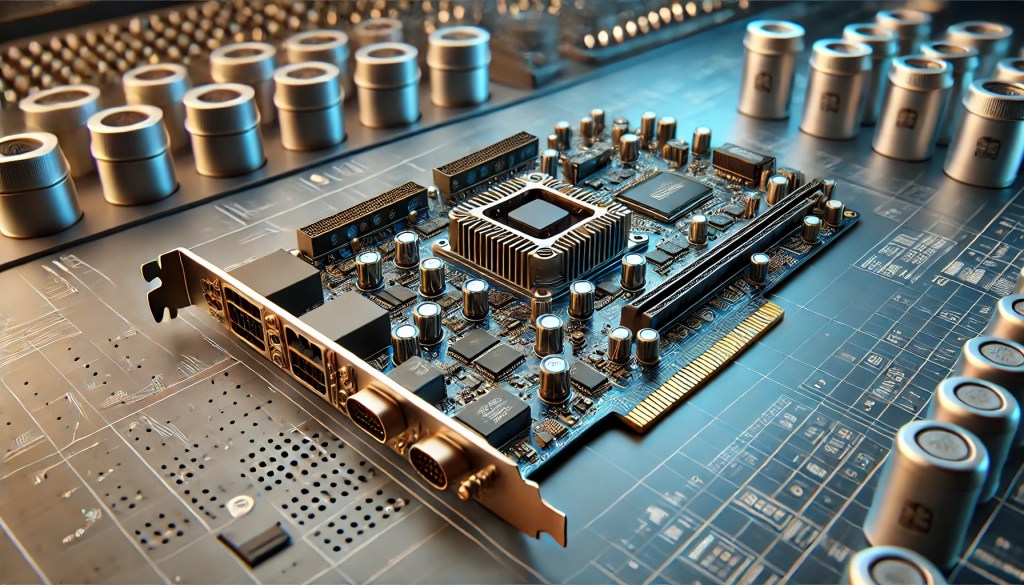
Add-on cards, also known as expansion cards, are hardware components inserted into expansion slots on a motherboard—typically PCIe slots—to extend a server’s functionality. These cards enable specialized performance beyond the system’s native capabilities, including enhanced network connectivity, accelerated processing, and advanced storage management. Common types include GPU cards for high-performance computing, network interface cards (NICs)…
-
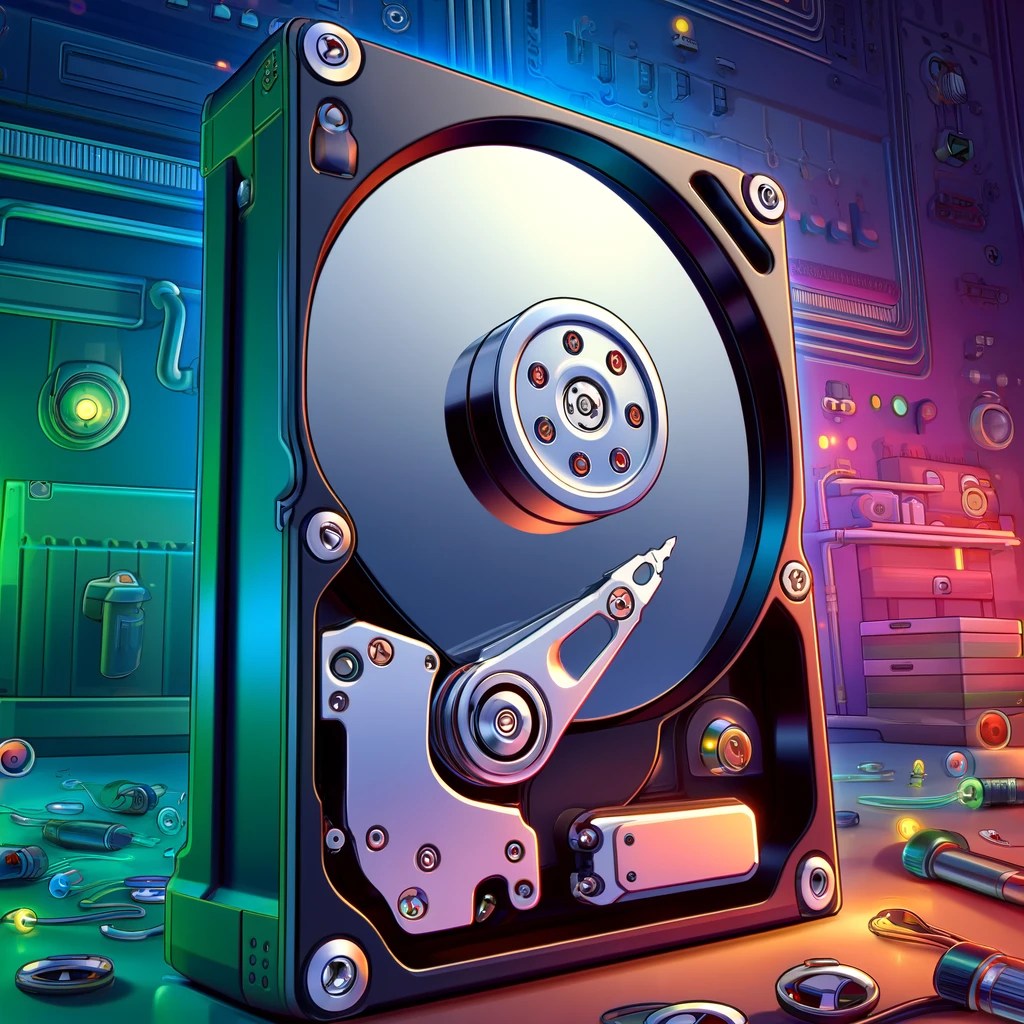
Storage devices are critical components in computing, used to retain digital information permanently or temporarily. The two most common types of internal storage are Hard Disk Drives (HDDs) and Solid-State Drives (SSDs). HDDs use spinning magnetic platters and read/write heads to store data and are valued for their high storage capacities at lower cost per…
-
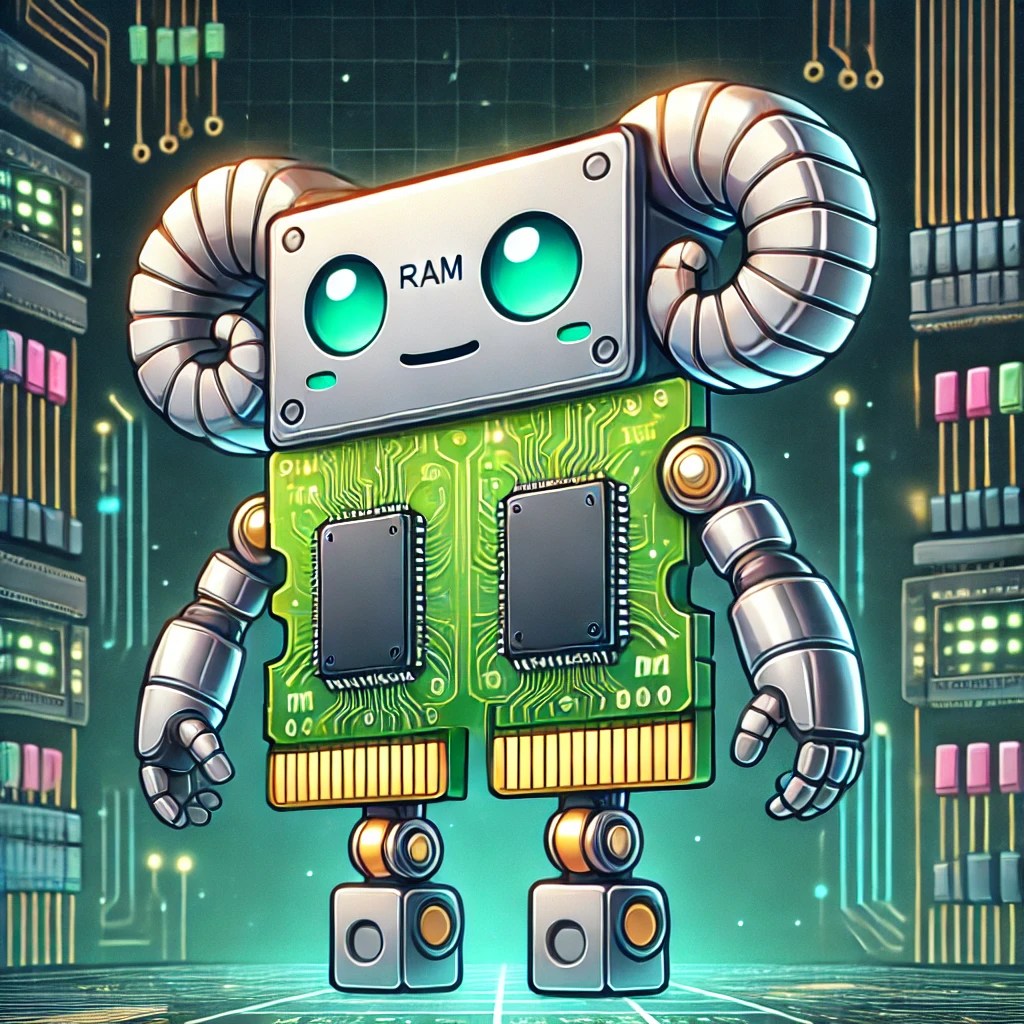
Selecting and installing RAM (Random Access Memory) starts with identifying the system’s compatibility requirements. The first step is to determine the form factor—most desktop motherboards use DIMM (Dual Inline Memory Module), while laptops use the smaller SO-DIMM (Small Outline DIMM). Next, determine the DDR generation your system supports—DDR3, DDR4, or DDR5. These are not backward…
-

Understanding cable types and their respective connectors is essential in modern IT environments, where the efficiency of data transmission depends on the correct physical medium. Common cable types include twisted pair (Ethernet), fiber optic, coaxial, HDMI, and USB, each serving unique roles in networking and communication systems. Ethernet cables, such as Cat5e, Cat6, and Cat6a,…
-
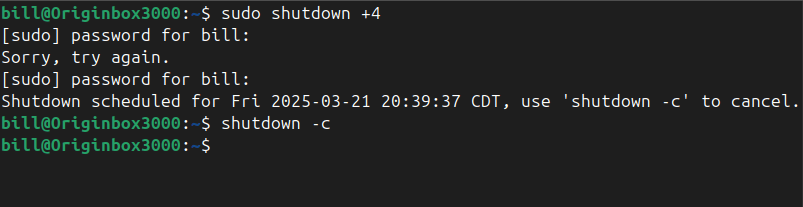
The shutdown command in Linux safely powers off or reboots a system, allowing users and administrators to schedule the shutdown after a certain time interval or at a specific time. It ensures the system terminates all processes correctly and prevents data corruption. The command accepts various parameters to specify time and behavior, with the option…
-
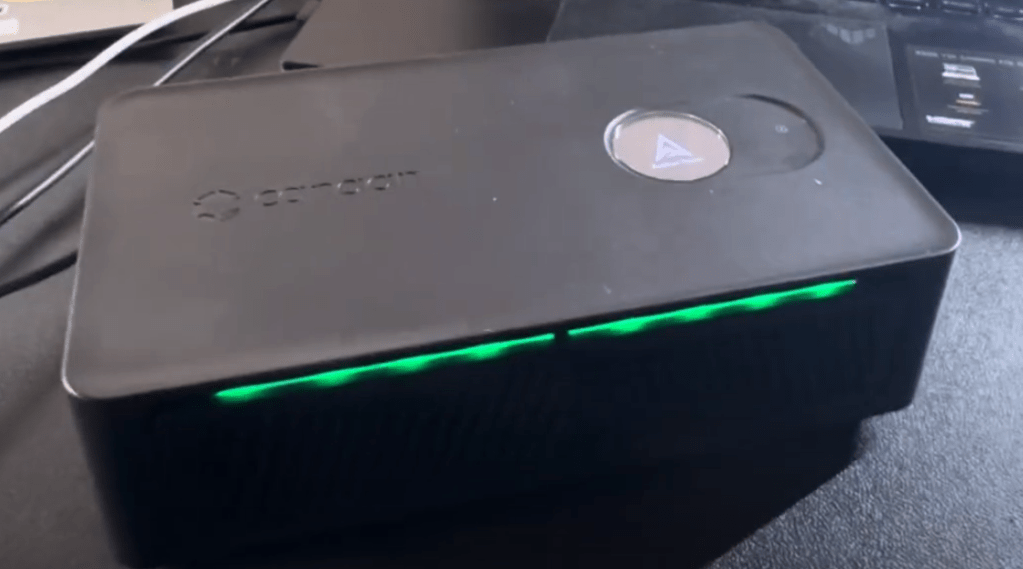
The Avalon Nano 3S, developed by Canaan, is a compact Bitcoin miner designed for home use, combining cryptocurrency mining with heating functionality. It offers a hashrate of 6 terahashes per second (TH/s) while consuming a maximum of 140 watts of power. The device operates on an input voltage of 28 volts and supports frequencies of…
-

Networked hosts provide essential services that enable communication, resource sharing, and security within a network. One of the most fundamental services is web hosting, where web servers deliver websites using HTTP and HTTPS protocols, ensuring content is accessible globally. File hosting and sharing services, such as FTP (File Transfer Protocol), SMB (Server Message Block), and…
-
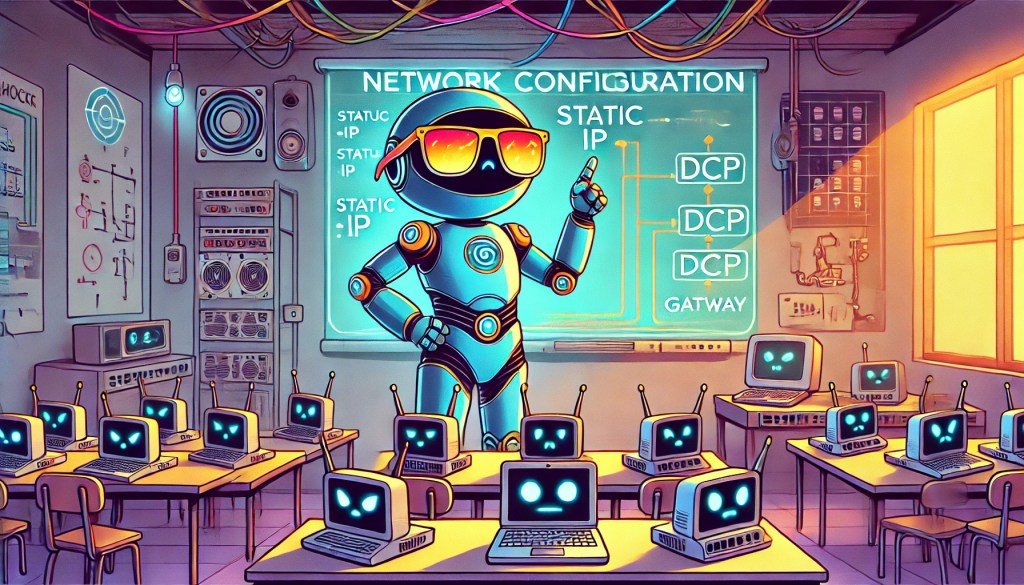
Network configuration involves assigning and managing how devices connect and communicate across a network. IP addressing is a fundamental concept—devices can be assigned static IP addresses (manually set and unchanging) or dynamic IP addresses (automatically assigned by a DHCP server). Static IPs are often used for devices like servers or printers to ensure consistent accessibility,…
-
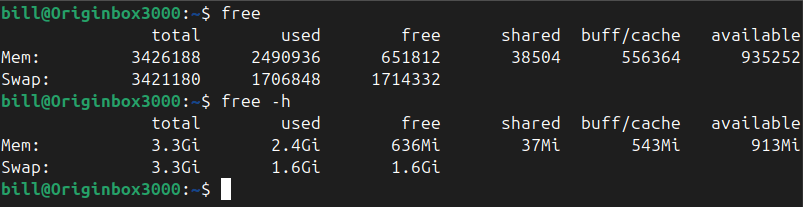
The free command in Linux is used to display comprehensive memory usage information, reporting the total, used, free, shared, buffer/cache, and available memory, including both RAM and swap space. It provides essential insights for system administrators and users to efficiently monitor and manage resources. By default, running the command free outputs memory details numerically in…
-

Transmission Control Protocol (TCP) and User Datagram Protocol (UDP) are two core transport-layer protocols that facilitate network communication, each serving distinct purposes. TCP is connection-oriented, meaning it establishes a reliable session between devices before data is transmitted. It uses a three-way handshake (SYN, SYN-ACK, ACK) to ensure that both sender and receiver are ready to…
-
Setting up network connectivity on a mobile device involves configuring Wi-Fi, cellular data, Bluetooth, and VPN settings to ensure seamless access to the internet and other devices. Wi-Fi networks must be set up using the correct security protocols, such as WPA2 or WPA3, to prevent unauthorized access. Users should also verify SSID visibility and ensure…
-
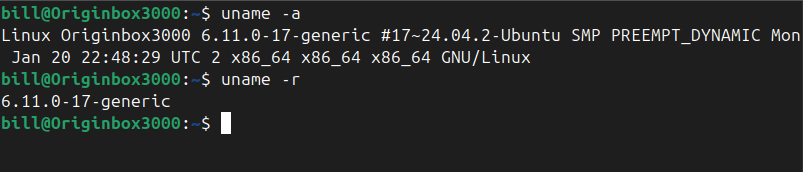
The uname command in Linux prints system information about the current machine. Specifically, it reports details such as the kernel name, kernel release, kernel version, machine hardware name, and the operating system. This command is commonly used by administrators and users alike to quickly determine system details for troubleshooting, software compatibility checks, or documenting system…
-
Understanding how to use networking tools in real-world scenarios is a core part of CompTIA A+ training. Each tool has a specific purpose, from diagnosing connection issues to testing cables or analyzing network traffic. Below is a breakdown of essential tools and how they would be used when given a practical situation: Cable Tester A…
-

Ensuring seamless network connectivity on mobile devices requires proper configuration of Wi-Fi, cellular data, and Bluetooth settings. Wi-Fi connections should be set up using the appropriate security protocols, such as WPA2 or WPA3, to prevent unauthorized access. When configuring cellular data, users must input the correct Access Point Name (APN) settings, which define how the…
-

Mobile devices rely on a variety of accessories and ports to enhance functionality and improve user experience. Properly setting up and configuring these peripherals ensures seamless connectivity and optimized performance. Common accessories include external keyboards, wireless headphones, docking stations, and styluses, each requiring correct pairing and settings adjustments. Bluetooth-enabled accessories must be paired through the…
-
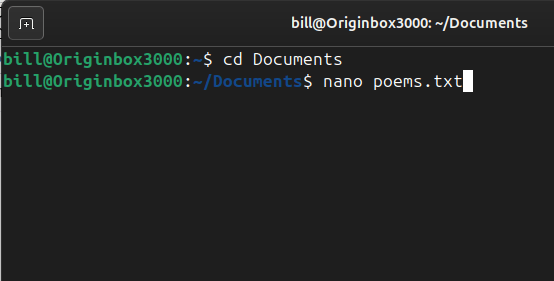
Nano is a simple and user-friendly command-line text editor for Unix-based systems, including Linux. It is designed to be easy to use, even for beginners, with a straightforward interface and on-screen shortcuts. Unlike more complex editors like Vim or Emacs, Nano does not require users to learn advanced keybindings or modes, making it an accessible…
-
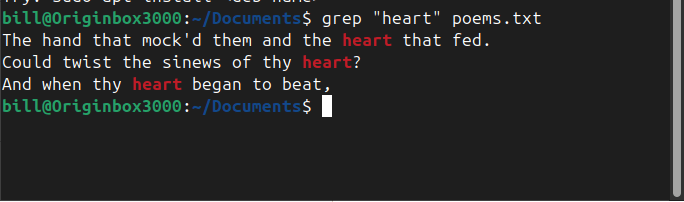
The grep command in Linux is a powerful text-search utility used to find specific patterns within files. In the screenshot, the command grep “heart” poems.txt was executed, instructing the system to search for the word “heart” inside poems.txt and display all matching lines. The output highlights instances where “heart” appears within the poem, helping the…
-
Links in Linux are essential for managing files efficiently, offering flexibility in how files are referenced and accessed. Two primary types exist: hard links and symbolic links (also called soft links). While both serve as references to files, they function differently in how they store and manage data. A hard link is a direct reference…
-

The Small Computer System Interface (SCSI), pronounced “scuzzy,” is a set of standards for connecting and transferring data between computers and peripheral devices. Introduced in the 1980s, SCSI became a prevalent interface for hard drives, scanners, printers, and other peripherals, especially in high-performance and server environments. Despite the advent of newer interfaces like USB and…
-

Installing and configuring laptop hardware involves replacing or upgrading essential components such as memory (RAM), storage drives, and batteries. When upgrading RAM, the laptop must be powered off, and the correct type and size of memory modules must be installed in the designated slots. Storage upgrades often involve swapping out traditional hard disk drives (HDDs)…
-

The find command in Linux is a powerful and versatile tool designed to search through files and directories based on specific criteria. It helps users efficiently locate files within a file system, filtering searches by name, file type, modification date, size, or even permissions. A typical syntax for using find includes specifying a starting directory,…
-
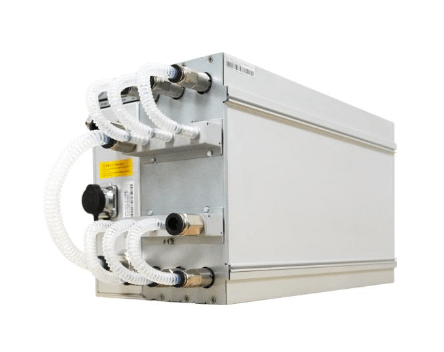
Data centers, the backbone of our digital world, employ various cooling methods to maintain optimal operating temperatures for their equipment. One such method is immersion cooling, where IT components are submerged in thermally conductive, dielectric liquids. technique allows for efficient heat dissipation, as the liquid directly contacts heat-generating components, reducing the need for traditional air…
-

Molex connectors are standardized electrical connectors widely used in power and signal applications across various industries, including computing, consumer electronics, and automotive systems. They are known for their durability, ease of use, and reliable connectivity, often featuring plastic housings with metal contacts that enable secure electrical connections. These connectors originated from Molex Incorporated, a company…
-
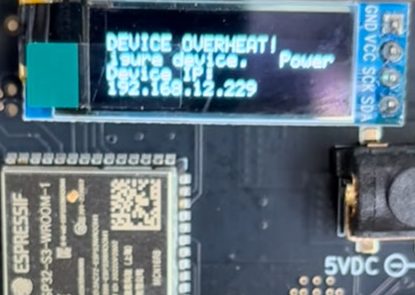
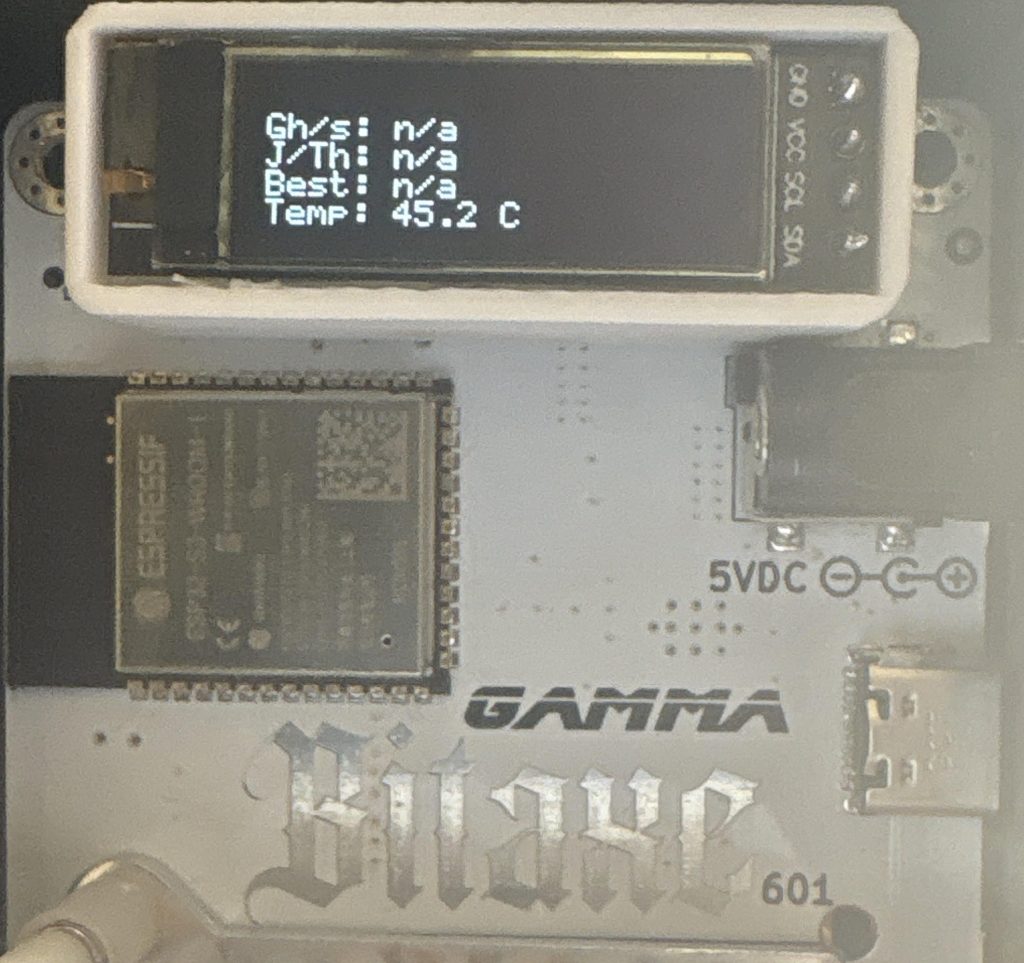
When your Bitaxe Gamma 601 periodically overheats, you’ll notice an indicator in your firmware UI and a “device overheat” message displayed on the miner’s LED screen. Don’t worry; Resolving it is straightforward. First, open your firmware “settings.” Make sure to reset the frequency and core voltage to the default values recommended for your ASIC chip.…
-
The apropos command searches manual page names and descriptions for a given keyword, helping users quickly discover relevant commands for a task. The apropos command helps Linux users find commands related to a keyword quickly. For example, typing apropos copy lists commands involving copying files or directories. Similarly, apropos network shows commands associated with network…
-

Linux file permissions are a fundamental aspect of system security and file management, dictating how users can interact with files and directories. Each file or directory has an associated set of permissions that determine the actions permitted for the owner, the group, and others. These permissions are typically represented in a symbolic notation, such as…
-
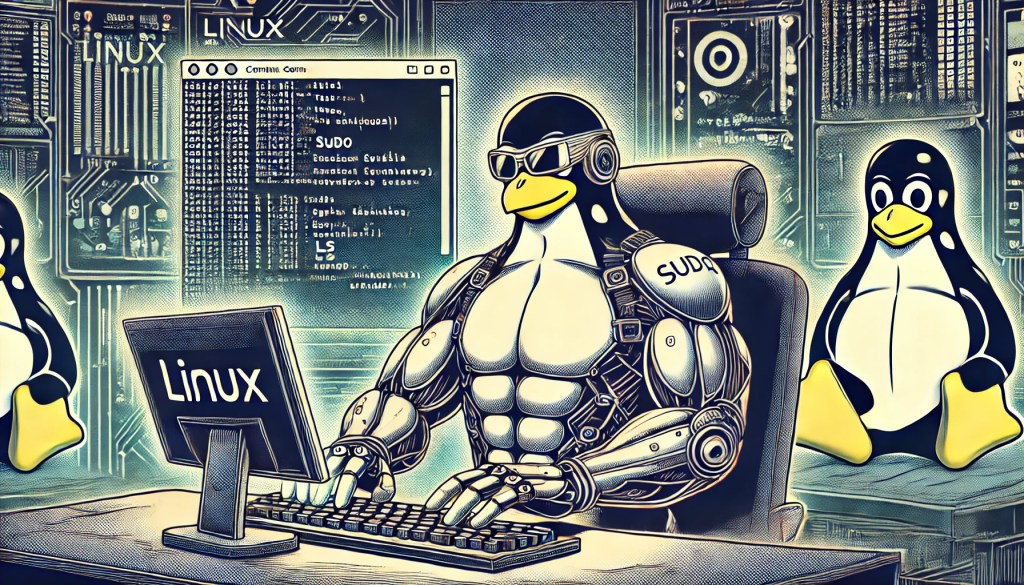
File System Hierarchy Standard (FHS): The File System Hierarchy Standard defines a consistent directory structure for Linux systems, specifying locations for system files, user files, and application data. FHS ensures predictability and uniformity across distributions, facilitating easier management and maintenance. Standard directories include /etc for configuration files, /var for variable data, /bin for essential binaries,…
-
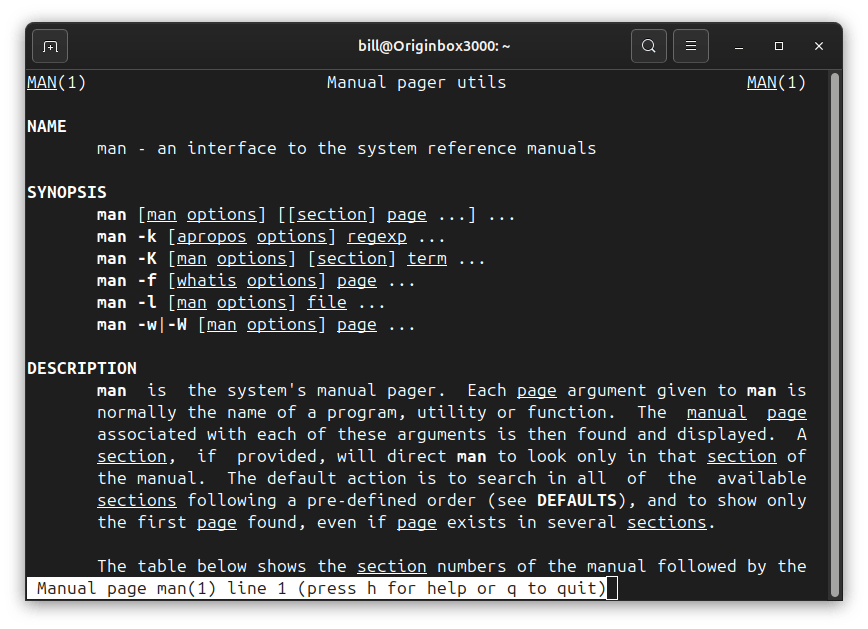
The man command, short for ‘manual’, is an essential tool in Linux, offering detailed documentation on virtually every command and program. By typing man followed by a specific command name, users gain immediate access to comprehensive manuals covering syntax, usage options, and practical examples. Ideal for beginners and seasoned professionals alike, the man command fosters…
-

Struggling to get your resume noticed on LinkedIn? Searching for a job can be overwhelming and at times feels like a job itself. During this time of applying to hundreds of jobs, I’ve found that filtering certain job preferences can dramatically increase your resume visibility. Try this 3-step strategy to boost your visibility instantly: 2.…
-

Definition and FunctionalitySerial communication refers to the process of transmitting data one bit at a time over a communication channel or computer bus. Unlike parallel communication, which sends multiple bits simultaneously, serial communication reduces signal interference and supports long-distance data transfer with fewer wires. It is widely used in telecommunications, industrial automation, and computer networking…
-

The Power-On Self-Test (POST) is a fundamental diagnostic process performed by computers immediately after they are powered on. This procedure verifies the functionality and integrity of essential hardware components before the operating system loads, ensuring that the system operates correctly. During POST, the system’s firmware—commonly the BIOS or UEFI—conducts a series of checks on…
-

Overclocking involves increasing a computer component’s clock rate beyond the manufacturer’s specifications to boost performance. This practice is commonly applied to processors and graphics cards, allowing them to execute more operations per second. While overclocking can lead to significant performance gains, it also raises power consumption and heat output, necessitating improved cooling solutions to maintain…
-
Network ports serve as essential communication endpoints, allowing devices to exchange data over the internet and private networks. These numerical identifiers, assigned to specific services and applications, ensure proper data routing between devices. The IT industry relies on well-defined port numbers to facilitate secure and efficient networking operations across various protocols and services. Commonly Used…
-
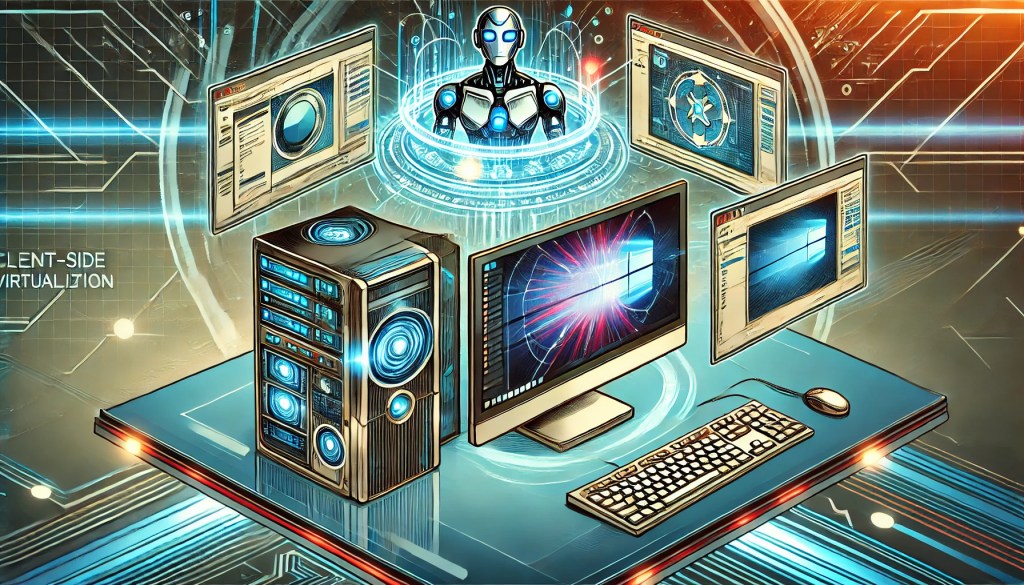
Client-side virtualization enables users to run multiple operating systems simultaneously on a single physical machine, enhancing flexibility and resource utilization. This technology allows each virtual machine (VM) to operate independently, with its own CPU, memory, and storage resources. A key component in client-side virtualization is the hypervisor, also known as the Virtual Machine Manager (VMM).…
-

The central processing unit (CPU) serves as the brain of a computer, executing instructions and processing data essential for system operations. A CPU’s architecture encompasses various components and functionalities that determine its performance and capabilities. Instruction Set Architecture (ISA) The ISA defines the set of instructions a CPU can execute, including operations like arithmetic, data…
-

Before you can use python in the Linux terminal, you need to download the python version that you wish to utilize on your operating system. For example your python version might be 3.12 so make the call “python3 –version” After you confirm python is downloaded run the application by calling the version for example, “python3”…
-

Laser printers have become essential in both office and home environments, offering high-speed and high-quality printing solutions. Understanding their components and features is crucial for effective operation and troubleshooting. Key Components of a Laser Printer The Process of Paper Movement in a Laser Printer The movement of paper through a laser printer follows a structured…
-

RAID (Redundant Array of Independent Disks) is a data storage technology that combines multiple physical drives into a single logical unit to enhance performance, reliability, or both. Various RAID levels offer different balances between these factors. RAID 0 utilizes data striping, distributing data across multiple disks without redundancy. This configuration enhances read and write speeds…
-
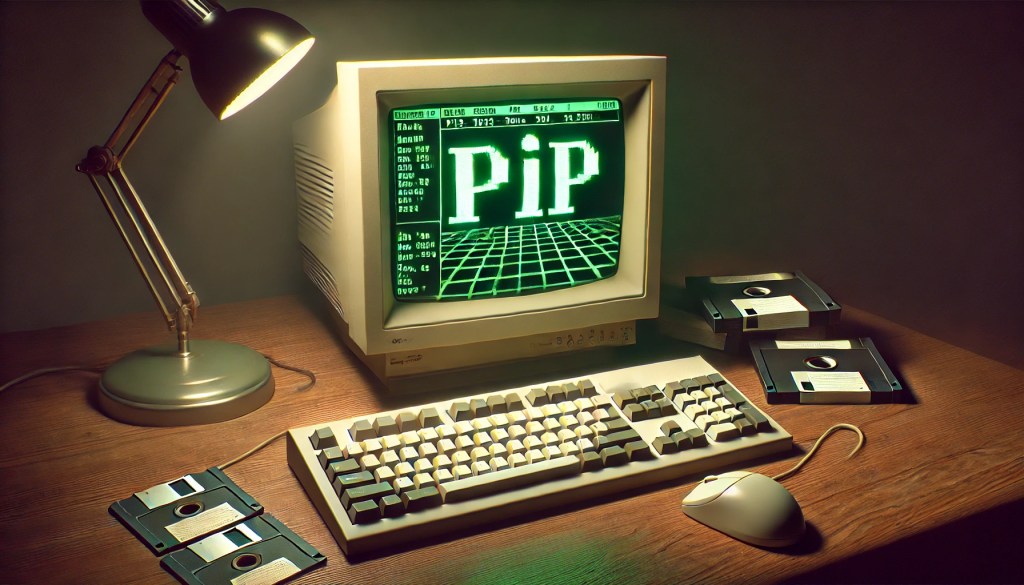
Python’s package management landscape has been significantly shaped by pip, the default package installer for the language. Introduced in 2008 by developer Ian Bicking, pip—an acronym for “Pip Installs Packages”—was created to enhance the process of installing and managing Python software packages. It serves as a direct interface to the Python Package Index (PyPI), a…
-

M.2 is a compact, high-speed interface standard designed for internal expansion cards and solid-state drives (SSDs) in modern computers, including laptops, desktops, and embedded systems. It serves as a replacement for older standards like mSATA and mini PCIe, offering improved performance, efficiency, and space savings. M.2 devices utilize multiple bus interfaces, including PCI Express (PCIe)…
-

The SupraHex is a compact, ESP32-S3-based mining device designed for small-scale, efficient Bitcoin mining. Developed by TinyChipHub and other vendors recognized by OSMU, it operates on AxeOS firmware and supports both solo and pool mining. Unlike traditional ASICs, it is optimized for low-power, cost-effective mining while allowing users to tinker with firmware and system configurations.…
-

Accessing the web interface of the Cisco Catalyst 1200-8T switch is a straightforward process that allows IT professionals to configure and monitor network settings efficiently. The switch’s web-based graphical user interface (GUI) provides an intuitive platform for managing various network functions. Prerequisites: Accessing the Web Interface: Post-Login Configuration: For a visual walkthrough of the initial…
-
According to IEEE, the Transmission Control Protocol (TCP) has remained a cornerstone of modern internet infrastructure for over five decades. One of its fundamental processes, the FIN handshake, ensures a controlled termination of a network session, preventing data corruption or sudden disconnections. Unlike an abrupt RST (Reset) termination, the FIN handshake involves a four-step process…
-
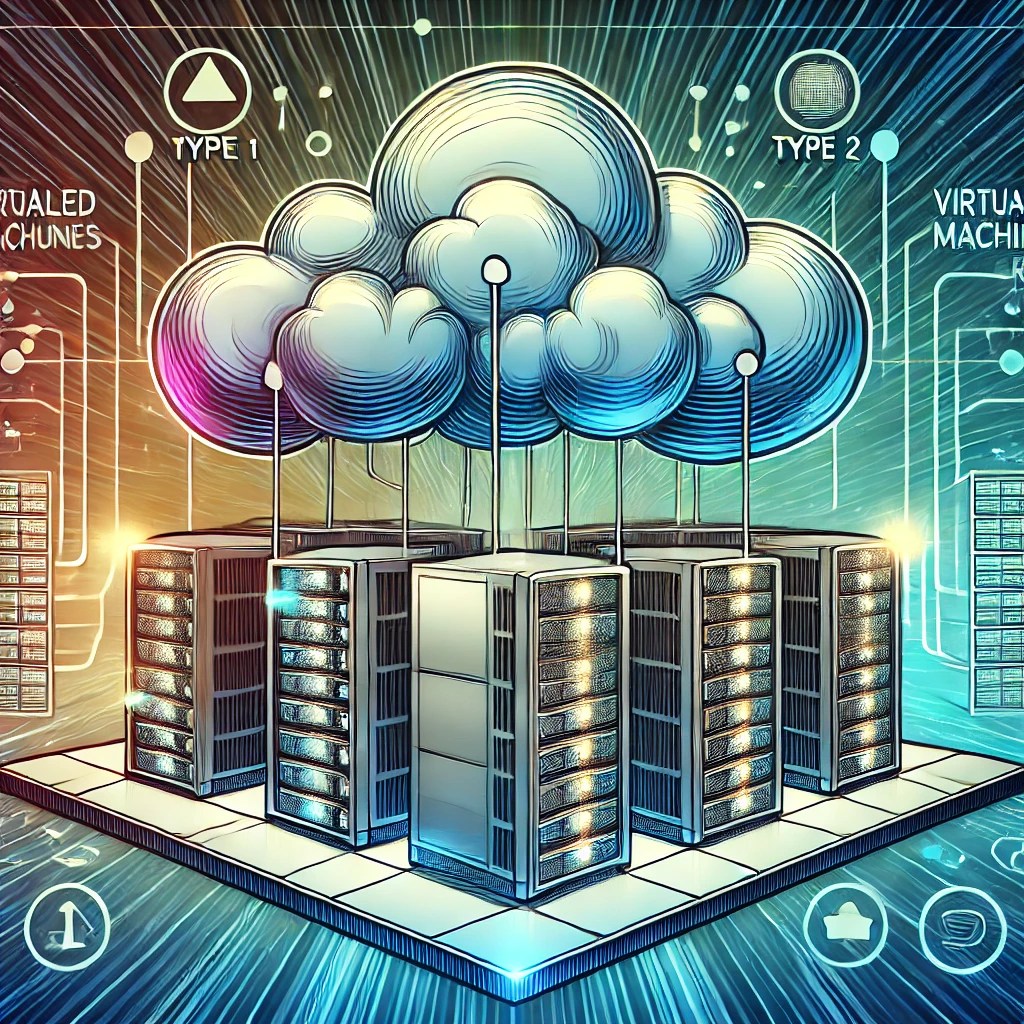
Cloud computing has revolutionized how businesses and individuals access and manage data, applications, and infrastructure. By leveraging remote servers hosted on the internet, cloud computing enables scalable, on-demand resources that enhance efficiency and cost-effectiveness. A key component of cloud computing is virtualization, which allows multiple virtual machines (VMs) to run on a single physical server.…
-
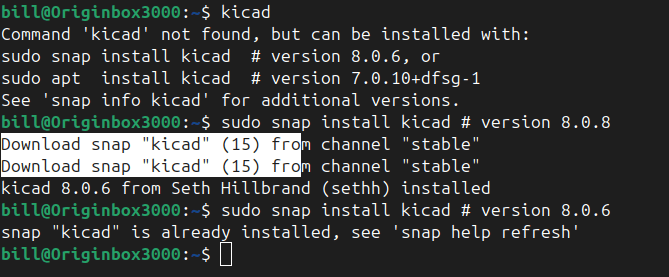
KiCad is a powerful open-source software suite used for designing printed circuit boards (PCBs). It offers a comprehensive set of tools for schematic capture, PCB layout, and 3D visualization, making it a go-to choice for both hobbyists and professional engineers. The software supports industry-standard formats and integrates essential features such as Gerber file export and…
-

Efficient management of ASIC mining machines is vital. NSC Miner Management offers comprehensive control, including a heatmap visualization and machine tracking.
-
UPDATE: the file names in this documentation have been changed. The server-side application is now referred to as VirtualServer.py, while the client-side script is called ProofOfScript.py. These names have been chosen to help readers easily follow along with the instructions. When running the API, please ensure you use the file names as indicated. In order…
-

The command netsh wlan show networks mode=bssid is a Windows command-line instruction used to display detailed information about wireless networks available within range of the computer’s Wi-Fi router or adapter. The netsh utility, short for Network Shell, allows users to configure and monitor network settings from the command prompt. In this case, the command queries…

 Bitcoin Versus