Tech Docs
-

Windows Command #37 explains sc config: how to change Windows service startup types, use the required spacing, verify service names, and avoid changing critical services blindly.
-
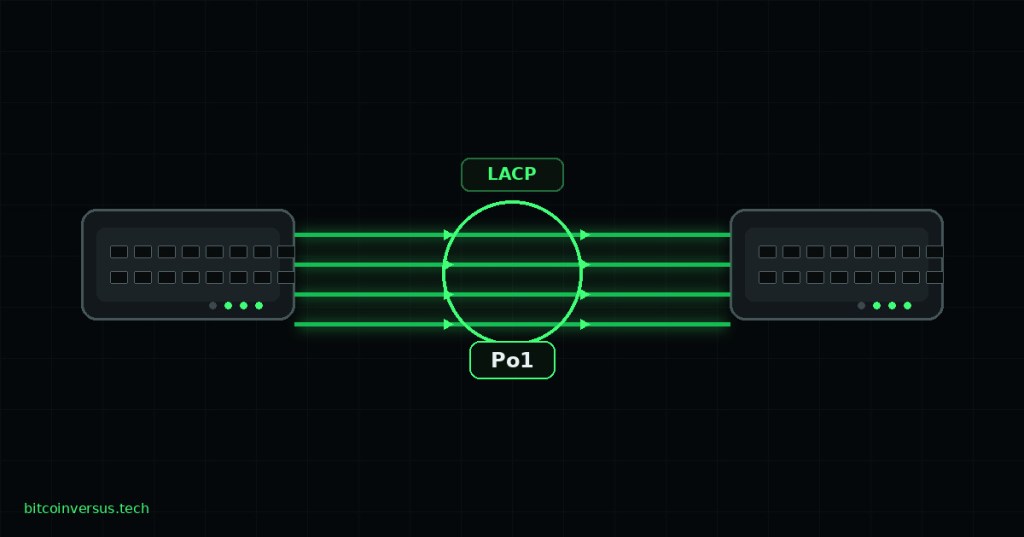
Learn how LACP and EtherChannel bundle multiple Ethernet member links into one logical port-channel, how load balancing works, how failures are handled, and how to verify and troubleshoot the bundle.
-
OSLTC.002 teaches technical leaders how to set clear expectations by defining the outcome, performance standard, constraints, and confirmation before work begins.
-
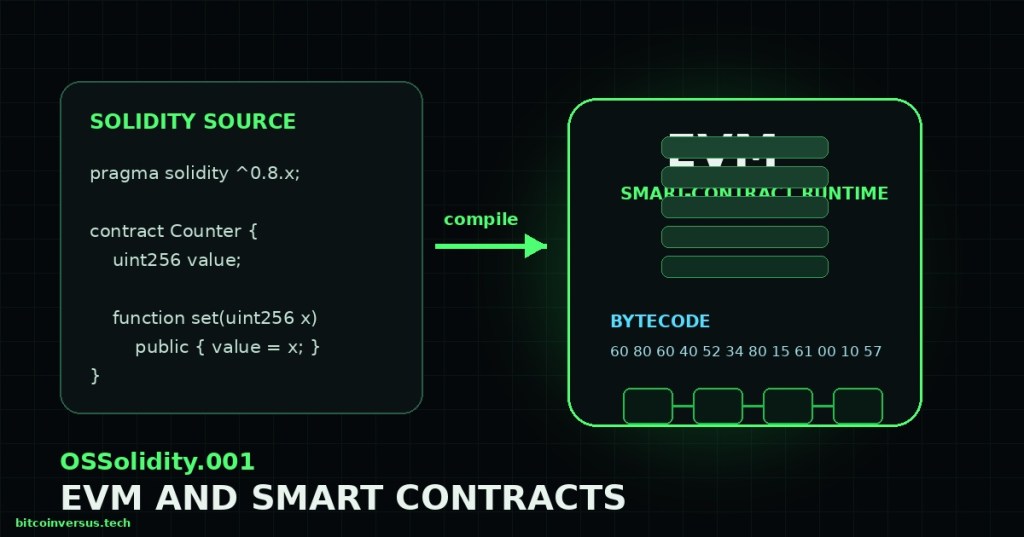
OSSolidity.001 explains the beginner mental model for Solidity: what smart contracts are, what the Ethereum Virtual Machine does, and how Solidity source becomes EVM bytecode that Ethereum nodes execute.
-
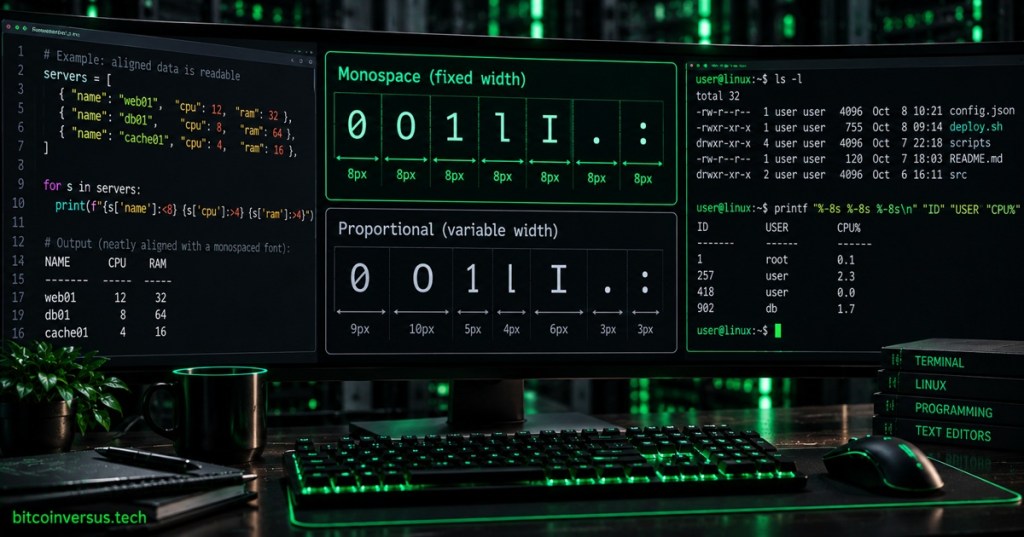
A monospace font gives every character the same horizontal width. That simple rule is why code, terminals, logs, tables, and command-line tools line up so cleanly.
-

Bitcoin nodes use TCP port 8333 by default to find peers, relay transactions, and spread blocks. Learn how DNS seeds, NAT, port forwarding, firewalls, Tor, IPv6, and Bitcoin Core peer diagnostics fit together.
-

SpaceX’s deal for Grain Management’s nationwide 800 MHz spectrum portfolio could give Starlink Mobile the low-band coverage layer it needs to reach ordinary phones more reliably around walls, foliage, and buildings.
-
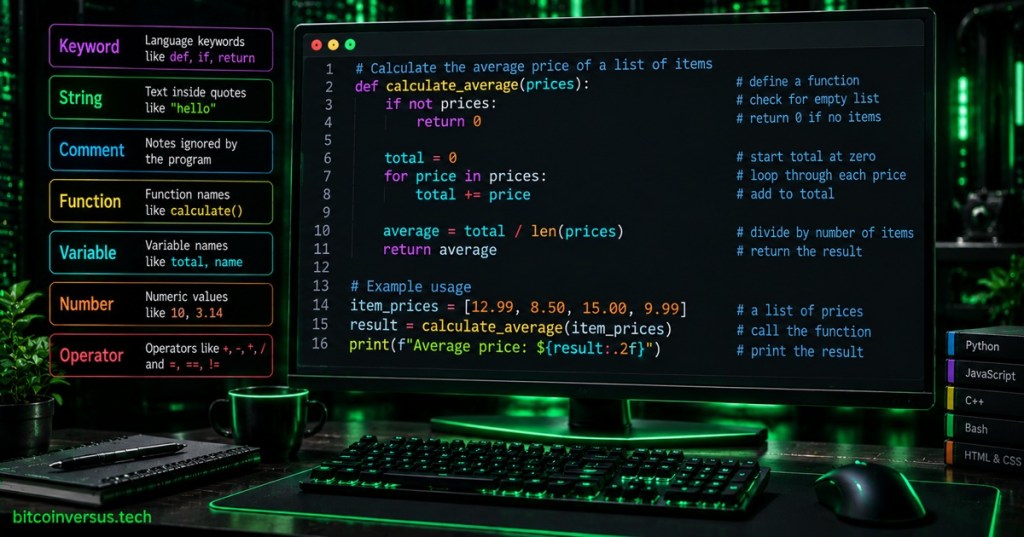
Syntax highlighting colors code so humans can scan it faster. Here’s what keywords, strings, comments, functions, variables, themes, parsers, and semantic highlighting actually mean.
-
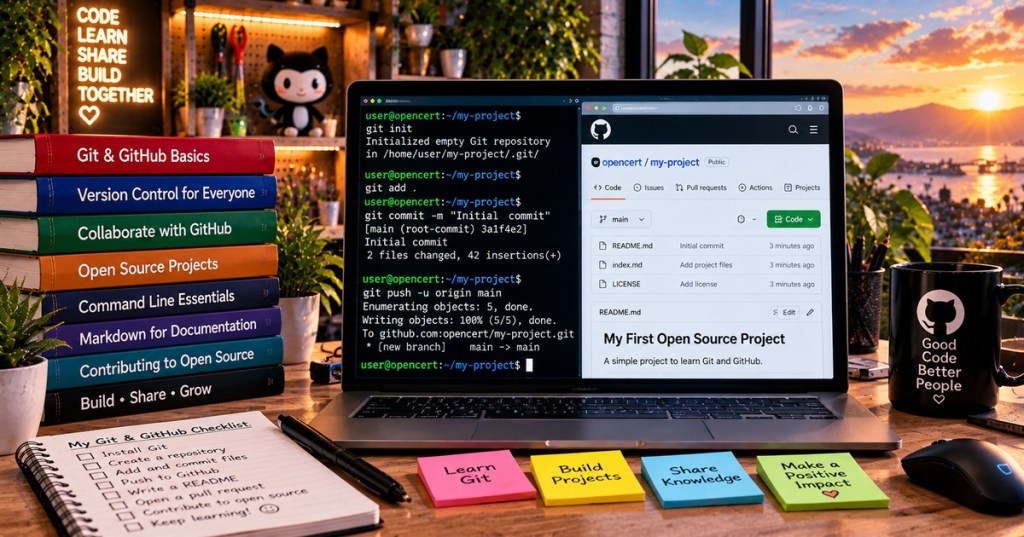
Understand Git repositories, commits, branches, GitHub pull requests, and how to start tracking your own projects with version control.
-
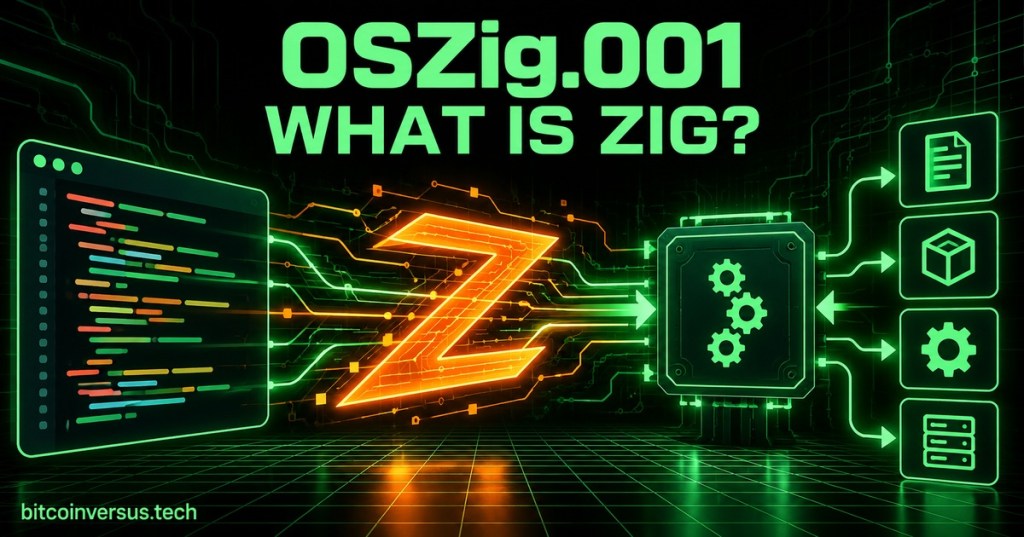
OSZig.001 introduces Zig from first principles: source files, the Zig toolchain, zig init, zig build run, a minimal program, and the path from source code to a native executable.
-
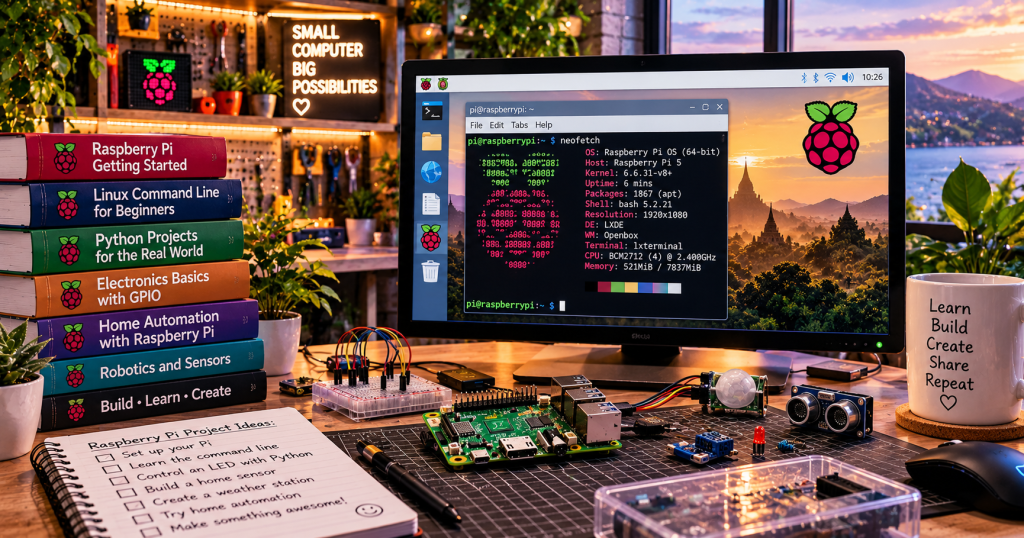
Learn what a Raspberry Pi is, how GPIO and Raspberry Pi OS work, and five beginner-friendly projects that teach Linux, programming, and electronics.
-
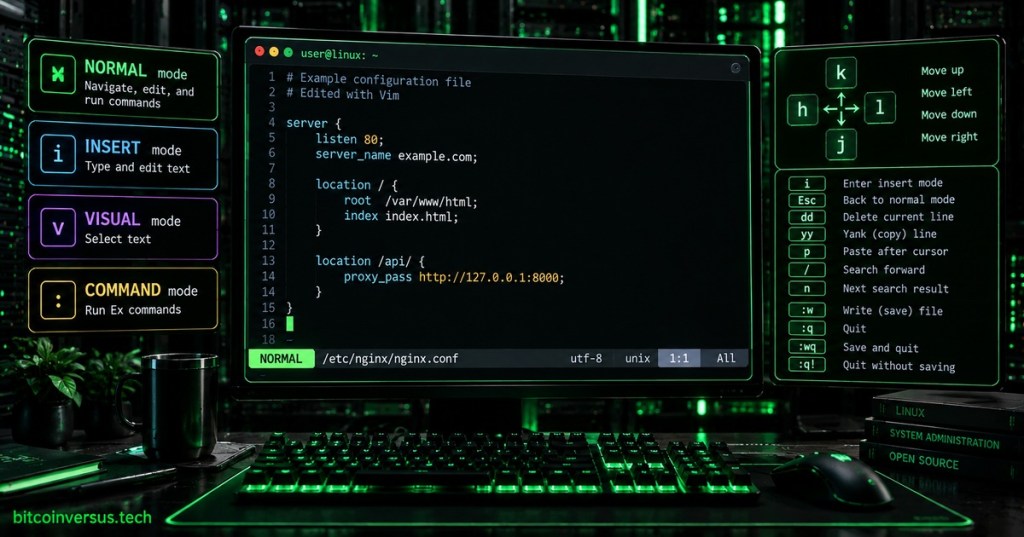
Vim is a keyboard-driven text editor built around modes, motions, operators, commands, buffers, splits, search, and repeatable editing. This overview explains the core ideas and the commands beginners actually need.

