Tech Docs
-
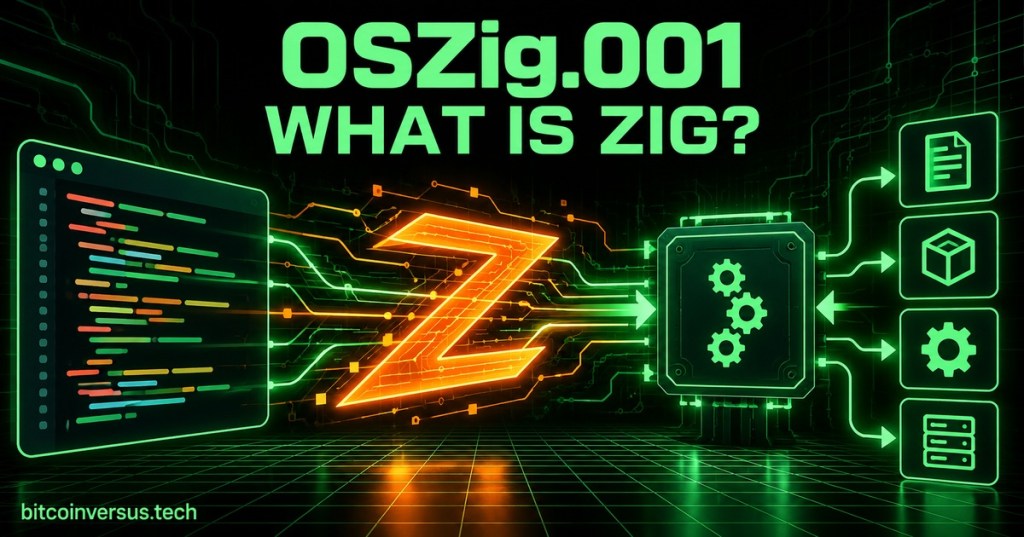
OSZig.001 introduces Zig from first principles: source files, the Zig toolchain, zig init, zig build run, a minimal program, and the path from source code to a native executable.
-
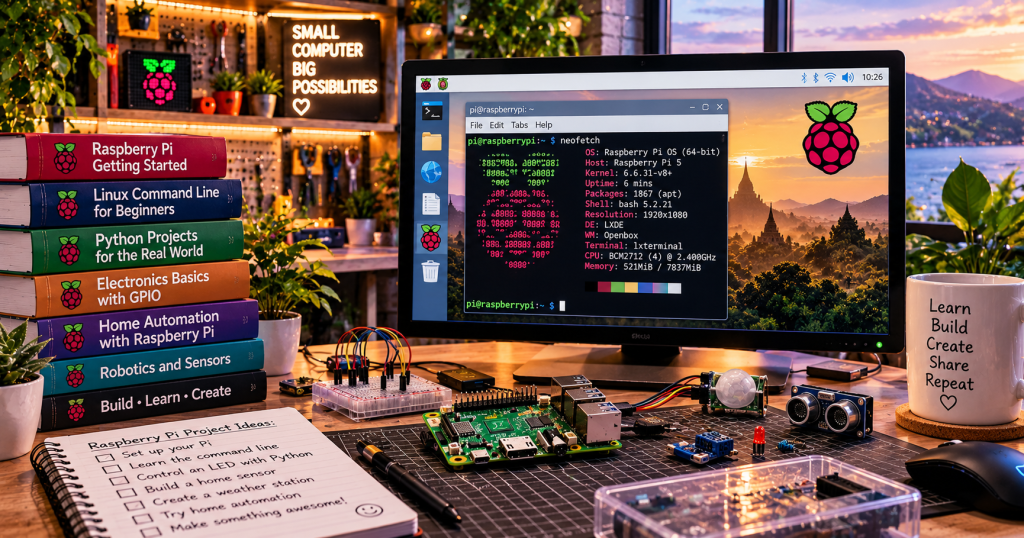
Learn what a Raspberry Pi is, how GPIO and Raspberry Pi OS work, and five beginner-friendly projects that teach Linux, programming, and electronics.
-
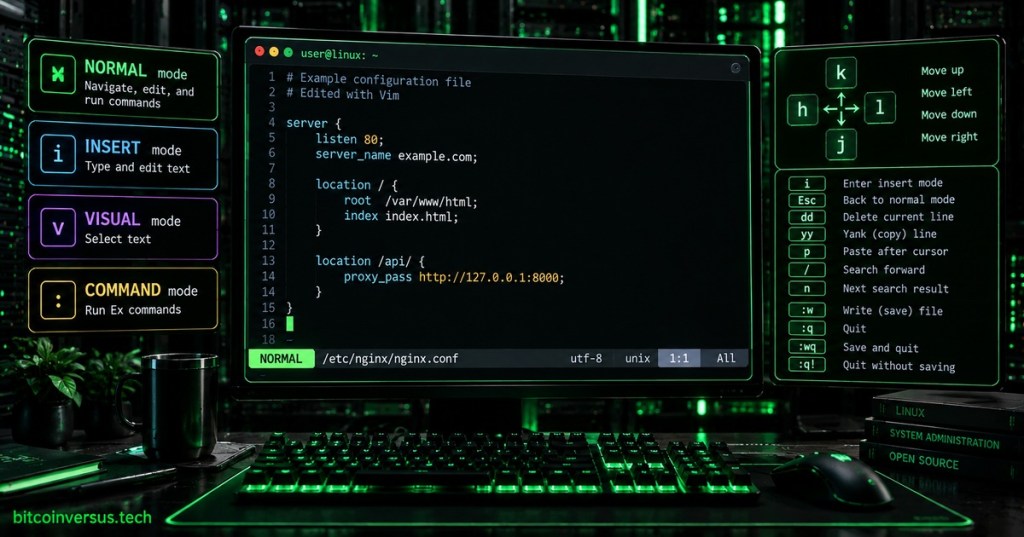
Vim is a keyboard-driven text editor built around modes, motions, operators, commands, buffers, splits, search, and repeatable editing. This overview explains the core ideas and the commands beginners actually need.
-
Learn what open-source software means, how licenses and contributors work, and why Linux, Python, and community projects matter.
-
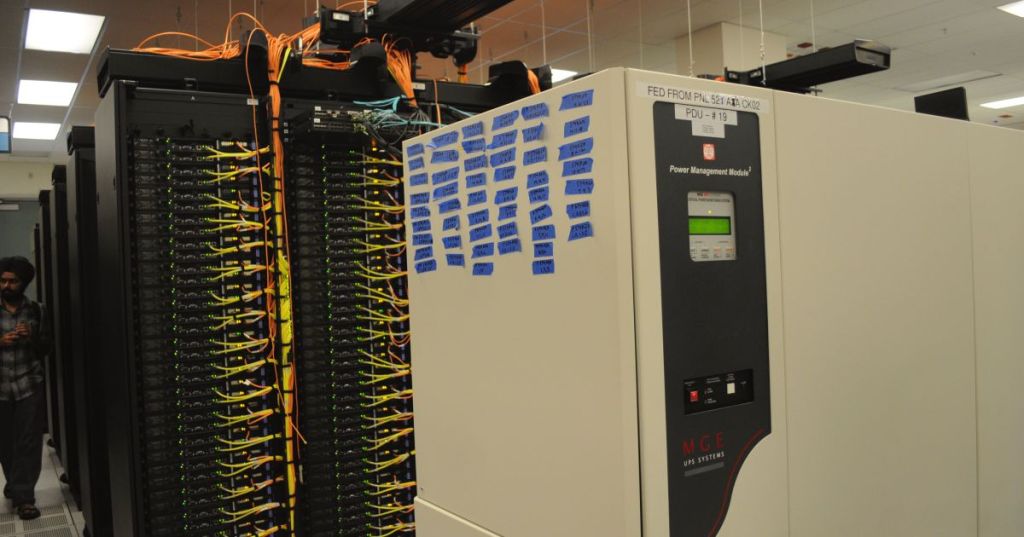
Learn data-center reliability engineering: availability, MTBF, MTTR, failure domains, FMEA, preventive maintenance, MOP/SOP/EOP, change control, root cause analysis, and corrective action.
-
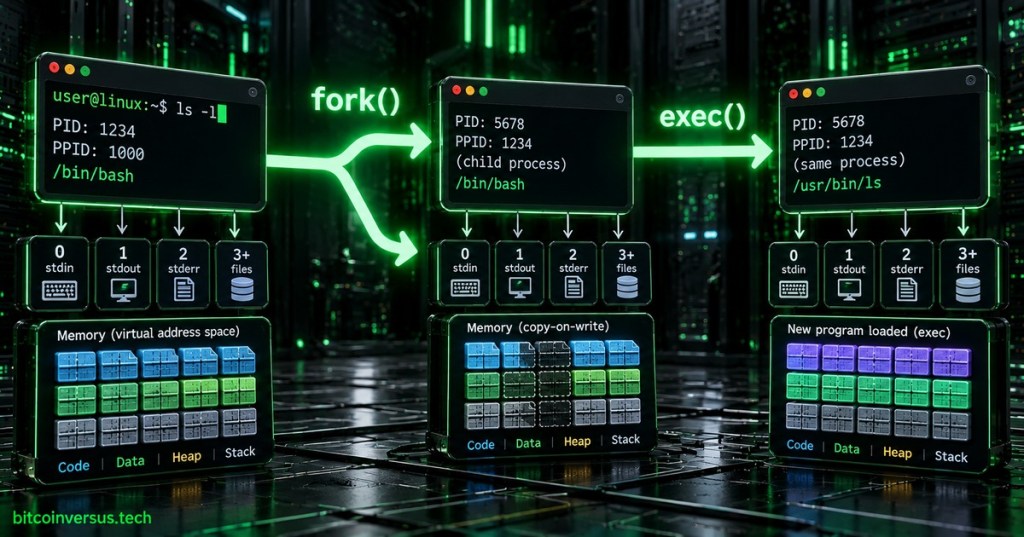
Linux usually creates a new process with fork(), then replaces the child’s program with exec(). Here’s how PID, memory, file descriptors, PATH, redirection, copy-on-write, and wait() fit together.
-

Lumos Robotics staged a 45-minute humanoid robot theater show in Shenzhen, featuring dance, comedy, martial arts, DJ sets and magic.
-

AGILINK’s OmniHand 3 Ultra takes on Suzhou silk embroidery with master artisan Fu Xianghong, showing how difficult delicate materials are for robots.
-
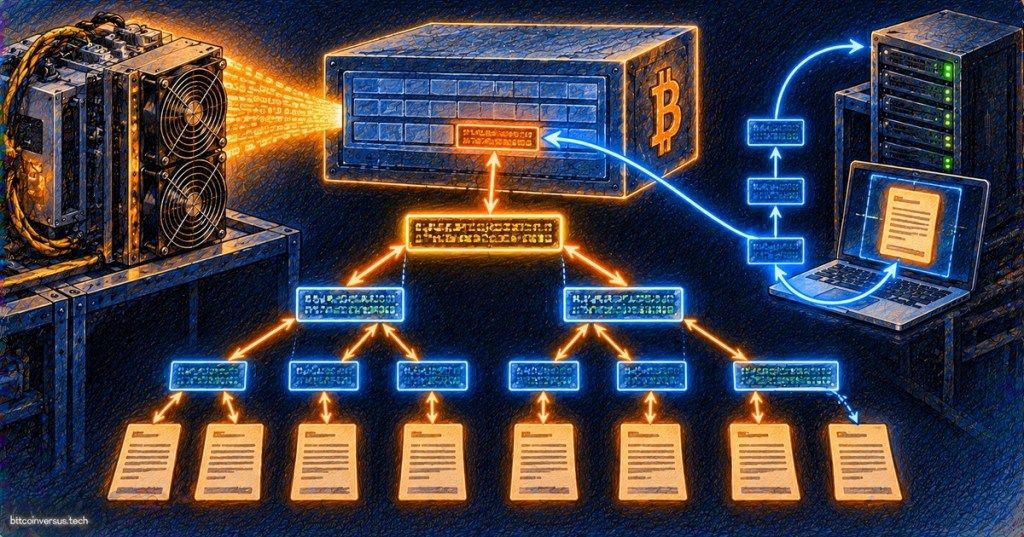
A Bitcoin Merkle root compresses an ordered set of transaction IDs into one 32-byte commitment stored in the block header. Learn how the tree is built, how Merkle proofs work, and why changing one transaction changes mining work.
-
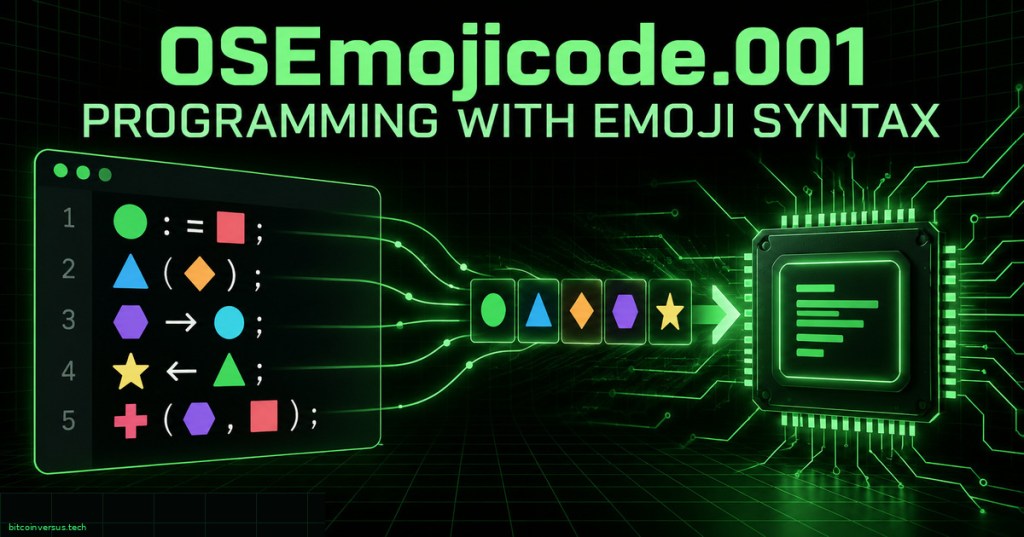
OSEmojicode.001 introduces the Emojicode programming language, showing how emoji tokens represent familiar ideas such as an entry point, blocks, output, strings, and typed program structure.
-
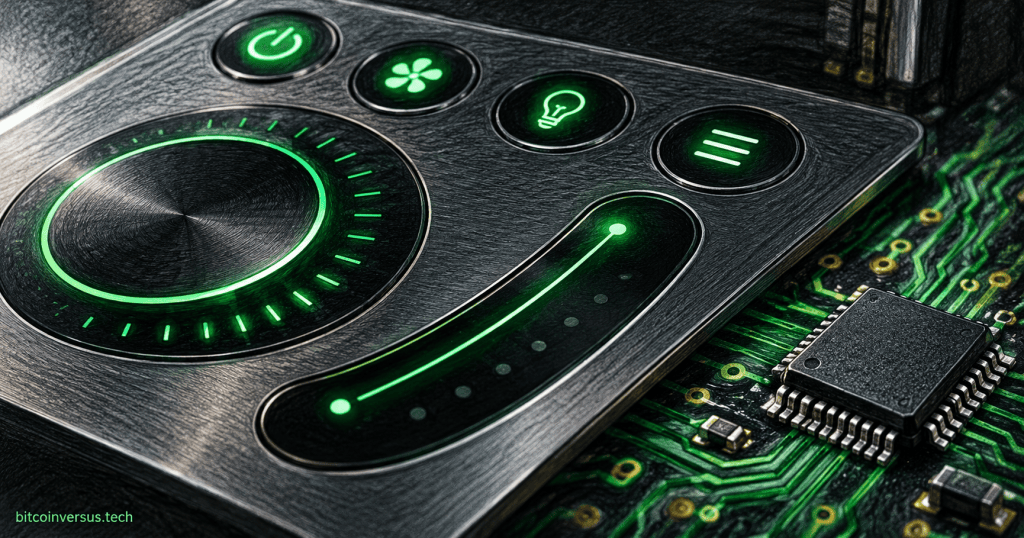
Microchip unveils MTCH3380P and MTCH3240P capacitive-touch controllers with 12 parallel ADCs for buttons, sliders and wheels.
-
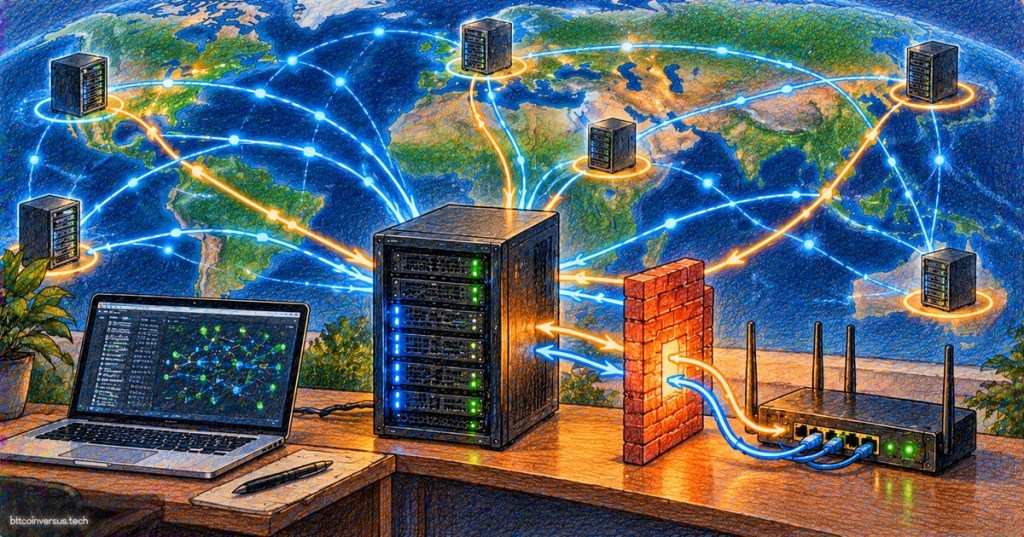
Bitcoin nodes use TCP port 8333 to find peers, relay transactions and blocks, and synchronize the blockchain. Learn how DNS seeds, version/verack, inbound vs. outbound peers, NAT, port forwarding, Bitcoin Core RPC, and P2P v2 transport fit together.

