
OSETC.043 introduces practical motor-bearing condition checks using repeatable vibration, temperature and lubrication observations. Rolling-element bearings support a motor shaft, but their health cannot be established from a single warm housing, noise or vibration number. The preceding OSETC.042 motor-overload lesson covered electrical trip response; bearing monitoring looks instead for developing mechanical problems before an unexpected shutdown.
Fluke Corporation, “How To Measure Vibration With The Fluke 805 Vibration Meter,” July 24, 2013. A manufacturer demonstration of vibration, bearing-condition and infrared-temperature screening on rotating machinery. Credit: Fluke / YouTube.
Vibration is a trend, not a diagnosis
SKF explains that machinery exhibits characteristic vibration patterns and that a change may indicate imbalance, misalignment, looseness or bearing degradation. SKF’s electric-motor guidance separates overall velocity screening from enveloped acceleration that can reveal developing bearing defects. A general increase in vibration does not identify its cause without further analysis.
Fluke’s documented motor-maintenance case study placed repeatable inspection points near bearing end shields and measured comparable directions on each visit. Record the exact location, operating speed, load, instrument and measurement axis; changes in any variable can make comparisons misleading. The Fluke 805’s severity categories are instrument-specific screening aids, not universal shutdown limits.
Temperature and lubrication provide independent clues
Infrared readings help identify a hotter-than-usual bearing housing, but surface emissivity, ambient conditions, airflow and load influence the displayed value. SKF’s Machine Condition Advisor training recommends comparing temperatures against historical or similarly loaded machines. A hot bearing does not, alone, establish insufficient grease: overgreasing, contamination, misalignment and excessive mechanical loading also require consideration.
Never choose a universal grease quantity or temperature cutoff from an introductory lesson. Follow the exact motor manufacturer’s bearing type, lubrication interval, grease compatibility, nameplate and service instructions. ABB’s condition-monitoring guidance describes combined vibration and bearing-temperature data, reinforcing the value of multiple signals rather than one alarming observation.
SKF Group, “SKF Pulse Tutorial,” July 19, 2021. An official demonstration of portable sensing, repeatable machine-health readings and condition-trend collection. Credit: SKF Group / YouTube; the video is a product tutorial rather than an independent equipment-health certification.
Safe field procedure and failure limits
Begin with an authorized work order, motor identity and previous readings. Check visible guards and inaccessible hot or rotating surfaces from a safe location; use permanent approved sensor points where contact testing is hazardous. Opening a motor, removing guards or applying lubricant requires a separately approved isolation procedure. OSETC.041 addresses rotation verification, and OSETC.040 addresses supply imbalance that can contribute to heating.
For an abnormal trend, compare electrical current and winding condition using OSETC.039 and OSETC.038. Escalate persistent vibration or temperature changes for qualified vibration-spectrum analysis, alignment checks and approved inspection. A screening meter does not provide a remaining-bearing-life prediction.
Lesson conclusion: Establish a baseline, measure consistently and correlate vibration, heat and maintenance history. Accurate fault identification requires controlled evidence—not a single tool’s color-coded status.
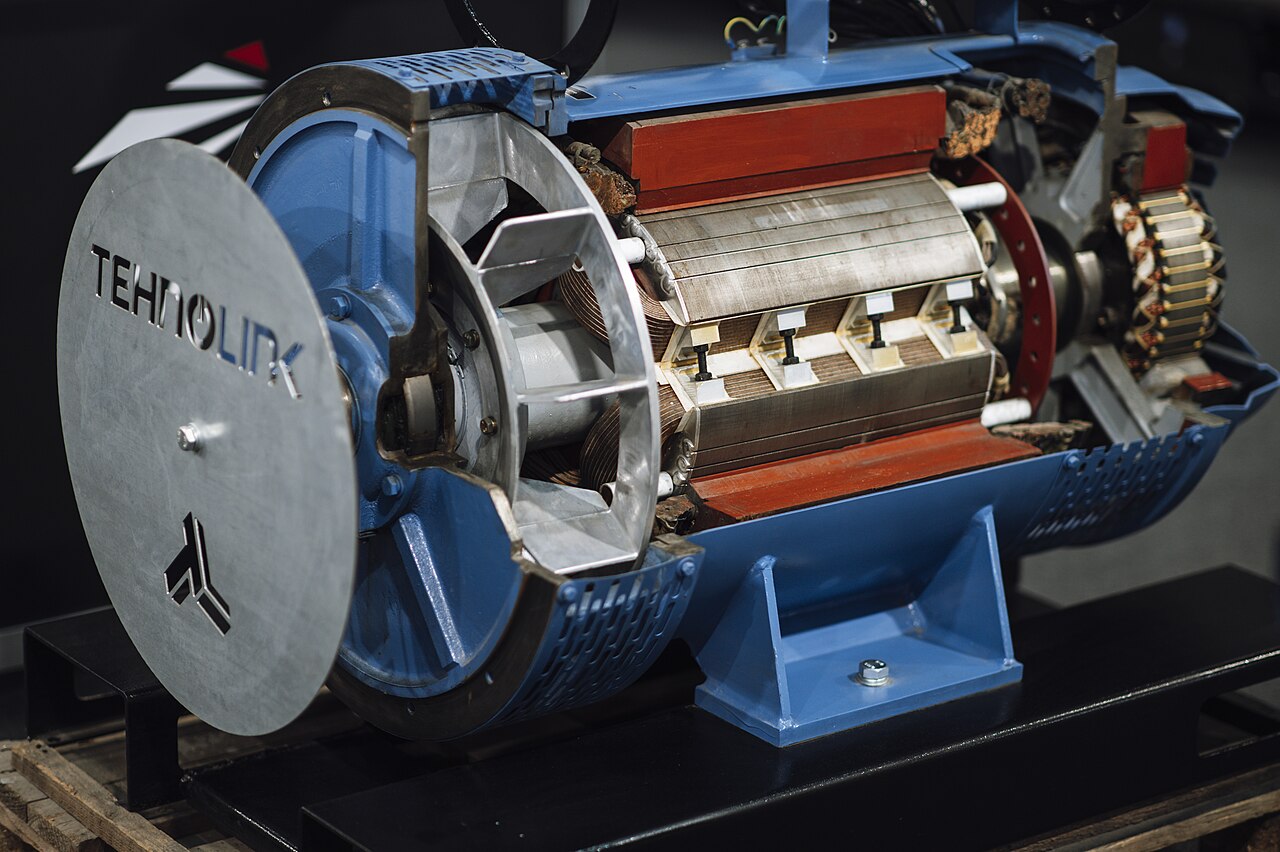
Editor’s Note: Technical statements were checked against Fluke, SKF and ABB documentation. Both videos were identified in official manufacturer channels; real player playback remains separate from stored WordPress iframe verification. The original 1200 × 630 colored-pencil cover bears the neon-green Bitcoinversus.tech watermark. The in-story motor photo is authentic and licensed CC BY 2.0. No generated diagram or claimed live motor test appears in the lesson.

BitcoinVersus.Tech publishes independent technical education through volunteer work. An optional 5,000-satoshi donation supports research. Scan the original QR from a second screen using a compatible Bitcoin wallet; on the same phone, use a wallet supporting import of a saved QR image. Verify recipient 3C9o19EH5HSiwEPyCTmEKzxhNCbo2X6TTb and amount independently before sending. Bitcoin transfers are generally irreversible.
We volunteer daily to ensure the information on BitcoinVersus.Tech is Verifiably True. Educational material does not authorize work on energized or moving machinery and does not constitute certified engineering, financial or investment advice.


Leave a Reply