Trending News
-

IPv6 is the latest version of the Internet Protocol, designed to replace IPv4 due to the exhaustion of available IPv4 addresses. IPv6 provides a vastly larger address space by using 128-bit addresses instead of the 32-bit format used by IPv4. This means IPv6 can support approximately 340 undecillion (3.4 x 10³⁸) unique addresses, which is…
-

The motherboard is the central backbone of any computer system, acting as the main printed circuit board (PCB) that connects and allows communication between all essential components. It houses the CPU socket, RAM slots, chipset, power connectors, and expansion slots such as PCIe, enabling the installation of graphics cards, network cards, or storage controllers. Motherboards…
-

The Ten Commandments hold an unparalleled position in the religious, historical, and legal frameworks of society. These stone tablets, traditionally believed to have been handed down to Moses by God, serve as a foundational artifact for the three major Abrahamic faiths: Judaism, Christianity, and Islam. Their influence on the development of law and moral principles…
-
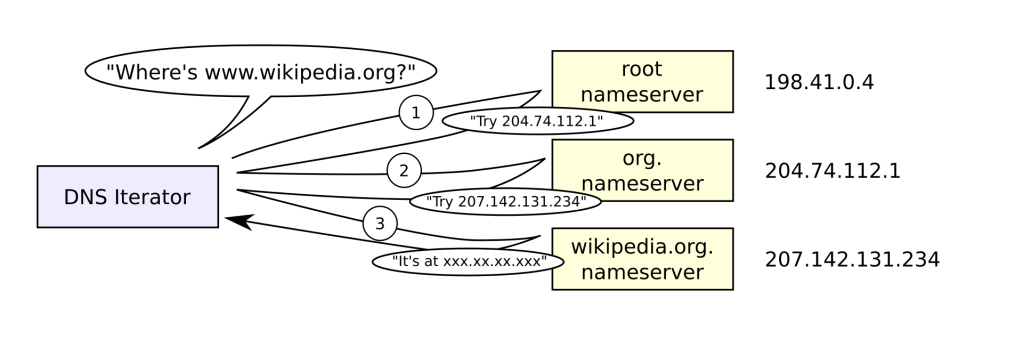
The Domain Name System (DNS) is like the phonebook of the internet. It translates human-friendly domain names such as www.google.com into IP addresses like 142.250.190.78, which computers use to locate and communicate with each other across networks. Without DNS, users would need to memorize long strings of numbers to access websites, making the internet much…
-
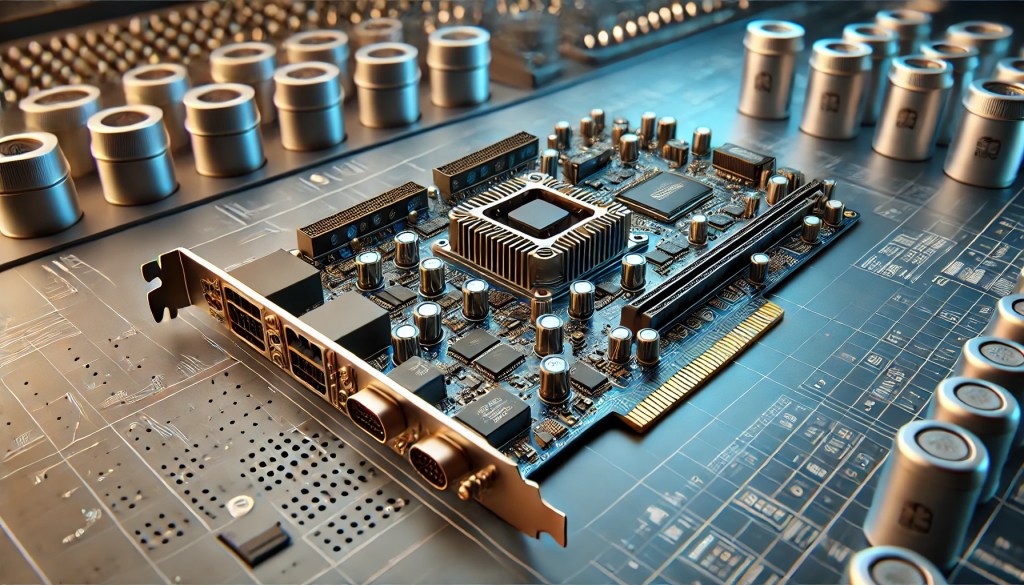
Add-on cards, also known as expansion cards, are hardware components inserted into expansion slots on a motherboard—typically PCIe slots—to extend a server’s functionality. These cards enable specialized performance beyond the system’s native capabilities, including enhanced network connectivity, accelerated processing, and advanced storage management. Common types include GPU cards for high-performance computing, network interface cards (NICs)…
-
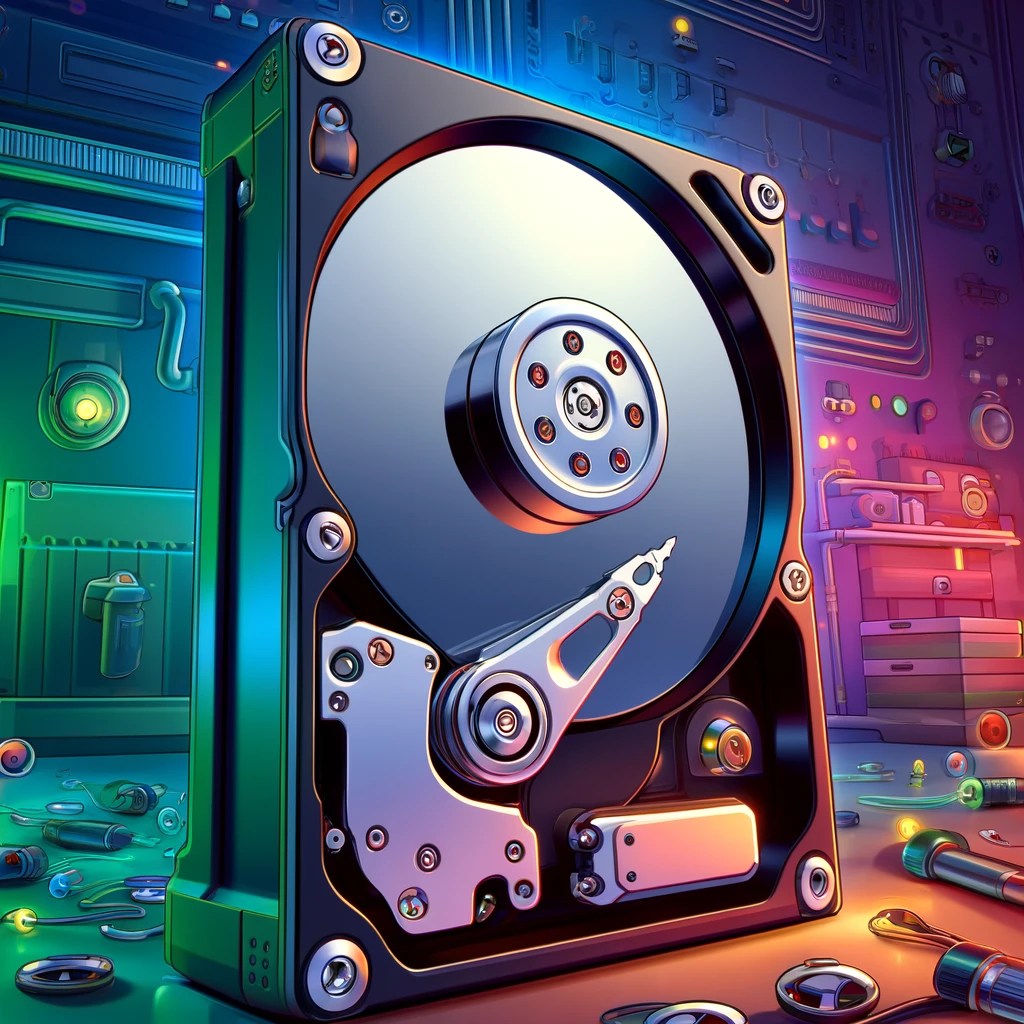
Storage devices are critical components in computing, used to retain digital information permanently or temporarily. The two most common types of internal storage are Hard Disk Drives (HDDs) and Solid-State Drives (SSDs). HDDs use spinning magnetic platters and read/write heads to store data and are valued for their high storage capacities at lower cost per…
-

As humanity sets its sights on Mars, the theoretical valuation of Martian land has ignited intense discussions among space enthusiasts and economists alike. Speculative estimates for the value of an acre on Mars range from $400 million to over $1 billion. These figures are based on the immense costs associated with developing infrastructure on the…
-
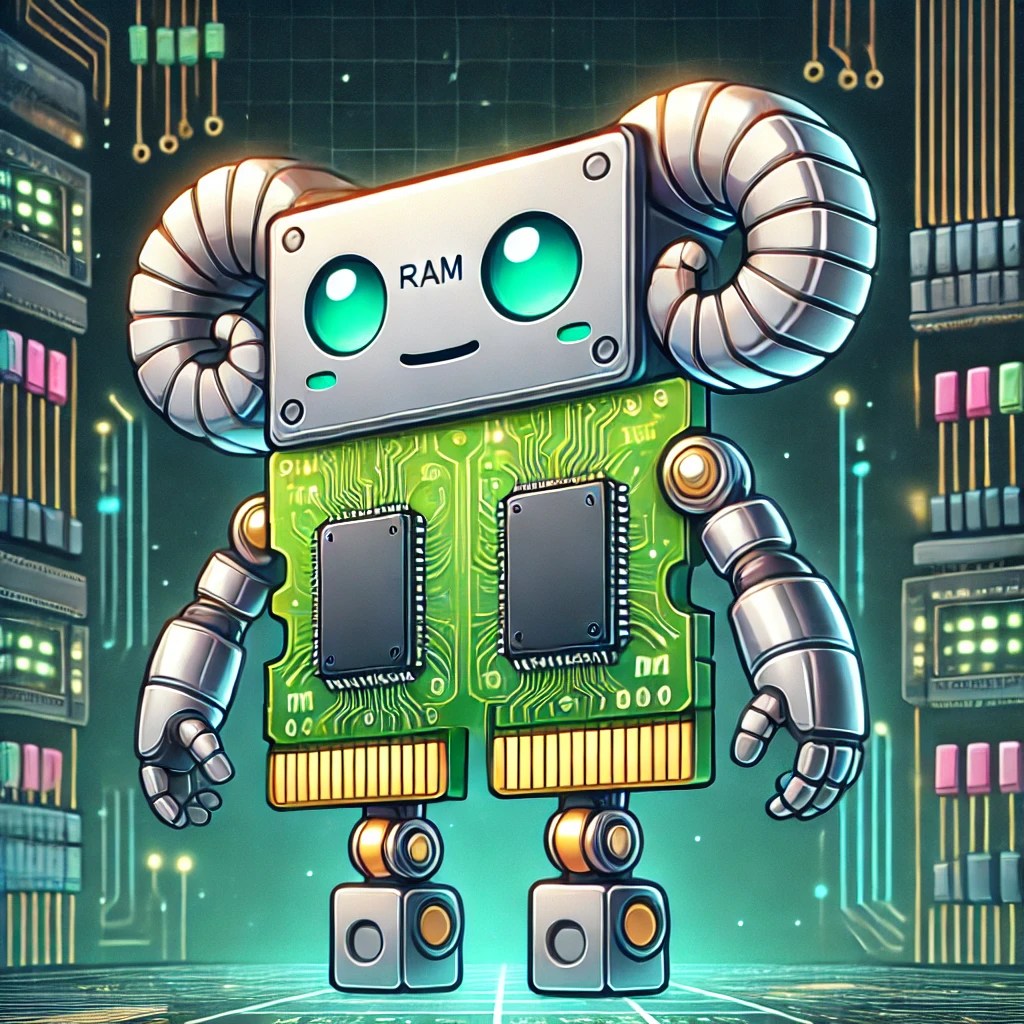
Selecting and installing RAM (Random Access Memory) starts with identifying the system’s compatibility requirements. The first step is to determine the form factor—most desktop motherboards use DIMM (Dual Inline Memory Module), while laptops use the smaller SO-DIMM (Small Outline DIMM). Next, determine the DDR generation your system supports—DDR3, DDR4, or DDR5. These are not backward…
-
Mt. Gox has announced another delay in reimbursing its creditors. The repayment deadline has been extended by a full year, pushing the new date to October 31, 2025. This decision has caused frustration among creditors, many of whom have waited since 2014 to recover their funds. The delay reflects the complexity of the bankruptcy case,…
-

Understanding cable types and their respective connectors is essential in modern IT environments, where the efficiency of data transmission depends on the correct physical medium. Common cable types include twisted pair (Ethernet), fiber optic, coaxial, HDMI, and USB, each serving unique roles in networking and communication systems. Ethernet cables, such as Cat5e, Cat6, and Cat6a,…
-

Crypto.com, has relocated its North American headquarters from Miami to Tyler, Texas. The move places the company at the heart of Texas, a state known for its booming cryptocurrency infrastructure, particularly Bitcoin mining. This strategic relocation positions Crypto.com to take advantage of the state’s talent pool and favorable political climate. The new office, located in…
-
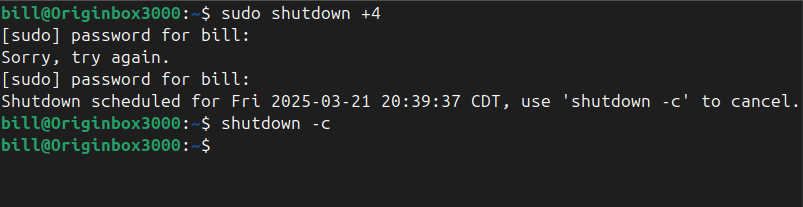
The shutdown command in Linux safely powers off or reboots a system, allowing users and administrators to schedule the shutdown after a certain time interval or at a specific time. It ensures the system terminates all processes correctly and prevents data corruption. The command accepts various parameters to specify time and behavior, with the option…

