Trending News
-

Setting up a Small Office/Home Office (SOHO) network requires a balance of reliability, security, and scalability. Wired networks offer stability and speed, typically using Ethernet cables (Cat5e, Cat6, or Cat6a) connected to a router or switch. The installation process involves configuring the router’s LAN settings, assigning static or dynamic IP addresses through DHCP, and ensuring…
-

Computer Engineering for Babies, authored by Chase Roberts, is a groundbreaking book designed to introduce young children, primarily toddlers, to the fundamentals of computer engineering. The book combines interactive elements with simple explanations to help kids grasp the basics of logic gates—such as AND, OR, and NOT gates—through a visually appealing, hands-on experience. At its…
-

The Avalon Nano 3S, developed by Canaan, is a compact Bitcoin miner designed for home use, combining cryptocurrency mining with heating functionality. It offers a hashrate of 6 terahashes per second (TH/s) while consuming a maximum of 140 watts of power. The device operates on an input voltage of 28 volts and supports frequencies of…
-

Networked hosts provide essential services that enable communication, resource sharing, and security within a network. One of the most fundamental services is web hosting, where web servers deliver websites using HTTP and HTTPS protocols, ensuring content is accessible globally. File hosting and sharing services, such as FTP (File Transfer Protocol), SMB (Server Message Block), and…
-
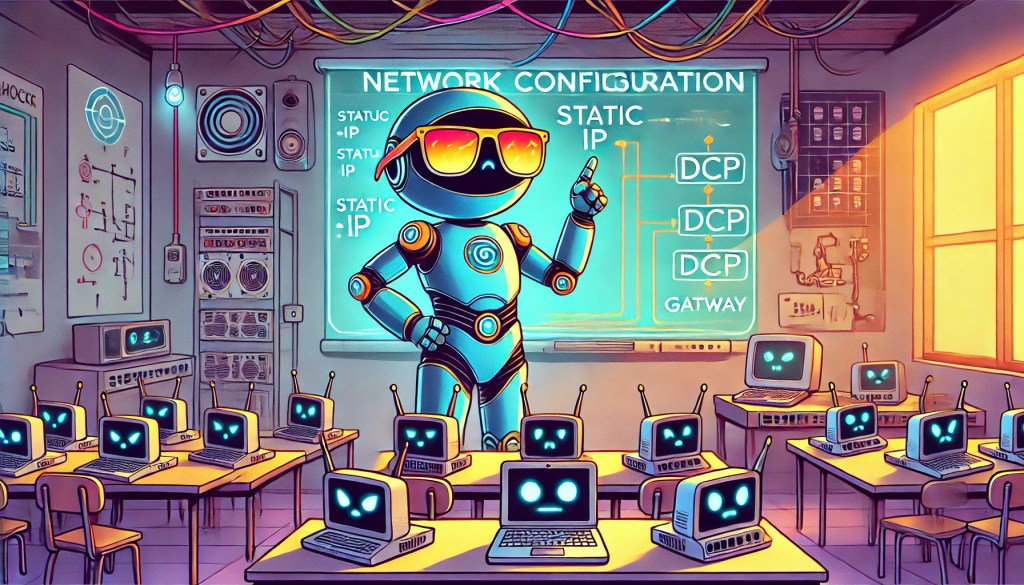
Network configuration involves assigning and managing how devices connect and communicate across a network. IP addressing is a fundamental concept—devices can be assigned static IP addresses (manually set and unchanging) or dynamic IP addresses (automatically assigned by a DHCP server). Static IPs are often used for devices like servers or printers to ensure consistent accessibility,…
-

A woman on x.com recently shared a life-changing experience where her Apple Watch played a pivotal role in saving her life. After receiving two low heart rate notifications, she decided to check her blood pressure, which led her to discover dangerously high levels of 237/99. She was quickly admitted to the hospital and diagnosed with…
-

RISC, or Reduced Instruction Set Computer, represents a CPU architecture designed with simplified instructions, enabling processors to execute instructions at high speeds with fewer cycles per operation. According to IBM, RISC architectures streamline instruction processing by reducing complexity, enabling faster and more efficient performance at lower power consumption. ARM processors are built on RISC principles,…
-
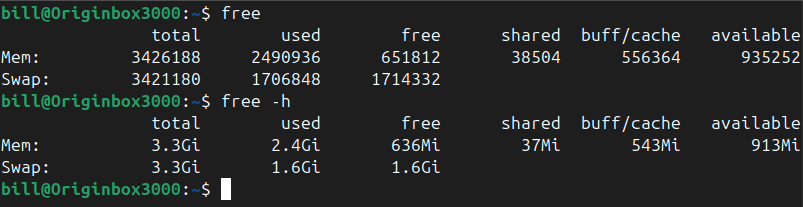
The free command in Linux is used to display comprehensive memory usage information, reporting the total, used, free, shared, buffer/cache, and available memory, including both RAM and swap space. It provides essential insights for system administrators and users to efficiently monitor and manage resources. By default, running the command free outputs memory details numerically in…
-

Transmission Control Protocol (TCP) and User Datagram Protocol (UDP) are two core transport-layer protocols that facilitate network communication, each serving distinct purposes. TCP is connection-oriented, meaning it establishes a reliable session between devices before data is transmitted. It uses a three-way handshake (SYN, SYN-ACK, ACK) to ensure that both sender and receiver are ready to…
-

CleanSpark, Inc. (Nasdaq: CLSK), a prominent Bitcoin mining company, is set to join the S&P SmallCap 600 index before the market opens on March 24, 2025. This inclusion signifies a notable milestone for CleanSpark, reflecting its consistent performance and growth within the cryptocurrency mining sector. The S&P SmallCap 600 index measures the small-cap segment of…
-

Corporate universities are leading the charge in reshaping education as tech giants like Nvidia, Google, Amazon, and Walmart increasingly offer tailored learning platforms. By creating practical, career-oriented educational programs, these companies provide a direct route into the workforce. Their initiatives focus on equipping students with in-demand skills, often at a fraction of the cost of…
-
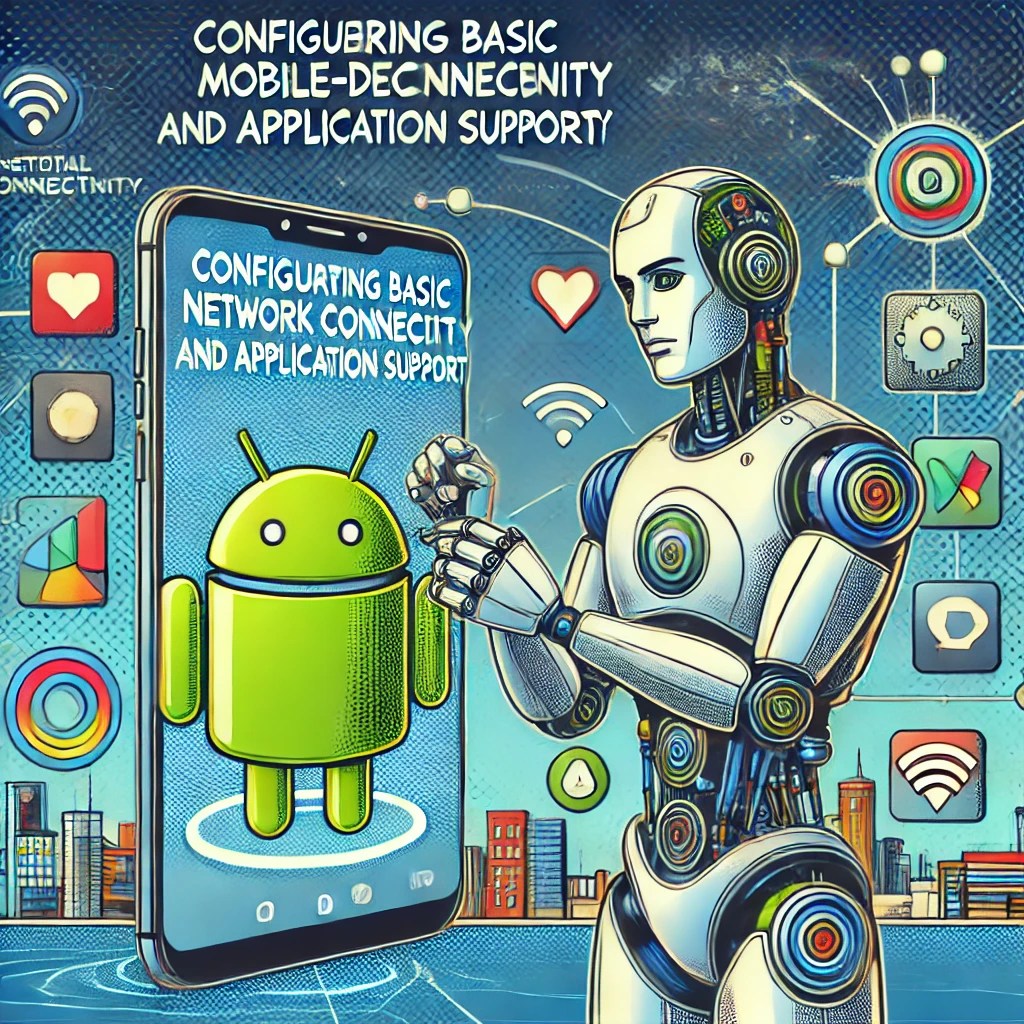
Setting up network connectivity on a mobile device involves configuring Wi-Fi, cellular data, Bluetooth, and VPN settings to ensure seamless access to the internet and other devices. Wi-Fi networks must be set up using the correct security protocols, such as WPA2 or WPA3, to prevent unauthorized access. Users should also verify SSID visibility and ensure…

