Trending News
-
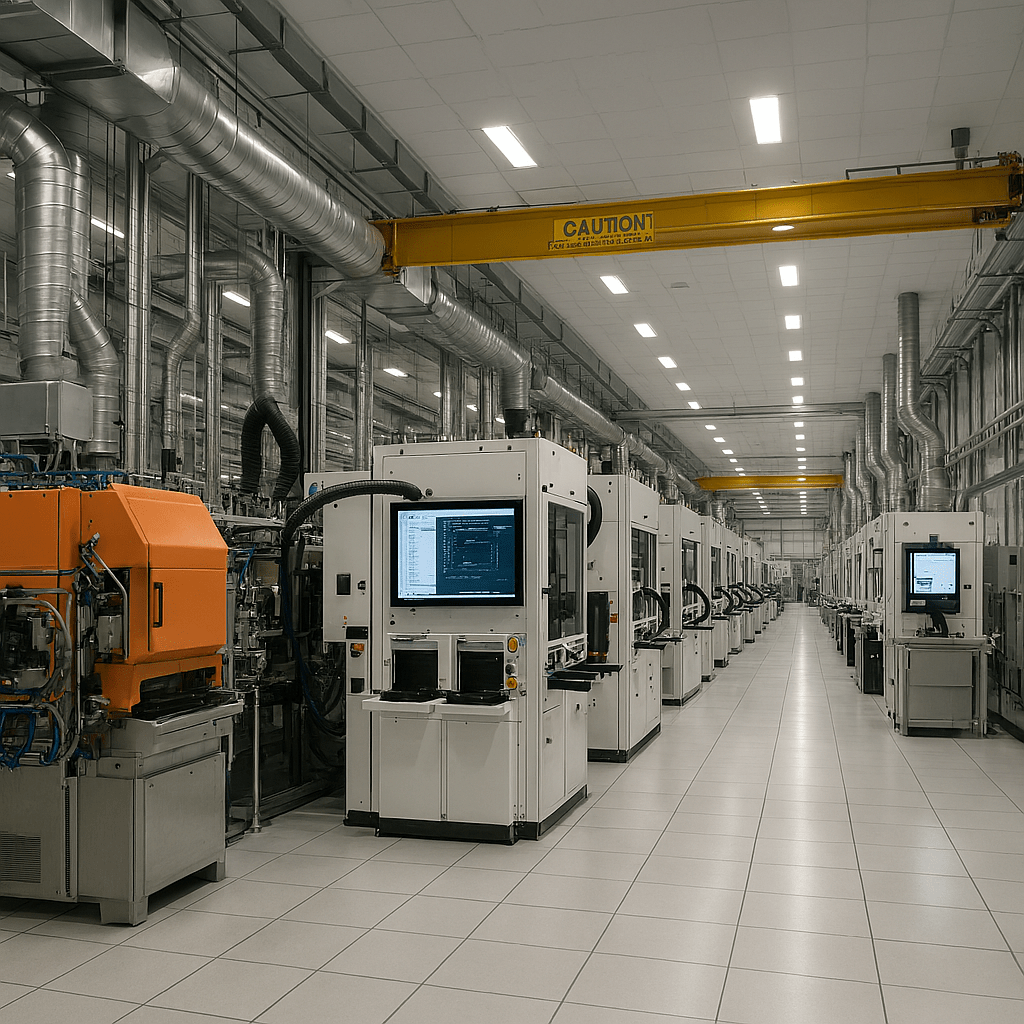
Semiconductor packaging is the stage where a bare chip is turned into a usable component that can safely live on a circuit board and inside a product. In simple terms, packaging encloses one or more semiconductor dies in a protective structure made of plastic, ceramic, glass, or metal, adds the external pins or balls that…
-

Many critics have questioned the wisdom of companies investing a significant portion of their market capitalization in Bitcoin, given its notorious volatility. However, MicroStrategy’s approach, as highlighted by Max Harvey, demonstrates a strategic advantage that might inspire other companies to follow suit.
-
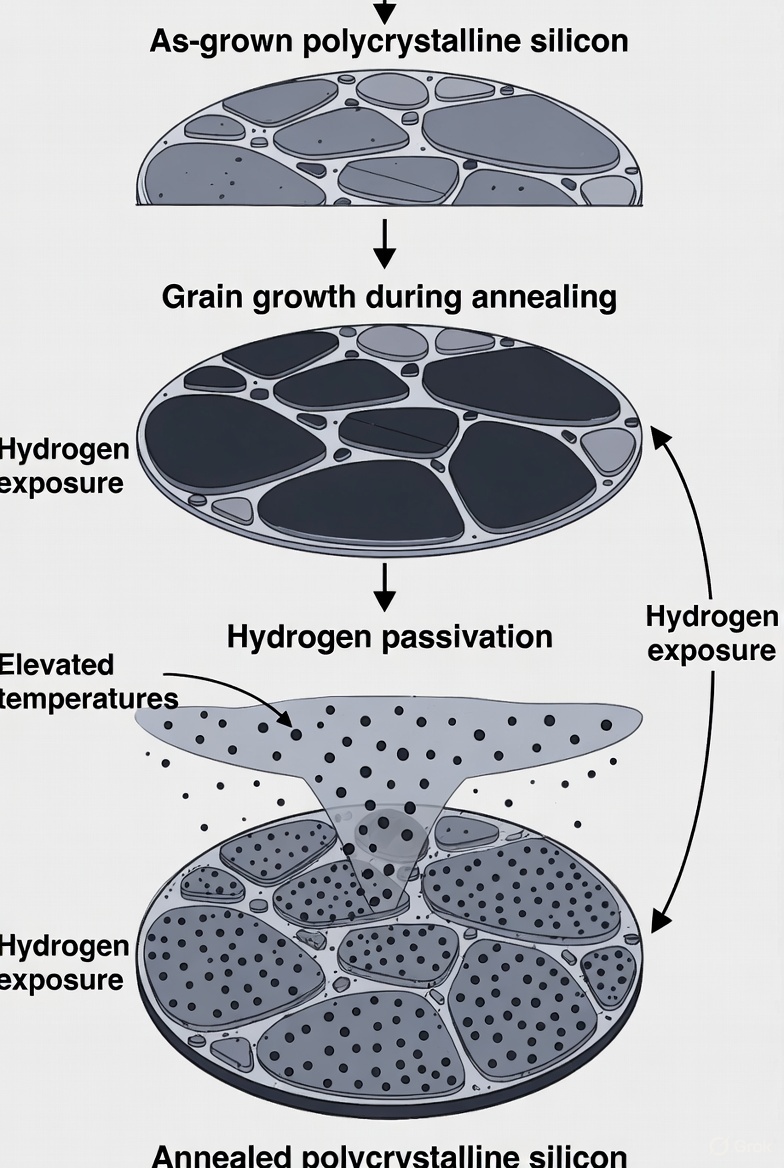
The annealing process in semiconductors is a crucial step in the manufacturing of electronic devices. This process involves heating the semiconductor material to a specific temperature and then allowing it to cool down slowly. The main purpose of annealing is to repair defects in the crystal structure of the semiconductor, which can occur during earlier…
-
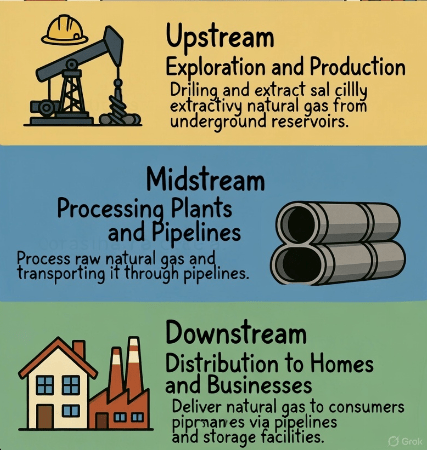
The natural gas supply chain is a complex network that involves several stages, from extraction to delivery. It begins with the exploration and drilling of natural gas wells, where companies use advanced technology to locate and extract gas from underground reservoirs. Once the gas is extracted, it is often processed to remove impurities and separate…
-
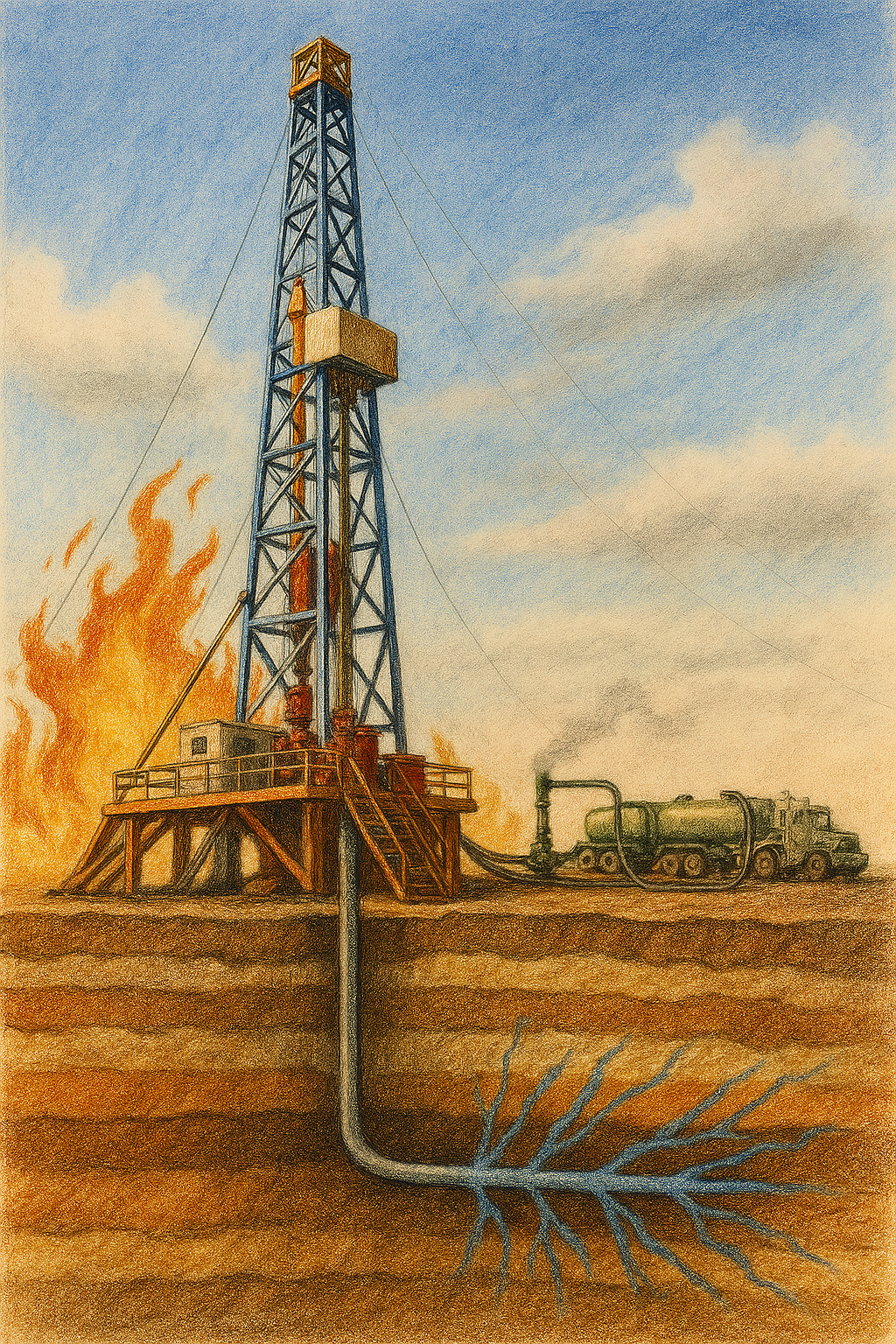
Drilling in the oil and gas industry refers to the complex, multi-stage operation of penetrating the Earth’s surface to reach underground reservoirs of hydrocarbons. It begins with site selection and permitting, followed by the deployment of a drilling rig—a towering structure equipped with rotary systems, drill bits, and support equipment. The process involves rotating a…
-

A British Thermal Unit, commonly abbreviated as BTU, is a unit of measurement used to quantify the amount of heat energy. Specifically, it represents the amount of energy required to raise the temperature of one pound of water by one degree Fahrenheit at a constant pressure. This measurement is crucial in various fields, particularly in…
-
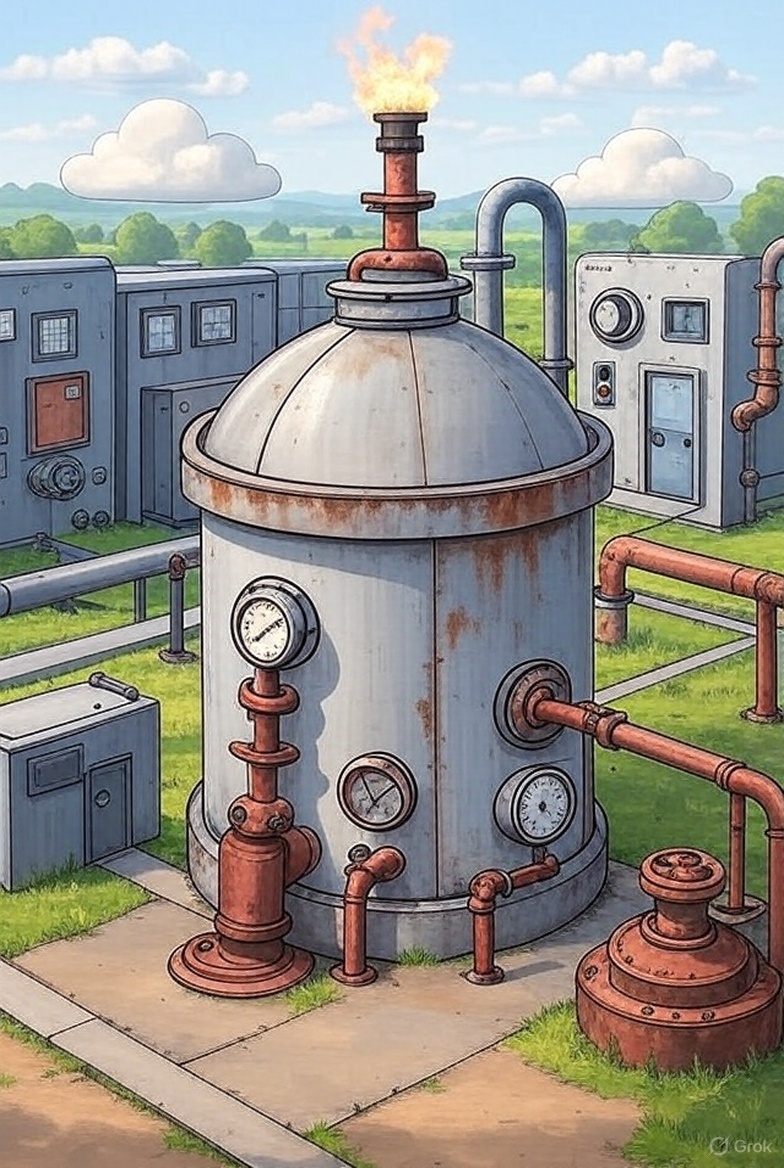
Natural gas energy refers to the energy derived from natural gas, a fossil fuel primarily composed of methane. It is a crucial component of the United States’ energy landscape, serving as a significant source of electricity generation, heating, and fuel for vehicles. Natural gas is often considered a cleaner alternative to other fossil fuels, such…
-
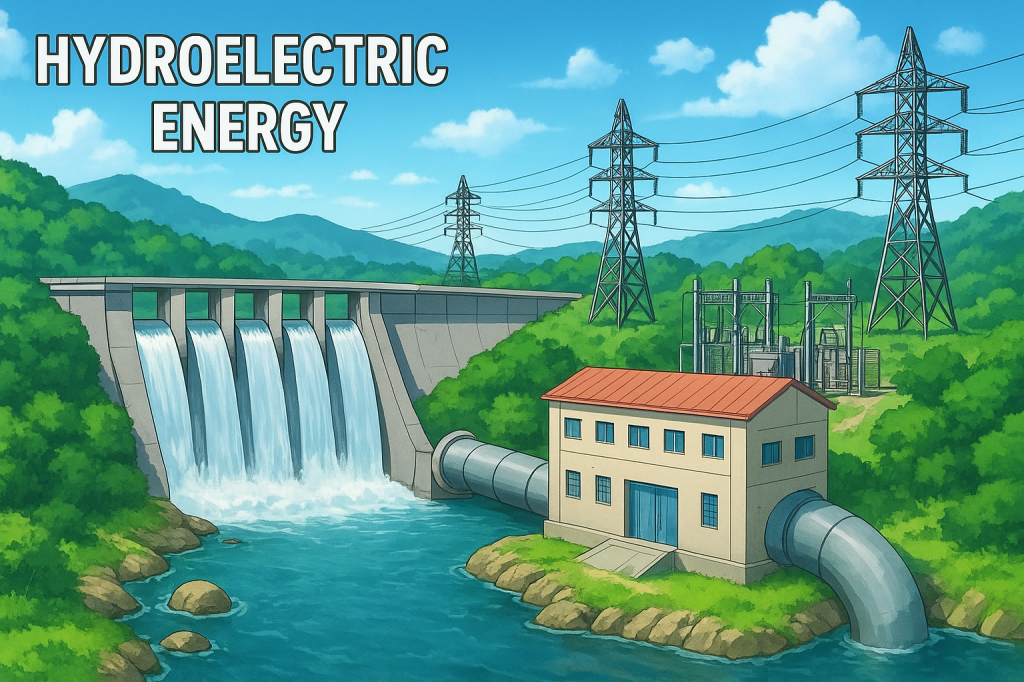
Hydroelectric energy is power produced by capturing the movement of water and converting it into electricity. Water stored in a reservoir or flowing naturally in a river passes through turbines that spin generators. This process transforms the mechanical motion of water into electrical energy through controlled and predictable operation. The system depends on gravity, flow…
-

Energy is a fundamental concept in both science and everyday life, representing the capacity to perform work or produce change. It exists in various forms, including kinetic energy, which is the energy of motion, and potential energy, which is stored energy based on an object’s position or state. For instance, a moving car possesses kinetic…
-
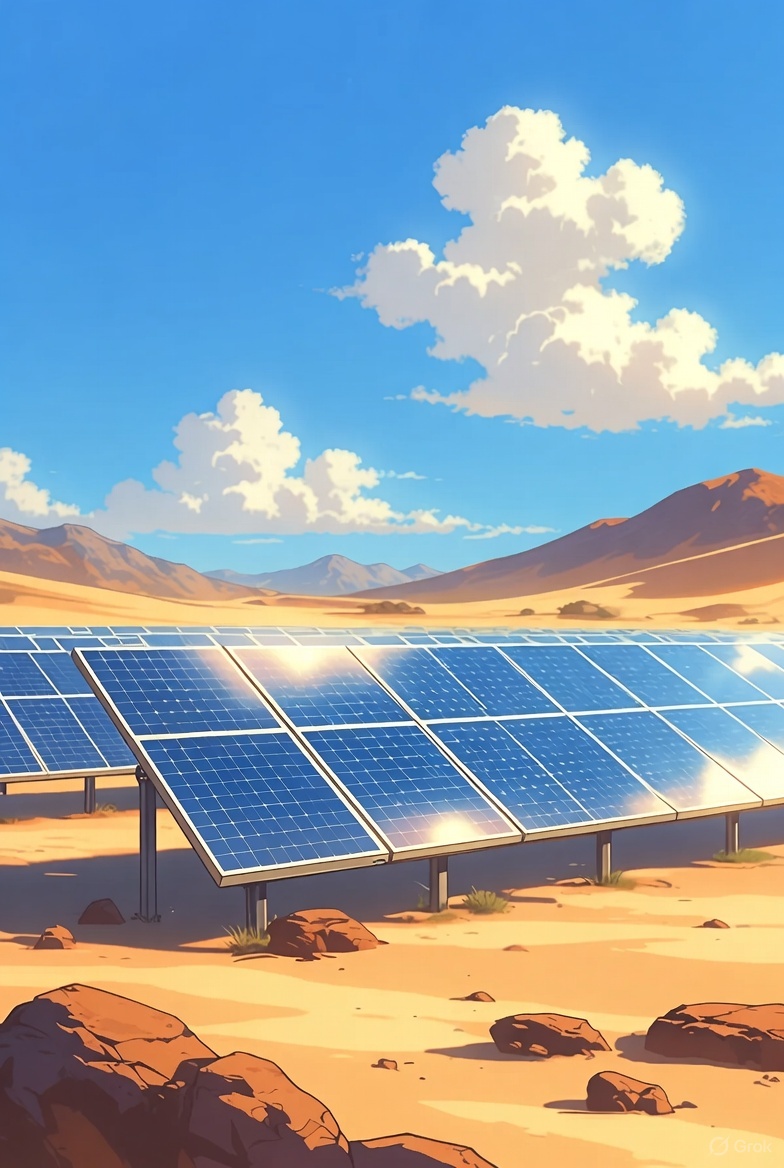
Solar energy is the energy that comes from the sun. It is a renewable source of energy, which means it can be used over and over again without running out. The sun produces an enormous amount of energy every day, and scientists have developed ways to capture and use this energy for various purposes. Solar…
-

The current flowing through a p-n junction diode (our one-way gate for electricity) is primarily controlled by four interacting factors. The most immediate control is the voltage applied across the diode: once the push from the battery reaches a certain minimum strength (the turn-on voltage), the current flow explodes exponentially, meaning a very small increase…
-
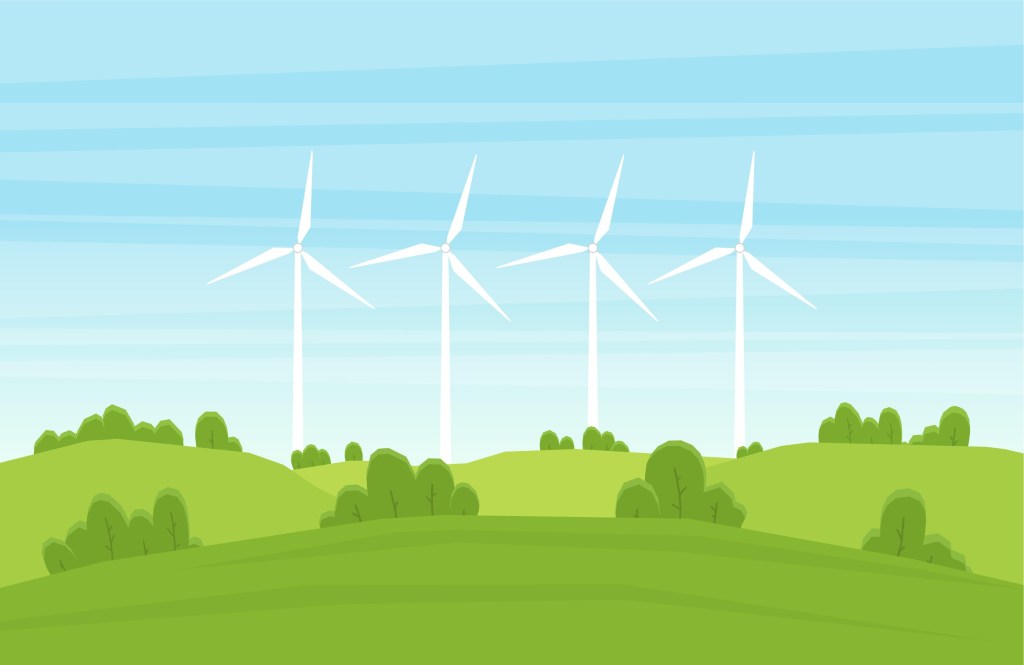
Wind energy is a form of renewable energy that is generated by harnessing the power of the wind. This process involves using large structures called wind turbines, which are designed to capture the kinetic energy produced by moving air. When the wind blows, it turns the blades of the turbine, which then spins a generator…

