Trending News
-
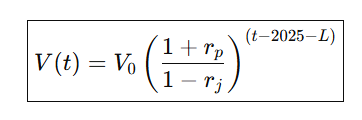
Power Efficiency Theory could also be used to measure the “physical intrinsic value” of products across different markets. When a well-off individual says something like a market asset would “fall to its utility value”, they are implying that the asset has been miscalculated due to superficial or artificial or non-physical factors that sometimes enter the…
-
Power Efficiency Theory is built on ideas borrowed from physics, but it is important to be precise about how those ideas are used. In physics, force describes the ability of a system to cause or resist acceleration. It tells us what a structure can withstand or exert under load. A building, for example, has force…
-
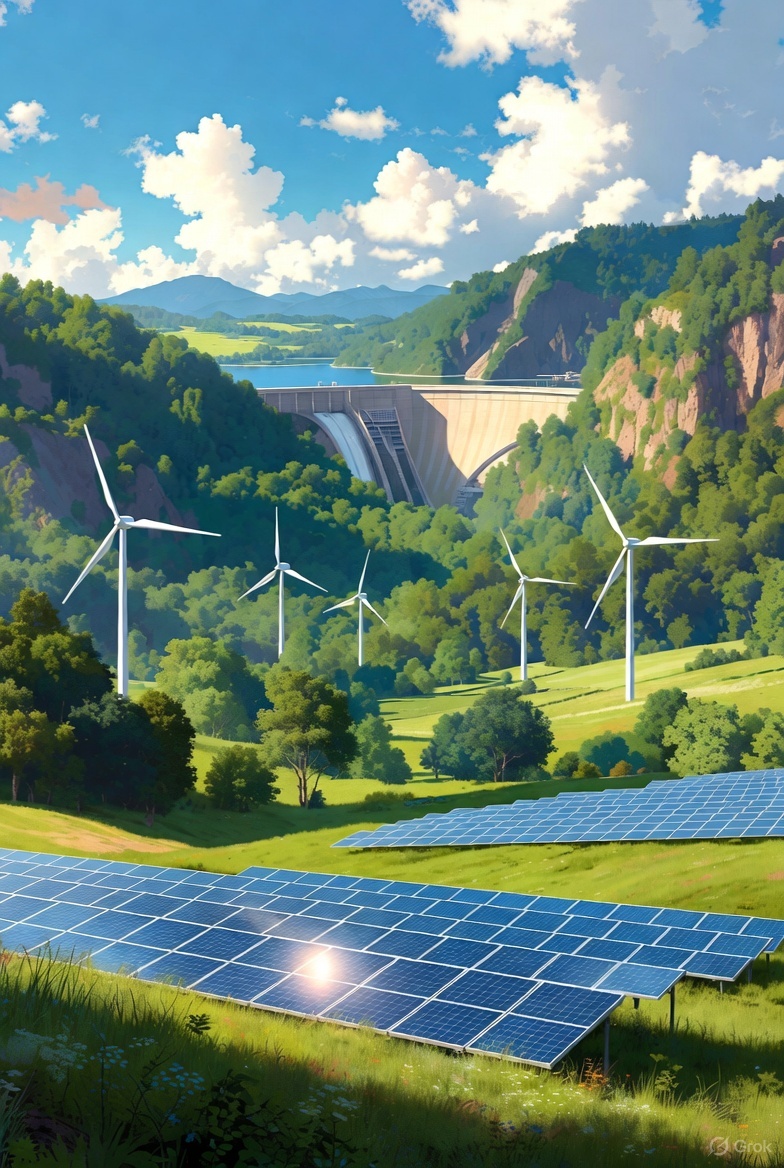
Renewable energy is power that comes from sources that are constantly and naturally refilled. Imagine energy sources that never run out because they are always being replaced. This is different from fossil fuels like coal, oil, and natural gas. Fossil fuels took millions of years to form deep underground, and when we use them up,…
-
We know that Force is equal to mass times acceleration. A home has physical mass, structural strength, and load-bearing capacity. These properties give it force capacity in the physical sense. However, a home does not move and does not perform continuous work, so its velocity is effectively zero. As a result, its power output, in…
-
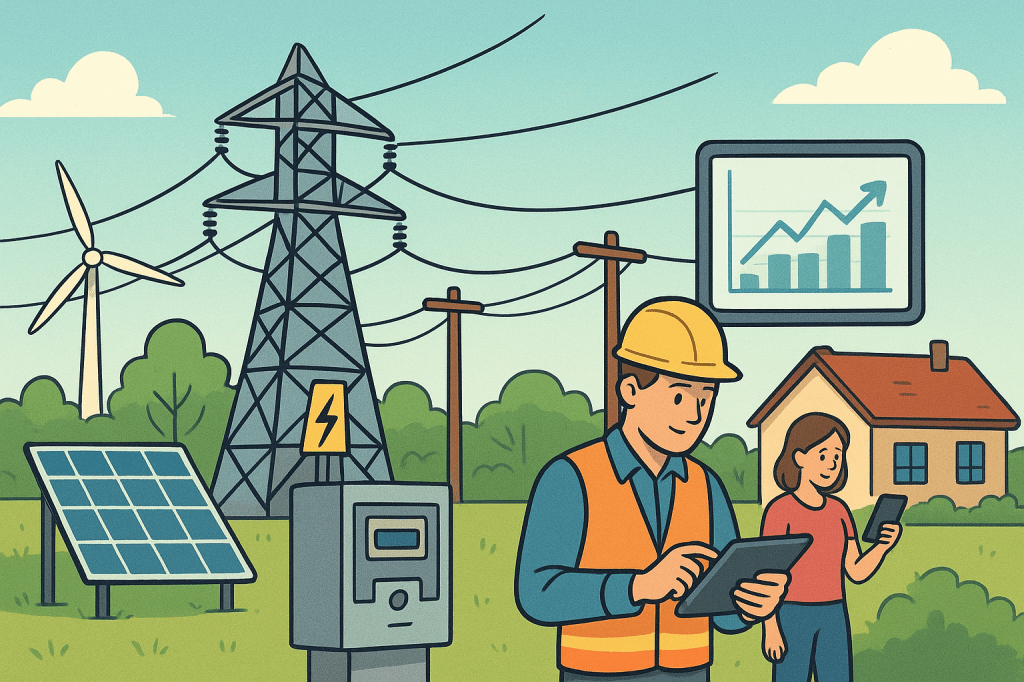
A smart grid is an advanced electrical network that uses digital communication, automated control, and real time data analysis to improve how electricity is generated, delivered, and consumed. It replaces the traditional one way power flow model with an interactive structure where utilities and consumers can exchange information. Sensors, intelligent meters, and automated switches monitor…
-
Forward bias is the electrical condition applied to a semiconductor diode to allow significant current to flow through it. This is achieved by connecting an external voltage source across the diode with the correct polarity: the positive terminal of the battery is connected to the diode’s P-type semiconductor (the anode), and the negative terminal is connected…
-
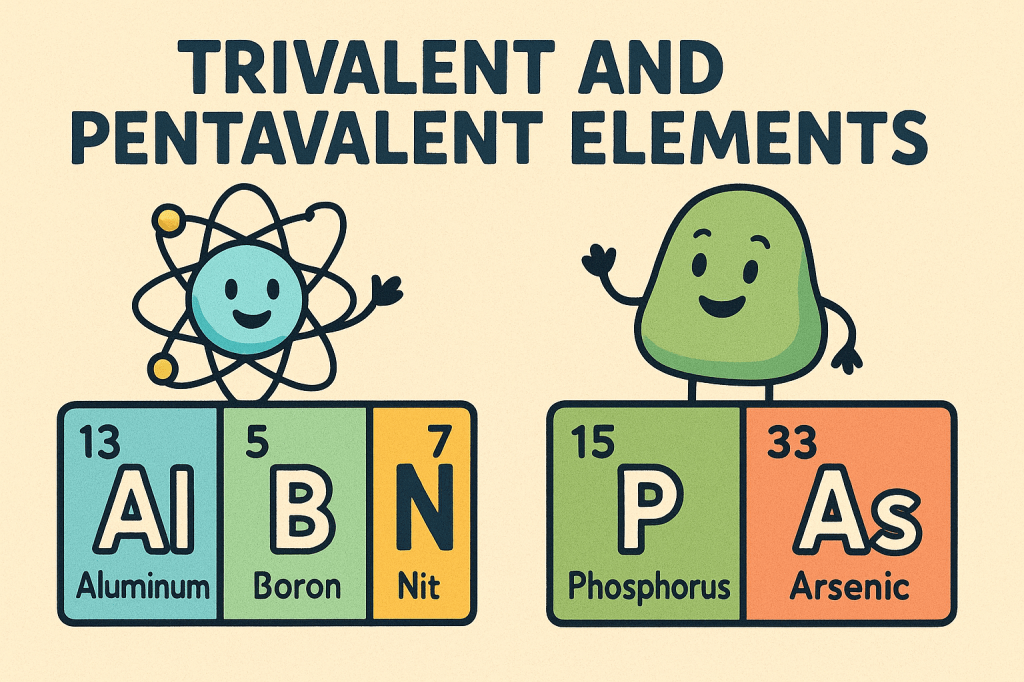
Trivalent and pentavalent elements are terms used to describe the number of valence electrons that an atom has available for bonding. Trivalent elements have three valence electrons, which means they can form three bonds with other atoms. This property is often seen in elements like aluminum and gallium. These elements typically participate in chemical reactions…
-
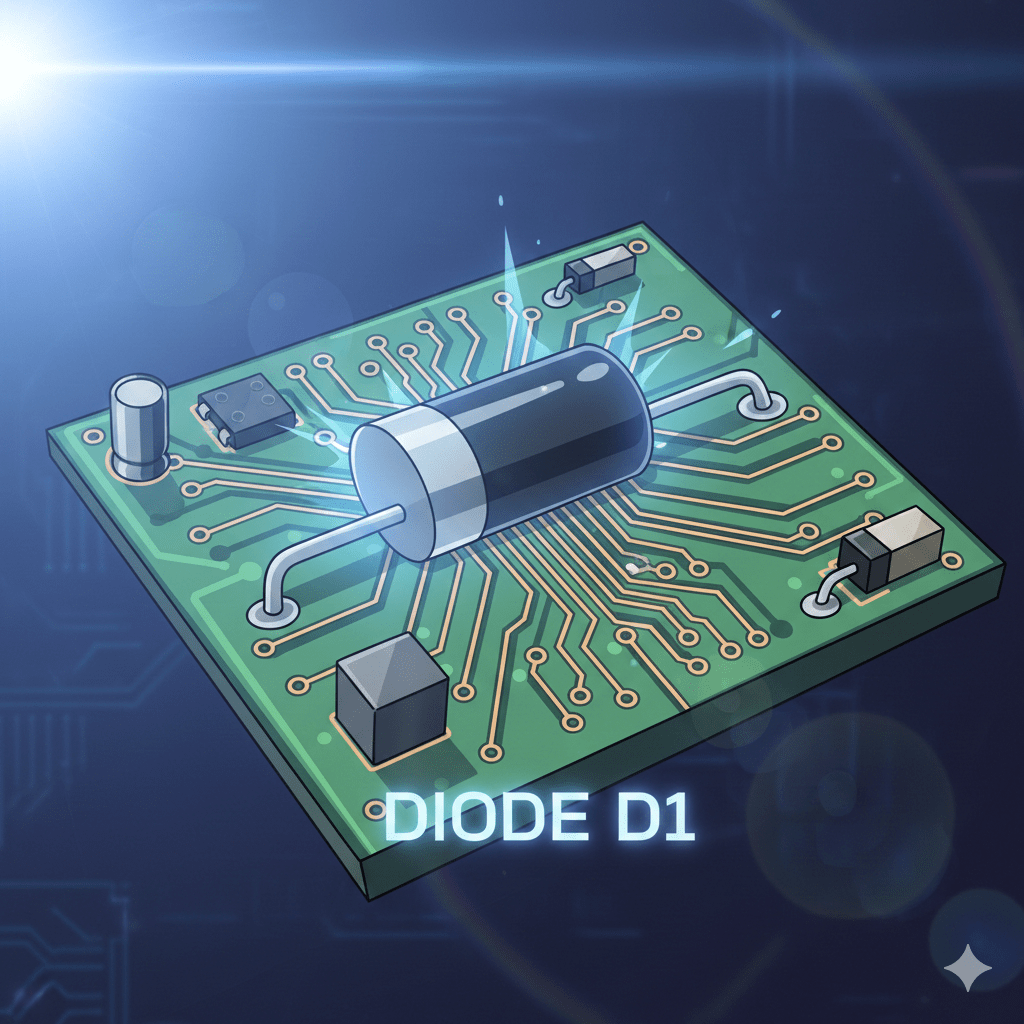
The ideality factor in diodes is a crucial concept that helps us understand how well a diode performs compared to an ideal diode. An ideal diode is a perfect device that allows current to flow in one direction without any resistance or loss of energy. However, real diodes are not perfect; they have some limitations…
-
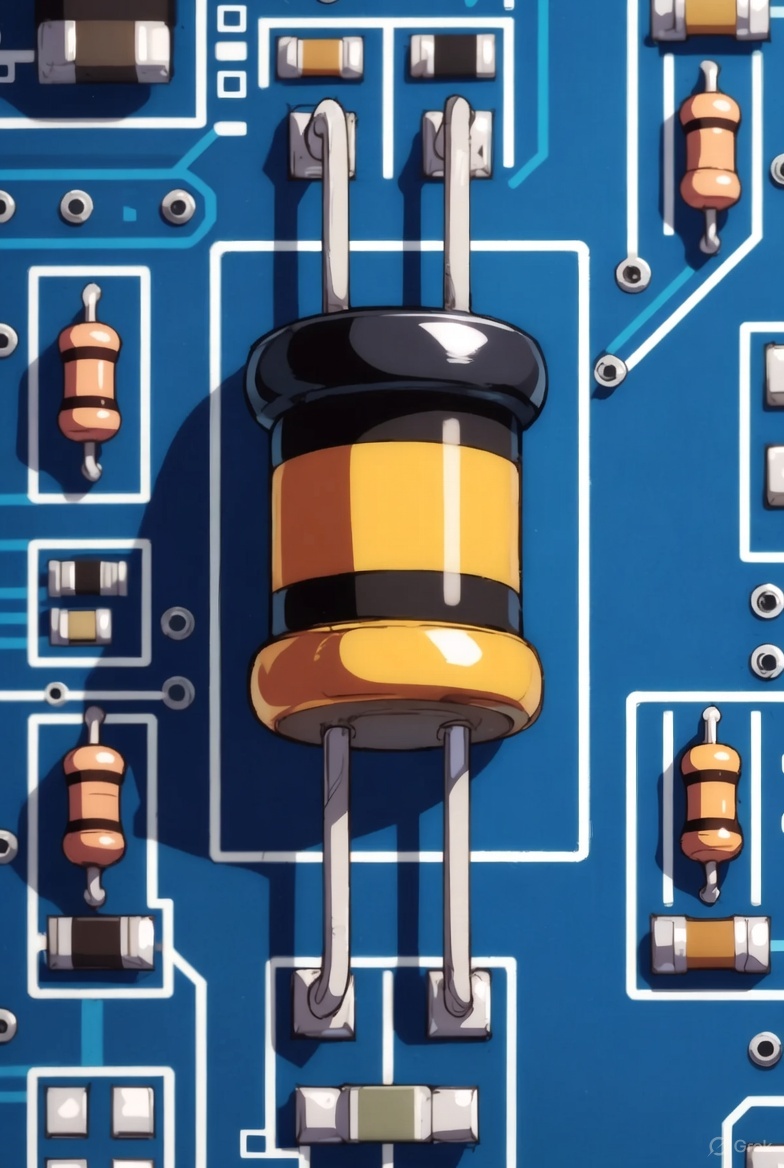
When we talk about diode series resistance, we are referring to the resistance that is present in the diode when it is conducting current. This resistance is not just a simple number; it can change based on various factors, such as the amount of current flowing through the diode and the temperature of the diode…
-
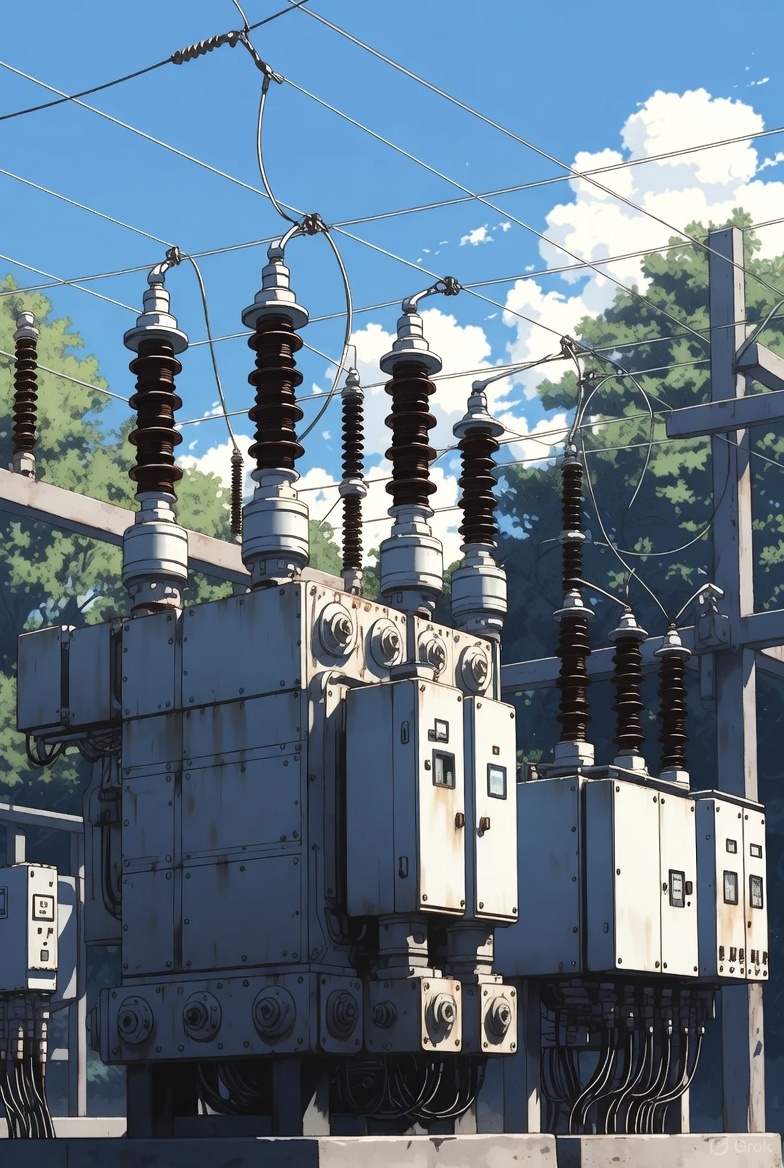
Unlike a simple switch, a circuit breaker is capable of safely interrupting the extremely large short-circuit currents that occur during a fault (such as a line-to-line or line-to-ground fault) at high voltages, which typically refers to voltages of 72KV and above. When a fault is detected by protective relays, the breaker’s contacts open, creating an…
-
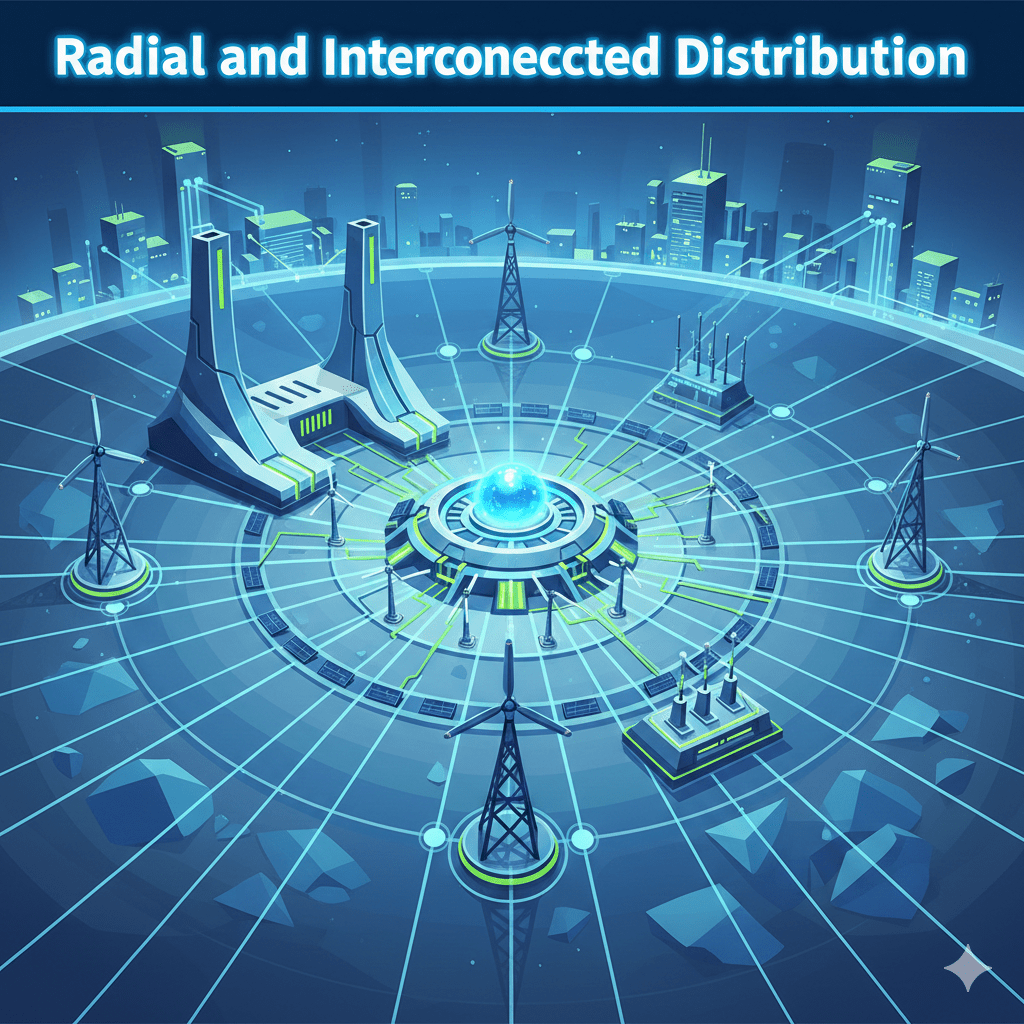
Radial and interconnected distribution networks represent two distinct approaches to the design and operation of electrical distribution systems. A radial distribution network is characterized by a tree-like structure where power flows from a single source through a series of branches to reach various consumers. This configuration is straightforward and easy to manage, but it can…
-
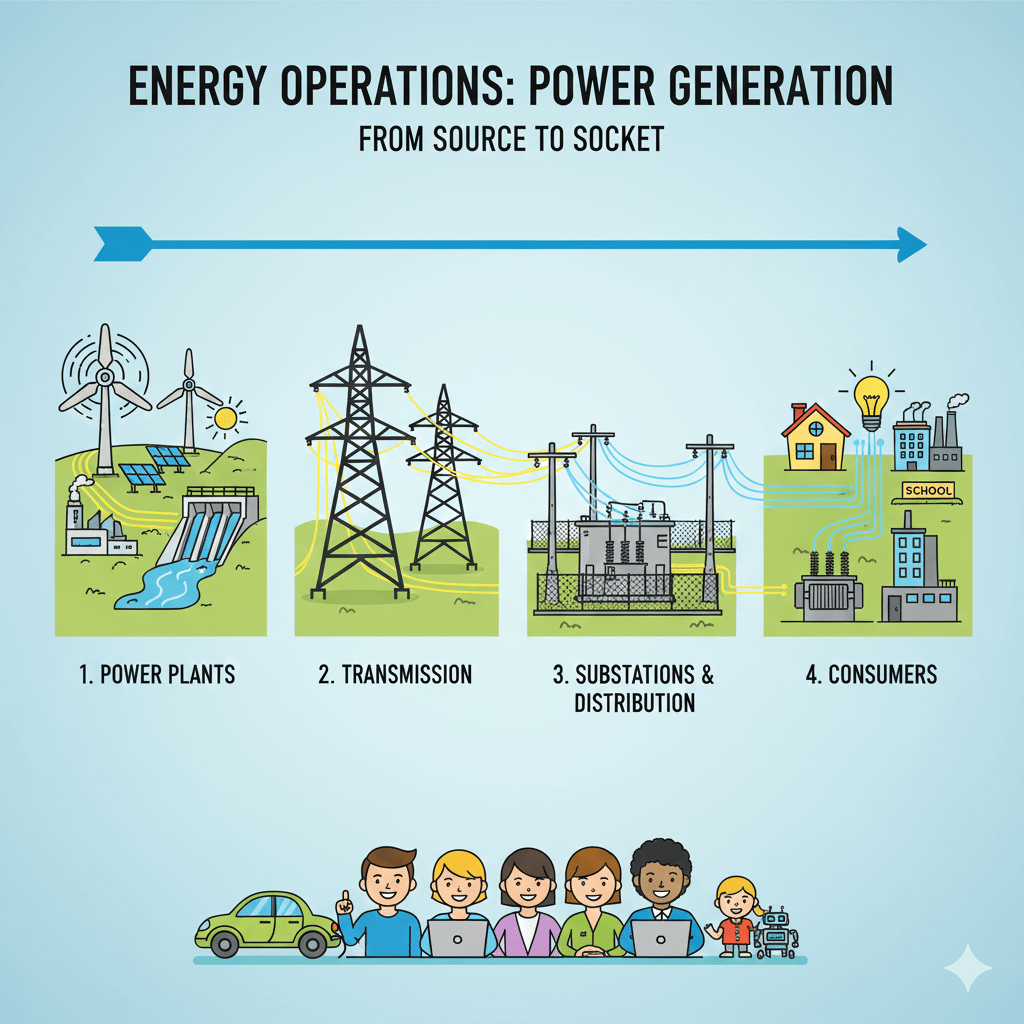
Power generation in terms of the energy grid refers to the process of producing electrical power at power stations or generation assets, which are connected to an interconnected network called the electrical grid. This grid is a complex system comprising power generation facilities, transmission lines, substations, distribution lines, and consumers. The power generated comes from…

