Trending News
-
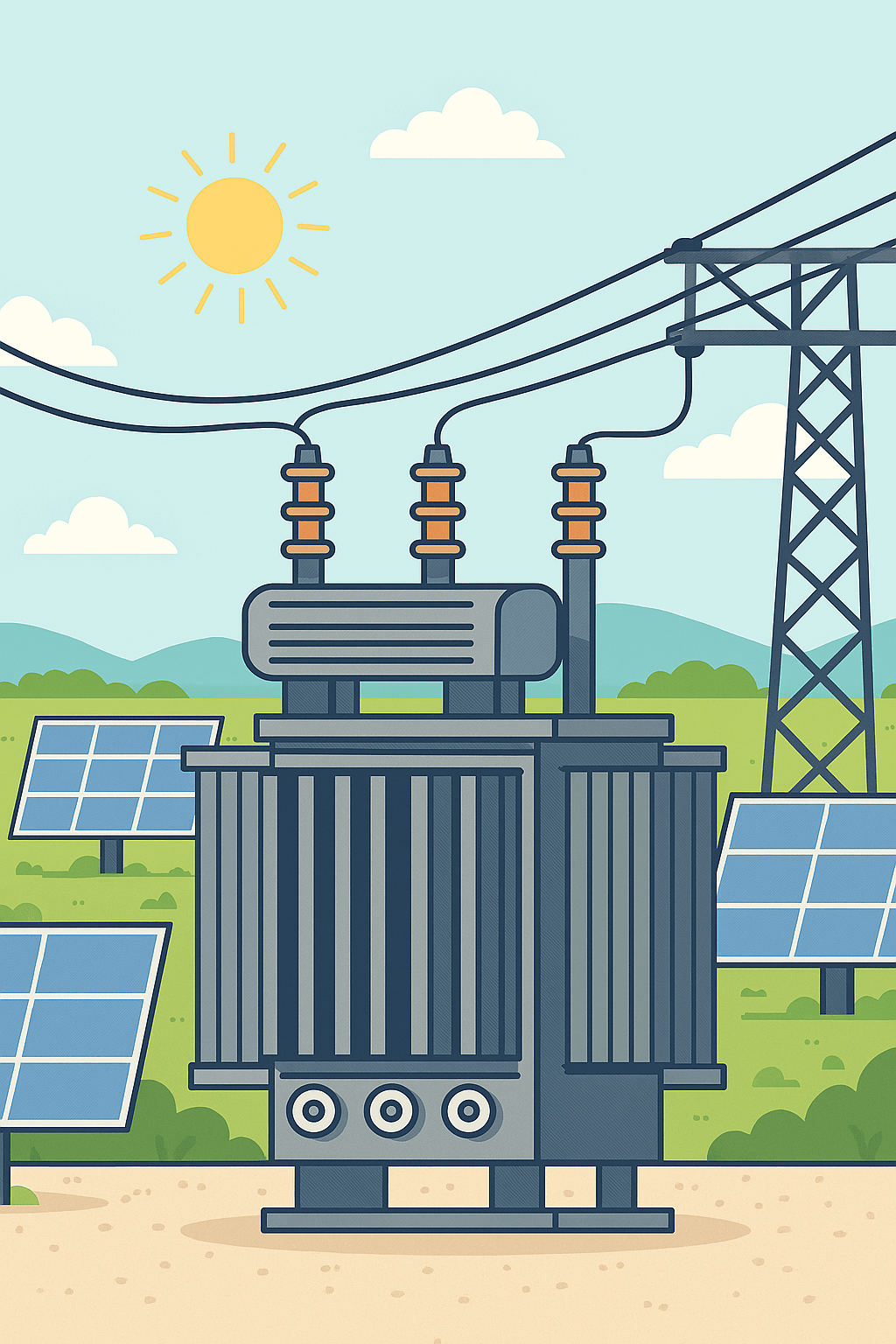
A transformer is a passive electrical device that transfers alternating current (AC) electrical energy from one circuit to one or more other circuits. Its core function, based on the principle of electromagnetic induction, is to change the voltage level; either stepping it up (increasing voltage for efficient long-distance transmission) or stepping it down (reducing voltage…
-

Energy could be considered a form of currency. But we’re (probably) not that far along, yet (as a society). The closest thing we have is an electronic P2P payment system that requires energy to work. It’s called bitcoin. It’s a fascinating science experiment that has required us (humanity) to rethink the fundamentals of computer security,…
-
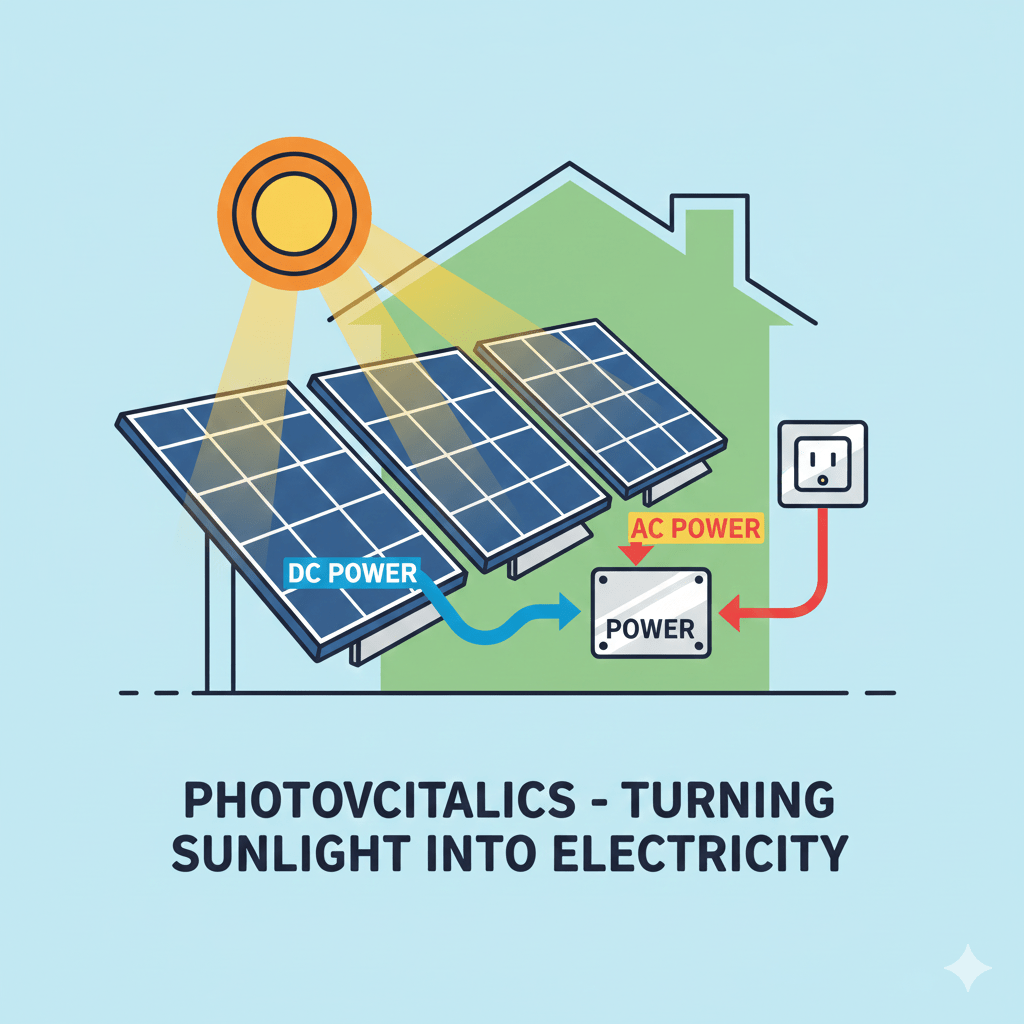
Photovoltaics is the technological principle and scientific field concerned with the direct conversion of light energy, specifically photons from sunlight, into electrical energy through the photovoltaic effect, a physical and chemical process that occurs within a class of materials known as semiconductors, most commonly crystalline silicon. The fundamental unit of this conversion is the photovoltaic cell,…
-
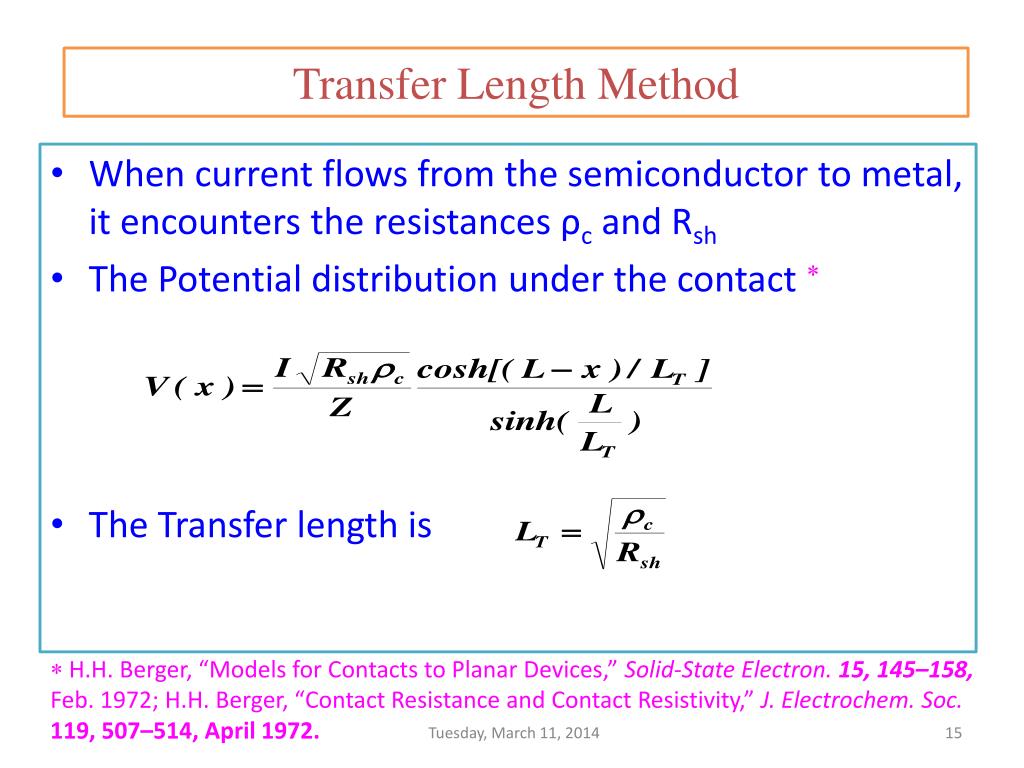
The Transfer Length Method (TLM) is a widely used technique in semiconductor physics and engineering for determining the specific contact resistivity between a metal and a semiconductor. It was developed as a response to the increasing significance of contact resistance in microelectronic devices due to device miniaturization. In practice, TLM involves depositing a series of…
-
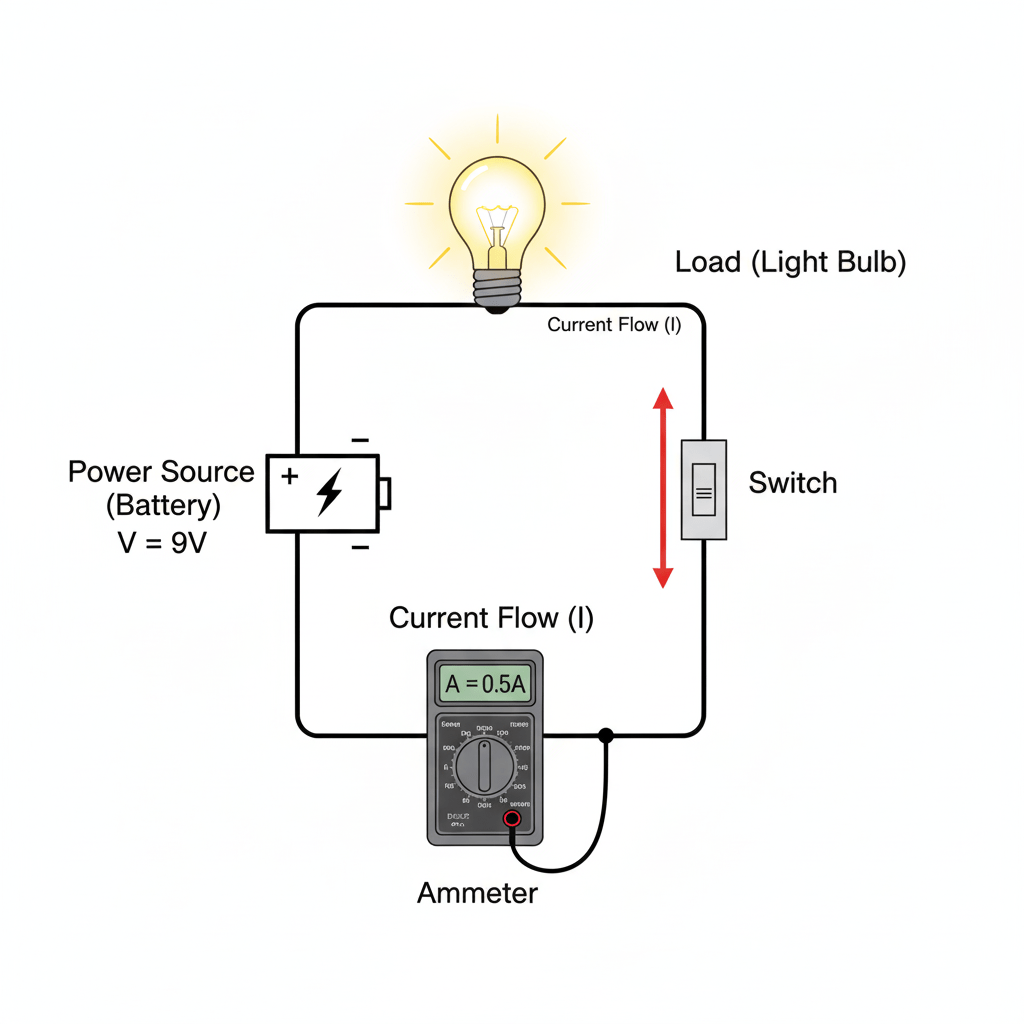
A simple circuit is an electrical circuit that consists of just a few basic components, creating a closed loop through which electric current flows. Typically, it includes a power source like a battery, a conductive path such as wires, and a load, which can be a device like a light bulb or resistor that uses…
-
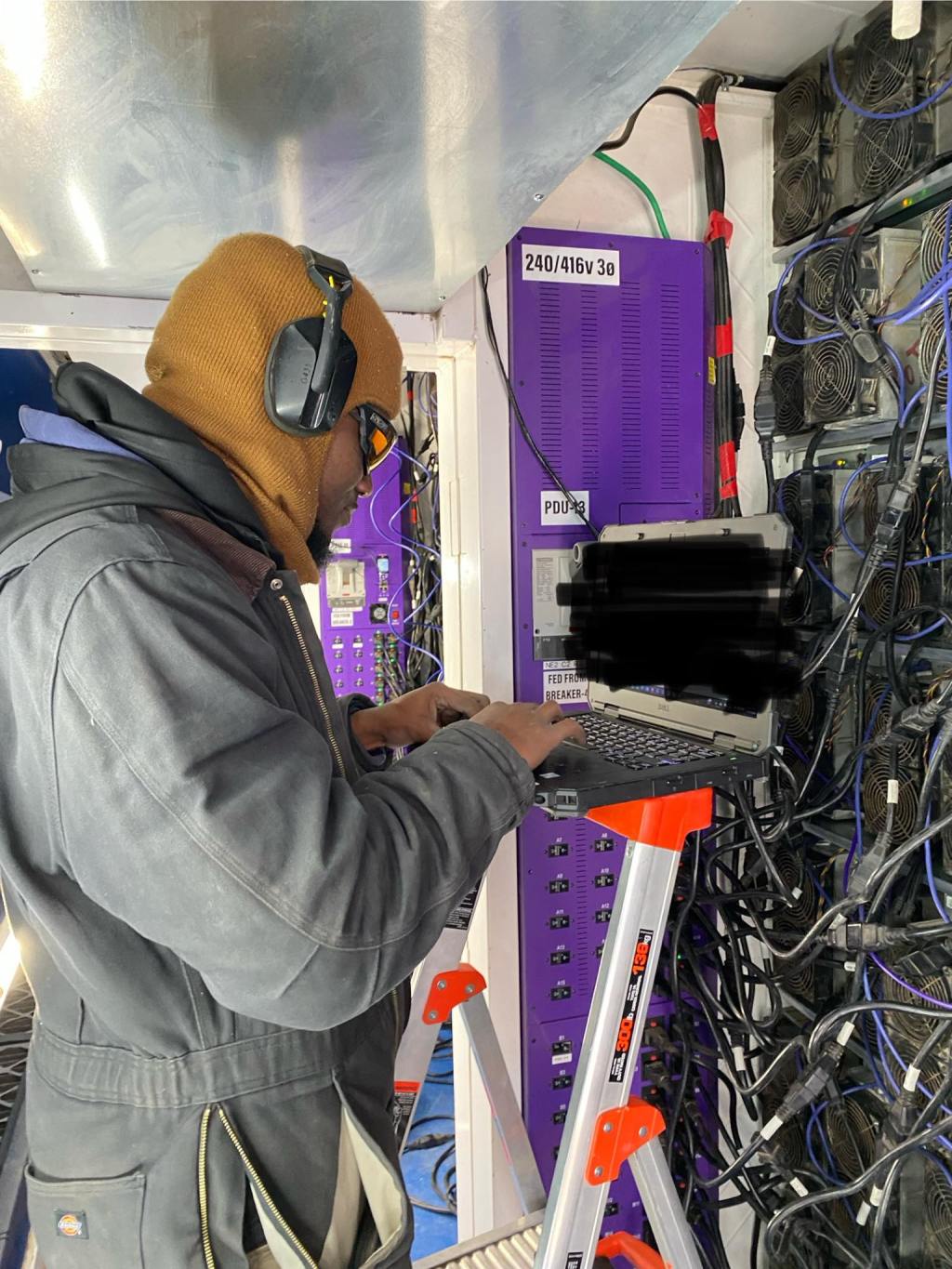
Bitcoin is (probably) for everyone. But, from an account of comprehensive independent research, deploying and managing thousands of ASIC Mining servers in below-freezing temperature in the middle of nowhere is (probably) not for everyone. The operation of a network like this is physically expensive, to say the least. But this extreme physical cost in security…
-
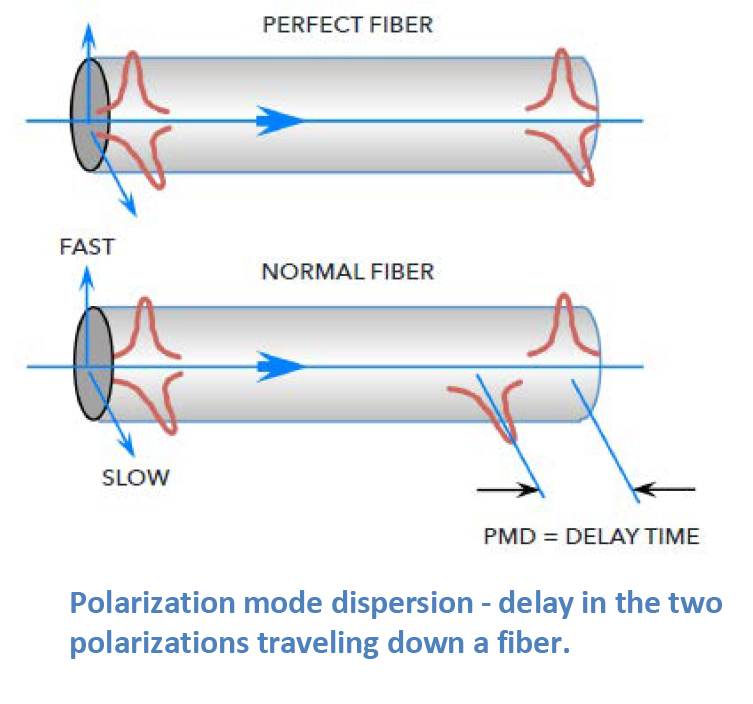
Polarization Mode Dispersion (PMD) refers to the distortion of optical signals caused by slight differences in the propagation speed of light’s polarization modes as they travel through fiber. In an ideal optical fiber, light of all polarization states should move uniformly. However, imperfections, asymmetries, and environmental stress within the fiber cause birefringence—splitting the light into…
-

Electric current is the organized flow of electric charge through a material or space over time. In everyday circuits this charge is usually carried by electrons moving through metal wires, but in other situations it can be carried by ions in a liquid, or by both ions and electrons in a gas or plasma. Even…
-
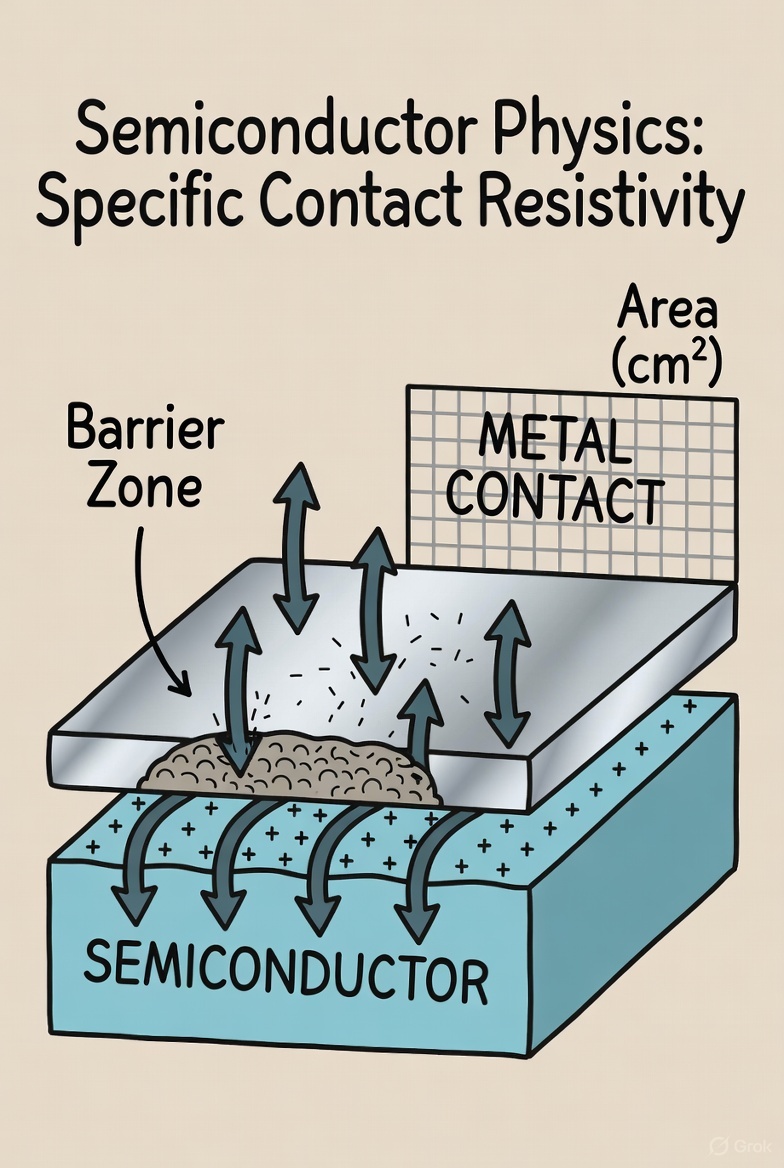
Specific contact resistivity is the fundamental measure of how effectively a metal makes an electrical connection to a semiconductor material. Think of it as a report card for the quality of the contact itself, completely separate from its physical size. Its value, given in units of Ohm-centimeters squared, tells you how much inherent resistance exists…
-

Contact resistance in semiconductor diodes refers to the parasitic electrical resistance that arises at the interfaces between the semiconductor material and the metal contacts (electrodes) that are attached to it. These metal-semiconductor interfaces are critical for injecting current into or extracting current from the active regions of the diode. The origin of this resistance is…
-
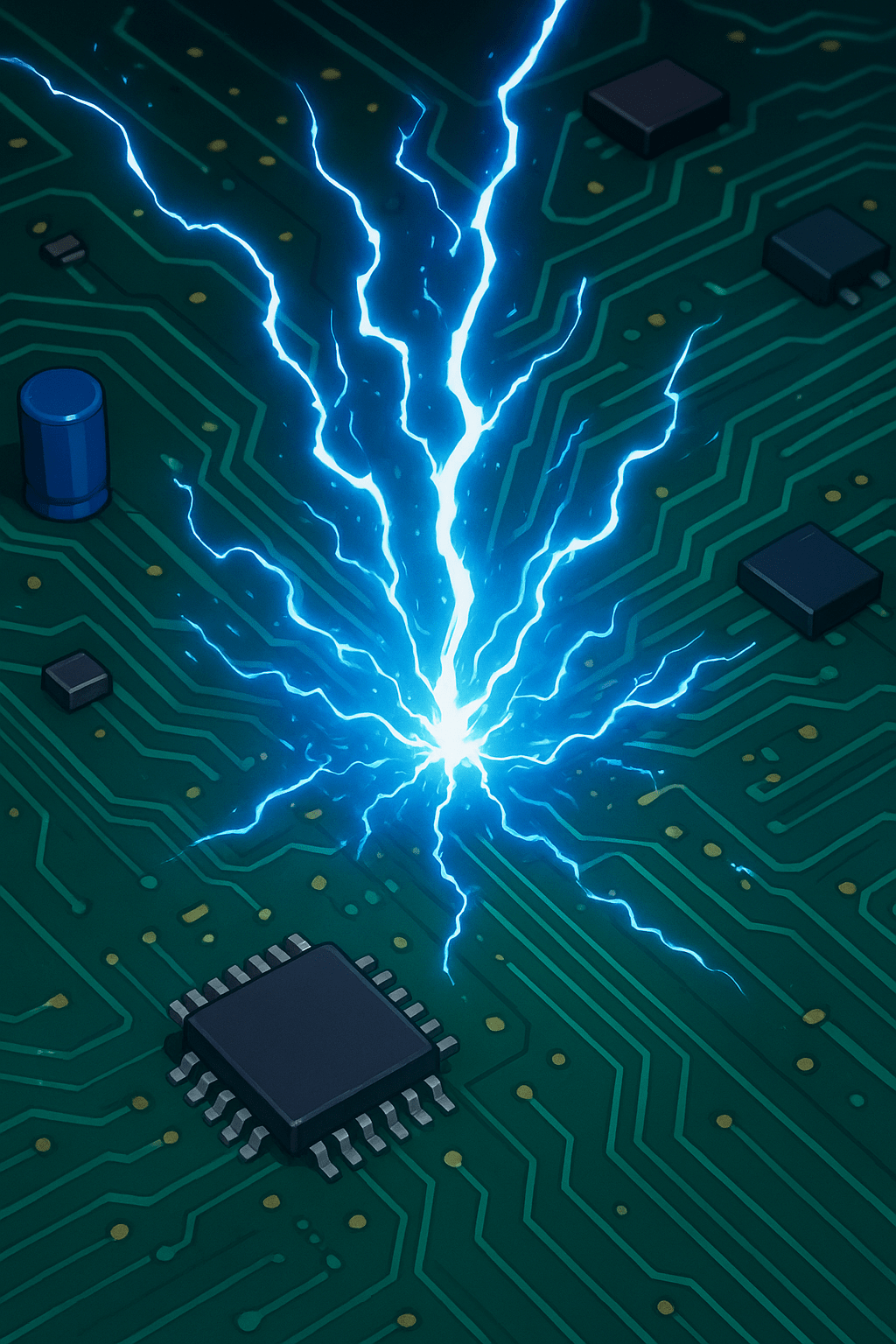
Resistance is the measurable opposition to the flow of electric current presented by a specific, complete object, such as a wire or a resistor. It is an extrinsic property, meaning its value is not fixed but is instead dictated by the physical geometry of the object. A long and narrow component will exhibit high resistance, making…
-
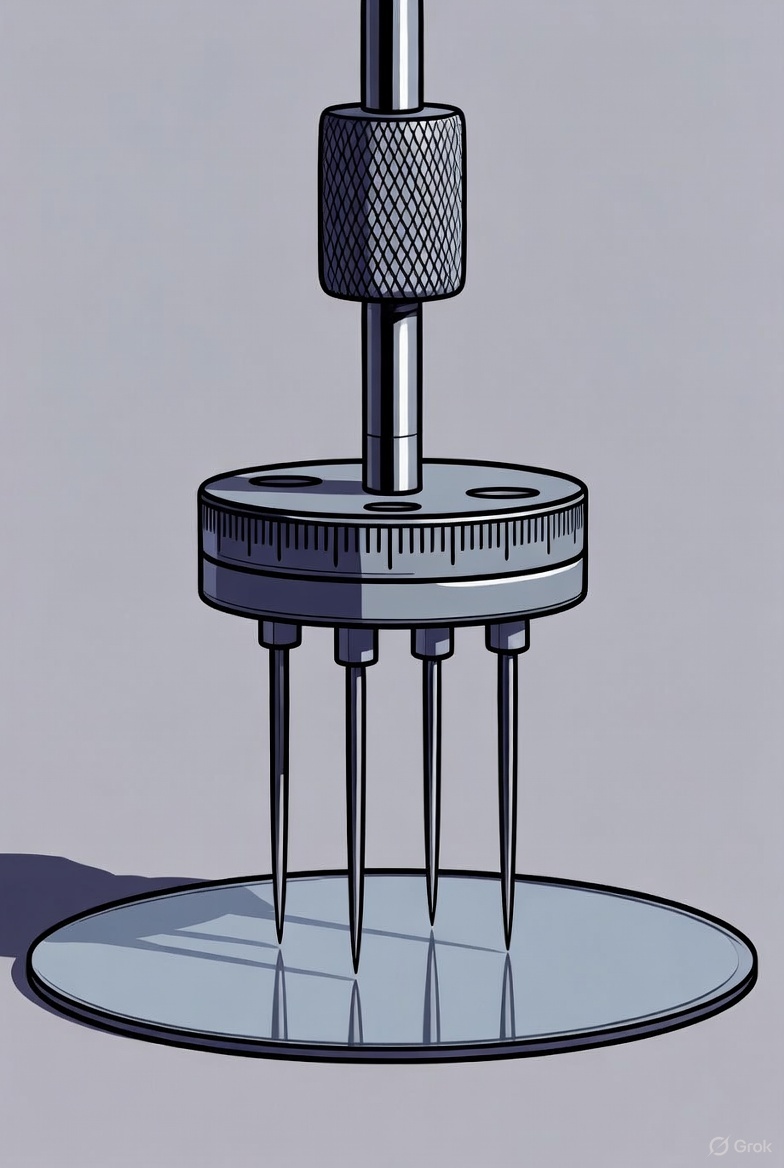
The Four-Point Probe (4PP) method is a standard, non-destructive technique used in semiconductor manufacturing and research to accurately measure the sheet resistance and subsequent resistivity of thin films, wafers, and other semiconductor materials. This technique uses a linear array of four closely spaced, collinear probes typically made of tungsten or beryllium copper, each mounted on…

