Trending News
-
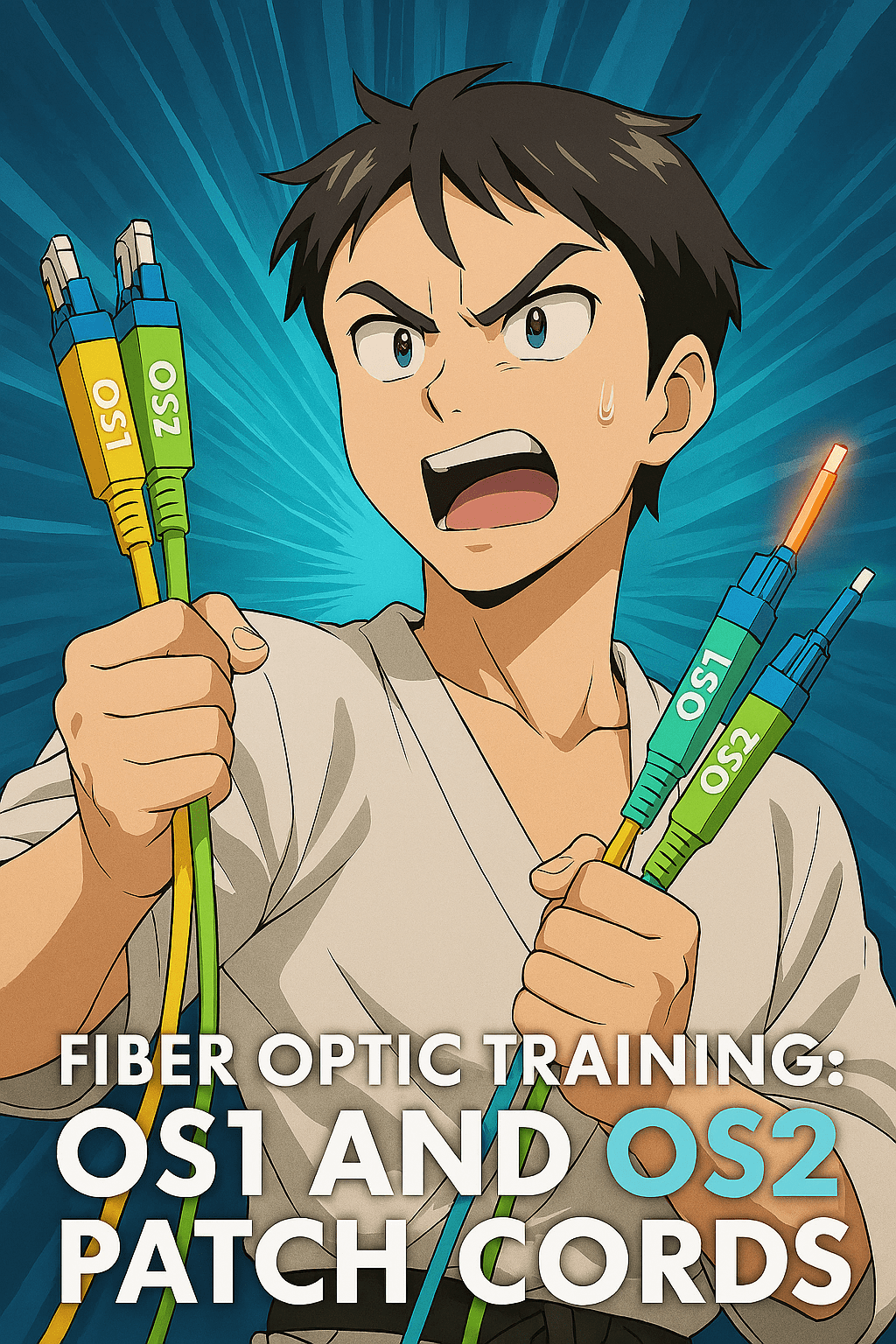
OS1 and OS2 are classifications of singlemode fiber optic cable defined by their construction and performance characteristics. OS stands for “Optical Singlemode.” OS1 is typically used for indoor applications and features tight-buffered construction, supporting up to 10 km at 1310 nm and 40 km at 1550 nm. OS2 is optimized for outdoor and long-haul deployments,…
-
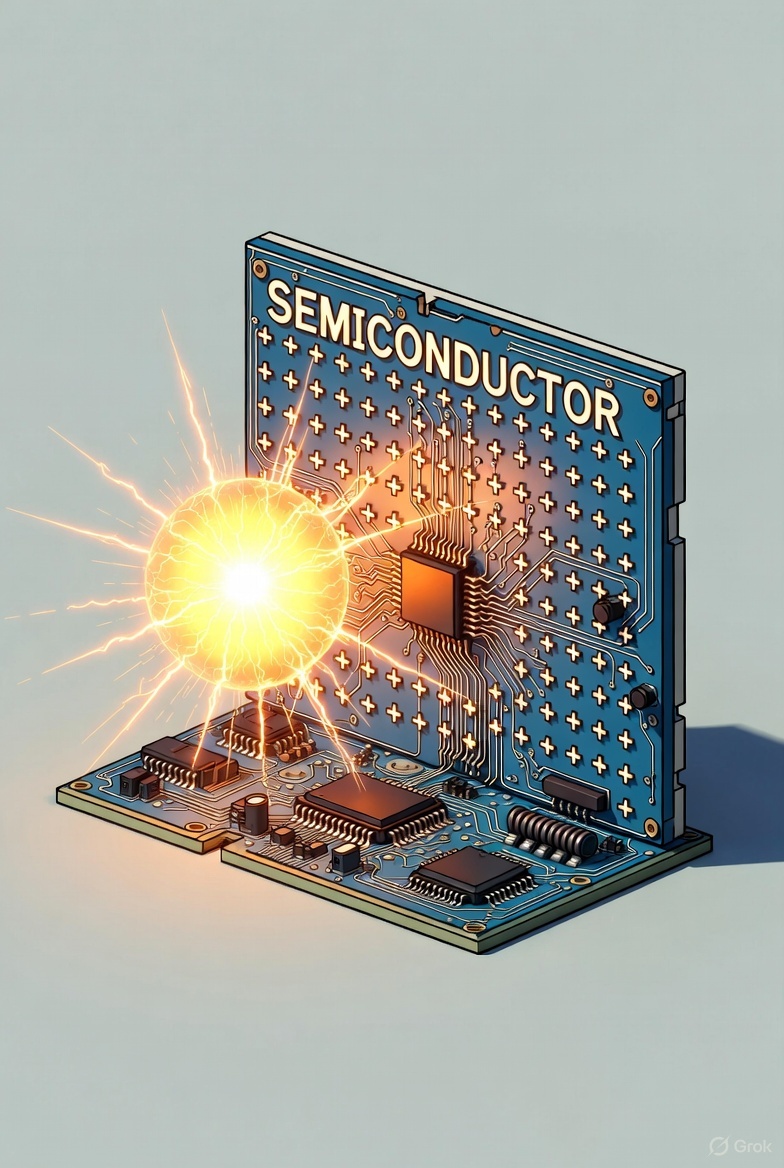
Basic electrical properties describe how different materials respond to electric current and electric fields. The most fundamental of these is electrical conductivity, which measures how easily a material allows electric current to flow through it. Materials with high conductivity (like copper or silver) are called conductors; those with very low conductivity (like glass or rubber)…
-

An atom is the fundamental unit of matter and the smallest constituent of a chemical element that retains all the chemical properties of that element. It represents the building block of all physical substances in the universe, from the simplest gases to the most complex biological organisms, and its structure dictates how elements interact, bond,…
-
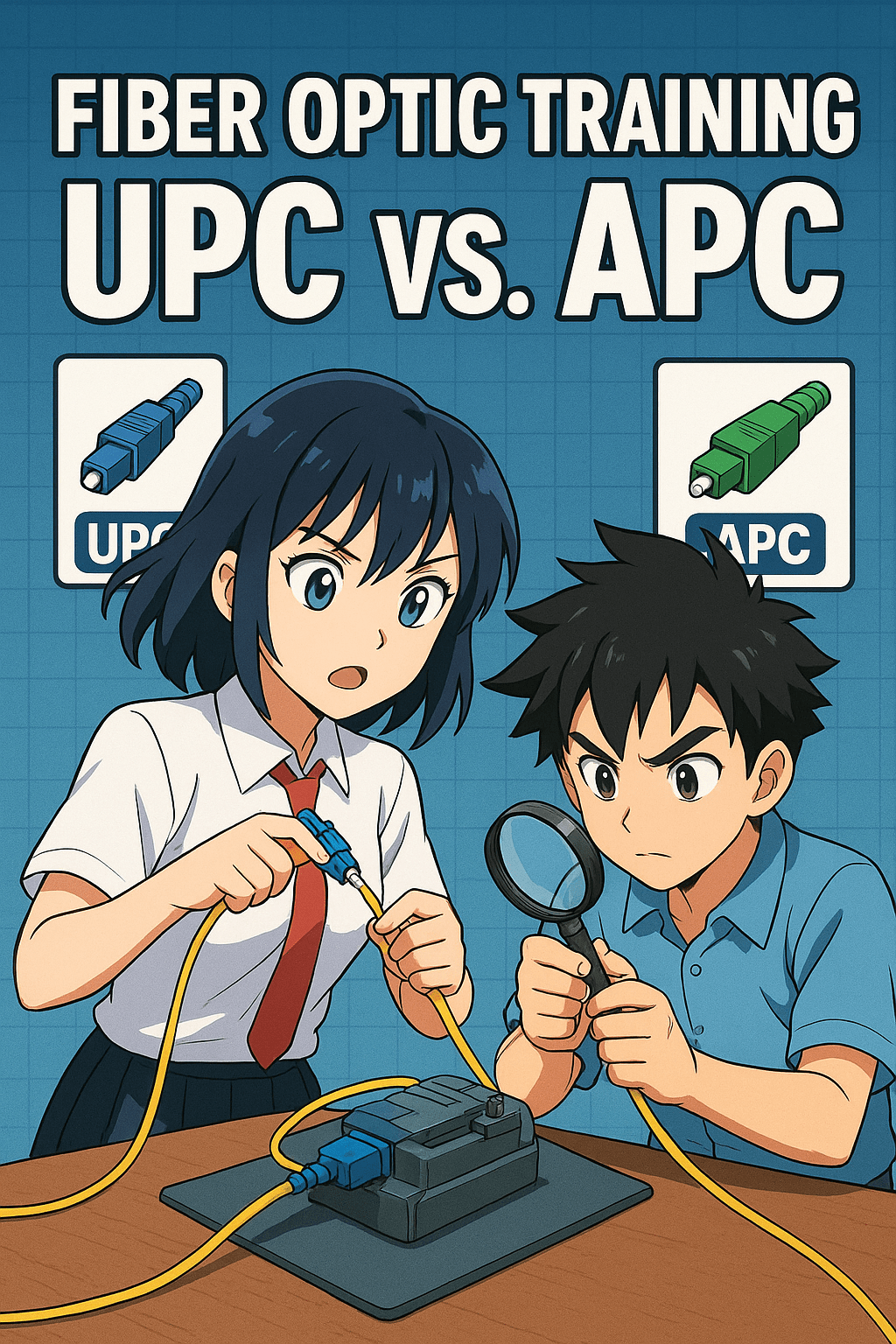
UPC and APC refer to two types of fiber optic connector polish styles: Ultra Physical Contact (UPC) and Angled Physical Contact (APC). UPC connectors have a flat, slightly domed end-face that provides low insertion loss and are commonly used in digital systems like Ethernet and CATV. APC connectors feature an 8-degree angled end-face that minimizes…
-

A viral post by @unusual_whales on x.com revealed that President Donald Trump recently disclosed purchases totaling over $20 million in municipal bonds (and some corporate bonds) through his trust, including large positions in issuers such as American Municipal Power, Puerto Rico Sales Tax Financing Corp, New Jersey Turnpike Authority, and various state and local authorities.…
-
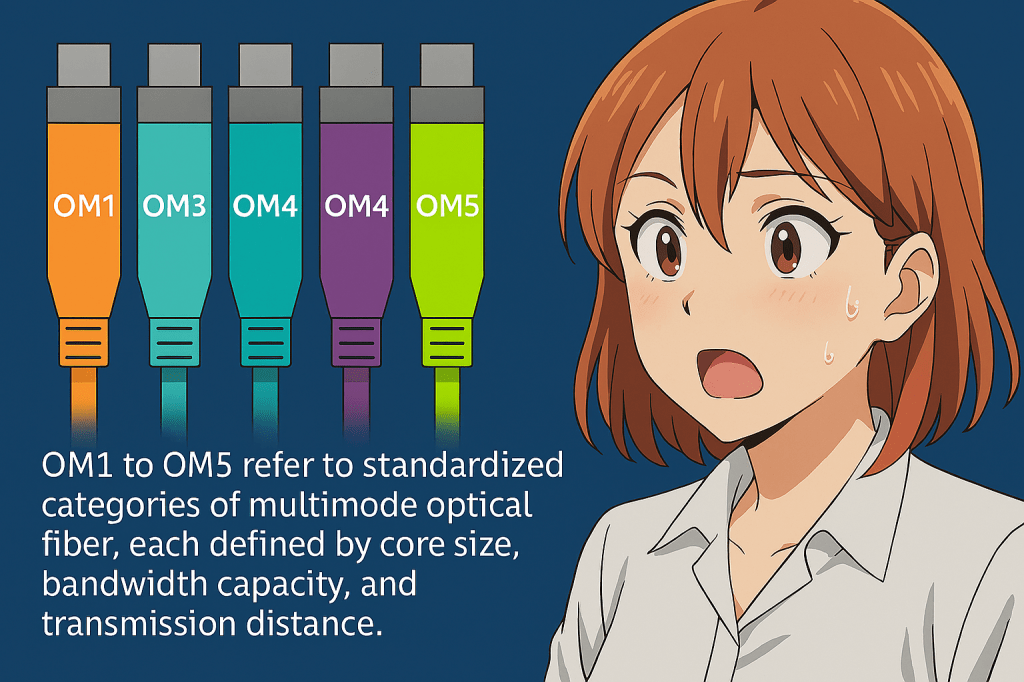
OM1 to OM5 refer to standardized categories of multimode optical fiber, each defined by core size, bandwidth capacity, and transmission distance. OM1 uses a 62.5 µm core and supports up to 1 Gbps over short distances, while OM2 through OM5 use a 50 µm core and are optimized for higher-speed VCSEL-based transmissions. OM3 and OM4…
-

Duplex patch cords are fiber optic cables that contain two strands—one for transmitting and one for receiving optical signals, allowing bidirectional communication between devices. These cords are typically used in full-duplex systems such as Ethernet or Fibre Channel, where simultaneous send and receive operations are required. Duplex patch cords often feature connectors like LC, SC,…
-
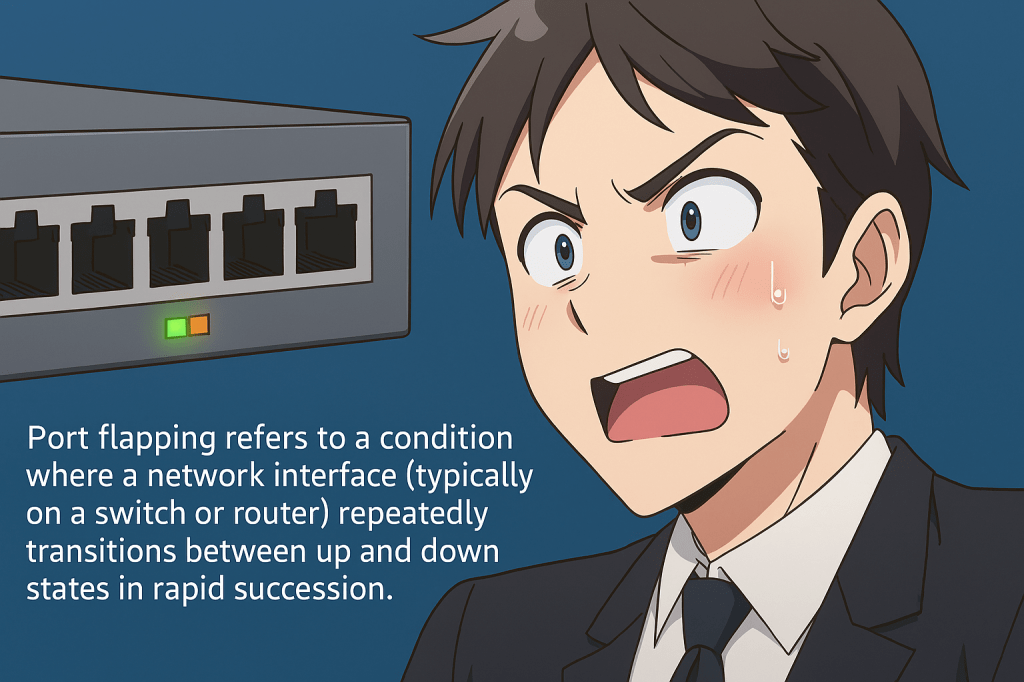
Port flapping is a network condition where a switch or router interface continuously transitions between an active (up) and inactive (down) state. This repetitive toggling disrupts link stability and can trigger frequent topology recalculations in protocols like STP (Spanning Tree Protocol), leading to packet loss, latency, and degraded performance across the network. Common causes include…
-
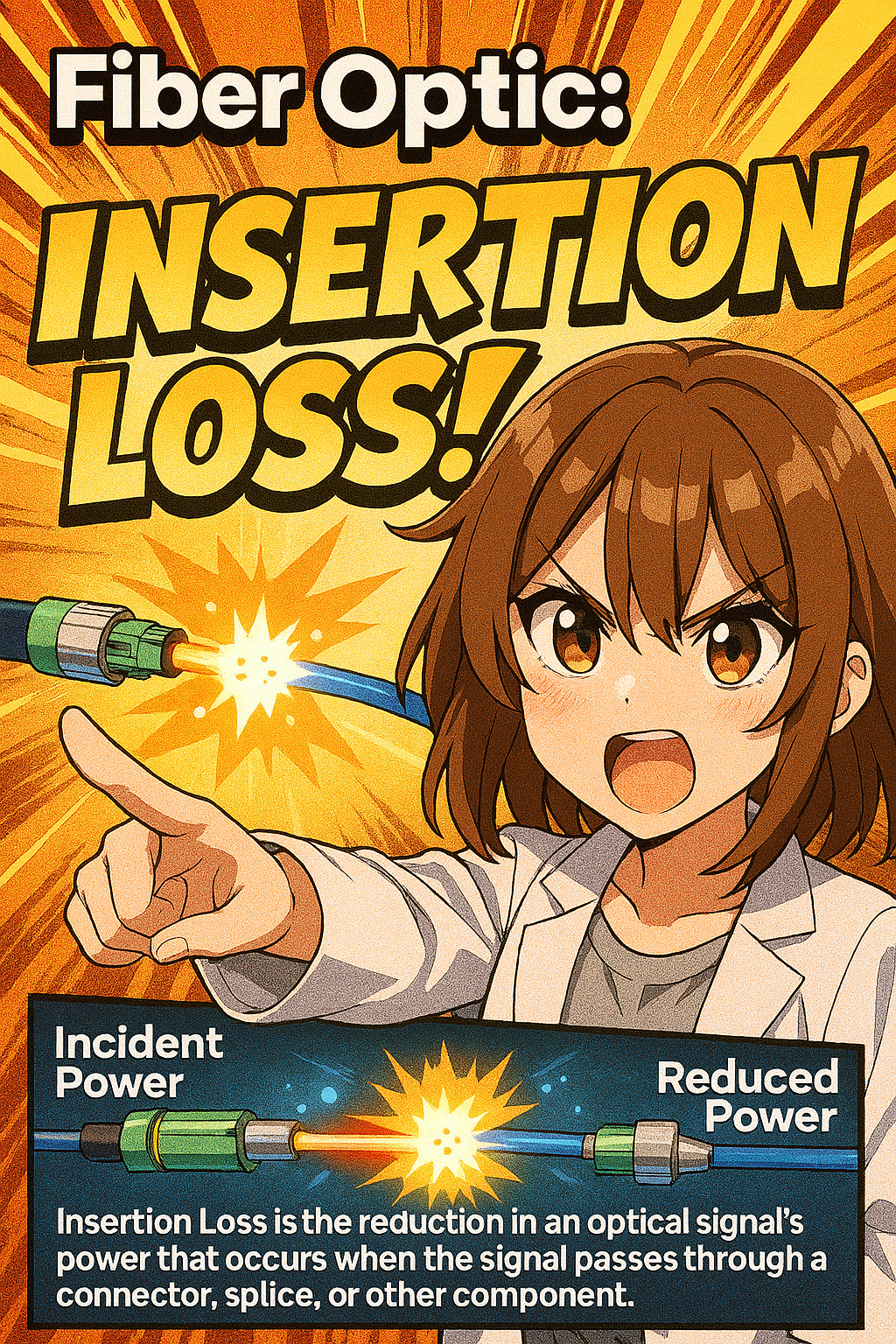
Insertion Loss in fiber optics refers to the amount of signal power lost when a component—such as a connector, splice, or device—is inserted into the optical path. It’s measured in decibels (dB), and lower values indicate better performance. When light travels through a fiber, any interruption or interface can cause some of the signal to…
-
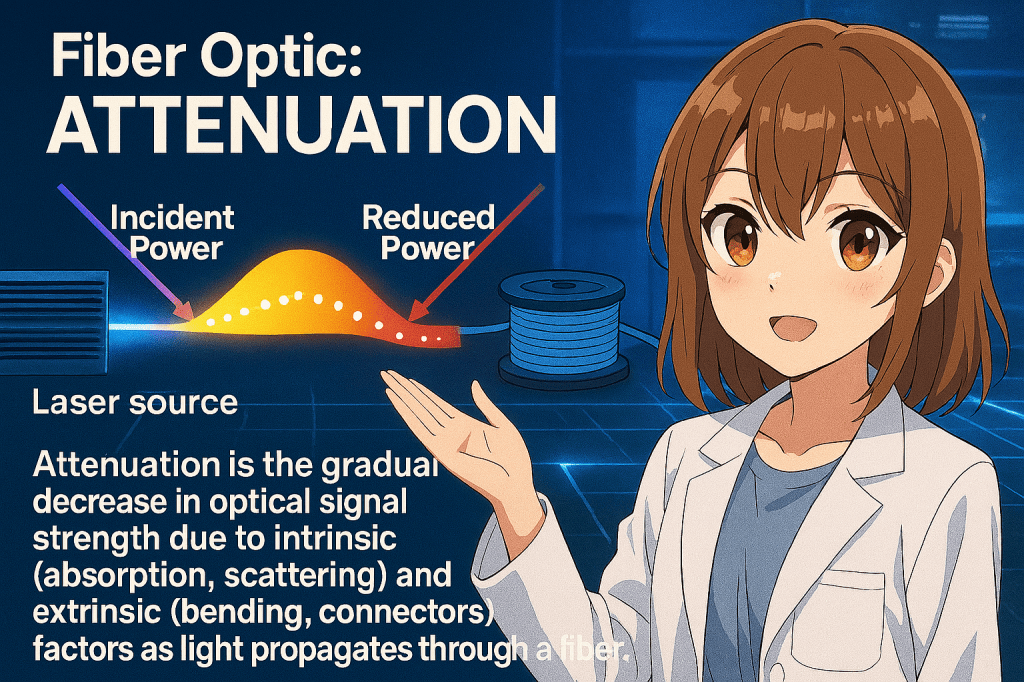
Attenuation in fiber optics refers to the gradual weakening of an optical signal as it travels through the fiber. This loss happens because some of the light energy is absorbed by the glass material or scattered due to microscopic irregularities. It’s measured in decibels per kilometer (dB/km), and the lower the number, the better the…
-

DIN EN ISO 12100 is a European machinery-safety standard that establishes the foundational principles for the design, risk assessment, and hazard mitigation of machines and machine assemblies. It defines a machine as an integrated system of connected components, including at least one moving part, powered by a source other than human or animal effort and…
-
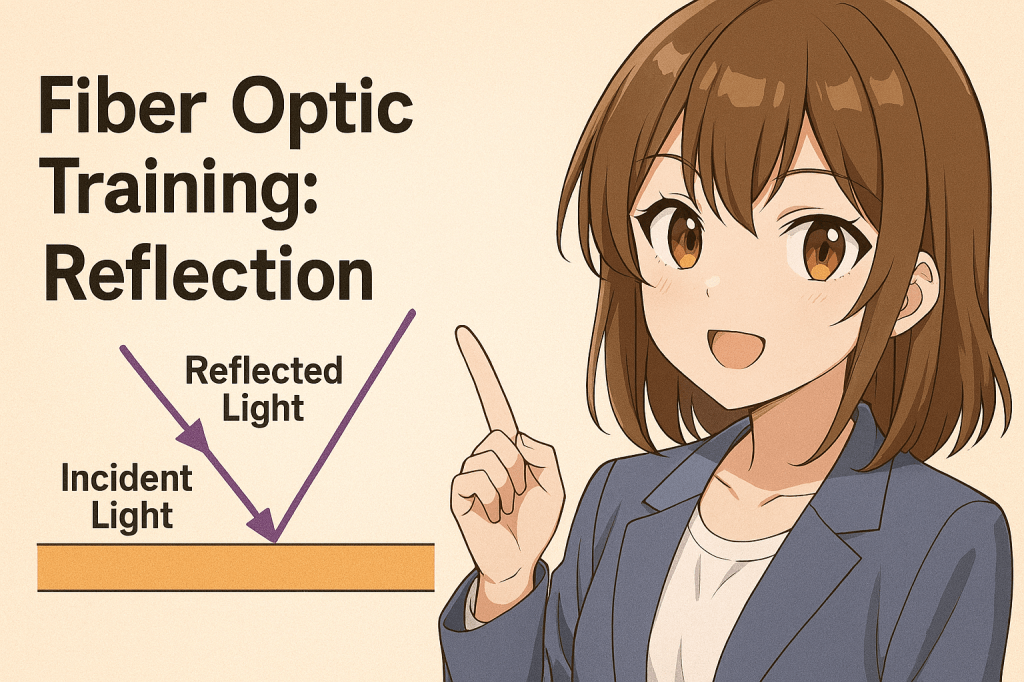
Reflection occurs when an optical signal traveling through a fiber encounters a change in refractive index—typically at a connector, mechanical splice, or fiber break—and part of the light is reflected back toward the transmitter. This backward-propagating light can interfere with the source, especially in systems using lasers, and may degrade signal quality or cause instability.…

