Trending News
-

Amazon has announced Fastnet, its first independently owned transatlantic subsea cable project, designed to connect Maryland, USA, with County Cork, Ireland. Scheduled for completion in 2028, the system will deliver more than 320 terabits per second (Tbps) of capacity, enhancing Amazon Web Services (AWS) infrastructure and boosting global cloud computing and artificial intelligence (AI) network…
-

Refraction in fiber optics refers to the change in direction of light as it passes between materials of different optical densities—specifically, from air into the fiber optic core, and between the core and cladding within the fiber. This bending of light is governed by Snell’s Law and is essential for initiating and maintaining the transmission…
-

Outside Plant (OSP) refers to all fiber optic infrastructure deployed outdoors—such as cables, splice enclosures, cabinets, and conduits—that connect central offices to service locations like homes, businesses, or data centers. OSP fiber networks form the backbone of modern telecommunications. They begin at a central office or headend, where optical signals originate, and extend through distribution…
-
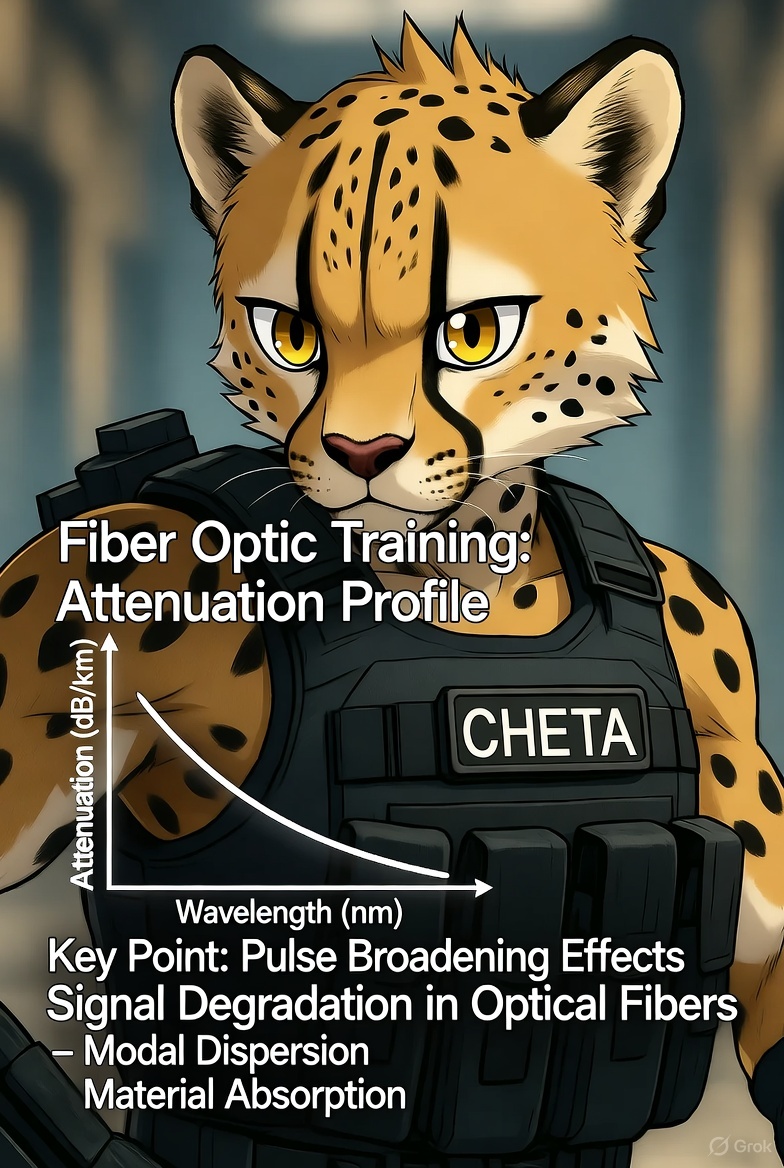
The Attenuation Profile is a continuous measurement of how much optical signal is lost as it travels through a fiber. It’s derived from OTDR traces and plotted as a slope that represents signal strength versus distance. A uniform slope indicates consistent fiber quality, while sudden drops or spikes reveal localized issues such as poor splices,…
-

Fiber optic characterization is the comprehensive process of testing and analyzing a fiber optic link or network to evaluate its performance, integrity, and ability to support high-speed data transmission. It involves a series of measurements and diagnostics designed to identify optical impairments, verify design specifications, and ensure that the fiber system meets required industry standards…
-
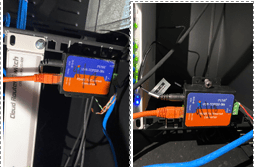
This guide outlines the essential components and step-by-step procedure for establishing an RS-485 serial connection using Ethernet and serial wiring. It is intended for technicians integrating RS-485 devices with a Mikrotik router and a metering system above a breaker panel. 1. Here are the tools you will need to set up a RS 485 Device:…
-
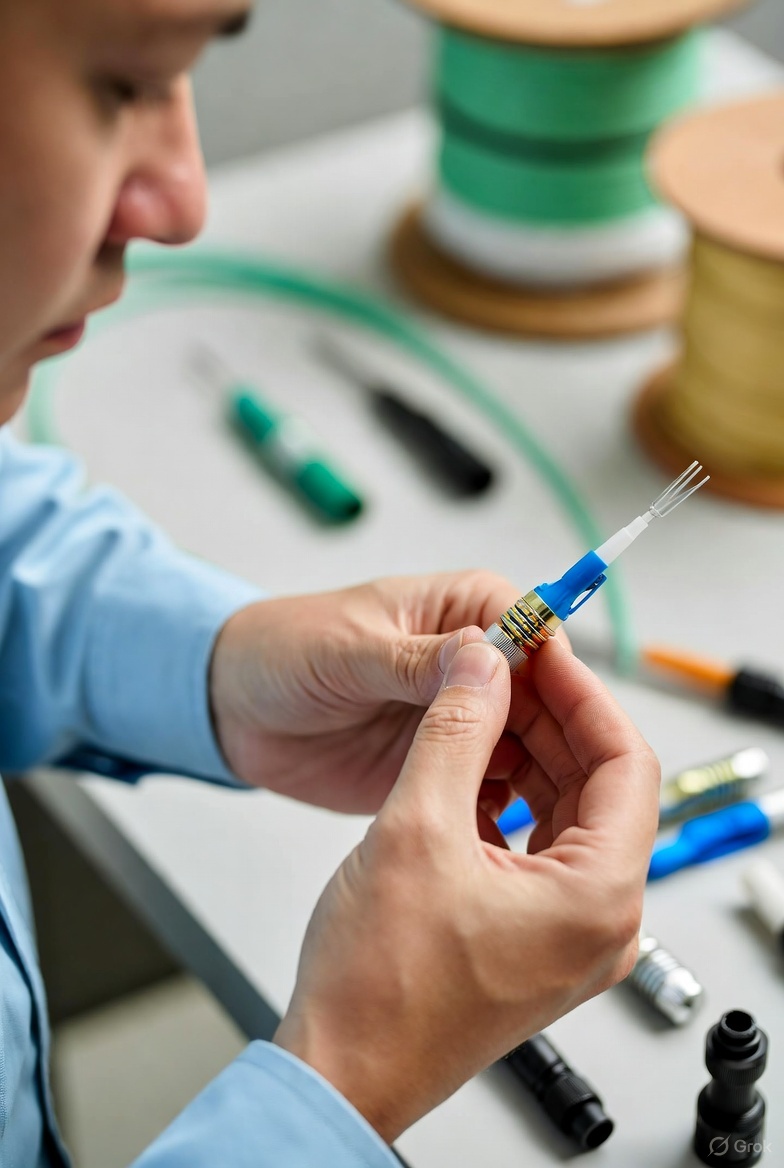
Fiber connectors are essential components that allow optical fibers to be joined or disconnected without permanent fusion. They ensure precise alignment of the fiber cores to maintain minimal signal loss and reflection. The SC (Subscriber Connector) is one of the most common types, known for its square shape, push-pull locking mechanism, and reliability in data…
-
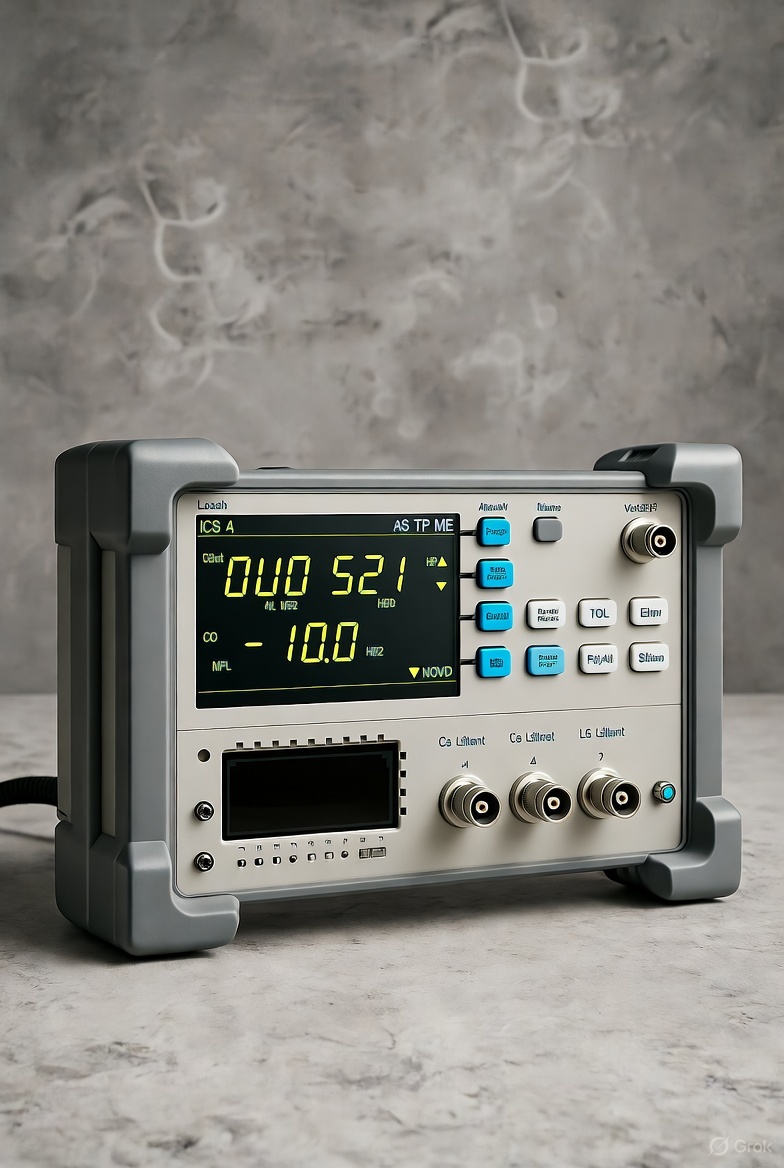
An optical power meter is a precision instrument used in fiber optic networks to quantify the optical signal power transmitted through a fiber. It operates by converting incoming light—usually in the infrared range—into an electrical signal using a calibrated photodetector, then displaying the power level in decibel-milliwatts (dBm) or milliwatts (mW). This measurement is critical…
-
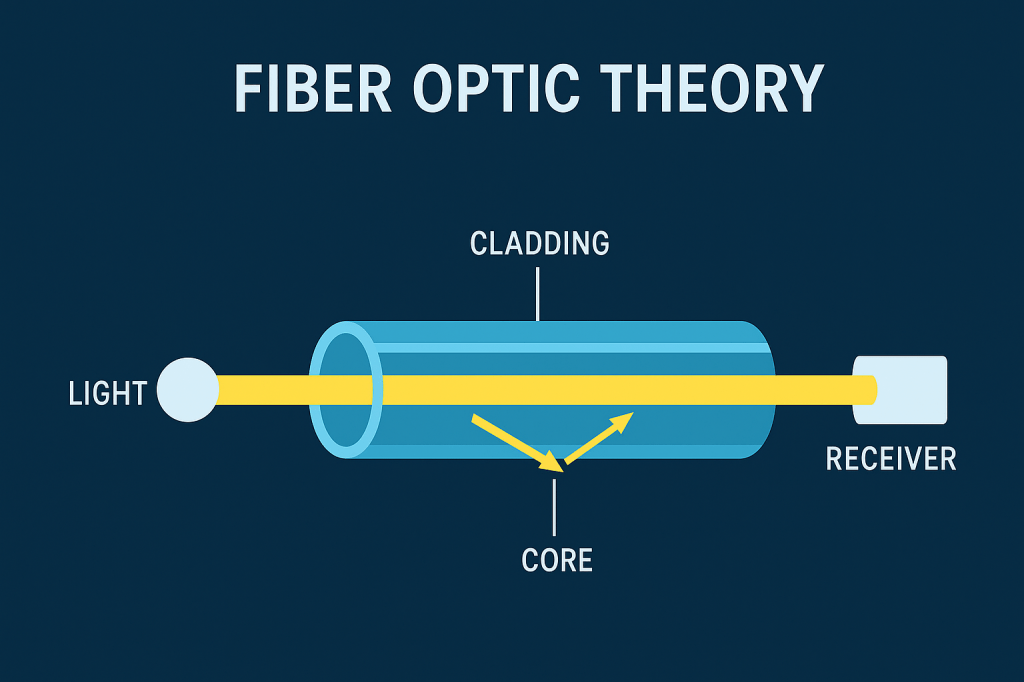
Fiber optic theory is the foundational science behind the transmission of light through optical fibers, which are thin strands of glass or plastic designed to carry data in the form of light pulses. At its core is the principle of total internal reflection, where light entering the fiber core at a specific angle is reflected…
-
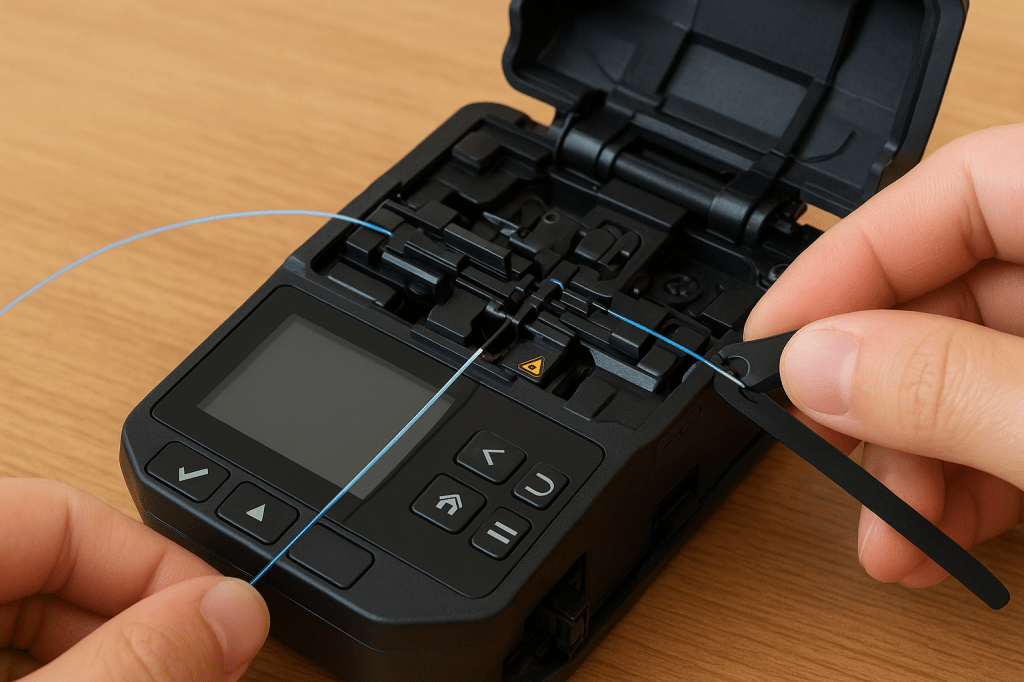
Fiber optic splicing is a precision technique used to connect two optical fibers end-to-end, allowing light signals to pass through with minimal loss and reflection. This process is fundamental in building, repairing, and extending fiber optic networks, especially in long-haul telecommunications, data centers, and FTTH installations. The most common method is fusion splicing, which uses…
-
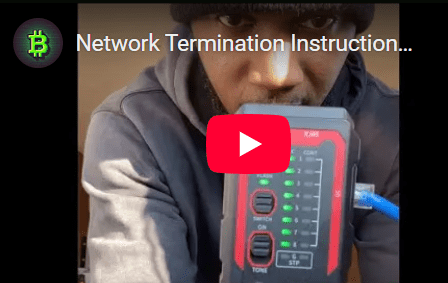
Proper network termination matters. Every ethernet cable you build connects people, ideas, and organizations, enabling communication that strengthens relationships and drives opportunity. By following standards like T568B, we can create networks that are reliable and impactful. This 8-minute instructional video demonstrates those techniques, showing how network termination helps connect lives and build communities. T568B Ethernet…
-
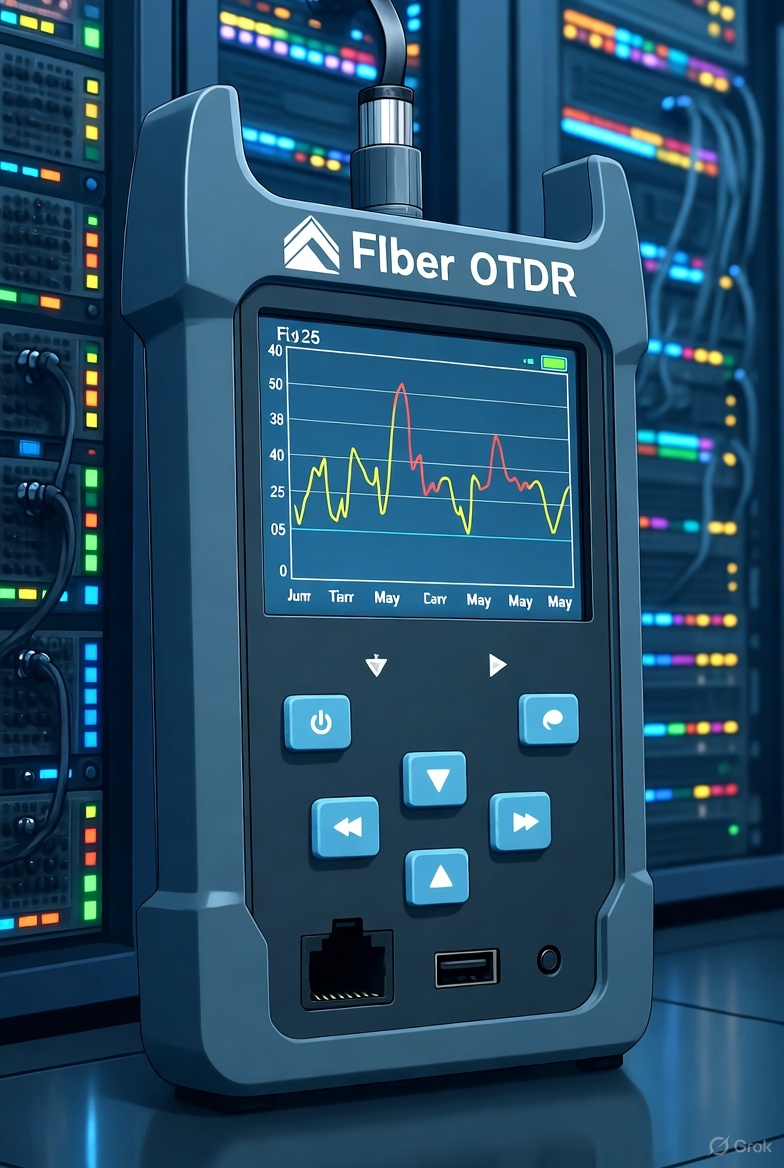
OTDR, or Optical Time Domain Reflectometer, operates by injecting a series of short laser pulses into one end of an optical fiber and measuring the light that is scattered or reflected back from points along the fiber. This backscattered light—primarily due to Rayleigh scattering and Fresnel reflections—is captured by a photodetector within the OTDR, and…

