linux
-
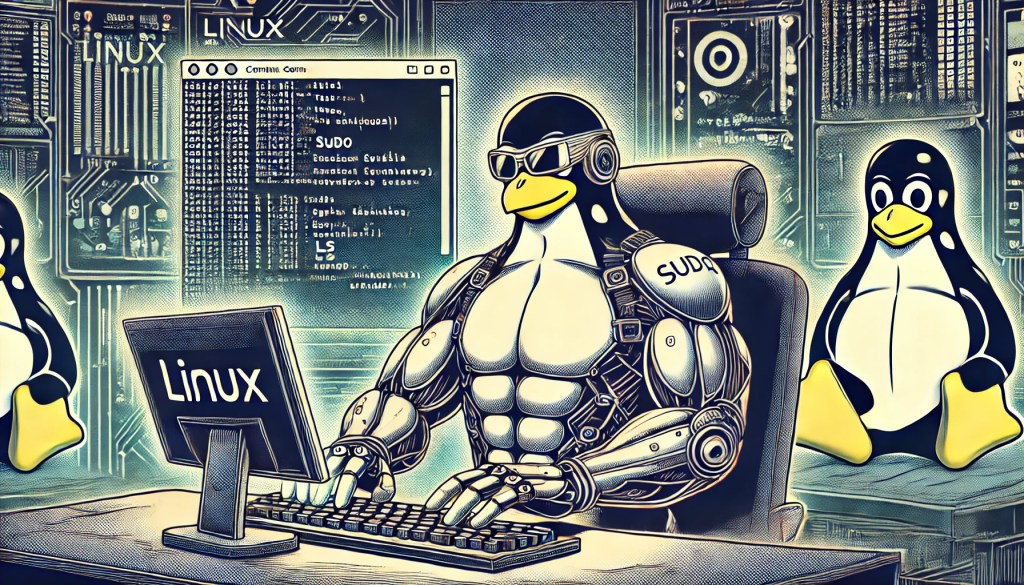
File System Hierarchy Standard (FHS): The File System Hierarchy Standard defines a consistent directory structure for Linux systems, specifying locations for system files, user files, and application data. FHS ensures predictability and uniformity across distributions, facilitating easier management and maintenance. Standard directories include /etc for configuration files, /var for variable data, /bin for essential binaries,…
-
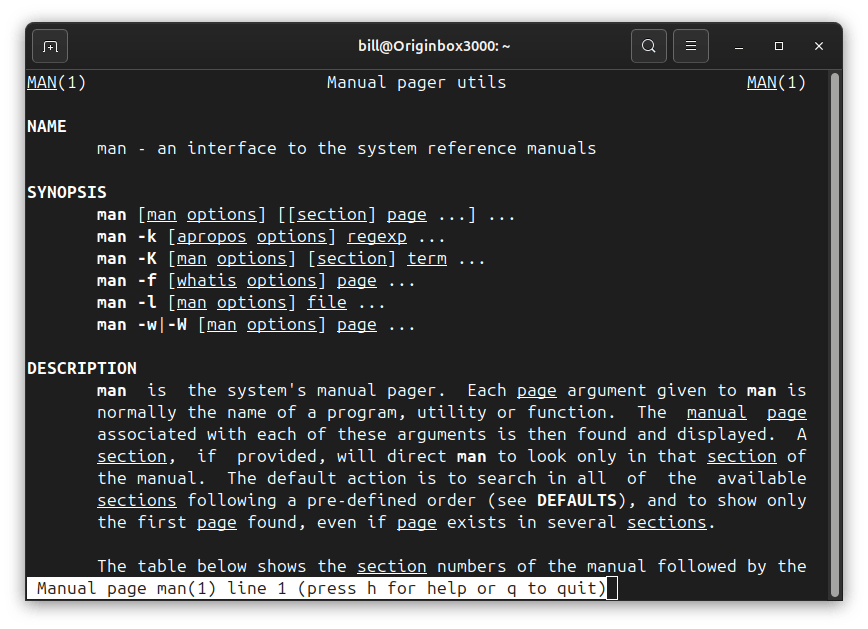
The man command, short for ‘manual’, is an essential tool in Linux, offering detailed documentation on virtually every command and program. By typing man followed by a specific command name, users gain immediate access to comprehensive manuals covering syntax, usage options, and practical examples. Ideal for beginners and seasoned professionals alike, the man command fosters…
-

Network ports serve as essential communication endpoints, allowing devices to exchange data over the internet and private networks. These numerical identifiers, assigned to specific services and applications, ensure proper data routing between devices. The IT industry relies on well-defined port numbers to facilitate secure and efficient networking operations across various protocols and services. Commonly Used…
-

Before you can use python in the Linux terminal, you need to download the python version that you wish to utilize on your operating system. For example your python version might be 3.12 so make the call “python3 –version” After you confirm python is downloaded run the application by calling the version for example, “python3”…
-

The SupraHex is a compact, ESP32-S3-based mining device designed for small-scale, efficient Bitcoin mining. Developed by TinyChipHub and other vendors recognized by OSMU, it operates on AxeOS firmware and supports both solo and pool mining. Unlike traditional ASICs, it is optimized for low-power, cost-effective mining while allowing users to tinker with firmware and system configurations.…
-

Cloud computing has revolutionized how businesses and individuals access and manage data, applications, and infrastructure. By leveraging remote servers hosted on the internet, cloud computing enables scalable, on-demand resources that enhance efficiency and cost-effectiveness. A key component of cloud computing is virtualization, which allows multiple virtual machines (VMs) to run on a single physical server.…
-
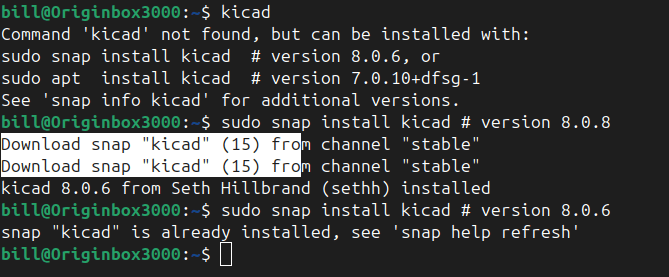
KiCad is a powerful open-source software suite used for designing printed circuit boards (PCBs). It offers a comprehensive set of tools for schematic capture, PCB layout, and 3D visualization, making it a go-to choice for both hobbyists and professional engineers. The software supports industry-standard formats and integrates essential features such as Gerber file export and…
-

The snmpwalk command is used to perform a series of network management requests to a specific device using an IP address(example: 10.31.10.101),starting from the OID 1.3.6.1.2.1.2.2.1, using SNMPv3. Reference record for OID: Website to interpret OID Adresses snmpwalk -v3 -l authPriv -u l1monitor -a MD5 -A GEe9bb8h -x DES -X 4ixay7su 10.36.10.108 1.3.6.1.2.1.2.2.1snmpwalk: This is…
-

The cp command in Linux is used to copy files and directories. It’s a powerful utility that can create copies of data from one location to another, either within the same directory or across different directories. Adding the -r (recursive) flag allows you to copy entire directories, including their contents. This command copies the newfile…
-
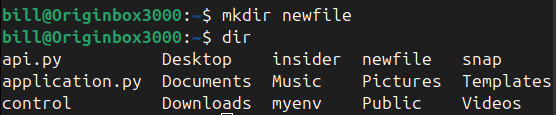
The mkdir command, an abbreviation for “make directory,” is a foundational tool for Linux users, enabling the creation of directories directly within the terminal. According to Linux documentation, the command is widely used to organize files systematically, promoting efficient file management practices for both personal and professional projects. Users simply type mkdir <directory_name> to create…
-
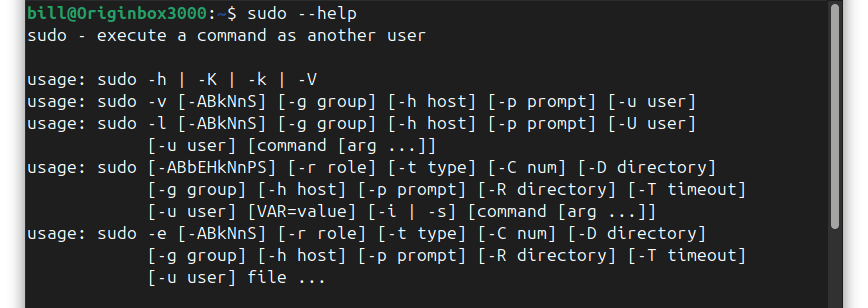
The sudo command in Linux enables authorized users to execute commands with superuser privileges, facilitating essential administrative tasks such as software installation, system configuration modifications, and service management. Key benefits of using sudo include enhanced security by requiring explicit permission before executing potentially harmful commands, accountability through logging each use for traceability, and controlled access…
-

Linux distributions, commonly known as distros, offer a variety of options tailored to different user needs and preferences. Each distro combines the Linux kernel with specific software packages, resulting in unique features and functionalities. Ubuntu stands out for its user-friendly interface and strong community support, making it an excellent choice for beginners and general desktop…

