Tech Docs
-

In the realm of computer systems, memory plays a pivotal role in determining performance and data retention capabilities. Two primary categories of memory exist: volatile and non-volatile. Volatile memory, such as Random Access Memory (RAM), requires a continuous power supply to maintain stored data. When the system powers down, information in volatile memory is lost.…
-
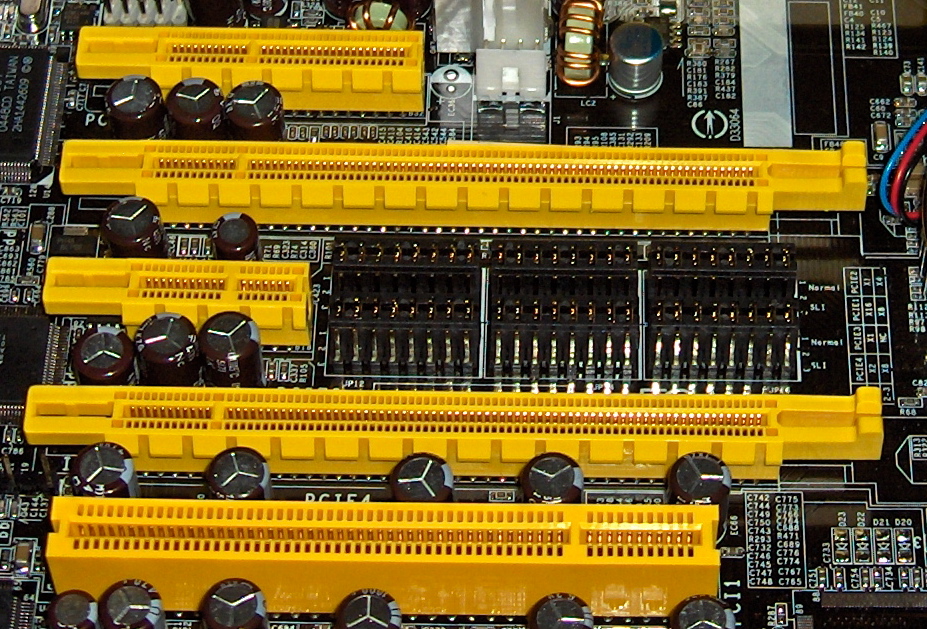
The Peripheral Component Interconnect Express (PCIe) is a high-speed expansion bus interface used to connect various hardware components to a computer’s motherboard. It serves as the primary interface for graphics cards, network adapters, storage devices, and other peripherals that require fast data transfer. PCIe uses a serial communication architecture, meaning it transmits data one bit…
-

The snmpwalk command is used to perform a series of network management requests to a specific device using an IP address(example: 10.31.10.101),starting from the OID 1.3.6.1.2.1.2.2.1, using SNMPv3. Reference record for OID: Website to interpret OID Adresses snmpwalk -v3 -l authPriv -u l1monitor -a MD5 -A GEe9bb8h -x DES -X 4ixay7su 10.36.10.108 1.3.6.1.2.1.2.2.1snmpwalk: This is…
-

Word count: needs to be 250 words or more. We encourage the use of AI (chat gpt, microsoft co pilot). to help curate stories. I have a template available to put into the AI terminal (you can also create your own template!) To add a new post click on the “NEW” icon at the top…
-

The code snippet provided shows how to insert an item into a list at a specific position rather than appending it at the end. Instead of adding “sunglasses” to the end of the list using append(), the task is to insert “sunglasses” at index 2 of the list travel_items. Explanation of the code:travel_items.insert(2, ‘sunglasses’) This…
-

The tasklist command is a Windows utility that lists all currently running processes on the system, along with key details like Process IDs (PIDs), memory usage, and executable names. It is commonly used for monitoring and troubleshooting processes. For instance, it can be combined with filters to locate specific tasks, such as running tasklist |…
-

SFC (System File Checker)System File Checker (SFC) is a built-in Windows utility designed to scan for and repair corrupted or missing system files. SFC ensures the integrity of critical operating system files by replacing them with the correct versions from the Windows installation source, helping to resolve system stability or performance issues. Keep in mind,…
-
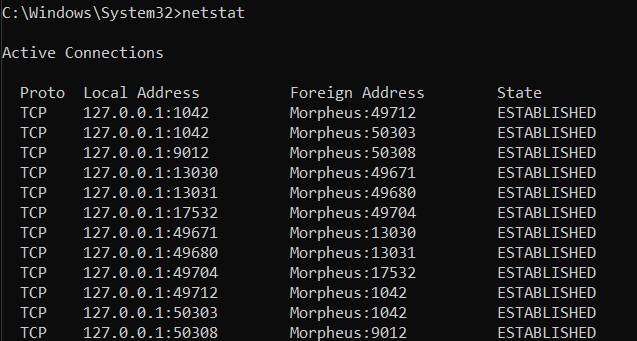
The netstat command provides statistics on current network connections and listening ports, offering insight into which applications are communicating over the network. Running netstat -a displays all active connections and ports. Netstat -b reveals the applications associated with each connection, valuable for security assessments (you need admin privileges for the “netstat -b” command). This command is used to detect suspicious…
-

The cp command in Linux is used to copy files and directories. It’s a powerful utility that can create copies of data from one location to another, either within the same directory or across different directories. Adding the -r (recursive) flag allows you to copy entire directories, including their contents. This command copies the newfile…
-
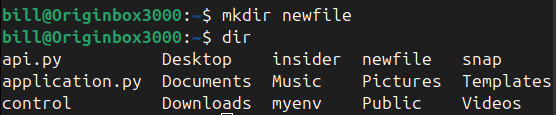
The mkdir command, an abbreviation for “make directory,” is a foundational tool for Linux users, enabling the creation of directories directly within the terminal. According to Linux documentation, the command is widely used to organize files systematically, promoting efficient file management practices for both personal and professional projects. Users simply type mkdir <directory_name> to create…
-
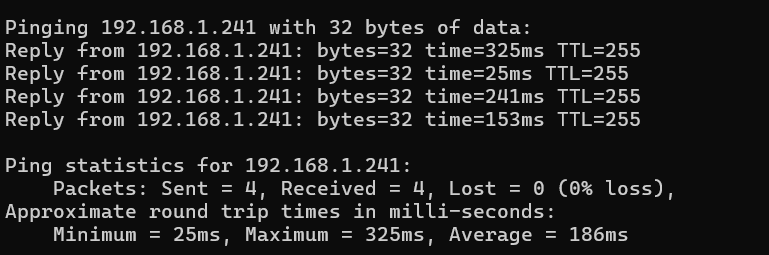
BitcoinVersus.Tech Editor’s Note: We volunteer daily to ensure the credibility of the information on this platform is Verifiably True.If you would like to support to help further secure the integrity of our research initiatives, please donate here The ping command is a fundamental network utility used to test the reachability of a host on an…
-
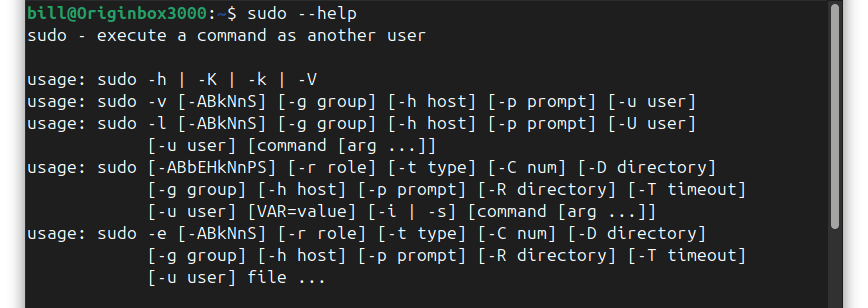
The sudo command in Linux enables authorized users to execute commands with superuser privileges, facilitating essential administrative tasks such as software installation, system configuration modifications, and service management. Key benefits of using sudo include enhanced security by requiring explicit permission before executing potentially harmful commands, accountability through logging each use for traceability, and controlled access…

