Tech Docs
-
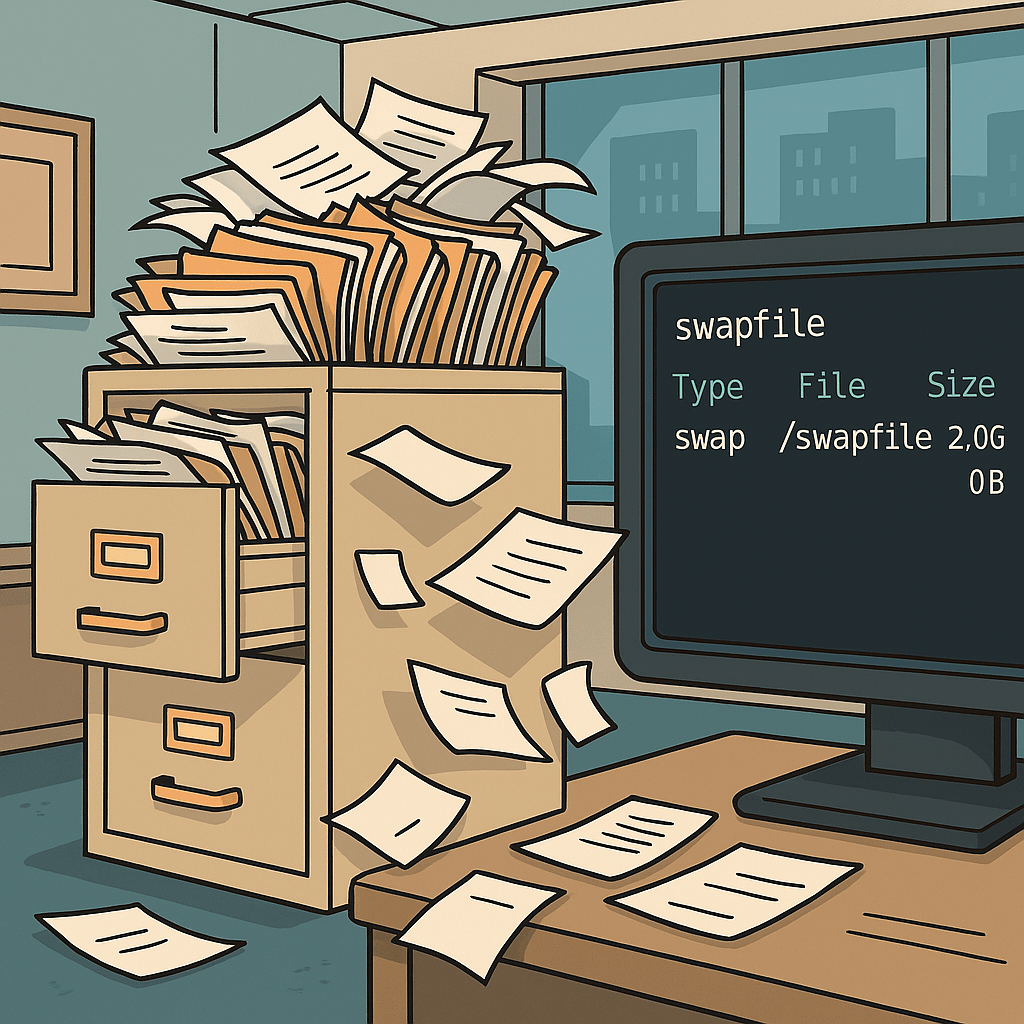
A swap file in Linux is a special file on the disk that acts as virtual memory when the system’s physical RAM becomes full. Instead of immediately failing or killing processes when memory runs low, the kernel moves less-used data from RAM into the swap file to free up space for active applications. This ensures…
-

Creating a filesystem means formatting a partition or volume with a specific structure that the operating system can understand—such as ext2, ext3, ext4, xfs, or fat32. This is often done on a new partition using the mkfs (make filesystem) family of commands. For example, formatting a device with ext4 can be done with: sudo mkfs.ext4…
-
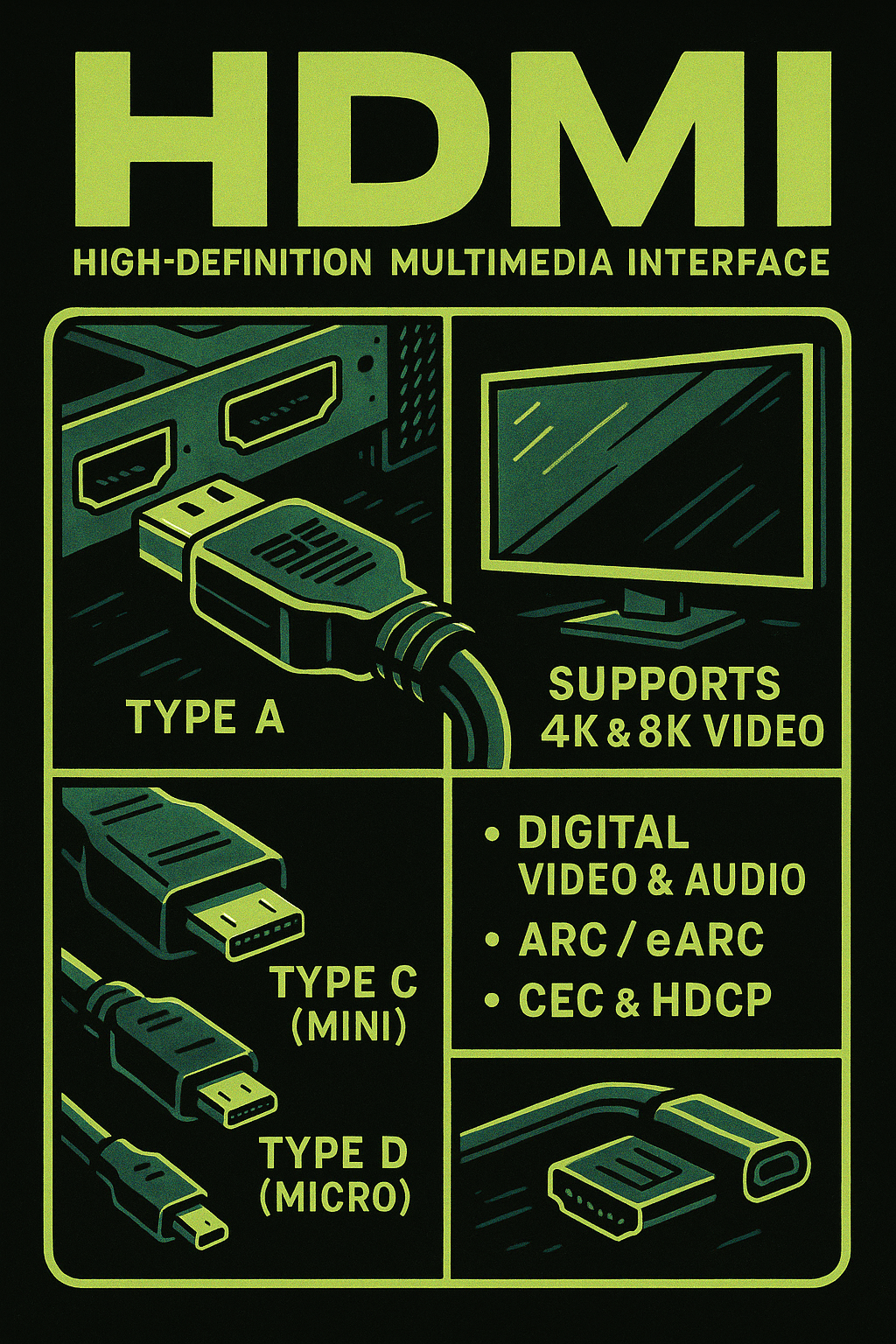
HDMI (High-Definition Multimedia Interface) is a proprietary audio/video interface designed to transmit uncompressed digital video and audio from a source device to a display or audio receiver. It supports a wide range of high-resolution formats, including 1080p, 4K, and even 8K video, along with multi-channel digital audio—all through a single cable. HDMI connectors come in…
-
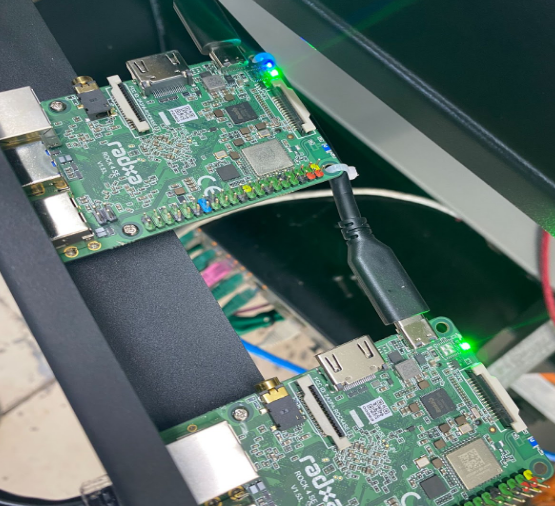
The Rockpi 4 SE is essentially a computer that you can program. The Rockpi has capabilities for various management, monitoring, and automation tasks to further optimize operations at a bitcoin mining facility. Software Overview Retrofitting “Brains”’ on a Rock Pi involves first opening a Fedora terminal to develop u-boot for the Rock Pi. Once the…
-
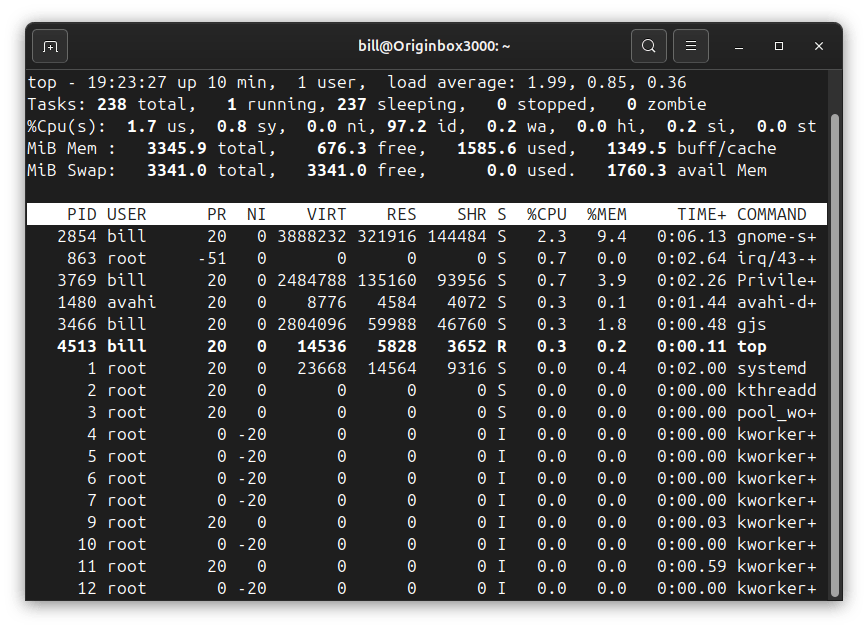
The top command in Linux provides real-time monitoring of system processes, resource usage, and performance metrics directly from the terminal. It dynamically displays essential information, including CPU utilization, memory consumption, swap usage, and running tasks. The interactive output updates automatically, offering an immediate overview of the system’s operational state, making it invaluable for troubleshooting, performance…
-

A Canaan Bitcoin miner experienced a power supply unit (PSU) failure, leading to significant damage. An analysis suggests two primary causes: inadequate power delivery from an extension cord and the use of a non-compliant USB-C cable. Theory 1: Inadequate Power Delivery from Extension Cord The PSU was connected via an extension cord, which may not…
-
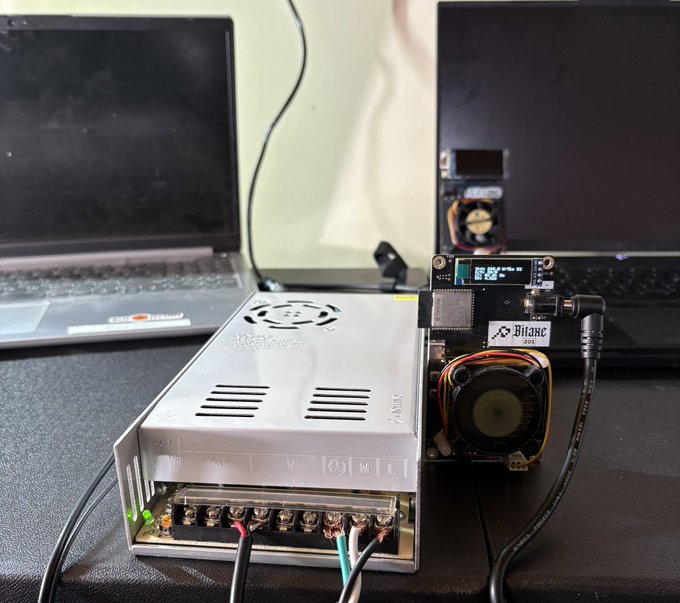
Industrial-grade Bitcoin mining machines require robust and efficient power supplies to convert alternating current (AC) from the grid into the direct current (DC) necessary for their operation. Selecting the appropriate AC to DC power supply is crucial for optimal performance and longevity of the mining equipment. Power Requirements and Efficiency Each mining machine model has…
-
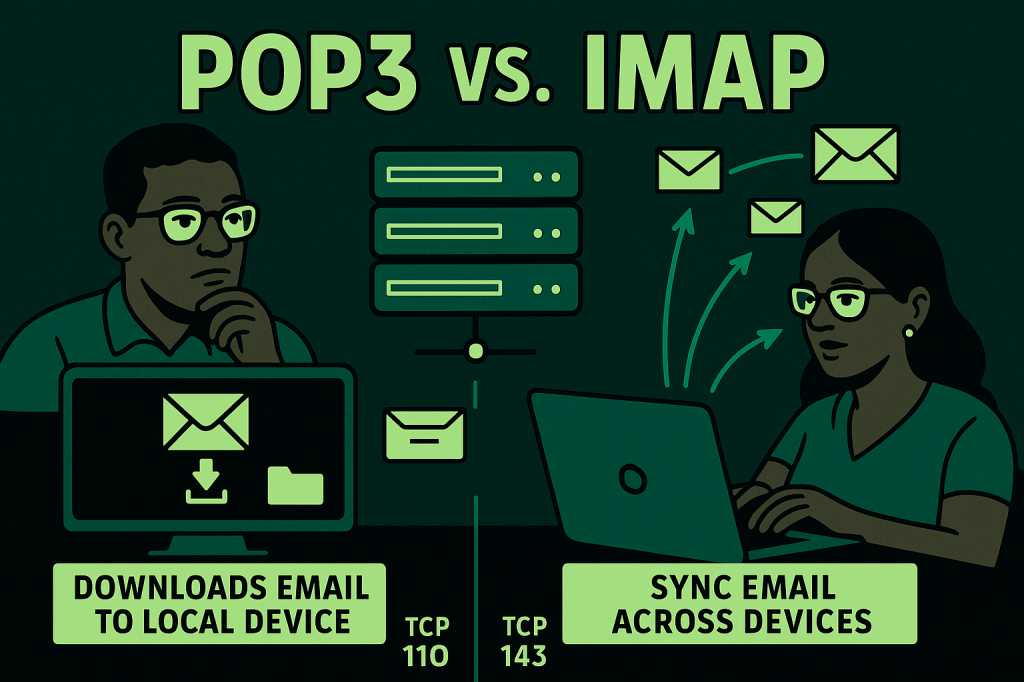
POP3 (Post Office Protocol version 3) is an email retrieval protocol that allows a client to download messages from a mail server to a local device. Operating over TCP port 110 (or 995 with SSL/TLS), POP3 typically downloads and then deletes messages from the server unless configured otherwise. It is ideal for users who want…
-
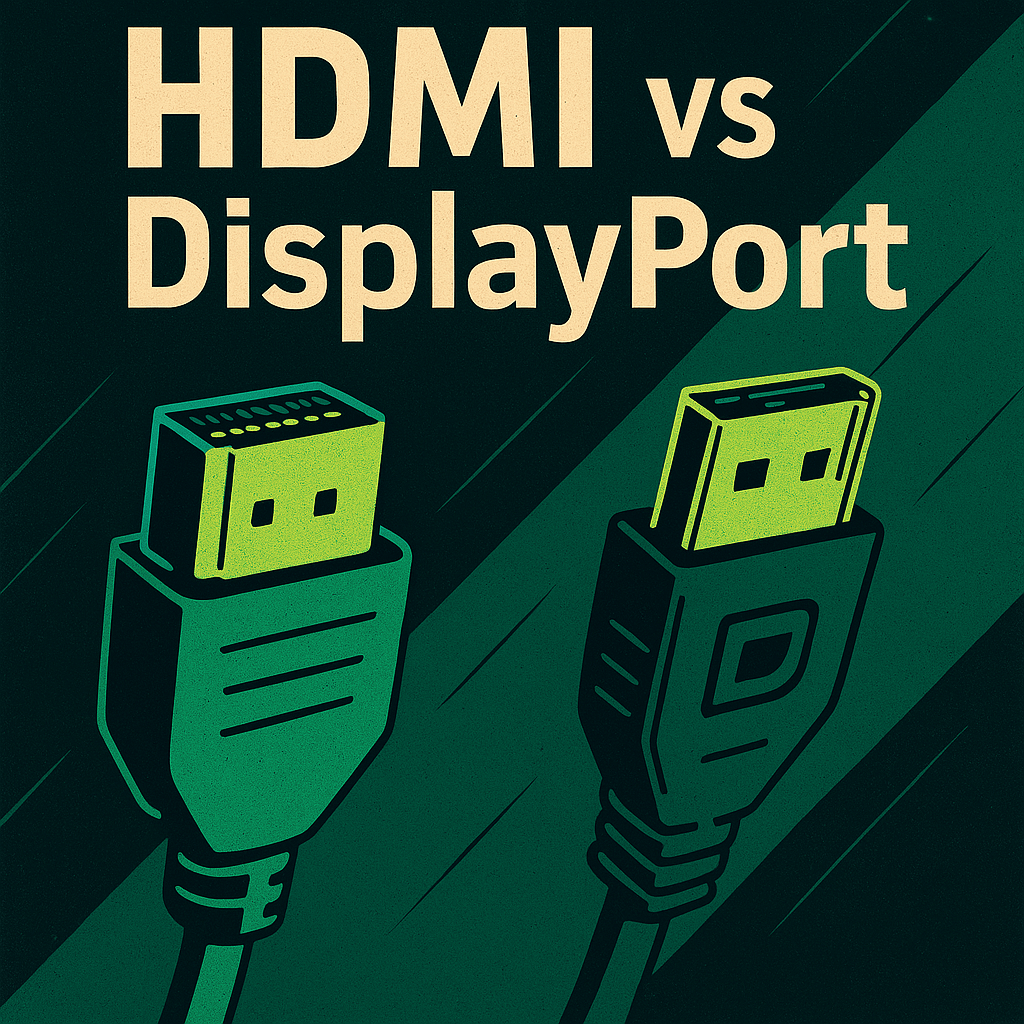
HDMI (High-Definition Multimedia Interface) and DisplayPort are two widely adopted digital display interfaces, but they are optimized for different environments. HDMI is the standard for consumer electronics, including TVs, projectors, game consoles, and media players. It supports both audio and video in a single cable and includes features like CEC (Consumer Electronics Control) and ARC…
-

SSD (Solid-State Drive) and eMMC (embedded Multi Media Card) are both forms of flash memory, but they differ significantly in performance, upgradability, and use cases. SSDs are standalone storage devices used in laptops, desktops, and servers, often connected via SATA, PCIe, or NVMe interfaces. They offer high read/write speeds, long lifespan, and come in capacities…
-
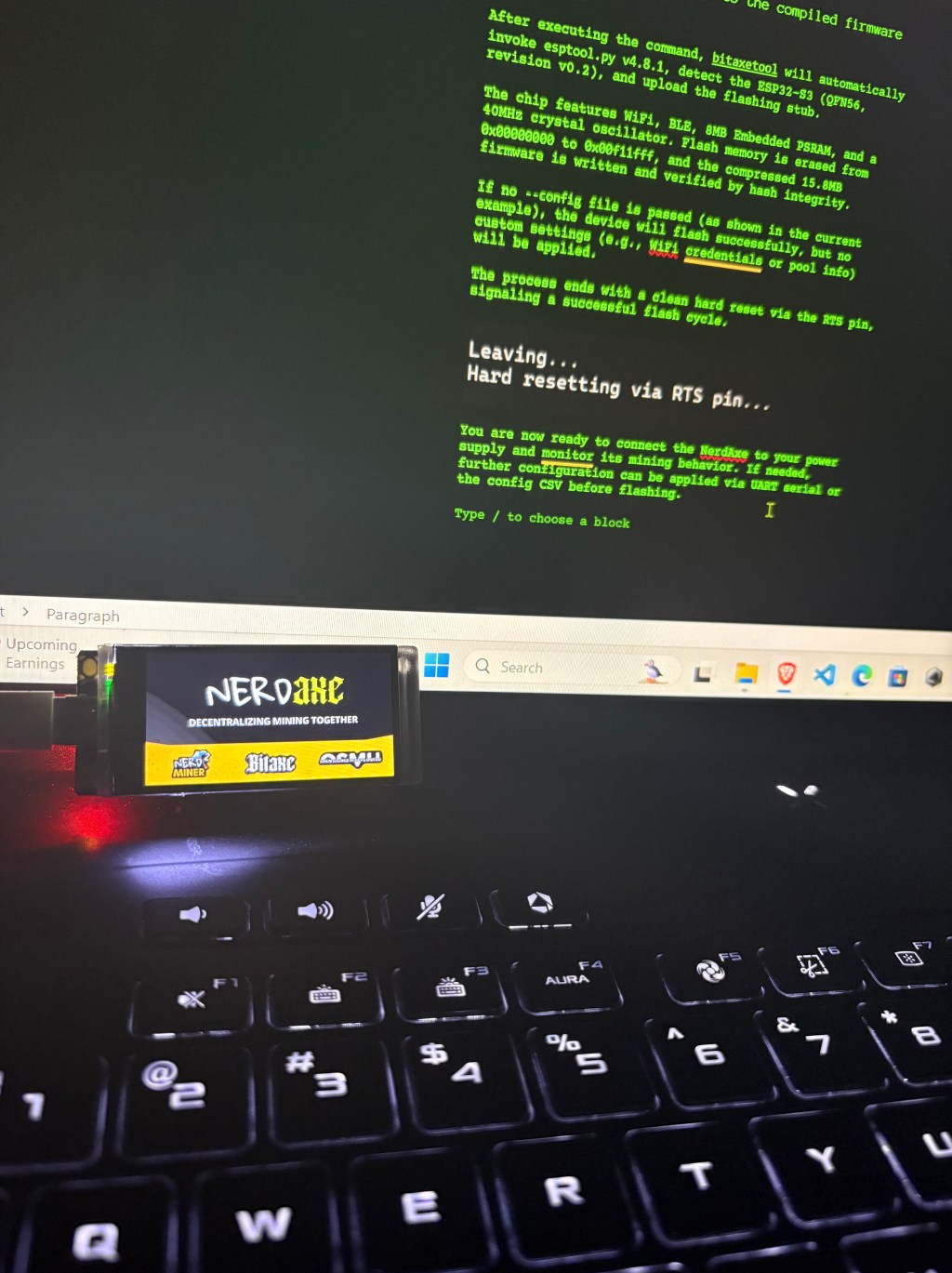
Esptool.py is a Python-based utility created by Espressif for flashing firmware onto ESP8266 and ESP32 chips. It operates cross-platform—working on Windows, Linux, and macOS—and is executed from the command line using Python. Although its name ends in .py, users interact with it using simple terminal commands, not actual Python code. The command-line arguments passed to…
-

BIOS (Basic Input/Output System) and CMOS (Complementary Metal-Oxide Semiconductor) are closely related components in PC architecture, but they serve distinct functions. BIOS is firmware stored on a chip on the motherboard, responsible for initializing hardware during boot-up, performing POST (Power-On Self-Test), and launching the operating system. It also provides a configuration interface where users can…

