Tech Docs
-

.cpp vs .cc in Modern C++ Development C++ source files do not merely represent lines of code—they serve as compiled units of meaning. Their naming convention affects build pipelines, toolchain integration, and developer consistency. Among C++ developers, the two dominant extensions used to denote source files are .cpp and .cc. Both are fully supported by…
-

Trusted Platform Module (TPM) is a dedicated chip embedded on a computer’s motherboard, designed to secure hardware through integrated cryptographic keys. It stores sensitive information such as encryption keys, digital certificates, and passwords in a tamper-resistant environment. TPM is commonly used for: BitLocker drive encryption Secure Boot validation Windows Hello biometric authentication Digital Rights Management…
-

A thermal printer uses heat to transfer images onto paper. It comes in two types: No ink or ribbon needed. Uses heat-sensitive paper that blackens when heated. Common in receipts and shipping labels. Uses a heated ribbon to transfer wax or resin onto media. Durable prints ideal for barcode labels and inventory tags. Consumables and…
-

Every desktop computer relies on a Power Supply Unit (PSU) to convert wall electricity into usable voltage levels that safely power internal components. The PSU takes in AC (Alternating Current) and outputs DC (Direct Current) in multiple voltages—typically +12V, +5V, and +3.3V—distributed to the motherboard, CPU, storage devices, and GPU. Without proper power regulation, even…
-
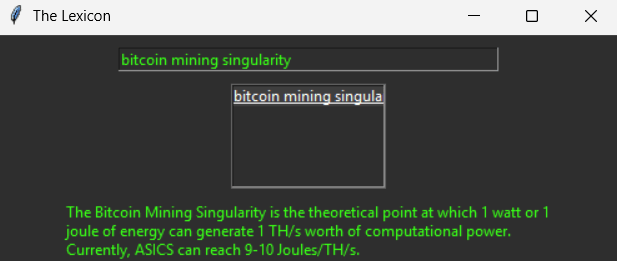
This study proposes a new theoretical framework: the Bitcoin Mining Singularity, defined as the point at which one joule of energy yields one terahash per second (1 J/TH) of cryptographic computation. This convergence of energy efficiency and computational output in Bitcoin mining represents a potential milestone in the global evolution of post-industrial labor, energy monetization,…
-
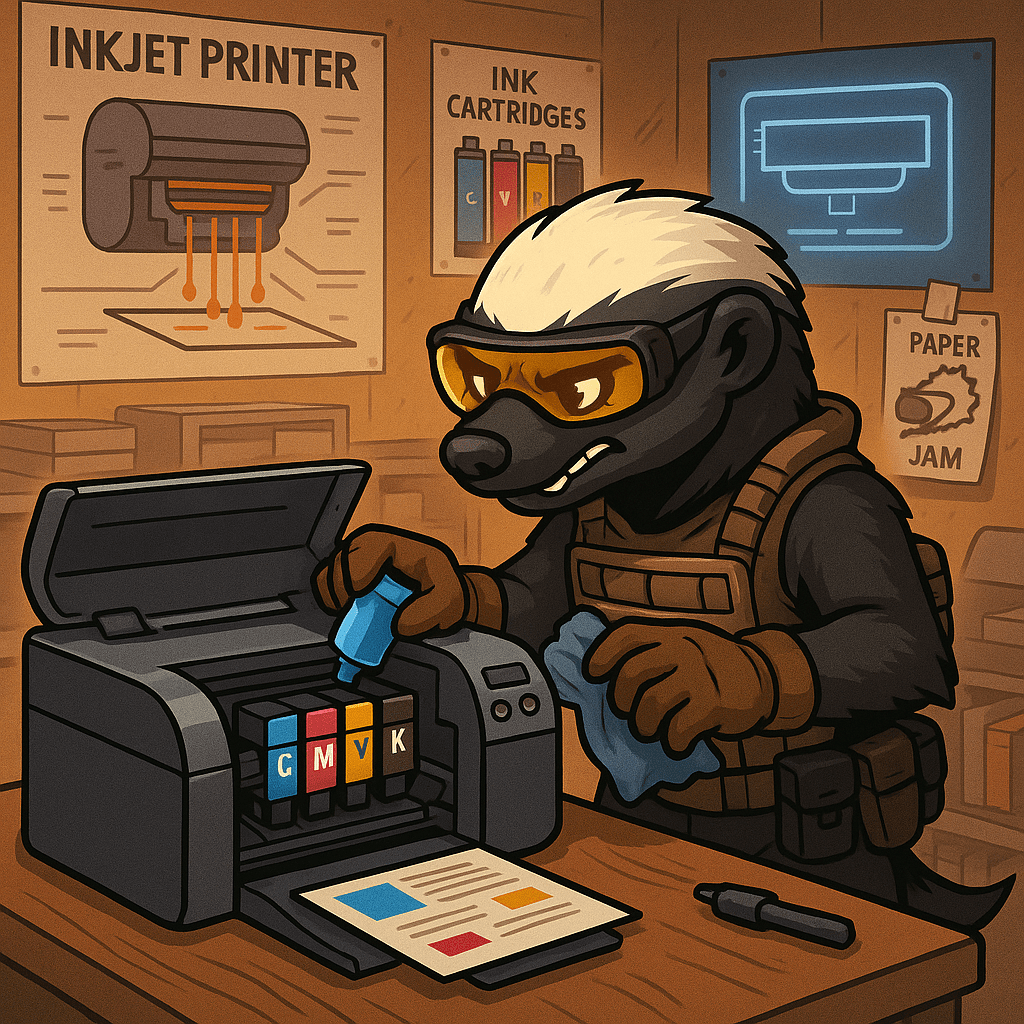
Inkjet printers are among the most common types of consumer and small office printers, known for their ability to produce detailed color images and sharp text on a variety of media. They function by spraying tiny droplets of ink directly onto paper through nozzles in the printhead. These droplets are controlled with extreme precision, often…
-

LDAP (Lightweight Directory Access Protocol) is an open, vendor-neutral protocol used to access and maintain distributed directory information services over an Internet Protocol (IP) network. LDAP is widely used for storing and managing information about users, groups, computers, and other resources in a centralized database, known as a directory. The protocol allows clients to connect…
-
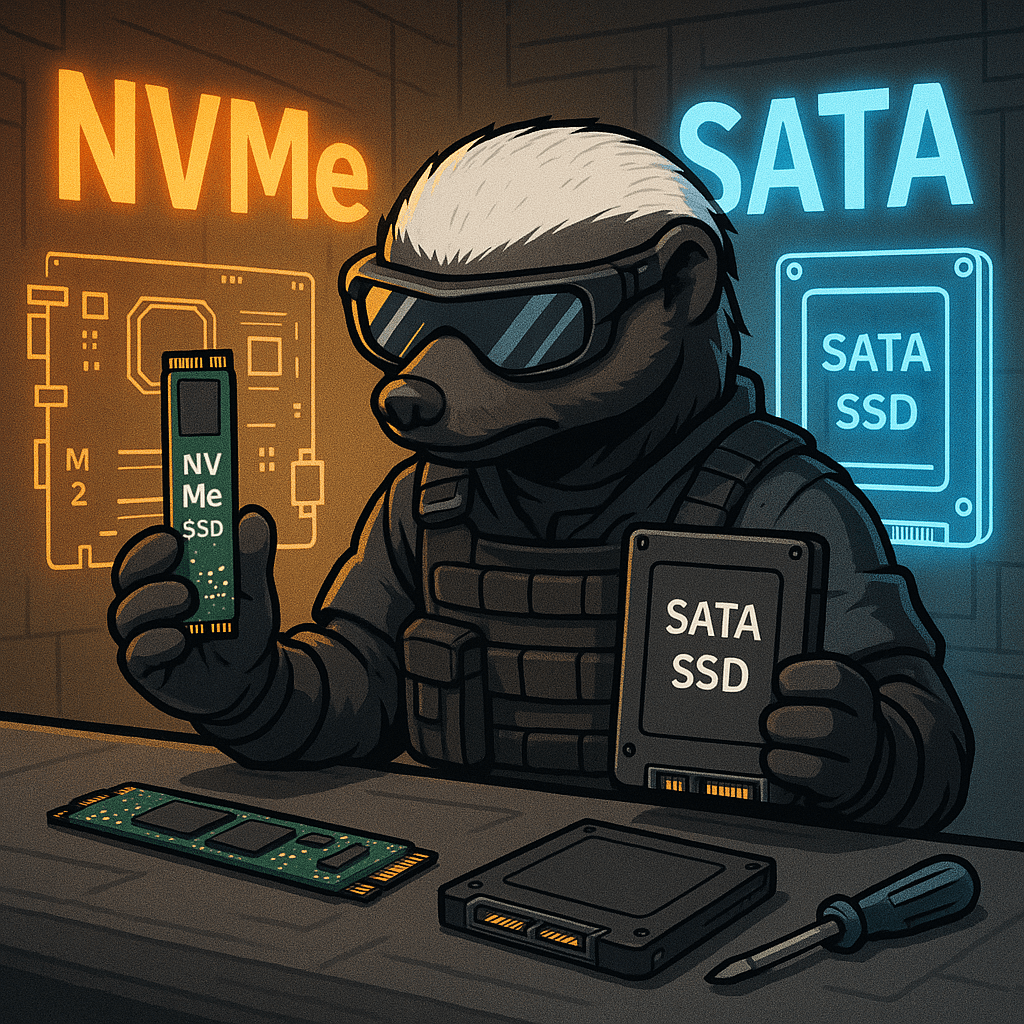
In modern computing, Solid State Drives (SSDs) have largely replaced traditional spinning hard drives due to their superior speed and reliability. Among SSD types, two interfaces dominate: SATA SSDs and NVMe SSDs. Both offer fast performance compared to HDDs, but the underlying technology and connection methods set them apart significantly. SATA SSDs use the Serial…
-

When a Linux machine starts feeling slower than normal, it’s often a sign that system resources are strained. In this case, the user decided to troubleshoot by checking memory usage and cleaning up unused files. After running the free command to get a snapshot of RAM and swap usage, they used find to delete all…
-
To set up logical volume management in Linux, the first step is creating a physical volume (PV). A physical volume is typically a disk partition (like /dev/sdb1) that is initialized for use by the Logical Volume Manager. This is done using the pvcreate command, which prepares the partition to be added into a volume group.…
-
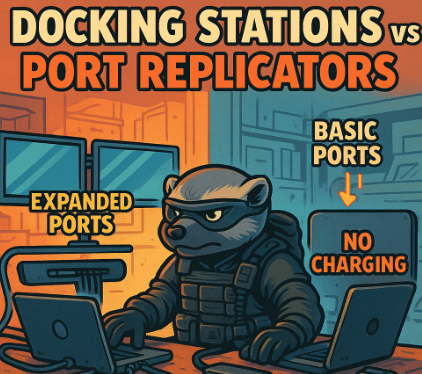
What Is a Docking Station? A docking station is a physical expansion unit that connects to a laptop and transforms it into a full desktop workstation. It adds additional ports such as USB, Ethernet, HDMI, DisplayPort, audio jacks, and charging capabilities, often through a single USB-C or proprietary connector. Docking stations typically: Support multiple monitors…
-
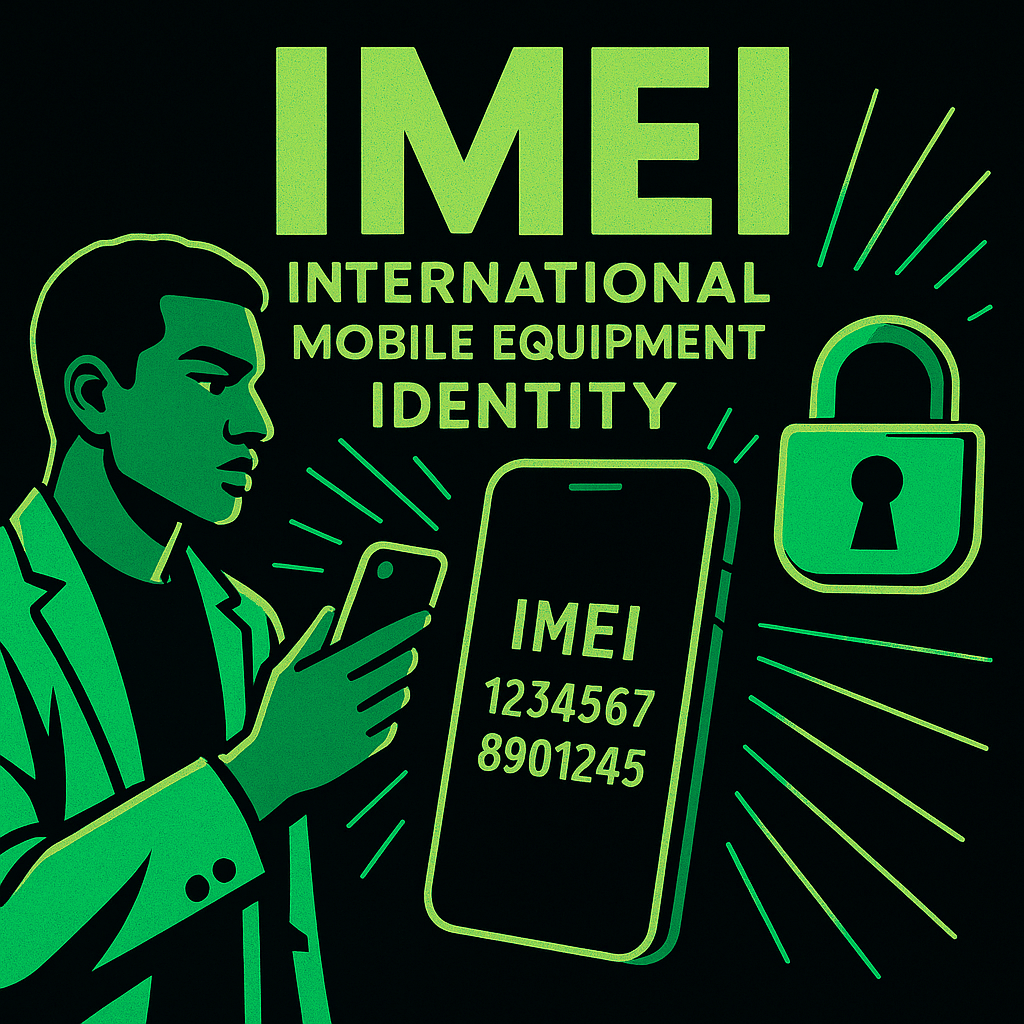
The IMEI (International Mobile Equipment Identity) is a unique 15-digit number assigned to every mobile device that connects to a cellular network. Unlike a SIM card, which identifies the user, the IMEI identifies the device itself. It is used by carriers to track stolen devices, block lost phones from network access, and enforce blacklists. IMEI…

