Tech Docs
-

Every desktop computer relies on a Power Supply Unit (PSU) to convert wall electricity into usable voltage levels that safely power internal components. The PSU takes in AC (Alternating Current) and outputs DC (Direct Current) in multiple voltages—typically +12V, +5V, and +3.3V—distributed to the motherboard, CPU, storage devices, and GPU. Without proper power regulation, even…
-

The snmpwalk command is used to perform a series of network management requests to a specific device using an IP address(example: 10.31.10.101),starting from the OID 1.3.6.1.2.1.2.2.1, using SNMPv3. Reference record for OID: Website to interpret OID Adresses snmpwalk -v3 -l authPriv -u l1monitor -a MD5 -A GEe9bb8h -x DES -X 4ixay7su 10.36.10.108 1.3.6.1.2.1.2.2.1snmpwalk: This is…
-
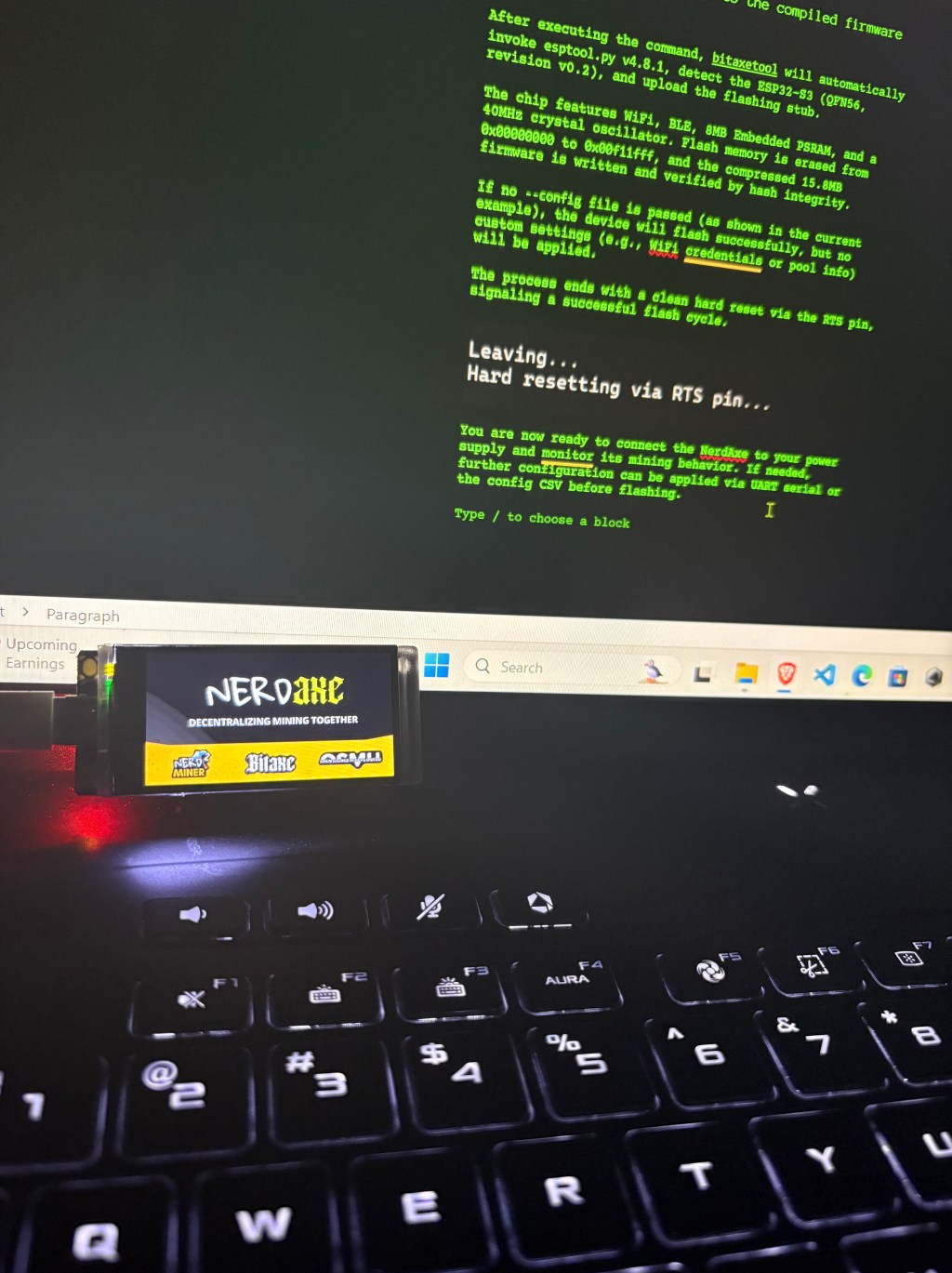
Esptool.py is a Python-based utility created by Espressif for flashing firmware onto ESP8266 and ESP32 chips. It operates cross-platform—working on Windows, Linux, and macOS—and is executed from the command line using Python. Although its name ends in .py, users interact with it using simple terminal commands, not actual Python code. The command-line arguments passed to…
-

ERCOT (The Electric Reliability Council of Texas) is the independent system operator that manages the flow of power for about 90 percent of Texas, serving more than 27 million customers and coordinating more than 54,100 miles of transmission and roughly 1,250 generation units; it oversees real time dispatch and market settlement for the state’s competitive…
-
The taskkill command is a powerful Windows OS CLI tool that allows users to forcefully terminate running processes directly from the terminal. Unlike the Task Manager’s graphical interface, taskkill gives users precise control over which processes to end, either by using the process name (also called the image name) or its unique process ID (PID).…
-
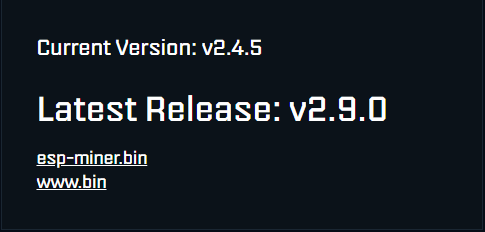
For the past month or so there were several bitaxe devices at my micro data center that indicated they were in a state of overheating. You will see a tab on your dashboard that says “Bitaxe has overheated – See settings.” It is likely that your machine needs a firmware update. While I did create…
-
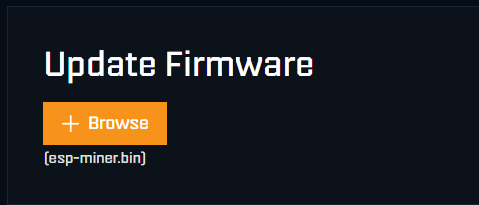
If your SupraHex unit is not appearing on your mining pool dashboard, it’s likely due to outdated or incompatible firmware. To resolve this issue: Check for the latest firmware release by clicking the Check in the settings section of your miners graphical user interface (GUI). After the Download of the “esp-miner.bin” and “www.bin” files upload…
-
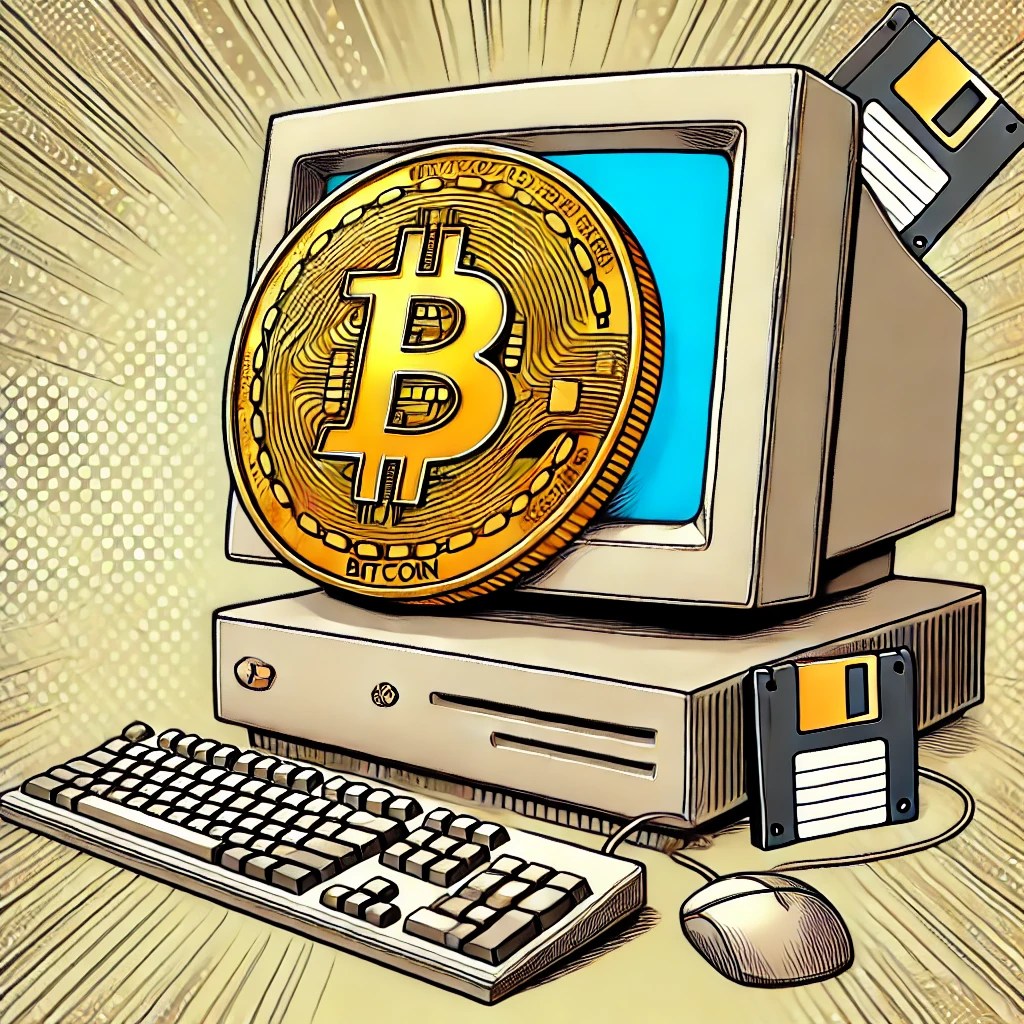
Economist Peter Schiff has publicly criticized Michael Saylor’s characterization of Bitcoin as “digital energy.” Schiff questioned the practicality of using Bitcoin to generate power, contrasting it with crude oil’s essential role in preventing mass starvation. Michael Saylor, Executive Chairman of MicroStrategy, has previously described Bitcoin as “digital energy,” suggesting that it conserves energy in cyberspace…
-
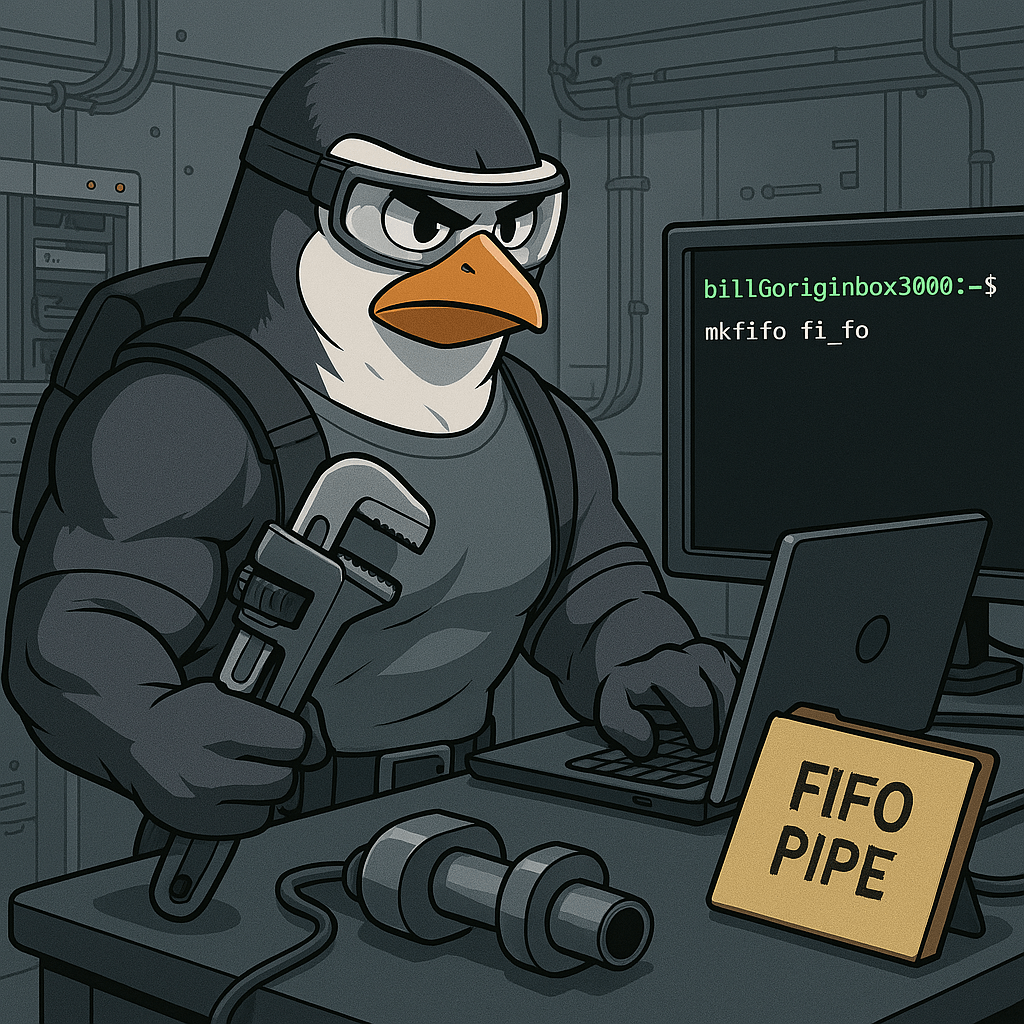
The mkfifo command in Linux is used to create named pipes, also known as FIFOs (First In, First Out). Unlike regular files, a FIFO behaves like a pipe that allows data to flow between processes. You can think of it as a communication tunnel where one process writes data and another reads it. For example,…
-

The locate command in Linux is used to quickly search for files by name across the entire filesystem. Unlike the find command, which actively searches through directories in real-time, locate uses a prebuilt index from a database (usually updated with the updatedb command). This makes it incredibly fast and efficient. For example, typing locate passwd…
-

The /media directory is used in Linux to automatically mount removable storage devices such as USB drives, DVDs, and external hard drives. When you insert a USB or plug in a storage device, most Linux distributions will automatically create a subdirectory inside /media and mount the device there. This helps users access external drives easily…
-
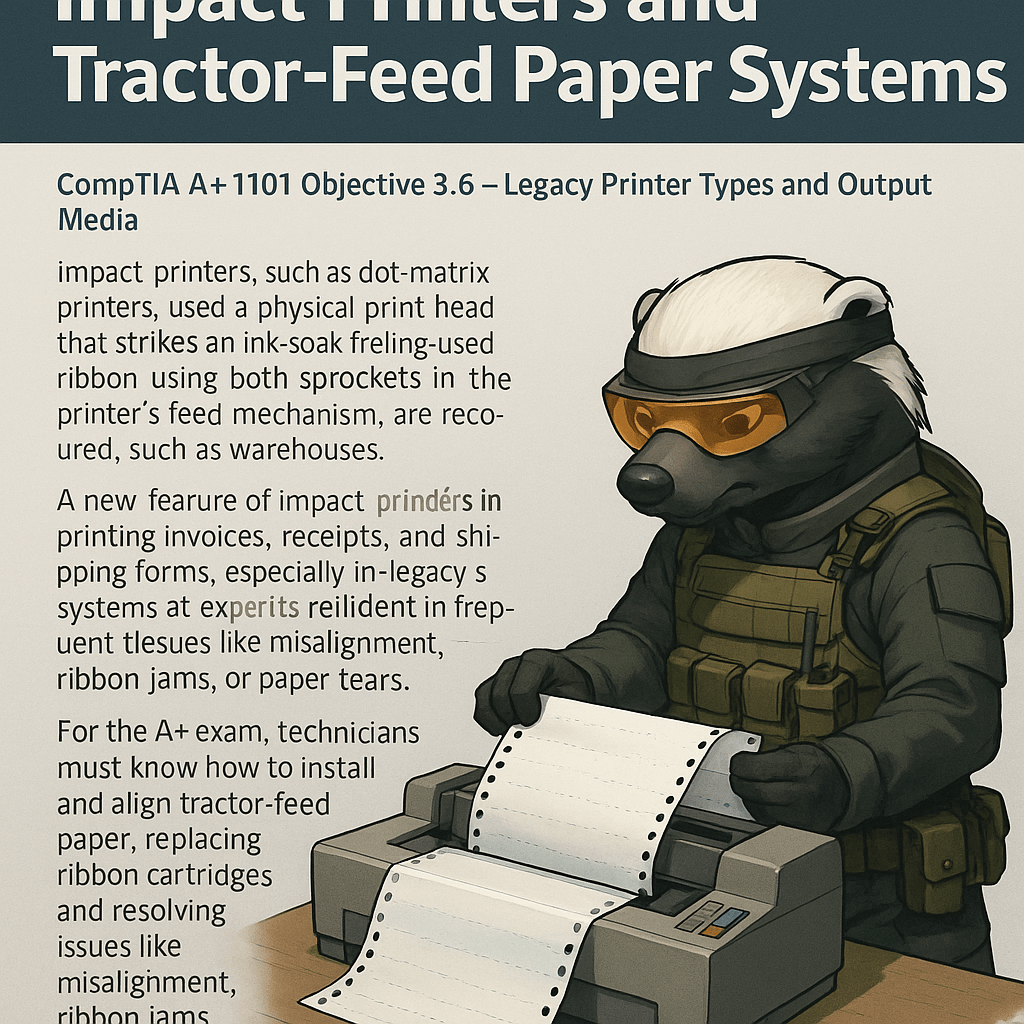
Impact printers, such as dot matrix printers, use a physical print head that strikes an ink-soaked ribbon against the paper—similar to a typewriter. These devices are primarily used in environments where multi-part forms, carbon copies, or durability in dusty conditions are required, such as warehouses, industrial settings, and point-of-sale systems. A key feature of impact…

