
A VPN, or virtual private network, creates a protected network connection across another network—usually the public internet. The simple idea is that your device sends traffic through an encrypted tunnel to a VPN server or private network before that traffic continues to its destination.
BitcoinVersus.Tech has touched VPNs inside broader networking coverage before, including the 2025 guide to common network configuration concepts and the older Brazil VPN story. This evergreen focuses on the basic technology itself.
A VPN Creates a Tunnel
The National Institute of Standards and Technology describes a VPN as a virtual network built on top of existing physical networks that can provide a secure communications mechanism. NIST’s Guide to IPsec VPNs focuses on IPsec, one of the major technologies used to protect traffic across IP networks.
Without a VPN, your device normally sends traffic toward your router, internet service provider, and then the wider internet. With a VPN, selected traffic is first encrypted and sent to a VPN endpoint. From there, it can enter a private corporate network or continue outward to public internet services.
That routing behavior connects directly to concepts such as NAT tables, network ports, and the routers that move packets between networks.
Why People Use VPNs
Businesses commonly use VPNs to give employees remote access to internal networks, servers, dashboards, file systems, and other resources that are not meant to sit openly on the internet. Consumer VPN services use the same broad tunnel idea but usually route a user’s internet traffic through the provider’s remote server.
Cloudflare’s VPN overview notes several common uses, including remote access, improving privacy on untrusted networks, and routing traffic through a remote network location.
A VPN can also change the public IP address that websites see. Instead of seeing the address assigned directly to your home, office, hotel, or mobile connection, a site will usually see the public address of the VPN exit server handling that connection.
VPN Software Is the Client
The software on your computer or phone is usually called the VPN client. It authenticates you, negotiates the secure connection, creates the tunnel interface, and routes traffic according to the VPN’s configuration.
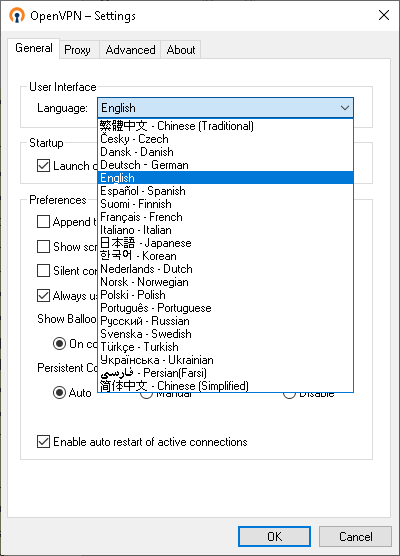
VPN technologies are not all the same. IPsec and IKE are common in enterprise networks. OpenVPN is a long-running open-source option. WireGuard is a newer design that uses a simpler interface and modern cryptography; the project’s official documentation describes it as a general-purpose encrypted VPN tunnel that securely encapsulates IP packets over UDP.
Full Tunnel vs. Split Tunnel
In a full-tunnel VPN, most or all network traffic is sent through the VPN connection. In a split-tunnel configuration, only selected traffic uses the VPN while other traffic continues directly through the normal internet connection.
Split tunneling can reduce unnecessary traffic and latency, but it also means some connections bypass the VPN entirely. That becomes important when troubleshooting issues involving routing, MTU, DNS, or applications that behave differently on and off the private network.
What a VPN Does Not Do
A VPN is not invisibility software. It does not automatically stop phishing, malware, weak passwords, browser tracking, account compromise, or a malicious application already running on your device. It also does not replace firewalls, endpoint security, software updates, or HTTPS.
It also moves part of the trust relationship. Your local network or ISP may see less of the traffic carried inside the encrypted tunnel, but the VPN operator becomes an important party in the path. That is why the provider’s security architecture, policies, logging practices, and technical implementation matter.
VPNs are now ordinary software on phones as well as computers. For example, Proton VPN highlighted its 2026 iOS shortcuts and automated connection controls, showing how VPN connectivity has moved from a specialist networking tool into everyday mobile workflows.
The Simple Definition
A VPN is a secure network tunnel across another network. It lets a device reach a private network or route traffic through a remote VPN server while protecting the connection between the device and that VPN endpoint.
The useful question is not simply, “Am I using a VPN?” It is: Where does this tunnel begin, where does it end, and which traffic is actually going through it?


Leave a Reply