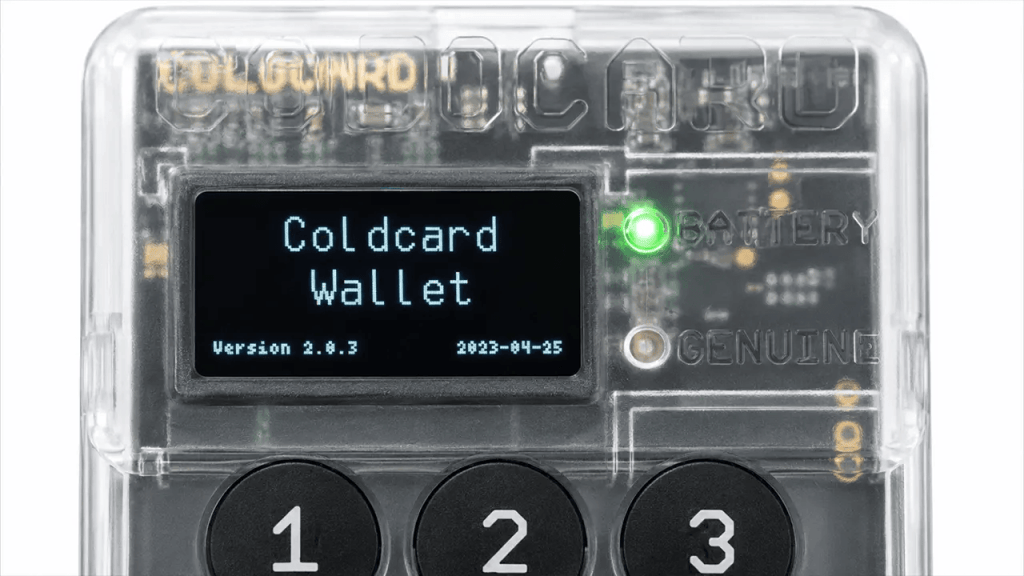
COLDCARD says a phishing post appeared on its official X account on October 11, 2026, and warned users not to visit or interact with the link. The Bitcoin hardware-wallet maker deleted the message and says its own review found no matching login, session, or access record explaining how the post was published.
In an official X statement, COLDCARD asked X support to preserve relevant logs and investigate. The company said its credentials and offline two-factor authentication remained secure based on the information it had reviewed so far. That does not establish how the post appeared, and COLDCARD’s suggestion that platform-level access could be involved remains unconfirmed.
COLDCARD asked X to investigate after saying it could not find a corresponding login, session, or access record for the phishing post.
The Fake Post Used a Real Security Concern
The deleted message reportedly presented itself as an urgent firmware warning and directed users toward a fake COLDCARD website. That made the phishing attempt more convincing because COLDCARD has dealt with a genuine seed-generation security problem this year. BitcoinVersus previously covered the Coldcard wallet losses and the distinction between a wallet flaw and Bitcoin network security.
The important distinction today is that COLDCARD has not announced a new firmware vulnerability tied to the phishing post. Its current security-status page still lists standard firmware 5.6.3 for Mk4/Mk5 and 1.5.3Q for Q, while reminding users that upgrading firmware does not repair an older seed that was created on affected firmware.
Never Enter a Seed Phrase Into a Website
The simplest defense against this kind of attack is also the most important: a Bitcoin seed phrase, passphrase, private key, or recovery secret should never be entered into a website because a social-media post says an emergency migration is required.
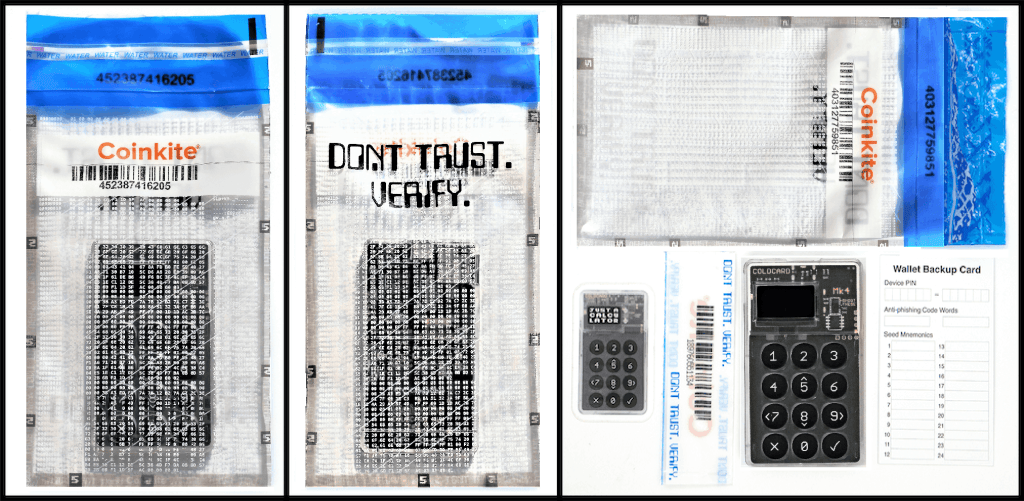
Coinkite’s official tutorial shows how COLDCARD firmware verification is performed without trusting a random link or third-party download.
This is the same trust problem BitcoinVersus examined when a Trezor phishing email came from a legitimate company domain. A familiar sender, verified account, or authentic-looking website can make malicious instructions appear credible. Users still need to verify the destination and the action being requested.
Hardware Wallets Do Not Remove Social Engineering
A hardware wallet isolates signing keys from an everyday computer, but it cannot decide whether a user is following fraudulent instructions. An attacker does not always need to break the secure element if the victim can be persuaded to reveal recovery material or sign the wrong transaction.
That is why the boundary between self-custody and operational security matters. BitcoinVersus recently looked at the same issue through a low-cost open-source hardware wallet: owning the keys gives the user control, but also makes verification, backups, and phishing resistance part of the security model.
What Is Known Right Now
- A phishing post appeared on COLDCARD’s official X account and was deleted.
- COLDCARD warned users not to visit or interact with the link.
- The company says it found no matching login, session, or access record in its review.
- COLDCARD has asked X to investigate.
- No new COLDCARD firmware vulnerability has been confirmed as part of this incident.
- No financial losses have been publicly verified as resulting specifically from the October 11 phishing post.
The cause of the account incident remains unresolved. Until COLDCARD or X publishes evidence explaining how the post was created, claims about a platform-level compromise should be treated as a hypothesis rather than a confirmed explanation.
BitcoinVersus.Tech
Editor’s Note: This report separates COLDCARD’s confirmed statements from unverified explanations about how the phishing message appeared. Do not follow wallet-migration instructions from social media without independently verifying them through official documentation.
We volunteer daily to improve the credibility of the information on this platform. If you would like to support the research, please donate here: 3C9o19EH5HSiwEPyCTmEKzxhNCbo2X6TTb
BitcoinVersus.tech is not a financial advisor. This media platform reports on technical and financial subjects purely for informational purposes.


Leave a Reply