
Astera Labs introduced Orion on October 12, 2026, a modular AI rack reference architecture designed to let operators choose their own GPUs and CPUs instead of locking an entire rack to one compute platform.
In its official announcement, Astera says Orion uses a high-radix 320-lane PCIe fabric that can scale from 8 to 160 accelerators per pod. Six validated reference designs cover the rack, compute tray, fabric tray, memory tray, link board and compute board.
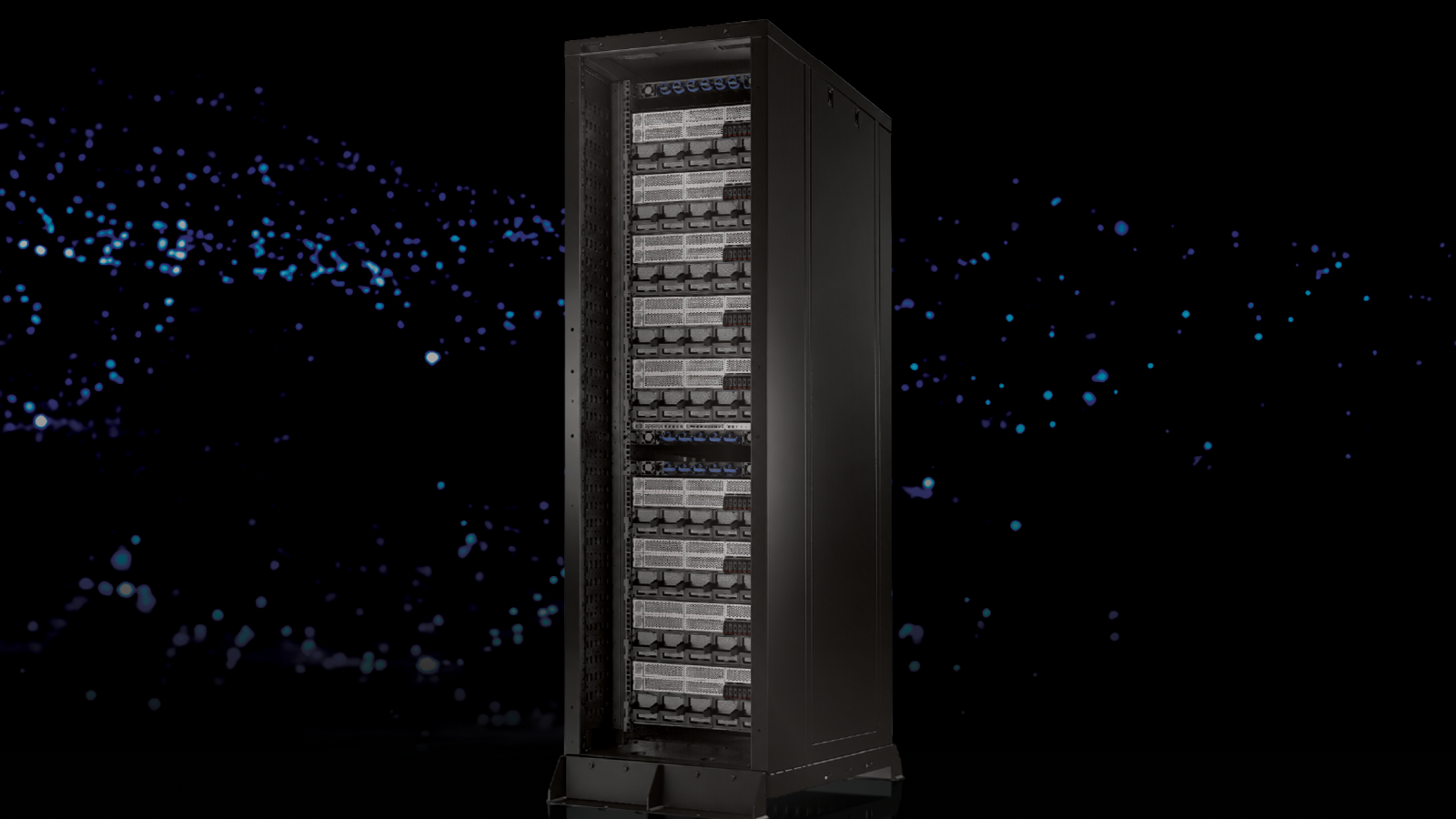
Astera says Orion is aimed primarily at inference providers trying to optimize tokens per dollar while keeping accelerator choice flexible. The company is not manufacturing the racks itself; OEM and ODM partners are expected to sell Orion-based systems beginning in Q1 2027. A powered rack is being shown at the 2026 OCP Global Summit in San Jose.
The architecture connects directly with trends BitcoinVersus.Tech has already covered: Astera’s fabric-attached memory, Intel’s inference-focused GPU D-Series, and Cisco’s denser AI-rack networking.
Astera has also highlighted the memory side of this architecture in a technical X update about CXL over PCIe 6 and agentic-AI memory pressure.
Orion’s claimed token-efficiency benefits are vendor claims, not independent benchmarks. The important near-term development is architectural: Astera is packaging compute, switching, memory and management into a rack design meant to remain flexible as accelerators change.
BitcoinVersus.tech is not a financial advisor. This media platform reports on financial and technology subjects purely for informational purposes.
BitcoinVersus.Tech Editor’s Note:
We volunteer daily to ensure the credibility of the information on this platform is Verifiably True. If you would like to support to help further secure the integrity of our research initiatives, please donate using the QR code provided



Leave a Reply