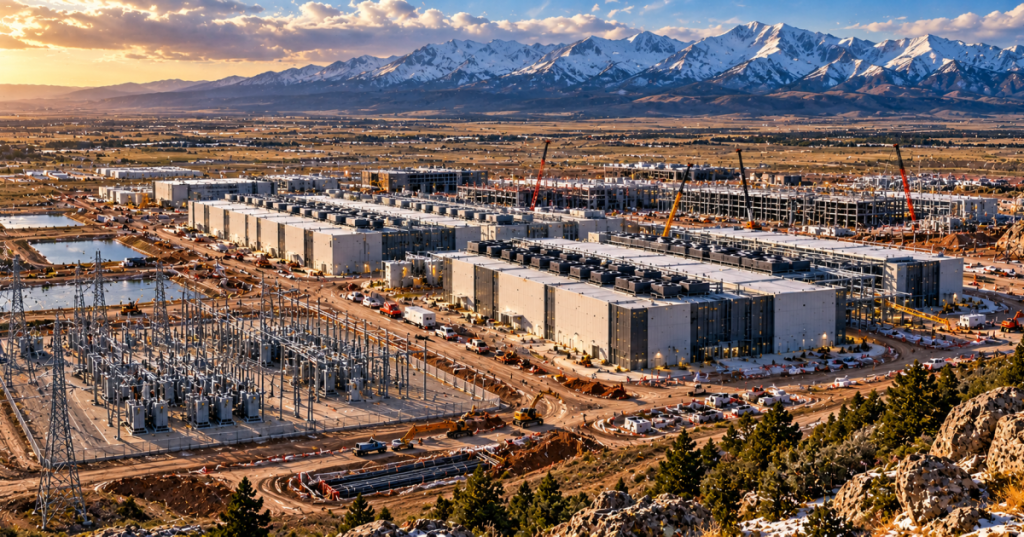
Colorado’s biggest announced data-center projects are increasingly measured in hundreds of megawatts—but none of the state’s three largest proposals has that full power online. For the sixth entry in BitcoinVersus.Tech’s state-by-state Top 3 series, we examine the developer, electrical requirements, land use, feasibility status and community response behind three major projects as of October 27, 2026. The previous installment covered California’s leading developments.
Ranking method: These are the largest identifiable active proposed projects with independently disclosed headline scale and credible supporting evidence, ranked by publicly reported capacity: Cielo Hudson at 750 MW of potential site power; Vantage Trident at about 500 MW total facility demand (of which 334 MW is planned IT load); and Westbridge Fontus at 380+ MW of planned data-center capacity. Because the disclosures use different engineering definitions, this is an indicative development ranking, not a rigorously comparable IT-load leaderboard.
3. Westbridge Fontus — 380+ MW proposed data-center capacity
Westbridge Renewable Energy announced Fontus in July 2025 as a 380+ MW Colorado campus, near major population centers and a carrier-neutral fiber hub. Westbridge says it has secured the land, completed environmental-feasibility assessments and identified available fiber. The company is still pursuing electrical grid and natural-gas interconnections. Its current Fontus project page does not establish a construction start date or fully energized server capacity.
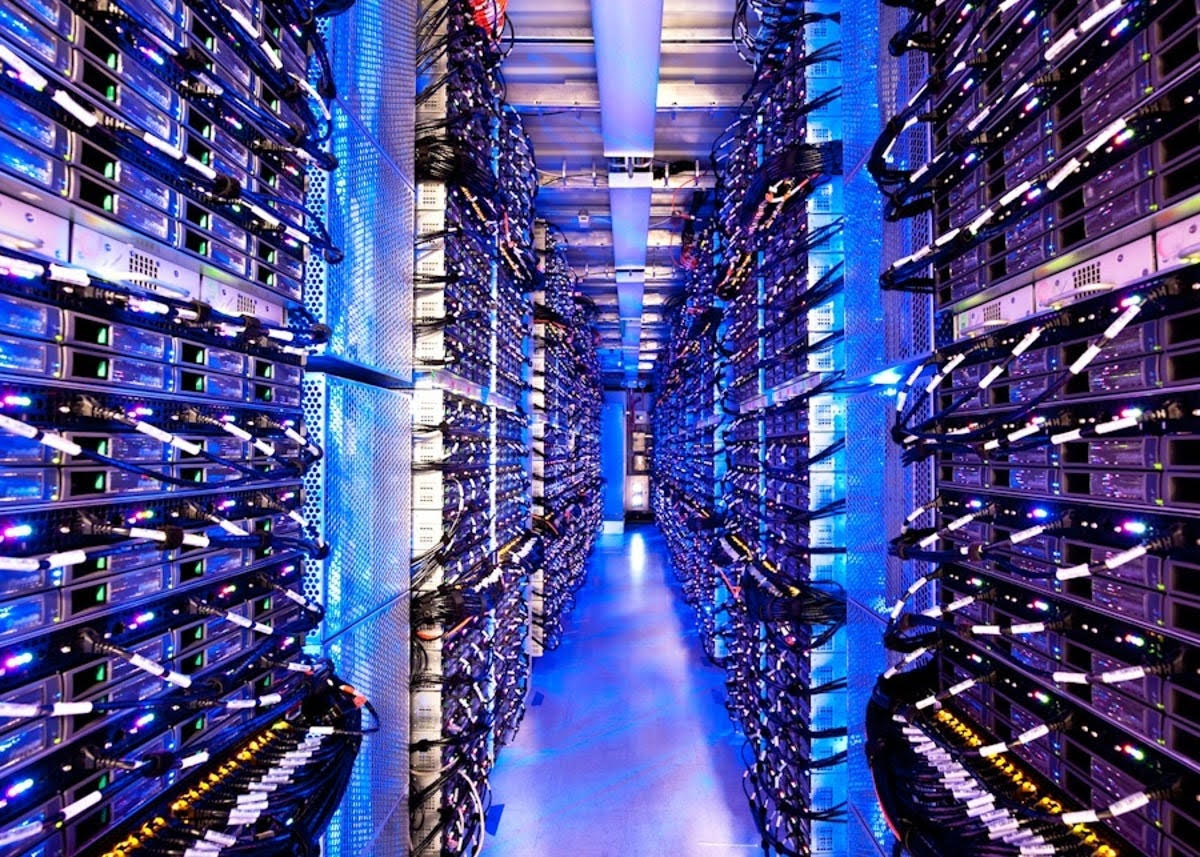
Fontus is closer to an early-stage, power-ready site than a commissioned hyperscale facility. Its exact Colorado address is not publicly established in the documents reviewed, and neither an anchor tenant nor completed utility interconnection is confirmed. An October 2025 issuer-sponsored research report also describes at least 380 MW of expected demand and outlines the need for utility and gas connections. Any final buildout could differ materially from that preliminary estimate.
2. Vantage Trident — approximately 500 MW total demand, 334 MW IT load
Vantage Data Centers is advancing a contested two-building campus near East 48th Avenue and E-470 in Aurora, next to the Green Valley Ranch area. In a written statement to Capital & Main, Vantage vice president Mark Freeman described 334 MW of computing capacity and approximately 500 MW total electrical demand when computing plus cooling and other facility overhead are counted. The proposal encompasses about 143 acres and more than 860,000 square feet in two two-story buildings; it is not operating at those loads.
The video provides direct local reporting about the Aurora regulatory fight, not footage proving Trident is built. The project’s location has drawn objections over diesel-generator emissions, sound, proximity to homes, water use and the lack of an automatic public hearing for certain industrial-zoned proposals. Colorado Public Radio reported October 27 that Aurora council again failed to advance a proposed moratorium after a 6–5 procedural vote that required seven votes to reconsider. Existing applications, including Trident, were not subject to the proposed pause.
Meanwhile, Denver7 reported Vantage’s request for 90 days to evaluate alternative sites farther from residences. A spokesperson subsequently clarified that the company continues pursuing the current site and has made no decision to relocate. The eventual location, required approvals, backup-generation design and schedule remain unresolved. The 334 MW figure is the relevant one for comparing future IT capacity; 500 MW describes broader facility demand, not just servers.
1. Cielo Hudson — 750 MW proposed power capacity
The largest reported Colorado proposal is Cielo Digital Infrastructure’s Hudson campus in Weld County. Rocky Mountain PBS reported in July that the project could cover approximately 500 acres and require 750 MW of power capacity. An Axios September analysis independently listed Hudson as Colorado’s largest planned data-center development. It is still proposed, and a firm construction commencement, fully signed IT-load commitment and energization date are not established in the reviewed sources.
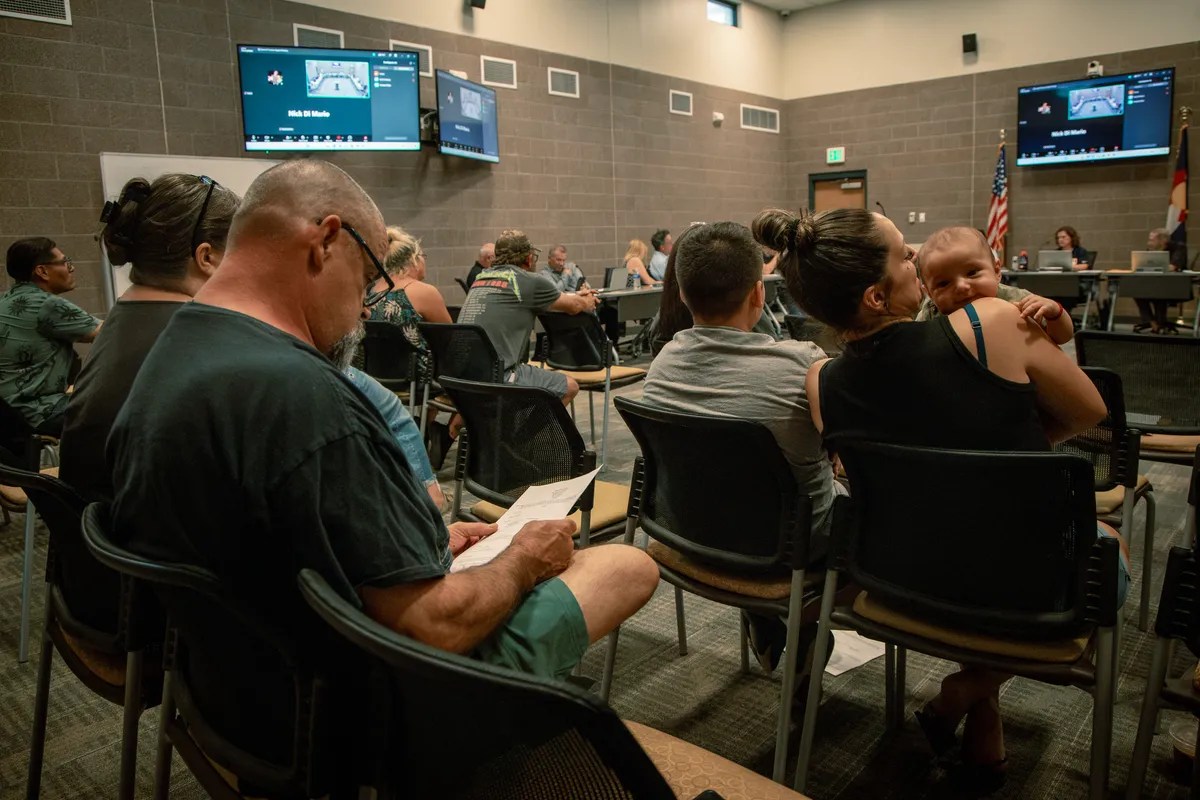
Hudson’s scale helped fuel debate in nearby Lochbuie, where the town board voted 6–1 for a five-year moratorium on new or expanded local data-center applications. That moratorium applies inside Lochbuie, not automatically to Hudson; it should not be misreported as a cancellation of Cielo’s project. Data-center registries including SignalData list Hudson at 750 MW, while the underlying public descriptions do not consistently identify the figure as critical server load rather than overall campus power. A planning figure is not evidence of an energized substation or operational facility.
Colorado’s actual development bottleneck
Three huge headline numbers do not create instant capacity. The projects must resolve grid interconnection, generation or gas supply, transformer and switchgear procurement, cooling, permitting, fiber routes, utility contracts and equipment installation. A 500 MW total facility requirement can support substantially less IT load when cooling and other overhead are included; Trident’s published 500 MW versus 334 MW comparison illustrates why engineering definitions matter.
Another proposed development near Sterling, associated with Granite Renewables, has been discussed at up to 2 GW. However, county-record reporting characterizes it as an inquiry without an identified formal application or developer-confirmed final capacity. It is therefore not ranked above more clearly documented projects. Other substantial Colorado campuses include the QTS Aurora expansion and Colorado Springs’ Project Taurus, but their publicly reported site capacities are smaller than the selected headline figures.
The policy debate is also changing rapidly. The October 26 Aurora proceeding involved a rejected reconsideration of a moratorium, not a final denial of Trident. City council members are considering tighter setbacks and cooling restrictions. Independent readers should distinguish the developer’s plans from signed power-service agreements and regulatory approvals. For broader U.S. scale, compare our Top 7 American AI data-center megaprojects.
Editor’s Note: BitcoinVersus.Tech ranks announced projects using traceable sources and clearly labels projected capacity, operating power and illustrative media. This article includes an authentic 9NEWS YouTube report and two properly attributed external images. To support independent reporting, donate 5,000 sats by scanning the QR code below.

Scan the QR code with a Bitcoin wallet while viewing the story on another device.


Leave a Reply