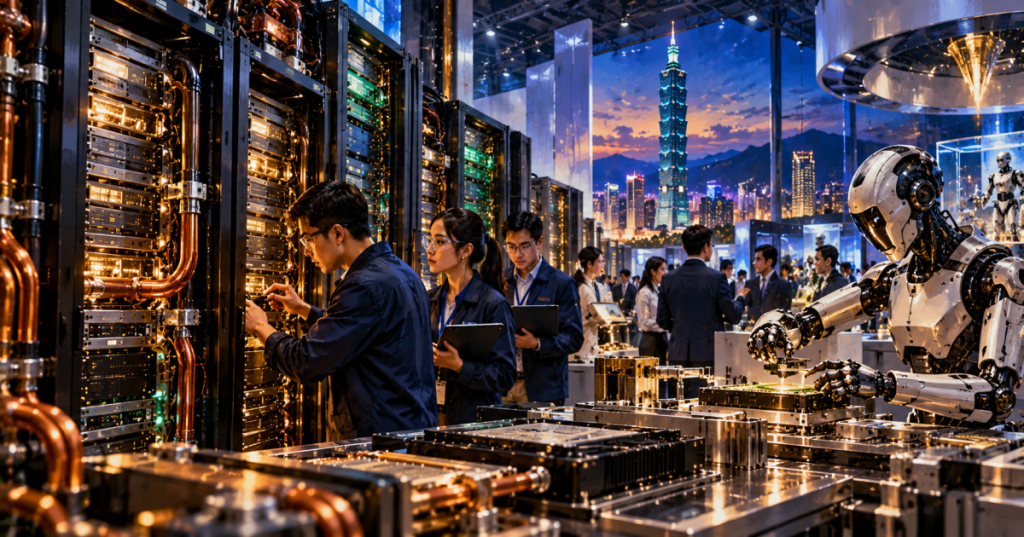
Foxconn opened its seventh Hon Hai Tech Day in Taipei on October 30 with 321 exhibits showing how the manufacturer intends to build complete AI computing infrastructure, from precision-engineered components to NVIDIA Vera Rubin server racks. Its showcase puts electrical power, cooling, optical networking and industrial robotics alongside the processors used to generate AI responses.
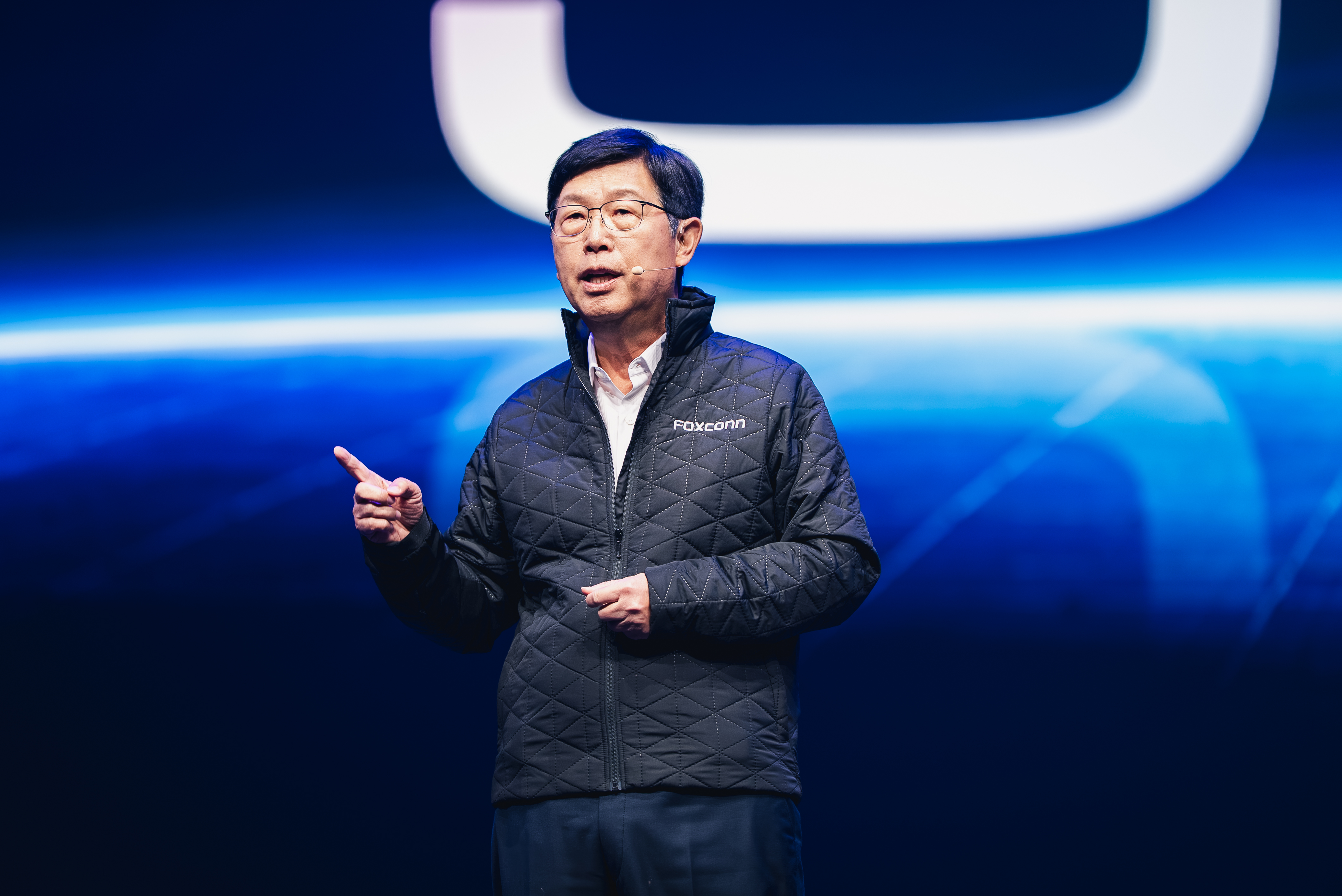
The company devoted roughly one-quarter of the exhibition to its “Token Factory” area. A 20-meter display showed components and circuit boards alongside redesigned compute trays, while a simulated data hall demonstrated how networking, cooling and 800-volt DC power distribution must work together around dense AI systems.
Why racks need more than GPUs
A central exhibit featured NVIDIA’s DSX POD, a factory-built, modular reference design for integrating Vera Rubin infrastructure before shipment. Foxconn is demonstrating the architecture, not announcing that every planned customer installation is already operating.
The manufacturing challenge goes well beyond mounting GPUs. High-density AI racks need precise connections, fast interconnects, leak-resistant cooling, distribution hardware and reliable testing. Foxconn also showed work on Vera Rubin rack integration and co-packaged optics, which moves optical connectivity closer to high-speed chips.
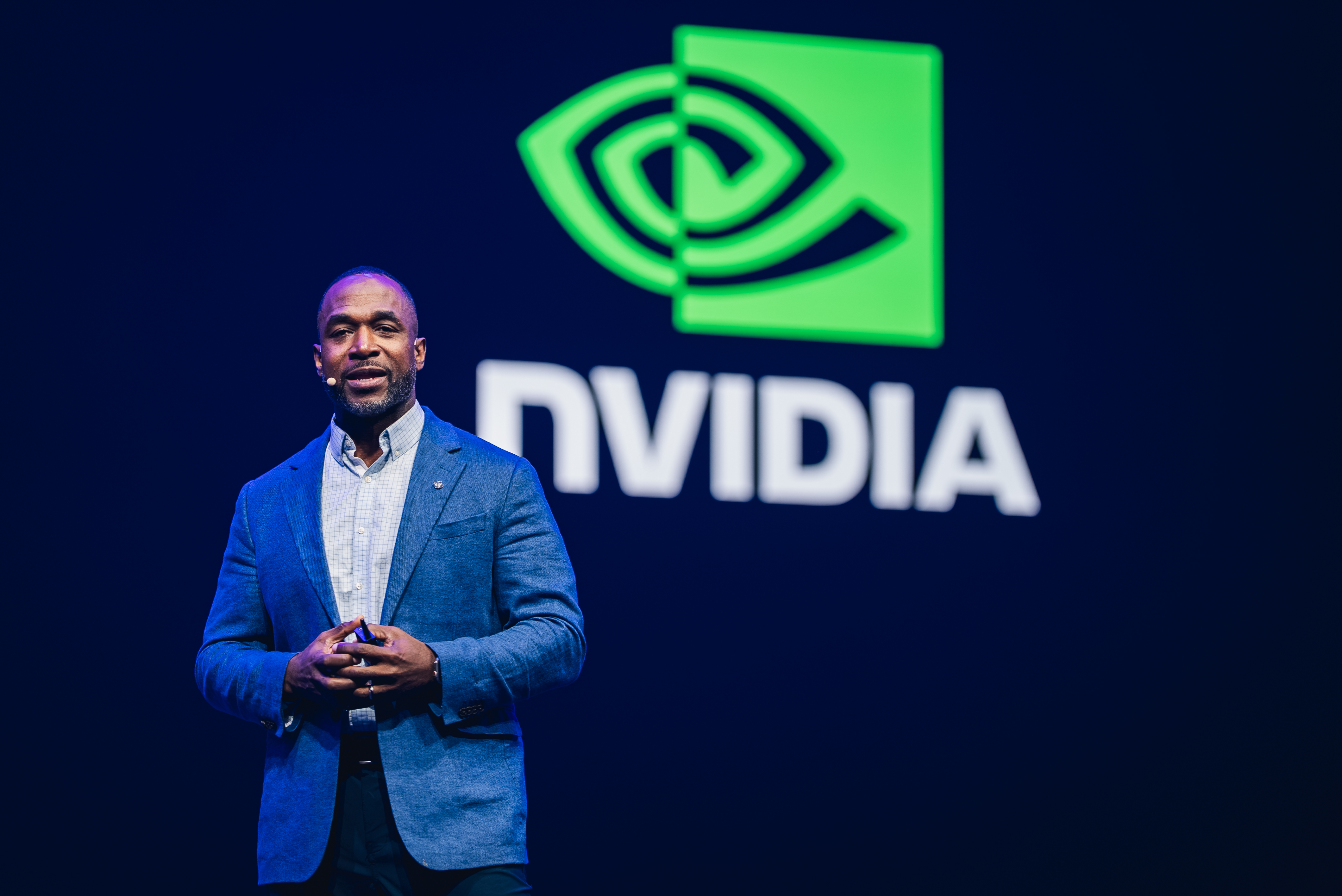
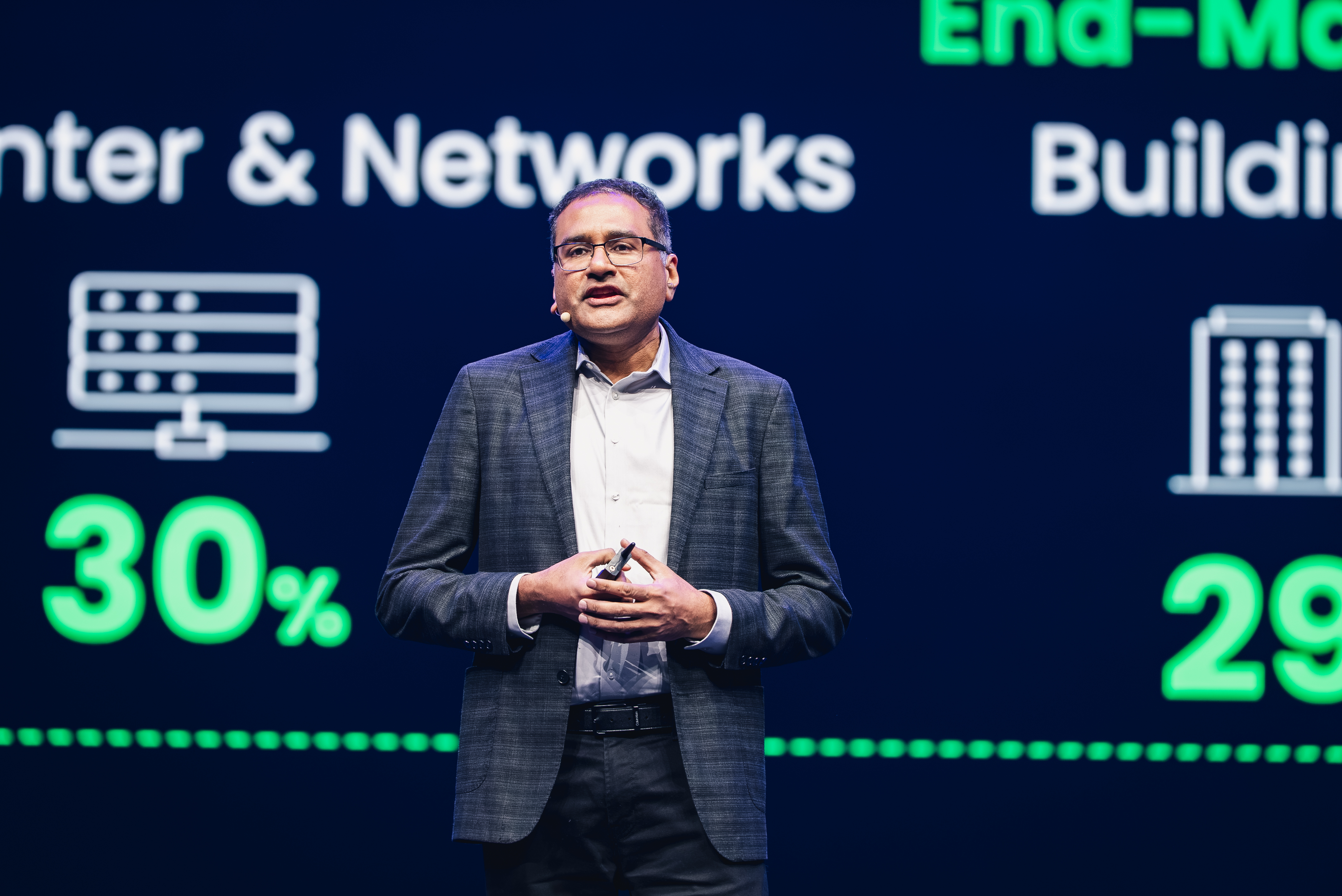
NVIDIA, Google Cloud and Schneider Electric joined the event’s presentations. NVIDIA discussed prefabricated AI-factory deployments; Foxconn’s official event summary attributes estimates of lower power use and faster deployment to the companies’ integrated approach. Those are supplier claims and design targets, not independently audited performance from a named customer site.
Robotics joins the AI infrastructure showcase
The company also assembled industrial humanoid and collaborative robotics demonstrations, including manufacturing applications. The displays highlighted the connection between producing AI hardware and deploying AI-enabled machines on factory floors.
Foxconn’s Visionbay.ai business is planning facilities using NVIDIA’s DSX MaxLPS design principles to manage computing throughput within fixed power limits. That remains a design approach rather than proof of completed efficiency gains.
The two-day event continues October 31 at Taipei Nangang Exhibition Center. The more consequential test will come when modular AI systems reach customer sites and deliver measured deployment time, cooling performance and usable compute per watt.
BitcoinVersus.Tech Editor’s Note:
We volunteer daily to ensure the credibility of the information on this platform is Verifiably True.
If you would like to support to help further secure the integrity of our research initiatives, please scan the QR code to donate (For the best results, scan the QR code on a Laptop or larger screen).



Leave a Reply