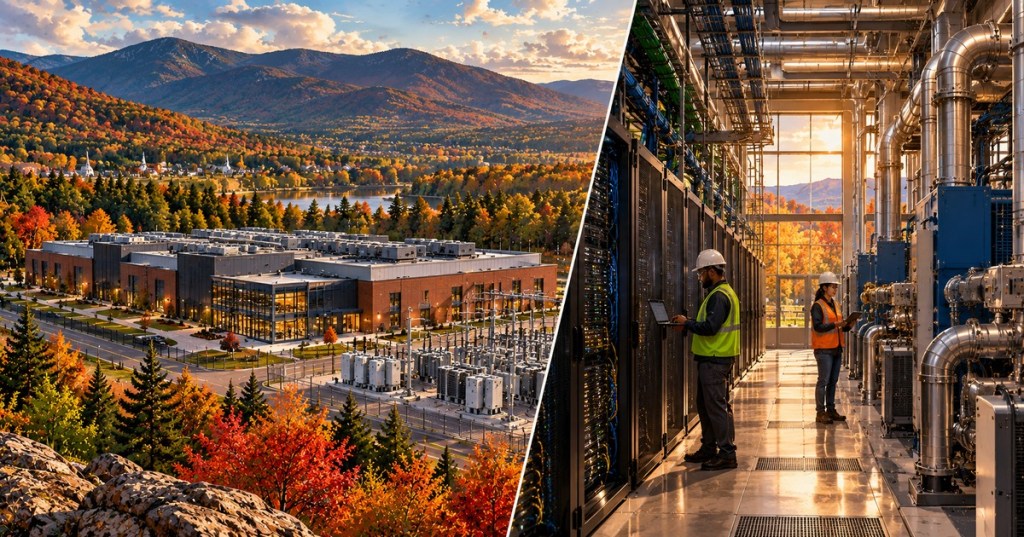
Vermont has no verified gigawatt-scale AI data center campus comparable with the major developments announced in Texas or Utah. Its established market consists chiefly of smaller colocation facilities, fiber-connected enterprise computing and infrastructure supporting the state’s electric grid. Two operators publish useful floor-area figures: Tech Vault lists 39,000 square feet in South Burlington and FirstLight’s Williston data center is listed at 20,000 square feet. A third important facility, VELCO’s Pinnacle Ridge data center in Rutland, is operating, but publishes no comparable space or megawatt figure.
This installment retains the series title, Top 3 Largest Data Center Projects in Vermont (2026), but there is an essential qualification: a definitive statewide ranking by electrical load is not possible from current public disclosures. These are three substantial, identifiable operating facilities, not a certified first-to-third ranking by power. The numbered presentation puts the two facilities with reported floor area at the top and includes a directly documented grid-operations site for context. An independent state facility inventory updated October 28 lists no published site-level megawatt capacity for its Vermont records. A commercial directory does report 1 MW for Tech Vault, but that vendor estimate is not an operator-confirmed current meter reading.
3. VELCO Pinnacle Ridge, Rutland — Operating Grid Data Center; Capacity Undisclosed
At 366 Pinnacle Ridge Road in Rutland, the Vermont Electric Power Company maintains a data center serving the state’s high-voltage transmission operations and communications. Unlike commercial colocation operators selling cabinets to outside customers, VELCO uses computing, monitoring and communications systems to help control grid equipment and manage the infrastructure that keeps utilities connected.
The strongest primary documentation is VELCO’s December 2019 operations-and-construction presentation. Its page 20 says the company commissioned the Pinnacle Ridge Data Center and transferred servers without a service interruption. The presentation also includes a photograph of installed server cabinets. More recent facility records continue to list the location as operating, but no public IT-power rating, gross square footage or current water demand has been established.
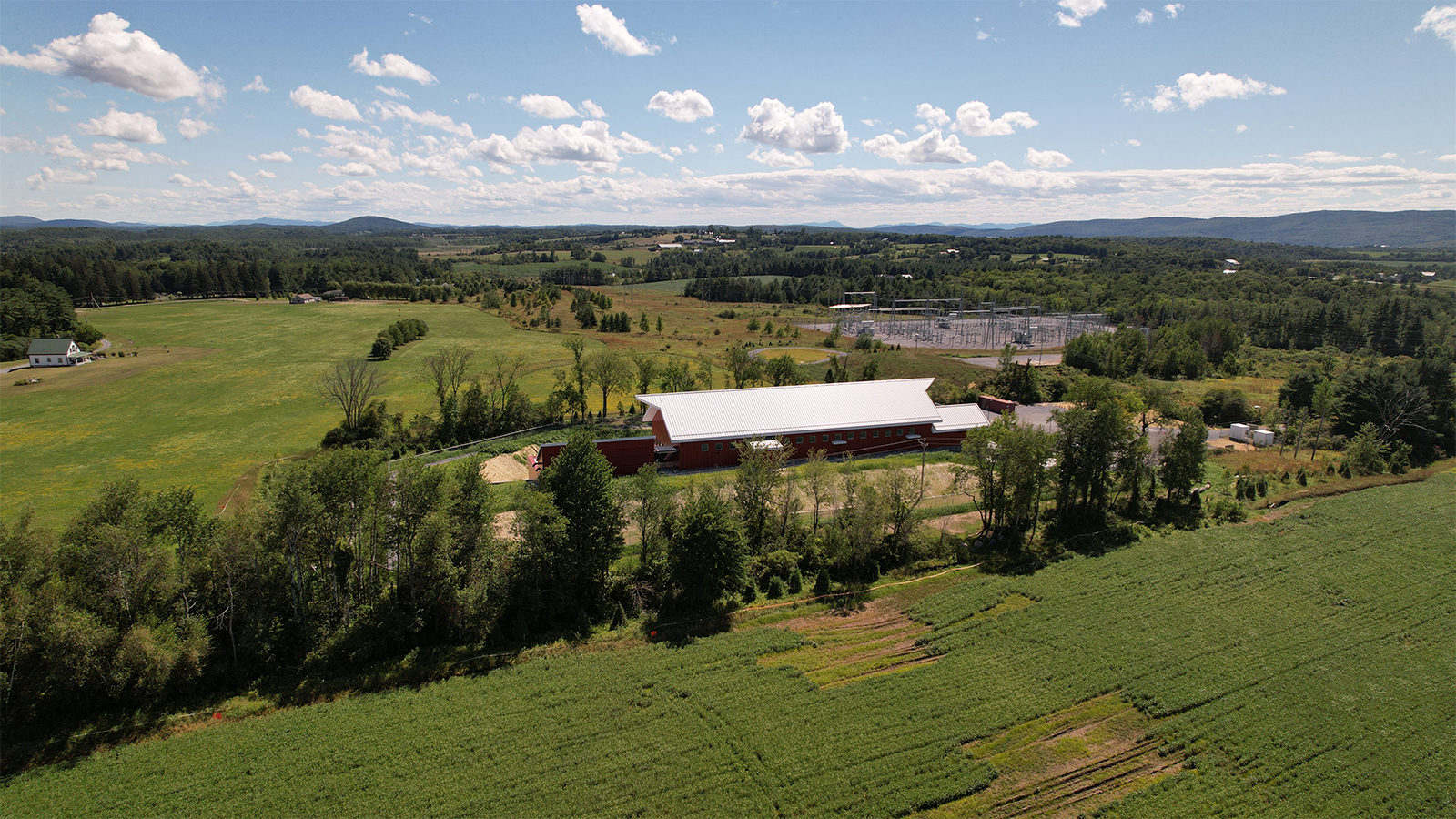
The photograph above shows VELCO’s New Haven Operations Facility, not the Rutland installation. VELCO developed it to support backup grid operations, technical training, incident command and data-center functions if its main control center could not be used. Its published design includes two electrical distribution services and two emergency generators, illustrating the operational resilience expected of mission-critical utility computing.
Pinnacle Ridge belongs in a discussion of Vermont’s established infrastructure even without a power figure. But there is no basis to claim that its server load is higher or lower than other undisclosed facilities. The relevant future disclosure would be a site-level critical IT rating or a reliable facility-space specification.
2. FirstLight Burlington/Williston — 20,000 Square Feet Listed; Operating
FirstLight offers colocation and connectivity at 45 Krupp Drive in Williston, serving customers around greater Burlington. Data Center Map describes the facility as approximately 20,000 square feet, while the operator’s commercial listing describes redundant fiber routes, dual A/B power feeds, UPS and backup generation with five days of fuel storage.
Those specifications matter more to typical enterprise customers than maximum GPU count. The site offers colocation and network access for organizations needing resilient storage, applications or disaster recovery close to their businesses. FirstLight also provides access to its wider Northeast fiber network, including routes toward Boston, New York and other markets. A building’s 20,000-square-foot total is not necessarily 20,000 square feet of active server rooms, however, and FirstLight has not published a recent comparable total MW or live IT load for this location.
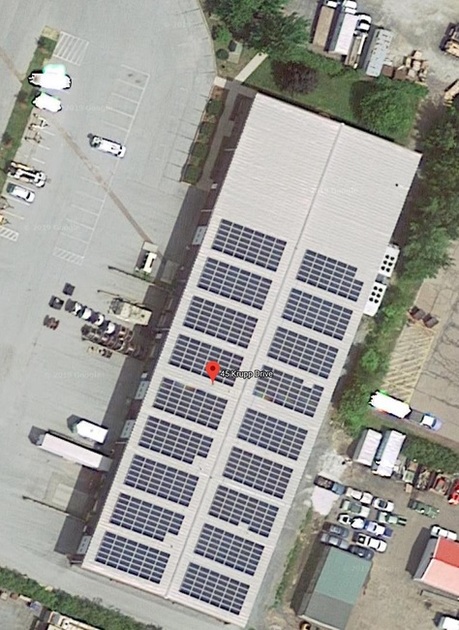
FirstLight’s own current data-center portfolio lists Burlington, Vermont among its regional locations. That confirms a commercial offering but does not turn a directory’s square-footage reference into a precisely measured IT floor or a capacity ranking. More current disclosure of usable white space, contracted power and available cabinet capacity would make the facility easier to compare with other Vermont operators.
1. Tech Vault, South Burlington — 39,000 Square Feet Published; Operating
The clearest space disclosure among the state’s identifiable commercial data centers comes from Tech Vault, which describes 39,000 square feet of data center space at 21 Gregory Drive in South Burlington. The operator says the carrier-neutral facility connects to six network providers and has independent cooling and electrical systems, multi-factor physical security, and support for colocation, managed services, backup and disaster recovery.
The commercial directory Data Center Map reports 1 MW of fully built-out power, while Tech Vault’s own public specifications provide the square footage but no directly comparable critical-power rating. That 1 MW figure should be treated as a third-party facility reference, not verified 2026 utility consumption. The page also lists a Tier 3 design, which should not be casually equated with an independent Uptime Institute Tier Certification.
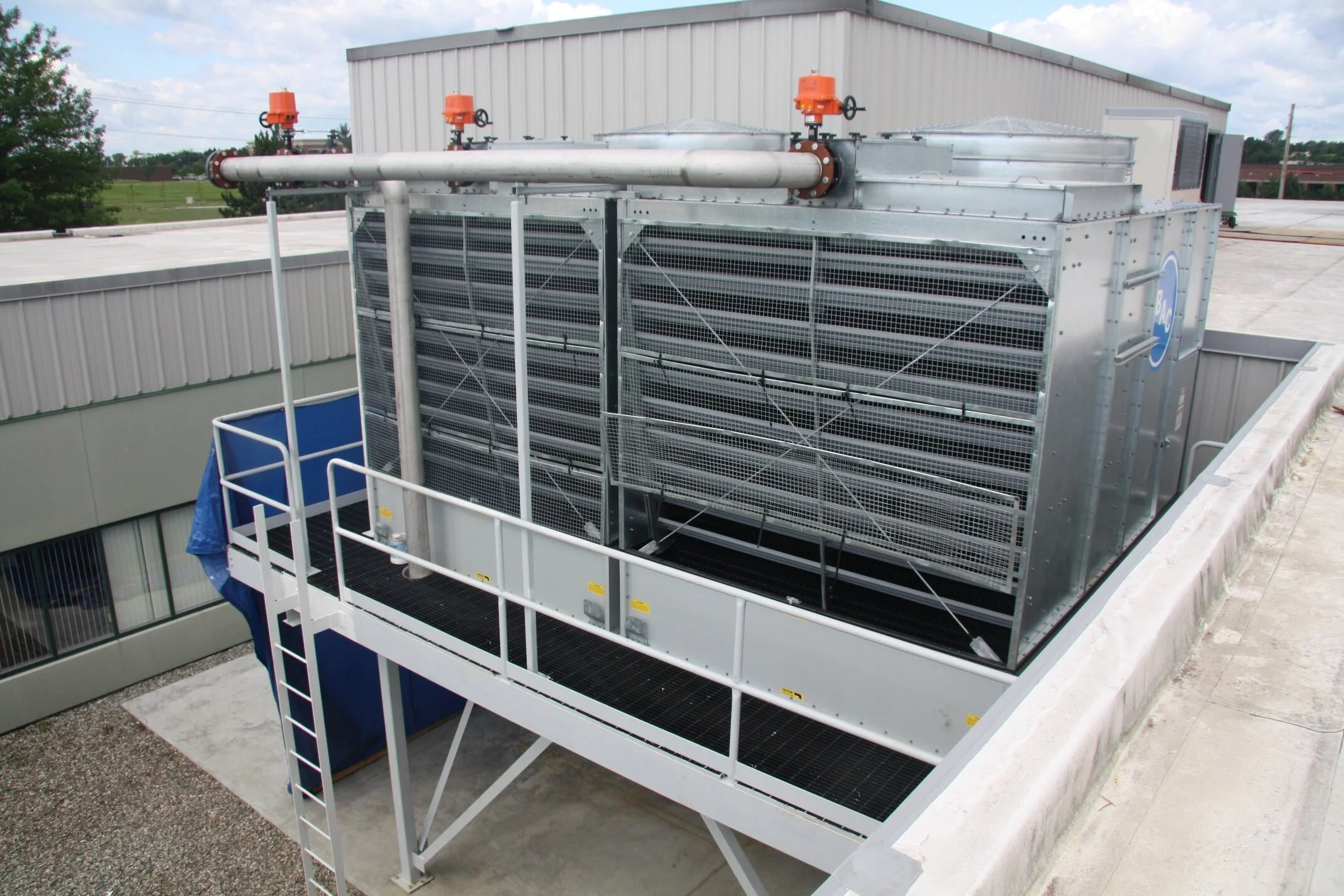
Its mechanical contractor, Mountain Air Systems, describes two 100-ton cooling towers, a water-cooled chiller plant, in-row cooling and a waterside economizer that can avoid chiller operation during colder weather. Cooling tonnage is a measure of thermal removal, not electrical power in megawatts. The contractor says the design includes N+1 cooling redundancy and capacity for expansion without taking the site offline.
Tech Vault’s documented footprint puts it above FirstLight’s published Williston figure in this specific comparison. That result should not be presented as proof that Tech Vault draws more energy than every Vermont data center, because comparable operator-confirmed electrical records do not exist for the full market.
Why the Former Vermont Yankee Nuclear Site Is Not a New Data Center Yet
A potential larger project surfaced in Vernon, where PowerTransitions was exploring redevelopment of the former Vermont Yankee nuclear power station. A data center was among the possibilities discussed in mid-2026, alongside battery storage and other uses. Subsequent September reporting summarized in a project record indicated the developer was not pursuing a data center there and was focused on batteries. There is no confirmed data center tenant, applicable MW capacity or approved server-hall construction. Any proposed 110–440 MW battery-storage figure is an electricity-storage rating, not a data center demand figure.
A separate proposal near St. Albans was withdrawn after developers assessed the cost of needed transmission upgrades, according to a February 26 Vermont Public report. These unsuccessful or noncommitted concepts should not be placed ahead of operating data centers based on electricity numbers that were never disclosed.
Vermont’s Data Center Legislation Was Vetoed, Not Enacted
Vermont legislators debated large-load regulation in 2026, but the outcome matters. H.727, the Sustainable Data Centers Act, passed the Legislature and was vetoed by Governor Phil Scott on May 28. The House sustained his veto on May 29 by an 83–52 vote, so H.727 did not become law. In the governor’s veto statement, he argued that existing environmental, land-use and utility review mechanisms were adequate. Supporters of the legislation emphasized the need to protect ratepayers and water resources before large facilities arrived.
A different proposal, S.205, would have imposed a temporary moratorium and required further study of AI facilities above a 100 MW threshold. It was referred to a Senate committee and should not be described as an enacted statewide ban. Local measures require separate review; a municipal pause is not the same as a statewide law.
What a Real Vermont Power Ranking Would Require
A trustworthy statewide leaderboard would need for each facility the same metric and measurement date: gross facility connection capacity, usable critical IT load, actual running MW, and whether the figures are designed, permitted or delivered. Physical square footage and cooling tonnage cannot substitute for those numbers. The absence of a public rating is not a claim of zero MW.
Vermont therefore offers a useful counterpoint to the Utah energy-campus proposals, the Texas Top 7 and Rhode Island’s regional facilities. This market currently reflects enterprise communications, government and utility resilience more clearly than gigawatt-scale AI training. Our data center capacity planning lesson explains why rated equipment, utilization and provisioned power must be kept separate.
BitcoinVersus.Tech
BitcoinVersus.Tech Editor’s Note: We volunteer daily to ensure the credibility of the information on this platform is Verifiably True. If you would like to support our work and help further secure the integrity of our research initiatives, please scan the QR code below to donate 5,000 sats. For best results, scan the QR code from a laptop or larger screen.
Bitcoin address: 3C9o19EH5HSiwEPyCTmEKzxhNCbo2X6TTb. Confirm the destination address before sending.

BitcoinVersus.tech is not a financial advisor. This media platform reports on financial subjects purely for informational purposes.


Leave a Reply