
MIAMI, November 4, 2026 — Biotechnology company Immorta Bio says its experimental senolytic peptide SenoMune-0257 has been administered to its first human patient. The company announced the milestone on November 2 and said the treatment occurred October 29 in Mexico, as part of an independently conducted, investigator-initiated study involving people with advanced cancer. No human safety or effectiveness findings accompanied the announcement.
The nine-amino-acid peptide is intended to help immune cells recognize and eliminate senescent cells, which stop dividing but can remain metabolically active. Persistent senescent cells are associated with inflammatory signals and tissue damage, although some also contribute to wound healing. Researchers are studying whether selectively targeting harmful populations can improve disease outcomes without disrupting beneficial functions.
What entered human testing
Immorta Bio says it developed and supplied SenoMune-0257, while independent investigators at Integrative Cancer Centers of America manage the study and patient care. The initial clinical setting is advanced cancer, rather than a trial in healthy adults designed to measure longer life. The announcement does not identify a clinical-trial registration number or provide a full study protocol, enrollment target, dosing regimen or patient results for independent evaluation.
According to the company’s October 12 development announcement, artificial intelligence helped screen and narrow peptide candidates before laboratory testing. Such design methods can accelerate selection of experimental molecules, but computational discovery is not a substitute for controlled human trials.
The prior research involved a different product
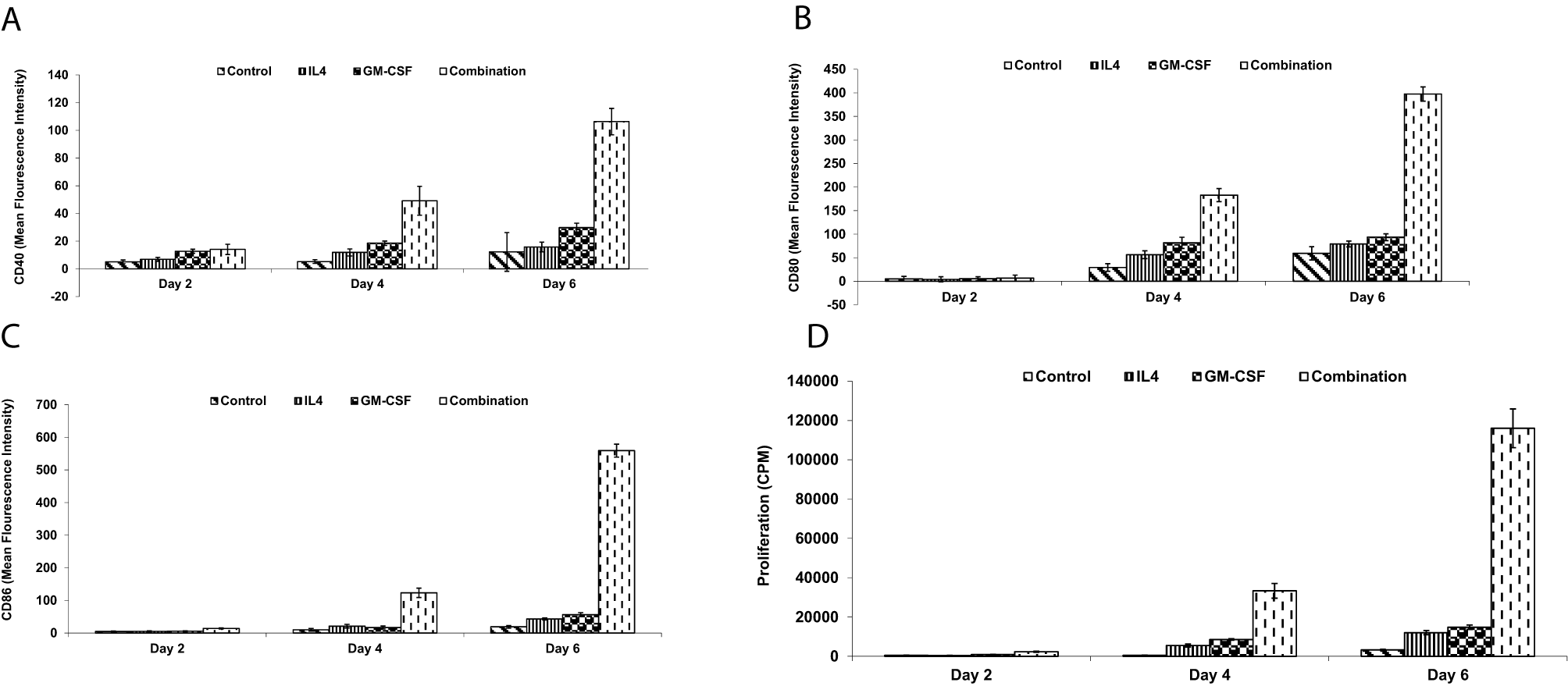
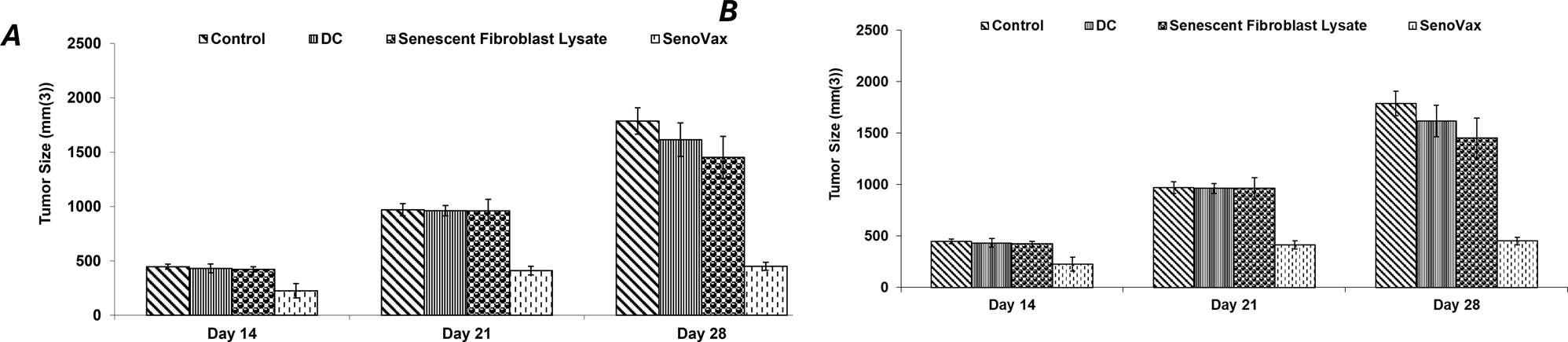
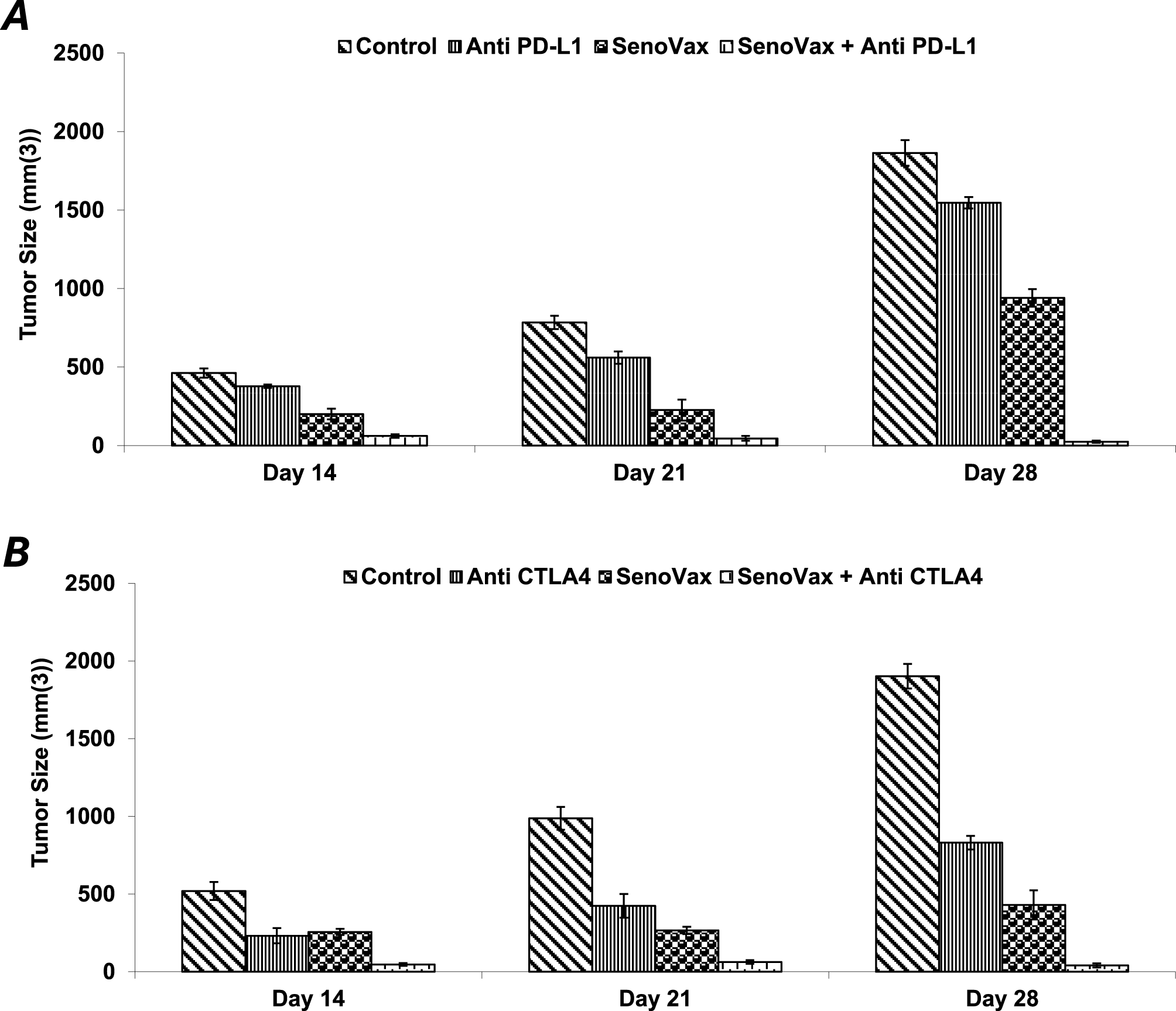
Immorta Bio has published peer-reviewed preclinical work on SenoVax, a dendritic-cell-based immunotherapy that exposes immune cells to material from senescent fibroblasts. A November 2025 mouse study reported reduced growth of several experimental tumors and immune responses associated with CD8-positive T cells. SenoMune-0257 is a newer synthetic peptide platform, not the same formulation, so those animal findings cannot establish efficacy for the newly administered drug.
A separate June 2026 paper examined SenoVax with regenerative stem-cell approaches in mouse models of liver injury and accelerated senescence. Those observations help explain the research program but do not demonstrate human rejuvenation, cancer survival benefit or long-term safety. The authors’ links to Immorta Bio also warrant careful attention when interpreting early evidence.
What evidence is still missing
The next meaningful milestones are a disclosed trial protocol, independent safety monitoring, evidence that the intended immune response occurs in patients, and reproducible clinical outcomes. Selectivity matters because indiscriminate removal of senescent cells could affect protective processes, while immune activation can create unintended tissue injury. Neither a first dose nor an animal result establishes that a treatment slows biological aging in humans.
The development sits beside other experimental approaches to age-related disease. BitcoinVersus.Tech previously examined how close medicine is to treating aging, human testing of epigenetic reprogramming, CRISPR’s possible role in longevity, and longer-term healthspan predictions. The distinction across every platform remains the same: a mechanistic hypothesis or promising experiment is not a proven extension of human lifespan.
Primary sources: Immorta Bio November 2, 2026 announcement; October 12 company research update; 2025 peer-reviewed SenoVax paper; 2026 peer-reviewed mouse study; NIH cellular senescence atlas.
Editor’s Note: We volunteer daily to ensure the credibility of the information on this platform is Verifiably True. If you would like to support our work and help further secure the integrity of our research initiatives, please scan the QR code below to donate 5,000 sats.

To contribute, open a compatible Bitcoin wallet, select its scan feature, scan the original QR code above and review the transaction details before sending the requested 5,000 satoshis.
Medical information is provided for general reporting and is not medical advice. SenoMune-0257 is investigational, and its safety and effectiveness in humans have not been established. BitcoinVersus.Tech is not a financial advisor. This media platform reports on technical and financial subjects for informational purposes only.


Leave a Reply