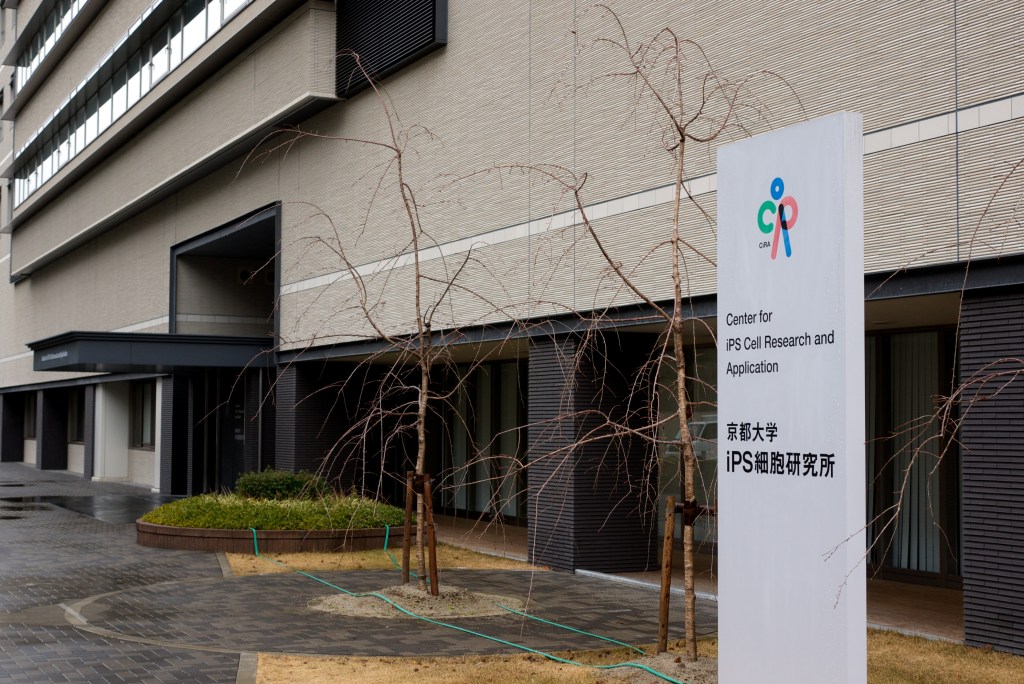
Kyoto University Hospital began transplanting AMCHEPRY (raguneprocel), a donor-derived induced pluripotent stem-cell treatment for Parkinson’s disease, under Japan’s conditional, time-limited approval in October 2026. In an October 30 hospital announcement, clinicians said a woman in her 50s had undergone surgery, recovered well after the operation and been discharged. Her long-term movement outcomes have not yet been reported.
The operation marks a post-approval clinical-treatment milestone, rather than the first human use of the technology: seven patients previously received experimental transplants in a trial launched in 2018.
How the cell replacement works
Parkinson’s disease progressively destroys dopamine-producing neurons needed for controlled movement. Medicines including levodopa can reduce symptoms, but some patients eventually experience insufficient responses or treatment-related complications. AMCHEPRY is intended for patients with motor symptoms inadequately controlled by existing medication, according to manufacturer Sumitomo Pharma’s March 6 authorization notice.
Scientists generate induced pluripotent stem cells (iPS cells) from adult cells, guide them toward becoming dopamine-producing neural precursors, and transplant those precursors into the brain’s putamen. The strategy seeks to replenish lost dopamine activity. The cells come from a donor source, not from the individual recipient.
The scientific approach differs from the drug-delivery strategy described in BitcoinVersus.Tech’s earlier Genentech–Alector Parkinson’s program, which aims to transport an engineered enzyme across the blood-brain barrier. Both approaches remain dependent on clinical evidence of meaningful benefits.
What the earlier human trial found
The initial Phase I/II study enrolled seven Parkinson’s patients aged 50 to 69 and tracked safety and exploratory motor outcomes for 24 months. Kyoto University reported no serious adverse events and no abnormal growth of transplanted tissue. Imaging suggested the transplanted cells survived and produced dopamine.
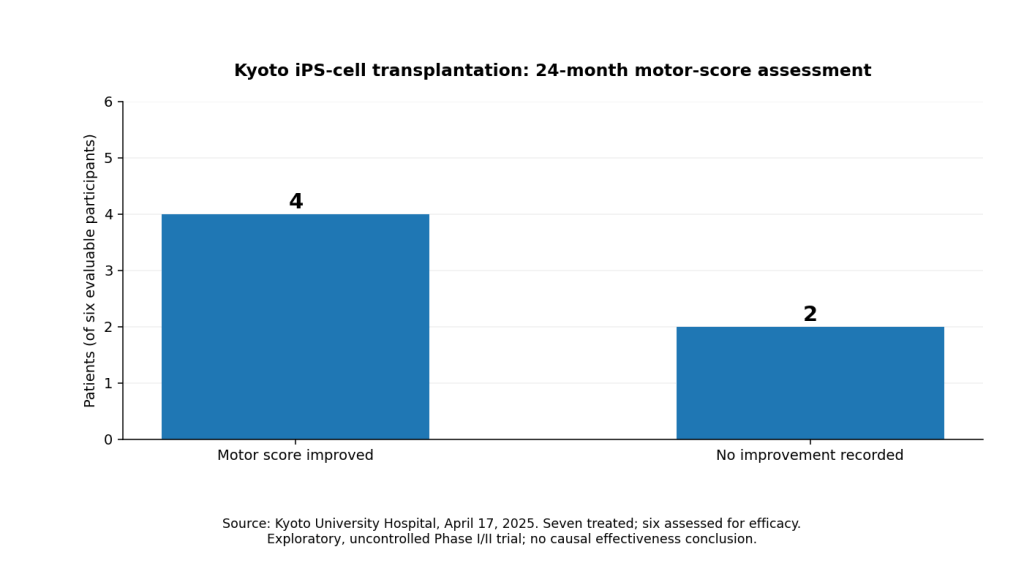
Four of six patients assessed for effectiveness showed improvement on a standardized off-medication motor examination. Those results, published in Nature in April 2025, were encouraging but came from a very small study without a randomized control group. Improvement in some patients does not prove that the treatment will reliably improve every recipient’s condition.
Conditional approval is not final proof
Japan’s health authorities granted AMCHEPRY conditional, time-limited approval on March 6, 2026. Such authorization permits regulated use while additional evidence is collected; it is not equivalent to definitive demonstration of long-term safety and effectiveness. Kyoto University is continuing post-marketing evaluation, including careful follow-up of patients receiving the product.
Important unanswered questions include durability of motor improvement, adverse effects of brain surgery and immune management, long-term monitoring for unwanted cell growth, and manufacturing consistency at scale. The Michael J. Fox Foundation notes that the treatment is not approved or available in the United States.
Why the development matters for longevity
Regenerative medicine could eventually restore functions lost to age-related diseases, but replacing neurons in Parkinson’s disease is not proof of whole-body rejuvenation or lifespan extension. The distinction mirrors BitcoinVersus.Tech’s previous assessments of the scientific distance from reversing aging and CRISPR’s potential and limitations for human longevity. Readers seeking genetic context can also review how DNA sequencing works.
For now, the next measurable milestone is not a promise of longer life but reliable evidence that transplanted cells help more patients move better over time, with acceptable safety.
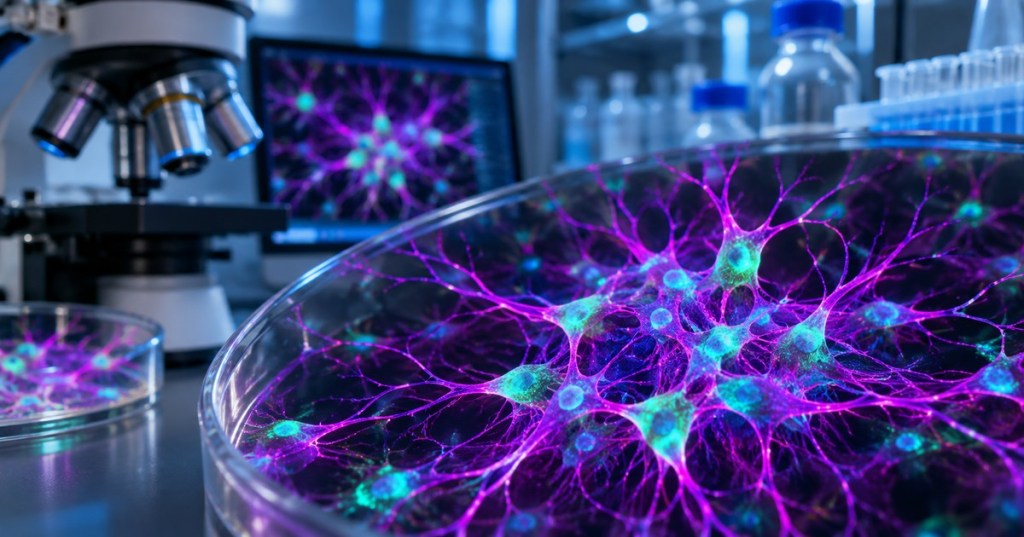
Editor’s Note: The October 2026 patient report concerns postoperative recovery, not a documented improvement in Parkinson’s symptoms. The featured image is an editorial illustration.
We volunteer daily to improve the credibility of the information on this platform. If you would like to support the research, please donate 5,000 sats using the original Bitcoin donation QR code below.

Scan the donation code from another device if your phone cannot scan its own screen.
BitcoinVersus.tech is not a financial advisor. This media platform reports on technical and financial subjects purely for informational purposes. Medical and biotechnology coverage is likewise informational and is not medical advice or a recommendation for treatment.


Leave a Reply