
Sparrow Wallet released version 2.5.7 on November 25, 2026, addressing several problems that can affect the reliability and privacy of Bitcoin self-custody. The official changelog describes changes to Electrum server communication, wallet-file encryption, transaction verification and the bundled Tor client. Support for Bitcoin’s testnet5 network also arrives in the release.
Why wallet synchronization can fail
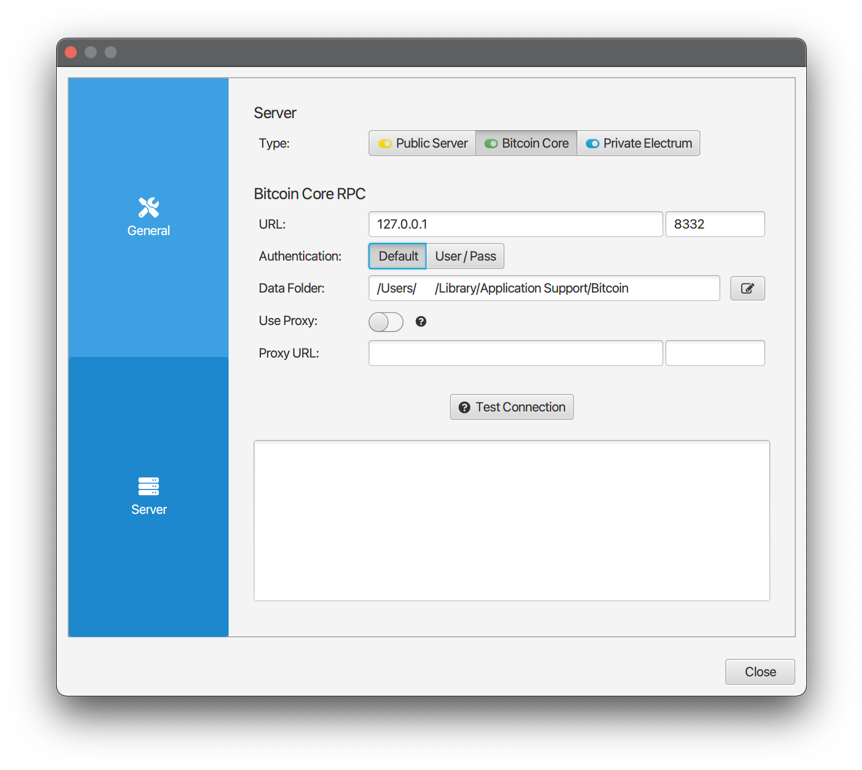
A Bitcoin wallet tracks spendable transaction outputs and relevant transaction history. Sparrow can obtain blockchain information from Bitcoin Core or an Electrum server. An Electrum connection lets the wallet retrieve relevant history without storing the entire blockchain locally. The server’s responsiveness and the wallet’s verification procedures affect how quickly and reliably the interface reflects available funds.
Large histories may require several batches of requests. Repeatedly sending requests to an already overloaded server can increase pressure rather than improve performance. Sparrow’s new request handling gives delayed replies more time, retains successful portions of incomplete batches and recovers data received across socket timeout boundaries. Smaller requests are used when appropriate to recover from unanswered calls.
Imagine a wallet that needs five batches of transaction information. If four batches arrive successfully while one fails, discarding every response would make the client repeat work it has already completed. Retaining valid results and recovering missing information can reduce unnecessary requests. The example illustrates the engineering principle rather than a measured performance improvement.
Security extends beyond private keys
Version 2.5.7 updates the embedded Tor implementation to 0.4.9.16. The release also addresses a case where changing a password alongside settings requiring a wallet refresh could leave account keystores without the intended encryption. Additional changes preserve proxy configuration after connection failures and prevent certain local DNS lookups when a proxy is selected.
The 21ideas security notice identifies the update as including fixes following further security review. The release documentation does not establish that attackers exploited the defects, and no quantified loss or affected-user count accompanies the announcement. Users should distinguish encryption of locally stored wallet information from the separate protections provided by a hardware signing device.
A separate network for testing
Support for testnet5 gives developers another environment for checking transaction construction and network behavior before using real bitcoin. The release includes two public Electrum endpoints for the test network. Testnet coins are not mainnet bitcoin, and experimental success does not establish production security.
Related engineering coverage includes the testnet5 genesis block, Bitcoin Core hardware-wallet signing compatibility, Electrum silent-payment scanning and Bitcoin Core silent-payment development.
Wallet operators can obtain the release from the official download page, which provides signed verification manifests. Verify the software before installation and maintain secure backups. Sparrow’s node connection documentation explains how users can connect to their own Bitcoin Core instance. Neither the new version nor a private server eliminates the need to check payment addresses, preserve recovery information and protect signing devices.
We volunteer daily to ensure the credibility of the information on this platform is Verifiably True. If you would like to support to help further secure the integrity of our research initiative, please scan the QR code below.



Leave a Reply