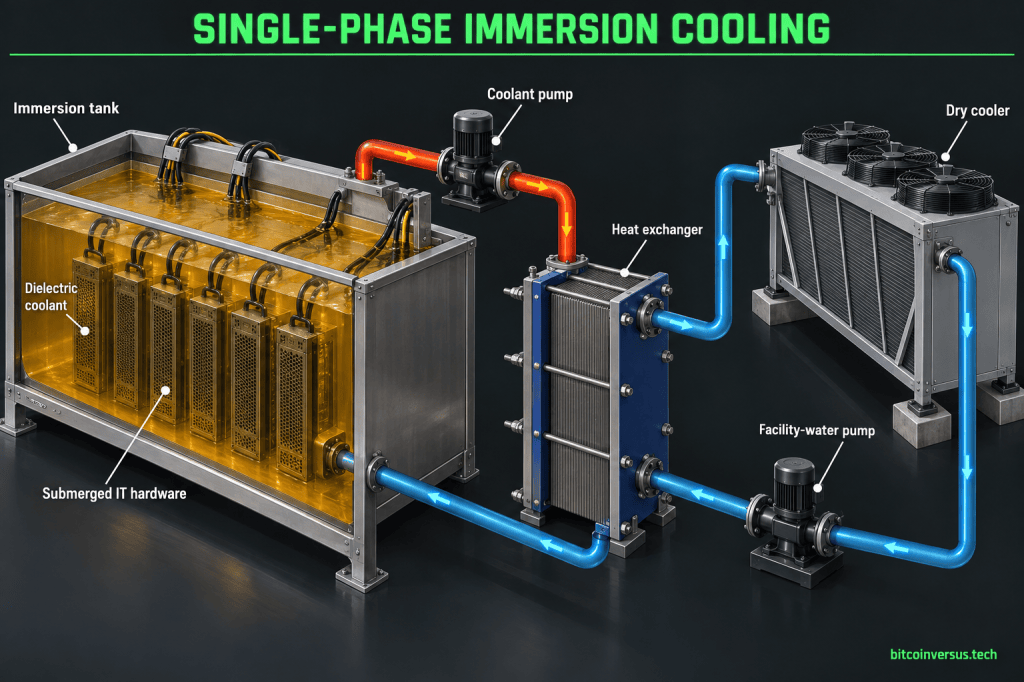
Liquid cooling is moving beyond the server rack and becoming part of the entire data center’s thermal infrastructure. Direct-to-chip systems can remove heat from high-density processors more efficiently than traditional air cooling, but the captured heat must still travel through cold plates, coolant lines, coolant distribution units, facility water loops and heat-rejection equipment.
Every stage affects the performance of the next. A properly designed system must coordinate temperature, pressure, flow, filtration and controls from the processor to the final point of heat rejection.
The shift is being driven by AI systems capable of pushing rack power toward 227 kW.
At that density, a facility cannot evaluate a cold plate or coolant distribution unit as an isolated component.
Engineers must determine whether pumps can maintain the required flow, facility water can absorb the load and chillers or dry coolers can reject the heat under peak outdoor conditions.
Many data centers will also continue using air cooling for lower-density equipment, creating hybrid environments that require both cooling methods to operate together.
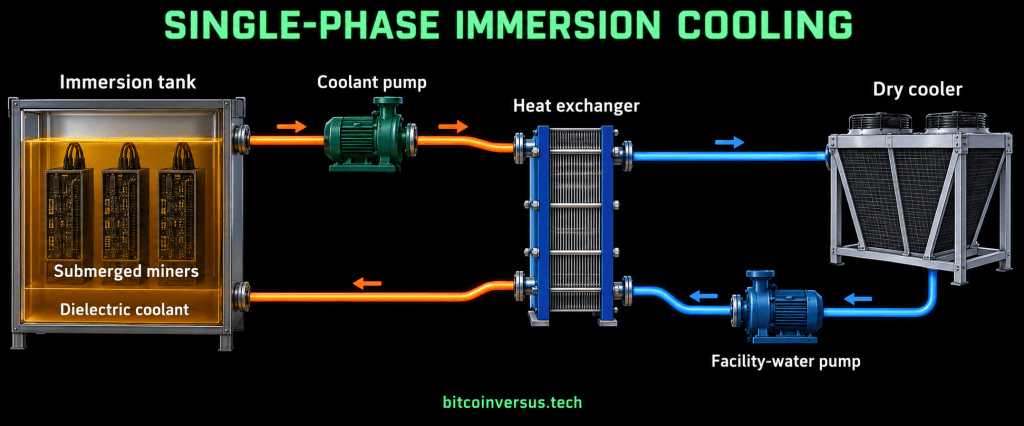
Commissioning becomes more important as liquid cooling connects IT equipment directly to mechanical infrastructure. Technicians must verify coolant chemistry, supply and return temperatures, differential pressure, valve operation, sensor accuracy, pump redundancy, CDU failover and performance at partial and full load. Passing a leak test alone does not prove that the cooling system can respond to changing compute demand.
Integrated testing must confirm that controls, alarms and backup components work together during equipment failures and sudden load changes.
Efficiency requirements are also moving toward whole-system measurement. Proposed California rules for facilities with more than 2 MW of liquid-cooled IT load would establish new economizer thresholds, minimum temperature differentials and variable-flow requirements.
The proposals are not yet final, but they show why new facilities need measurable and adaptable cooling systems. Long-term reliability will depend on designing the entire thermal path as one coordinated system rather than treating liquid cooling as an accessory added to individual racks.
BitcoinVersus.Tech Editor’s Note:
We volunteer daily to ensure the credibility of the information on this platform is Verifiably True. If you would like to support to help further secure the integrity of our research initiatives, please donate here: 3C9o19EH5HSiwEPyCTmEKzxhNCbo2X6TTb
BitcoinVersus.tech is not a financial advisor. This media platform reports on financial subjects purely for informational purposes.


Leave a Reply