electricity
-

Electrification is the process of replacing technologies that directly burn gasoline, diesel, natural gas, or other fossil fuels with equipment powered by electricity. Common examples include replacing combustion vehicles with electric vehicles, gas furnaces with heat pumps, and fuel-powered industrial machinery with electric systems. When paired with renewable energy, nuclear power, energy storage, and a…
-

The solar energy industry traces its roots to nineteenth century scientific discoveries, beginning with the photovoltaic effect identified by Edmond Becquerel in 1839 and early selenium based cells in the late 1800s. It did not become a modern commercial sector until Bell Labs created the first practical silicon solar cell in 1954, which initially found…
-
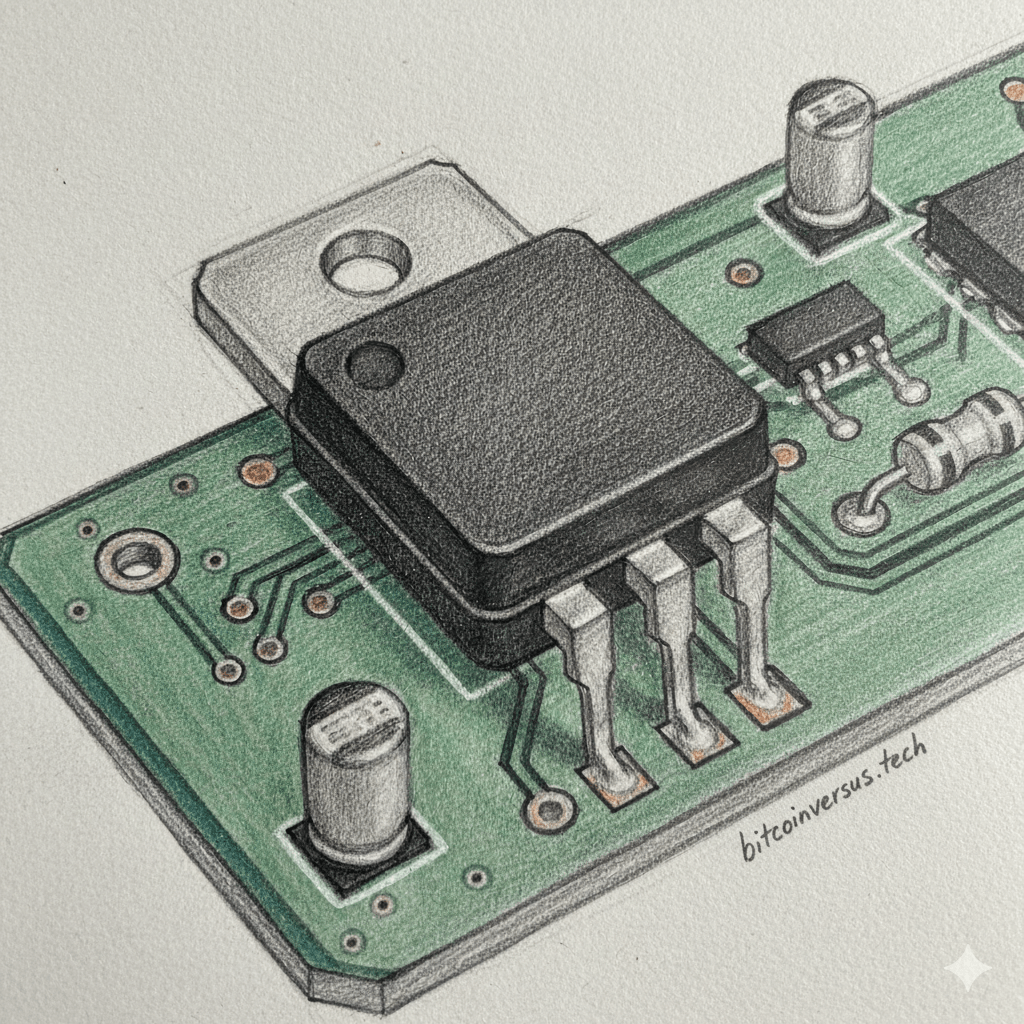
MOSFETs, or Metal-Oxide-Semiconductor Field-Effect Transistors, are essential components in modern electronics, and understanding their operating characteristics is crucial for anyone interested in electronics. These devices function as switches or amplifiers, controlling the flow of electrical current. The key to their operation lies in the voltage applied to the gate terminal, which influences the conductivity between…
-

Metal oxide semiconductor capacitance voltage measurement is a way to electrically study what is happening at the surface of a semiconductor under a gate. The structure used is a simple capacitor made of a metal gate on top, a very thin insulating oxide in the middle, and a semiconductor such as silicon on the bottom.…
-
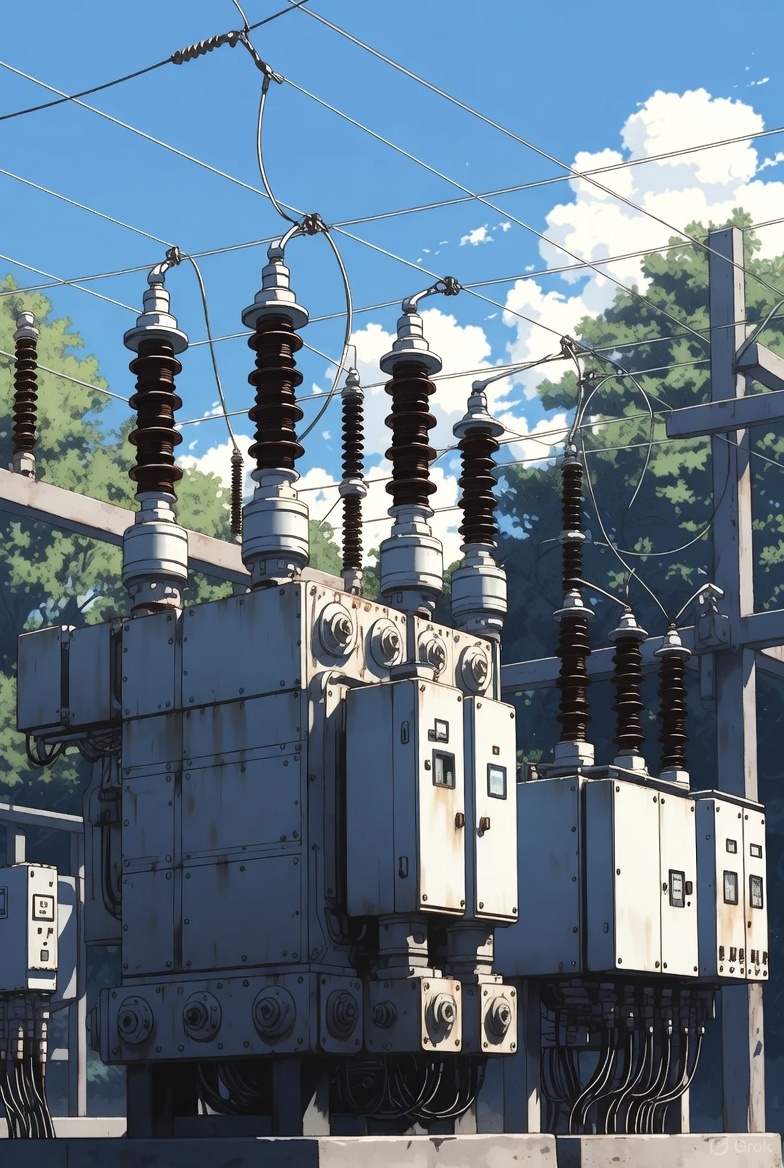
Unlike a simple switch, a circuit breaker is capable of safely interrupting the extremely large short-circuit currents that occur during a fault (such as a line-to-line or line-to-ground fault) at high voltages, which typically refers to voltages of 72KV and above. When a fault is detected by protective relays, the breaker’s contacts open, creating an…
-
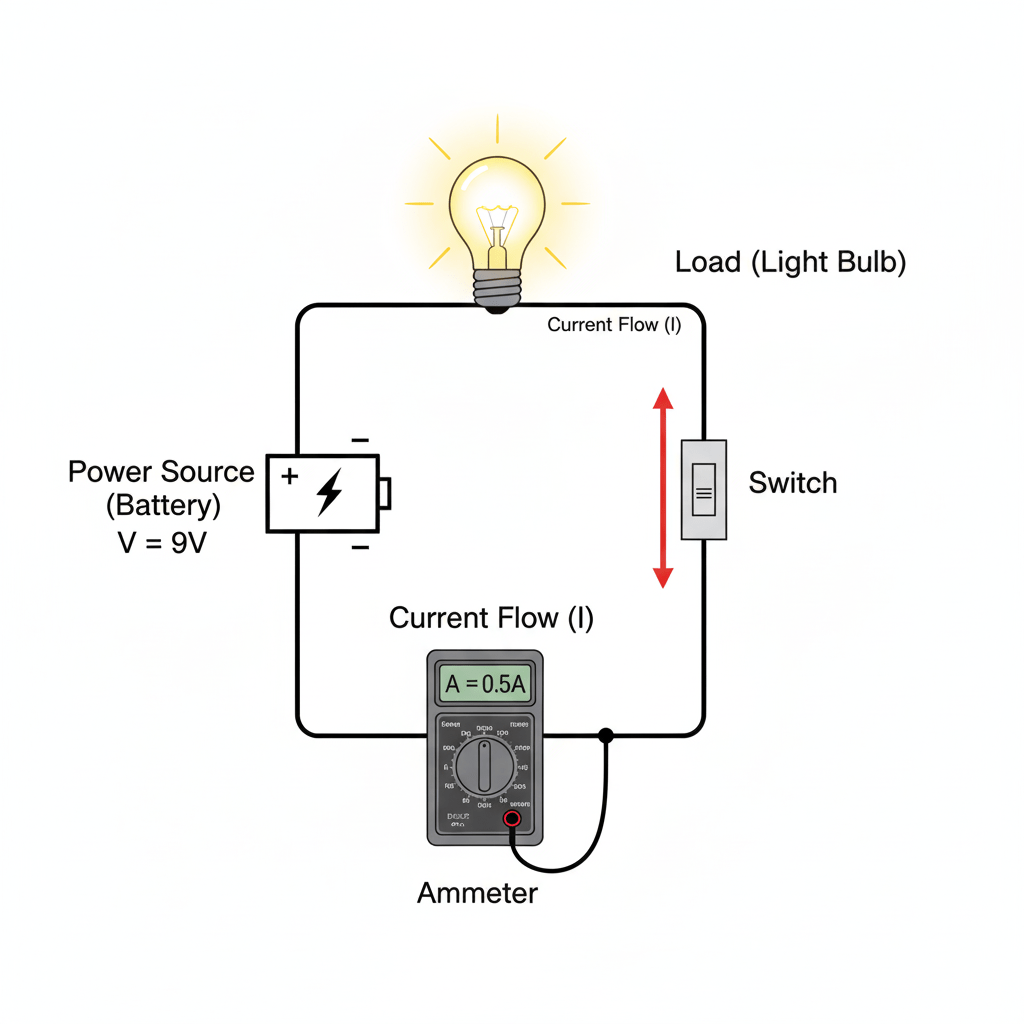
A simple circuit is an electrical circuit that consists of just a few basic components, creating a closed loop through which electric current flows. Typically, it includes a power source like a battery, a conductive path such as wires, and a load, which can be a device like a light bulb or resistor that uses…
-
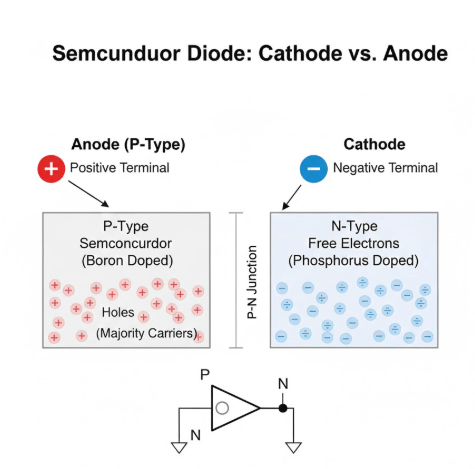
The cathode is the terminal of an electrical device through which current flows out of the device in conventional current terms (positive to negative). In a diode, the cathode is typically marked with a stripe and is the side connected to the negative voltage during forward bias. It is the terminal where electrons enter the…
-
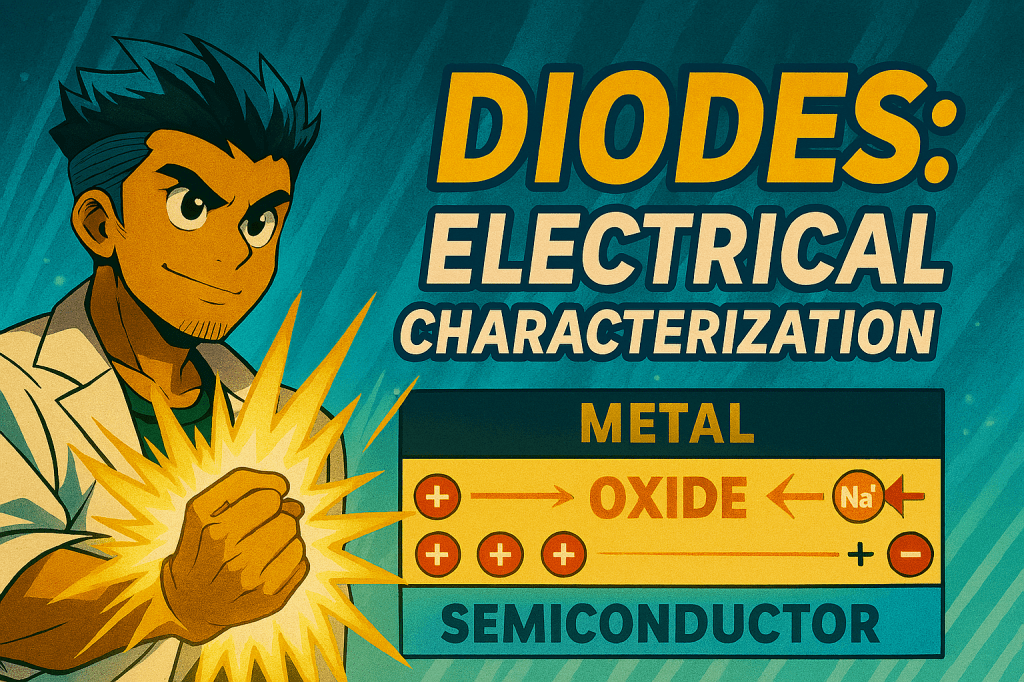
A diode is a two-terminal semiconductor device that permits current to flow primarily in one direction, making it a fundamental component in electronics. Electrical characterization of diodes involves analyzing their current–voltage (I–V) relationship, which reveals distinct operating regions. In a diode, the anode and cathode are the two terminals that define its directionality and electrical…
-
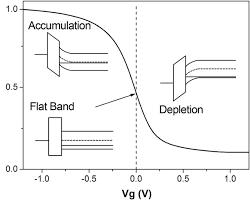
Flatband capacitance is a central concept in metal oxide semiconductor physics and is used to evaluate how a device behaves when no electric field exists inside the semiconductor. It represents the capacitance of a metal oxide semiconductor structure at the point where the semiconductor energy bands are perfectly flat. When the bands are flat, the…
-

The I-V characteristics of a diode describe how the electric current flowing through the device responds to changes in the voltage applied across its terminals. In forward bias, when the positive terminal of a voltage source is connected to the diode’s anode and the negative to its cathode, the diode initially resists current flow until…
-
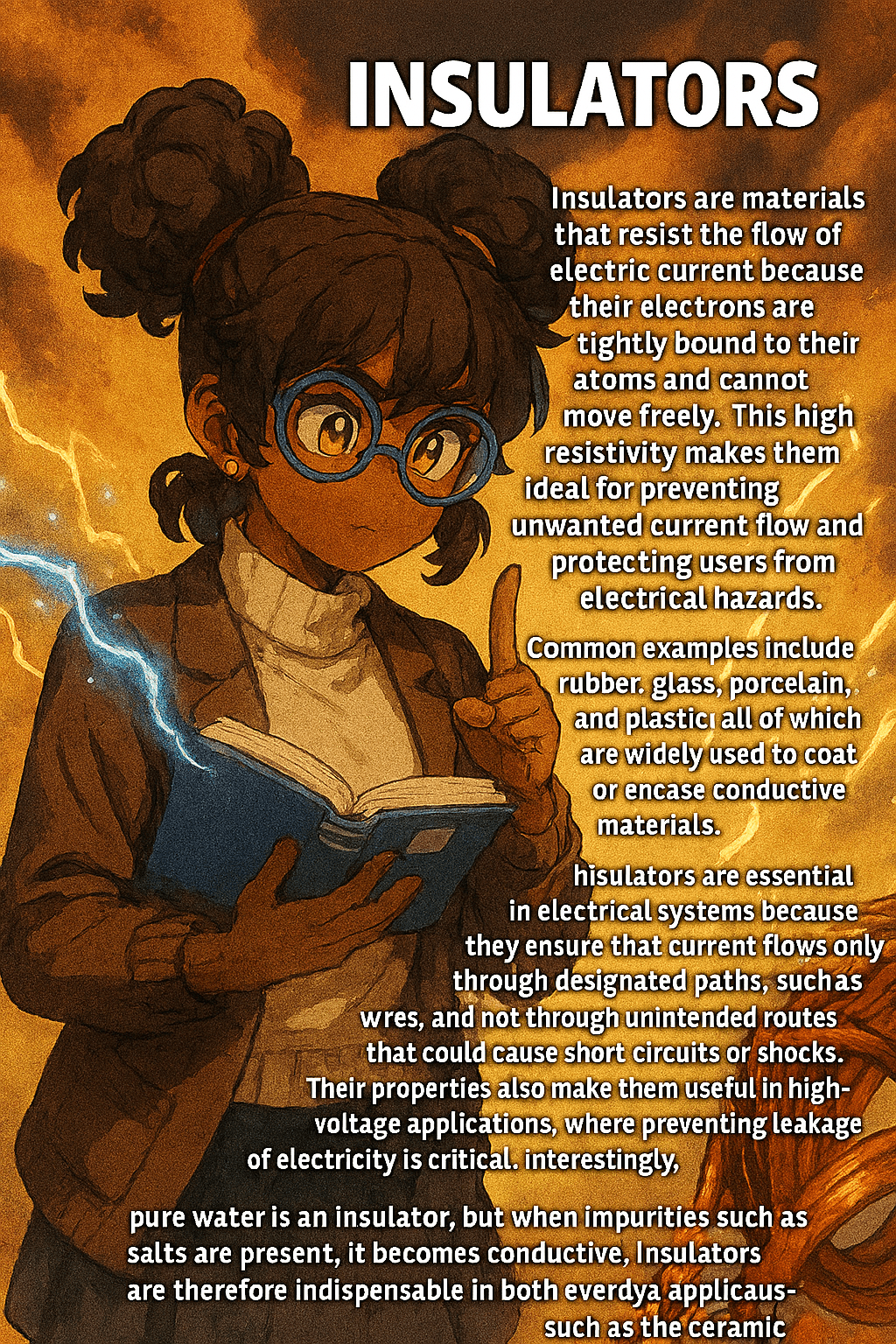
Insulators are materials that resist the flow of electric current because their electrons are tightly bound to their atoms and cannot move freely. This high resistivity makes them ideal for preventing unwanted current flow and protecting users from electrical hazards. Common examples include rubber, glass, porcelain, and plastic, all of which are widely used to…
-
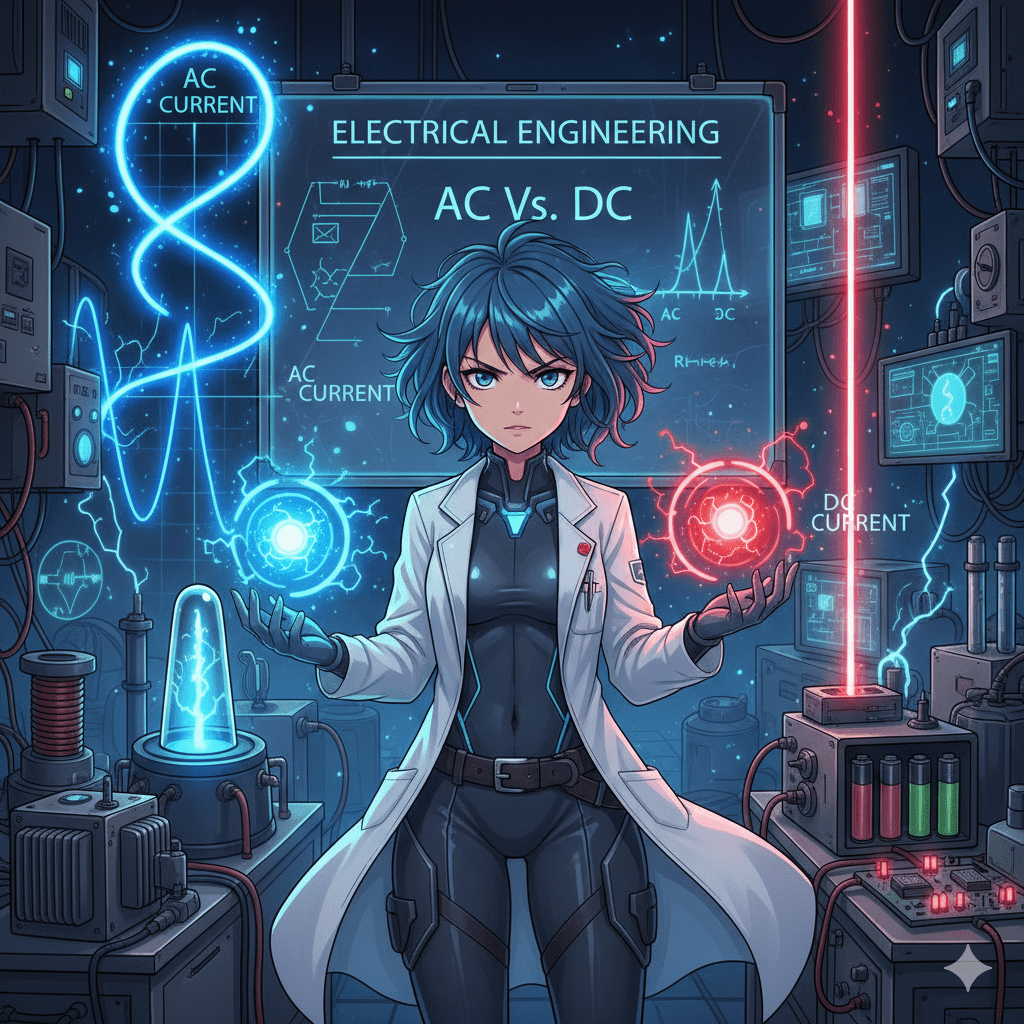
Alternating Current (AC) is a type of electric current characterized by a continuous and periodic reversal in the direction of charge flow, which results in a sinusoidal (or other periodic waveform) variation in voltage and current magnitude over time. Unlike Direct Current (DC), which maintains a constant polarity and direction, AC systematically oscillates between a…

